Top 10 Forensic Imaging Tools in 2022 (Best Free Digital Forensic)
Digital forensics is a crucial aspect of legal investigations involving various tech devices. Forensic imaging tools are essential for performing analyses on devices like computers, hard drives, smartphones, networks, and databases. These tools help in collecting and preserving evidence, which is vital for investigations and legal proceedings.
Top 10 Best Computer (Digital) Forensic Imaging Tools
The top 10 forensic imaging tools in 2022 help collect evidence and determine how hackers or malicious individuals executed a crime, providing valuable insights into cybercrimes. These tools are essential for investigators to gather and analyze digital evidence, and understanding them is crucial for staying up-to-date with the latest investigative techniques.
- 1. Qiling Backup Home
- 2. ProDiscover Forensic
- 3. Sleuth Kit (+Autopsy)
- 4. Google Takeout Convertor
- 5. PALADIN
- 6. Encase
- 7. SIFT Workstation
- 8. FTK Imager
- 9. X-Ways Forensics
- 10. Volatility Framework
What Is a Digital Forensic Tool?
A digital forensic tool helps investigators discover, extract, and preserve digital evidence from various sources, including databases, computers, networks, smartphones, and the internet. It also enables decryption and analysis of the collected information, allowing for a thorough evaluation of the digital evidence. This tool is essential for capturing vital information from disk drives and other digital storage devices, making it a crucial asset in forensic investigations.
A forensic tool can exist in hardware or software and can be deployed independently or as part of a suite, and can work on different operating systems.
- Windows
- Linux
- macOS
- iOS
- Android
Law enforcers investigating crimes and incident response teams addressing cyber security issues in industries like banking, insurance, and finance often utilize digital forensic tools. These tools help them analyze and address security threats in these sectors.
Digital forensic imaging tools are used to capture and analyze digital evidence, and they come in various forms, including hardware and software. These tools have distinct features that cater to different objectives, such as capturing images of devices, analyzing data, and preserving digital evidence.
1. Qiling Backup Home [Best Overall]
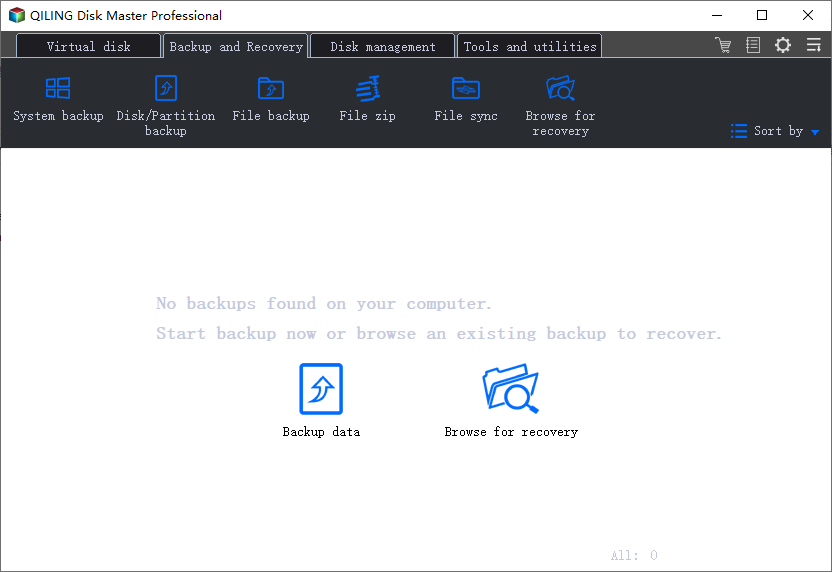
Qiling Backup Home is a forensic imaging tool that allows you to create an exact copy of an original hard drive and transfer the data to a new disk, providing a reliable way to backup hard drive without losing any files or system settings.
Main Features
- It offers security zone protection of data against ransomware attacks.
- This tool enables you to clone the system and related boot partitions, making it ideal for migrating or moving to another operating system.
- You can mount or unmount an image backup to access individual files within it.
- This feature allows you to save a backup image of your system to an external location, such as a cloud storage service or an external hard drive, providing an extra layer of protection and peace of mind in case of a disaster or data loss.
- It sends an email with a detailed report of a given execution result.
Technical Specifications
OS Type: Windows 11/10/8/7, Windows Vista, Windows XP
File System: NTFS, FAT32, FAT16, FAT12
2. ProDiscover Forensic [Image Analysis]
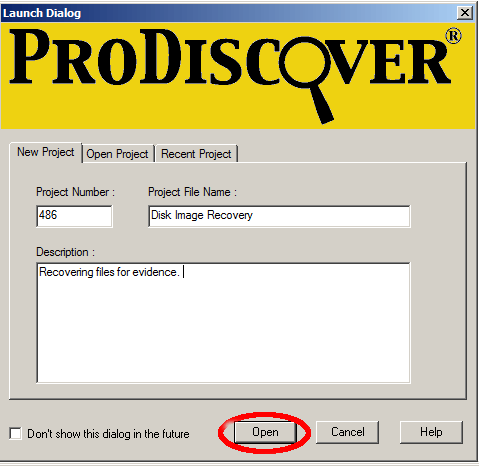
ProDiscover Forensic is a tool that helps locate data within a computer drive, making it suitable for legal procedures. It safeguards collected evidence and generates quality reports. One of its popular features is the ability to extract EXIF data from JPEG files.
Main Features
- It provides a quicker option for searching through suspicious files.
- A browser history viewer allows you to see someone's internet history and determine their recent online activities.
- This tool allows you to create a full copy of a suspected disk and preserve the original, ensuring that the original remains intact and unchanged.
- Allows forensic experts to save images in .dd formats, making it easy to import or export them.
- You can conveniently run a captured image using VMware.
Technical Specifications
OS Type: Windows, Mac OS X, Linux, Solaris
File System: FAT12, FAT16, FAT32, NTFS, HFS, HFS+, UFS
3. Sleuth Kit (+Autopsy) [Disk Analysis]
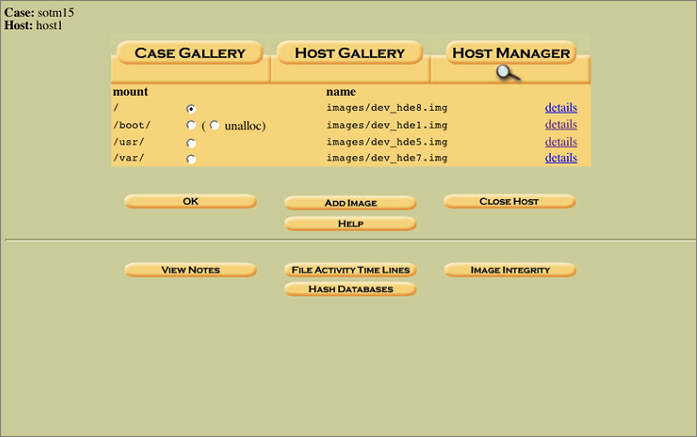
Sleuth Kit allows you to critically evaluate a hard drive or smartphone using a graphical interface, and also perform email analysis by searching through all documents and images on the target computer.
Main Features
- You can track user activity using a provided graphical interface.
- This tool enables users to categorize files into two distinct groups: documents and images. This feature simplifies the process of organizing and identifying files, making it easier to manage and locate specific types of files within a collection.
- This tool supports smartphone forensic analysis, allowing you to extract data such as call logs, SMS, and saved contacts.
- Allows you to track and examine communication made via email.
- Allows you to view pictures using thumbnails seamlessly.
Technical Specifications
OS Type: Linux, Mac OS X, Windows (using Visual Studio and mingw), Solaris, CYGWIN, and Open & FreeBSD are supported platforms.
File System: NTFS, FAT, exFAT, UFS 1, EXT2FS, EXT3FS, Ext4, HFS, ISO 9660, and YAFFS2 are various file systems used to organize and store data on computer storage devices.
4. Google Takeout Convertor [Batch Mode Analysis]
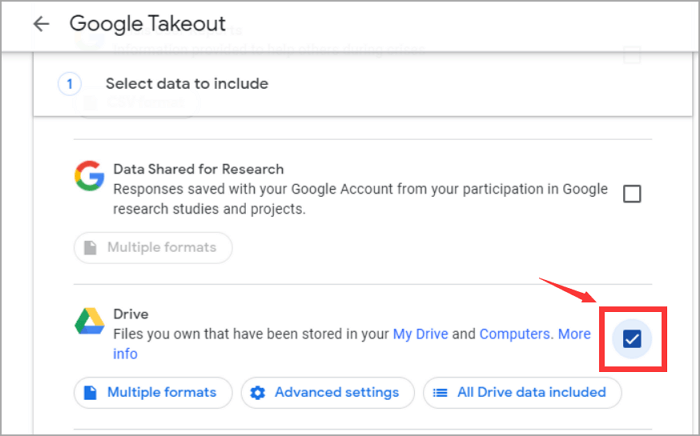
This forensic imaging tool converts email messages and attachments from Google Takeout, allowing you to extract and process data from the messages and attachments to interpret evidence.
Main Features
- Google Takeout is a service that allows users to download their data from Google services such as Gmail, Google Drive, and Google Calendar. The service provides a zip file containing all the user's data, which can be quite large and time-consuming to analyze manually.
- You can export multiple files at once from Google Takeout for easy analysis.
- The device has a dual-mode function, which enhances the data conversion process.
- This tool enables you to convert email messages and their attachments to a cloud-based email service, allowing for easy access and management of your emails from anywhere.
Technical Specifications
OS Type: Windows 11/10/8/7, Windows Vista, Windows XP, Mac OS
File System: HTML, Outlook PST, PDF, EML, NSF
5. PALADIN [Saves on Time]
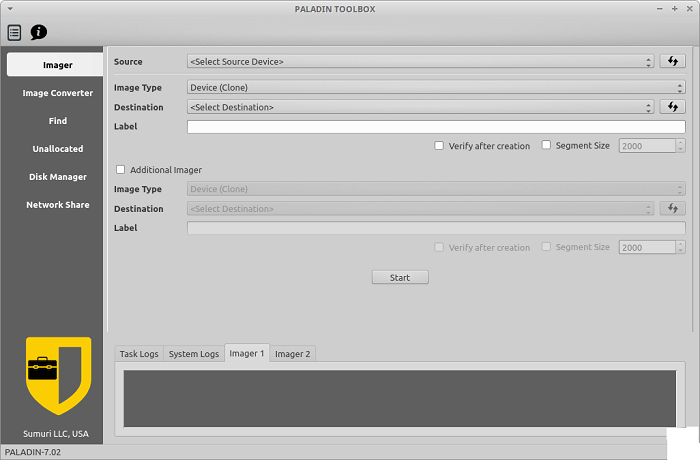
This Ubuntu-A forensic imaging tool called PALADIN allows for the examination of malicious content in over 100 different ways, aiming to simplify and expedite the analysis process.
Main Features
It's an open-A reliable source backup software can help you access any type of information you need with ease. With this software, you can easily retrieve and manage your data, making it a valuable tool for individuals and businesses alike.
- It supports Windows 64-bit and Windows 32-bit devices.
- This forensic tool is compatible with a USB thumb drive.
- The platform provides a comprehensive environment for cyber forensics tasks, covering 33 different categories, allowing users to work on a wide range of tasks and exercises in the field of cyber forensics.
Technical Specifications
OS Type: Windows, Mac OS, Linux
File System: NTFS, HFS+, FAT32, EXT4, exFAT
6. Encase [Works on Encrypted Devices]
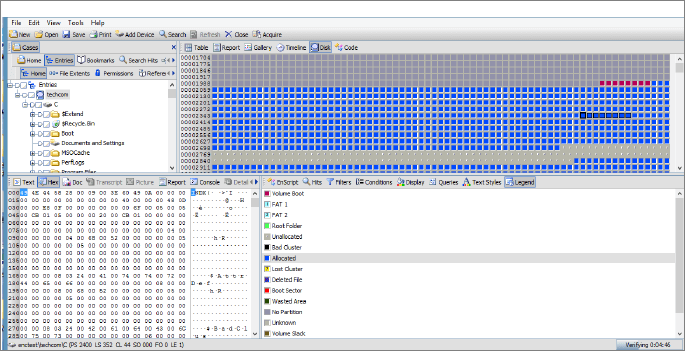
Encase forensic imaging tool enables the extraction of forensic information from hard drives, allowing for a detailed analysis of documents, audio, and images that can be used as evidence.
Main Features
- Allows you to obtain evidence from encrypted devices, including tablets and smartphones.
- You can search and prioritize evidence based on its credibility, making it easier to make informed decisions.
- This tool enables forensic analysis on mobile devices, generating comprehensive reports.
- This tool enables you to conduct various analysis types, encompassing both deep and triage analysis, allowing for a comprehensive examination of data.
Technical Specifications
OS Type: Windows, Linux, UNIX
File System: FAT12, FAT16, FAT32, exFAT, NTFS, CD, EXT2/3/4
7. SIFT Workstation [Saves on Disk Space]
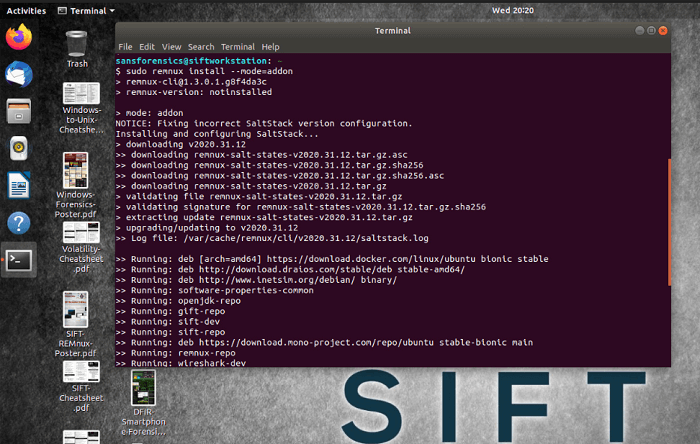
SIFT (SANS Investigative Forensics Toolkit) is a tool that uses innovative forensic technologies to conduct detailed digital investigations. It examines a raw disk in a read-only mode, preserving the original evidence and not altering it.
Main Features
- It supports 64-bit operating systems.
- It provides an effective way to utilize memory since it immensely saves on disk space.
- It applies the latest forensic analysis technologies in the market.
- SIFT-CLI allows for convenient installation of SIFT through a command-line interface.
Technical Specifications
OS Type: Windows 7, Mac OS X, Linux
File System: FAT12, FAT16, and FAT32 are file systems used by Windows, while NTFS is a more advanced file system also used by Windows. EXT2, EXT3, and EXT4 are file systems used by Linux, as well as UFS1 and UFS2.
8. FTK Imager [Image Creation]
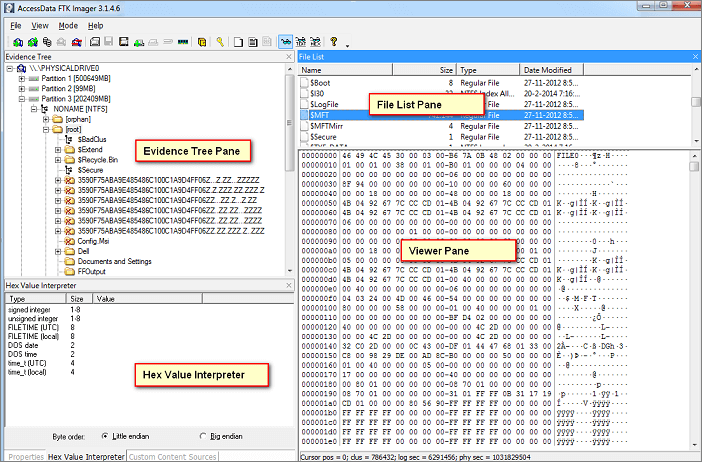
FTK Imager is a tool that helps create copies of digital data without altering the original evidence, and groups data by pixel and file size to reduce irrelevant data collection.
Main Features
- Offers clear data visualization using charts.
- Performs advanced data analysis using automated equipment.
- Allows you to recover passwords for 100+ applications.
- This tool enables the creation and management of reusable profiles for the purpose of facilitating other forensic investigations.
Technical Specifications
OS Type: Windows 10/8/7, Windows Vista, Windows XP
File System: FAT12, FAT16, FAT32, NTFS, exFAT, HFS, VXFS, EXT2/3/4, ReiserFS3
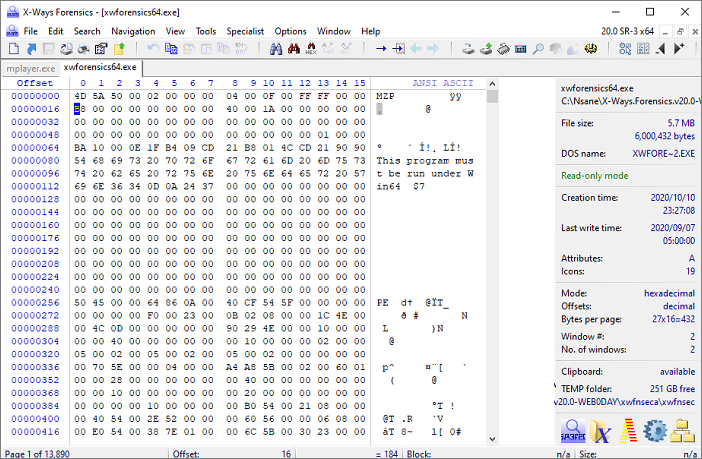
9. X-Ways Forensics [Good for Collaboration]
X-Ways is a tool that enables computer forensic examiners to perform disk cloning and imaging, making it a valuable asset for their work. Additionally, it facilitates collaboration among forensic examiners by allowing them to remotely access similar files.
Main Features
- Allows you to analyze computers remotely
- Can read file partitions on .dd images
- This forensic imaging tool supports bookmarks and annotations
- Provides you with templates to edit binary data
- This technology allows you to maintain the authenticity of data using write protection, ensuring that once recorded, the data cannot be altered or deleted. This helps to prevent tampering and ensures the integrity of the information.
Technical Specifications
OS Type: Windows 10/8/7, Windows Vista, Windows XP
File System: FAT12, FAT16, FAT32, exFAT, NTFS, TFAT, EXT2/3/4, UDF, CDFS
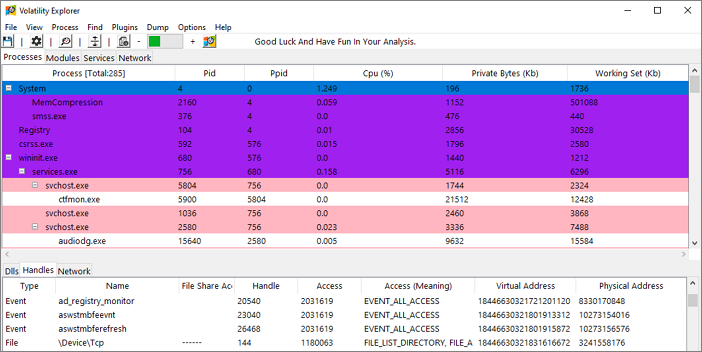
10. Volatility Framework [Memory Forensics]
Volatility Framework is a forensic imaging tool that analyzes a target device's runtime state based on data found in its RAM, allowing for memory analysis and forensic investigation.
Main Features
- Allows you to check each Mac operation based on the provided plugins, enabling you to monitor and verify the functionality of various system operations.
- The Volatility Framework utilizes its API to enable efficient monitoring of Page Track Entry (PTE) flags, providing users with a streamlined way to track and analyze these critical system elements.
- It supports Kernel Address Space Layout Randomization (KASLR).
- The script displays a failure message if a given service doesn't start as required.
Technical Specifications
OS Type: Windows, Mac OS X, Linux, Android
File System: Raw dumps, Firewire, Expert Witness, Windows Hibernation Files, LiME, Mac-O, HPAK, and Virtualbox ELF64 Core Dumps are various types of digital evidence that can be used in forensic investigations. These include raw memory dumps, data captured from Firewire connections, and specialized file formats like Expert Witness, Windows Hibernation Files, and LiME, which are used to extract and analyze digital information.
How to Use a Digital Forensic Imaging Tool
For forensic imaging tasks, Qiling backup software is the most recommended tool to use. It enables you to clone your current disk to a new disk, as well as back up your data and files to various locations, such as an external hard drive, network, NAS, or cloud storage services like Google Drive or Dropbox.
If you're wondering how to get started with this imaging software, look no further. This section will outline the simple steps to download and install the software on your computer.
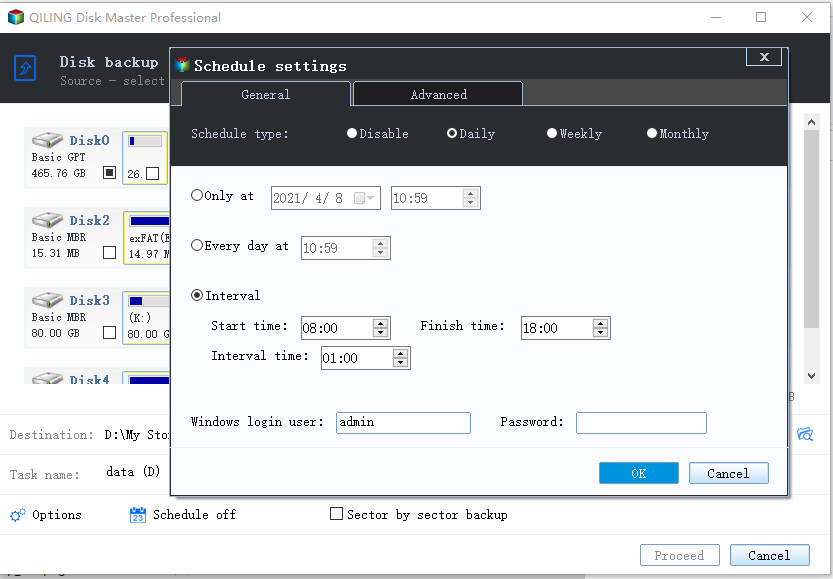
Step 1. Open Qiling Backup and select "Disk/partition Backup" from the home page.
Step 2. Qiling Backup offers you options to back up a whole disk or a certain partition as needed, and then click "OK".
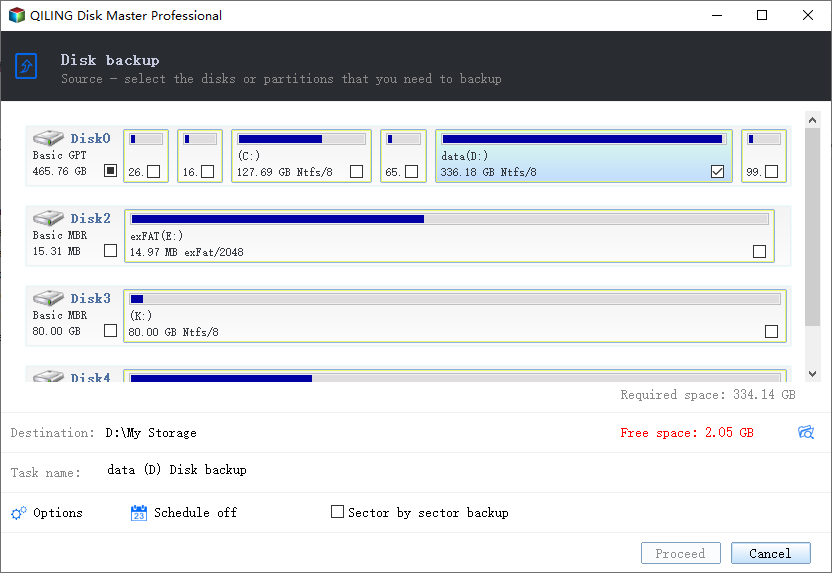
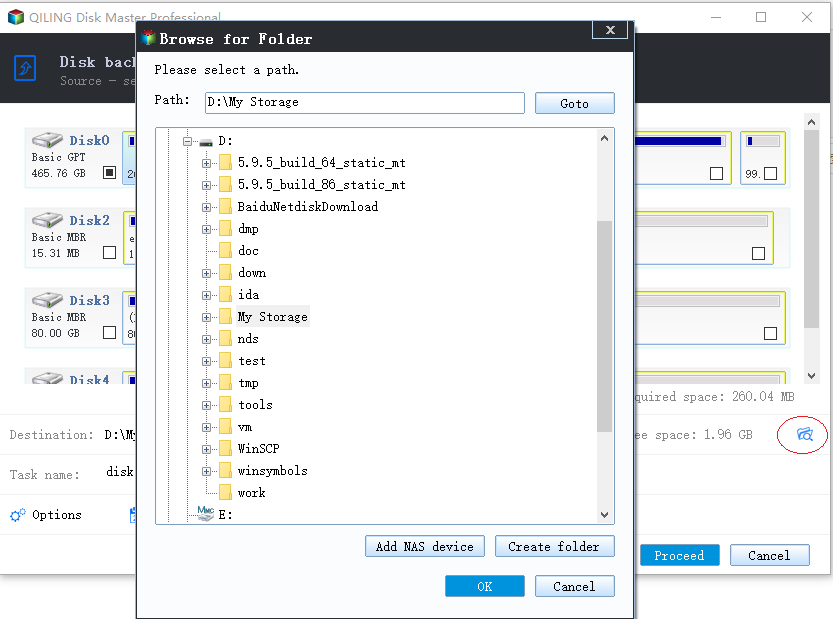
Step 3. Save the backup to a destination of your choice, either locally or on a Network-Attached Storage (NAS) device.
Step 4. After the backup process is completed, you can click any one of the tasks to further manage your backup, such as recovering it, creating an incremental backup, and so on.
Conclusion
The top 10 forensic imaging tools have been discussed in this article, with Qiling Backup Home software emerging as the winner, followed closely by ProDiscover Forensic as the 1st runner-up, and Sleuth Kit (+Autopsy) as the 2nd runner-up.
Qiling Backup Home stands out from the first and second runners-up due to its broad compatibility, supporting various devices such as Windows, macOS, Android, and iOS. Additionally, it enables users to create identical copies of an original hard drive and transfer them without losing any files or data.
Offsite data copies can be made, providing an additional layer of protection for backups, and Qiling sends a detailed report via email for every execution result.
Forensic Imaging Tools FAQs
To know more about forensic imaging tools in 2022, you can read through the questions and answers below.
1. What Is the Best Forensic Imaging Tool?
In 2022, the best forensic imaging tool is Qiling Backup Home, which enables disk cloning and remote backup copying. The software offers a free trial version and supports various operating systems, including Windows, macOS, Android, and iOS.
2. What is Digital Forensics Software?
Digital forensic software is a tool used to perform forensic analysis on digital platforms, such as computer hardware, smartphones, servers, and the internet, to evaluate the authenticity of information obtained during the analysis.
3. Can You Do Forensics on Images?
With the help of a forensic imaging tool, you can do forensics on images. This allows you to analyze individual files from an image backup or obtain EXIF data from JPEG files, making it easier to analyze forensic images.
4. Which Tool Is Used for Analysis of Forensic Images?
The Sleuth Kit (+Autopsy) is an imaging tool that enables effective analysis of forensic images. It uses command-line instructions to examine smartphone and computer hard drive forensic images, and its plug-in architecture allows for the incorporation of other image analysis functionalities.
Related Articles
- System Backup Image vs. Recovery Drive: Which Backup Method Works for Me
- How to Restore When Outlook Favorites Misssing[2022 Guide]
- Windows 11 Backup Options: Does it Serve your Purpose?
- Ransomware Prevention: Protect Your Data with Backup Strategies
- The Best Choice for Samsung T7 SSD Backup Software
The Samsung T7 SSD backup software is a user-friendly tool that securely backs up and restores data from Samsung T7 SSDs, ensuring safe storage and easy recovery of important files and data. - Best Freeware to Create Sector by Sector Backup
Creating a sector-by-sector backup is a crucial process that allows you to restore your data in its entirety, even if you need to recover a single sector.
Products
Articles & Tutorials
- Data Recovery
- Data Backup
- File Recovery
- File Backup
- System Backup and Restore
- Disk and Partition Clone
- Technical articles
- Mobile articles
- Disk Master Help
- Windows Data Recovery Tutorials
- Windows Secure Delete Tutorials
- Windows Partition Management Tutorials
- Windows File Backup and Restore Tutorials
- Windows System Backup and Restore Tutorials
- Windows Disk Backup and Restore Tutorials
- Windows Clone Tutorials