Is Your SD Card Not Detected on Mac (Big Sur/Catalina)? Fix It Now
Have you tried restarting your Mac and then inserting the SD card to see if it gets detected? Sometimes, a simple reboot can resolve issues like this. If that doesn't work, you can also try using the Disk Utility to see if the SD card is recognized. To do this, go to Applications > Utilities > Disk Utility, select the SD card from the left panel, and click on the "First Aid" button to run a diagnostic and repair any issues.
If your SD card isn't showing up or being detected on your Mac, you're not alone. This issue can be frustrating, especially when you can't find your SD card in Disk Utility or Finder. Fortunately, this guide is here to help you troubleshoot and fix the problem, so you can recover all your SD card files quickly and easily.
- 1. Error: SD Card Not Detected on Mac
- 2. Why Is My SD Card Not Detected on Mac?
- 3. Quick Fixes - Check Undetected SD Card and Make Mac to Recognize It
- 4. Full Fixes for SD card not detected Mac (Big Sur, Catalina)
- 5. Recover Lost Files from SD Card after Making It Detectable on Mac
- 6. Tips to Prevent SD Card from Not Detected/Not Showing Up on Mac
1. Error: SD Card Not Detected on Mac
When an SD card is inserted into a Mac computer via an SD card reader, a "SD card not detected" error may occur, indicating that the Mac is unable to recognize the SD card.
Normally, this error comes up with the following symptoms:
- When you insert an SD card, nothing happens on Mac.
- If your SD card isn't showing up on your Mac desktop, try restarting your Mac, and then insert the SD card into the card reader. If it still doesn't show up, try using the Disk Utility tool to verify the SD card's disk status.
- Mac cannot read or recognize SD card.
- SD card is unopenable and files are not accessible, etc.
If you're experiencing issues with your SD card and want to recover its files, start by understanding the causes of the problem. Check the state of your SD card to determine if it's damaged or corrupted. Once you've identified the issue, you can proceed with the necessary steps to fix the problem and recover your files.
2. Why Is My SD Card Not Detected on Mac?
If your SD card is not showing up or being detected on a Mac, various factors could be the reason, including corrupted or damaged card readers, outdated Mac operating system, incompatible file system, or physical damage to the SD card itself. Other potential causes include software issues, such as driver problems or conflicts with other storage devices, as well as hardware problems, like faulty USB ports or malfunctioning SD card slots.
- Your SD card, SD card reader, or SD card slot may be faulty due to physical damage, water or liquid exposure, overheating, or wear and tear over time. This can prevent it from reading or writing data. If you're experiencing issues with your SD card, try checking for physical damage or using it in a different device.
- The SD card's file system is not compatible with Mac, specifically ext2/3/4 and NTFS, which are commonly used on Windows and other operating systems.
- The SD card is not mounted correctly or unmounted.
- SD firmware or components are damaged or corrupted.
- SD card is infected with a virus or malware.
If your SD card is not detected on your Mac, don't worry - follow the quick fix and full solutions listed below to resolve the issue and get your SD card showing up again.
3. Quick Fixes - Check Undetected SD Card and Make Mac to Recognize It
Here are some quick fixes to help your Mac recognize your SD card: First, try restarting your Mac and inserting the SD card again. If that doesn't work, try using a different SD card reader or slot. If the issue persists, try formatting the SD card on your Mac using Disk Utility.
#1. Open and Check SD Card
- If the SD card is physically damaged or broken, replace it with a new one.
- Check if the SD card has any scratches. If it does, take it for repair. If it's in good condition, try formatting it.
- If the SD card is covered with dust or mud, clean it and re-insert it to the Mac computer.
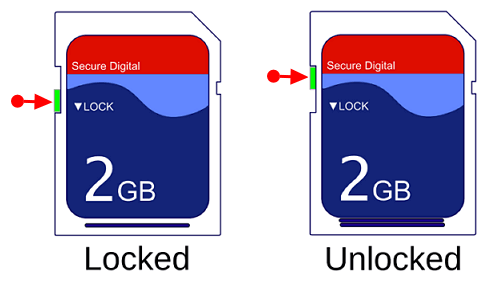
#2. Check if the Physical Switch of SD Card Is Locked
If the physical switch on the SD card is at the Lockside, slide the switch to the Offside.
#3. Check If the SD Card Reader Is Broken or Not Inserted to Mac Correctly
- Check that the SD card is correctly inserted into the SD card reader. If it's not, try reinserting it.
- Check if the SD card reader is functioning with a new SD card. If not, replace it with a new SD card. If the issue persists, the problem might be with the SD card reader itself, and it may need to be replaced.
#4. Check If SD Card Shows Up in Disk Utility
- To open Disk Utility, press Command + Space bar, type "disk utility" in the Spotlight Search menu, and hit Return.

- Check the left menu and see if you can find the SD card.
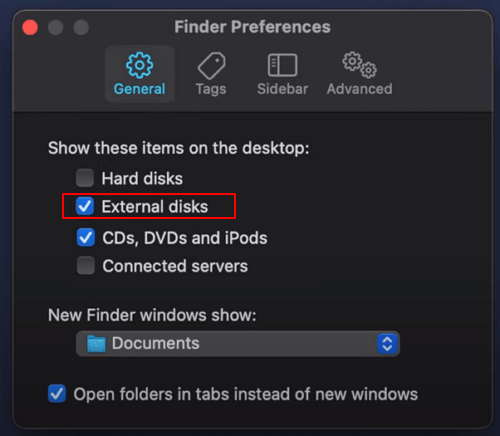
- If the "Show these items on the computer" option is not enabled, you can find it in Finder > Preferences > General. Check the box next to "External disks" to enable it.
#5. Reboot Mac Computer
When you restart your Mac, you might be able to see the SD card and access its files.
If the SD card is not physically damaged but still not showing up on Mac after trying the quick fixes, a high reason is that the card is corrupted. To fix the corrupted SD card, users can try Disk Utility, which is a built-in tool in Mac. To do this, users need to boot their Mac in Recovery Mode, then select Disk Utility from the Utilities window.
4. Full Fixes for SD card not detected Mac (Big Sur, Catalina)
To resolve the issue of an SD card being undetectable on a Mac, you can try the following fixes. First, ensure the SD card is properly ejected from the Mac. Next, try using a different SD card reader or slot on the Mac to rule out hardware issues.
Fix 1. Unmount and Remount SD Card
Step 1.Connect the SD card to your Mac computer. Press the Command key and the Space bar to open the Disk Utility app.
Step 2. Type disk utility in the Spotlight Search menu and press Return.
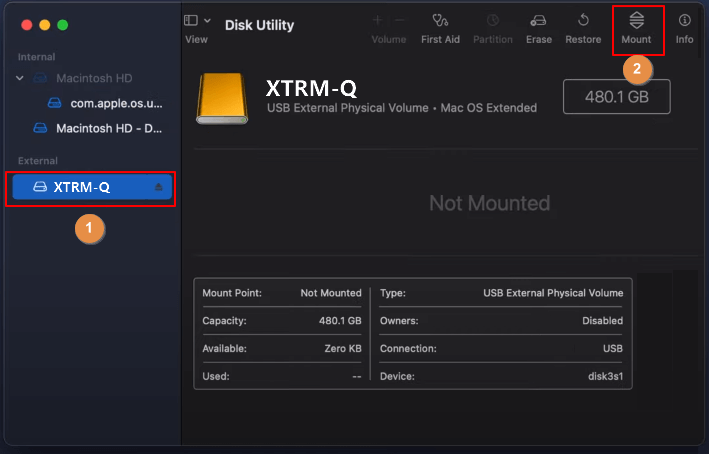
Step 3. Select the SD card on the left pane, click Unmount.
Step 4. Again, renter Disk Utility, select the SD card, and click Mount.
Fix 2. Run First Aid to Repair SD card
Step 1. Open Disk Utility in the same way as explained earlier.
Step 2. Select the SD card and click First Aid. Then click Run to confirm and repair the SD card.
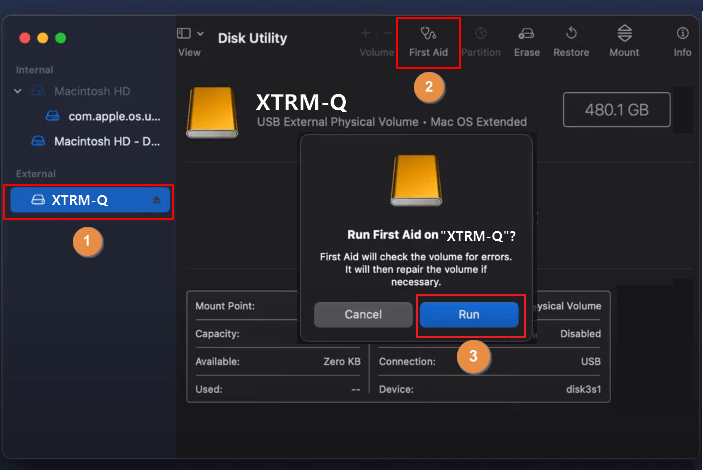
Step 3. Click Done to finish the repairing process.
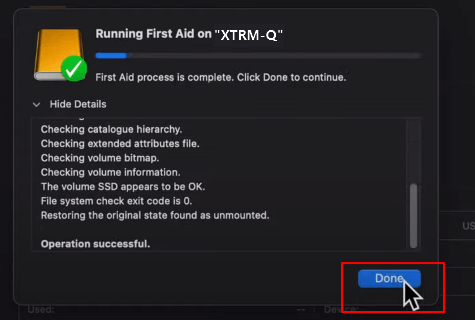
Step 4. Close Disk Utility and restart Mac.
When you're experiencing issues with your SD card, try reconnecting it to your Mac. This will allow you to check if all files on the card are accessible.
Fix 3. Repair Disk Permissions for SD card
Unfortunately, the "repair disk permission" feature is no longer available on Mac OS 10.11 and later macOS versions. If you're running the latest macOS, you may want to try the next fix for assistance.
Step 1. Open Disk Utility by typing Disk Utility in Spotlight and hit Return.
Step 2. Click on your SD card on the left pane, and click on First Aid at the top menu.
Step 3. Click Repair Disk Permissions under the drop-down sheet.
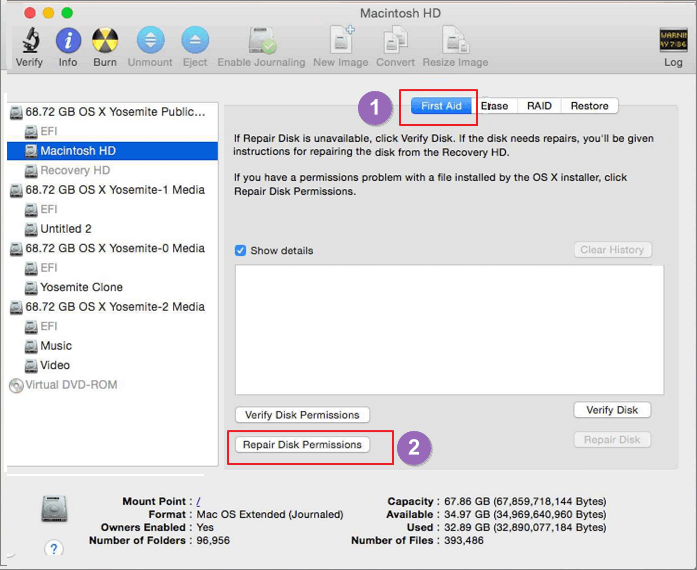
If you are on a new macOS, you can try the following tips to ignore the ownership of files in your SD card:
Step 1. Select the SD card, choose File > Get Info.
Step 2. Expand Sharing & Permissions, select Ignore ownership of this volume.
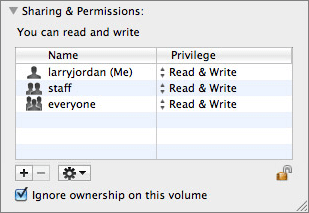
Once you're done, simply reboot your Mac, and upon restarting, reinsert the SD card. This should allow your Mac to detect and recognize the SD card again.
Fix 4. Format SD card
Formatting your SD card will erase all saved files on your SD card. Therefore, make sure that you will follow the next guide to scan and recover all essential files from your SD card after making it show up on Mac.
Step 1. Insert the SD card into your Mac.
Step 2. Open Disk Utility with Spotlight Search.
Step 3. The SD card on the left pane should be selected, and then the top menu's Erase option should be clicked.
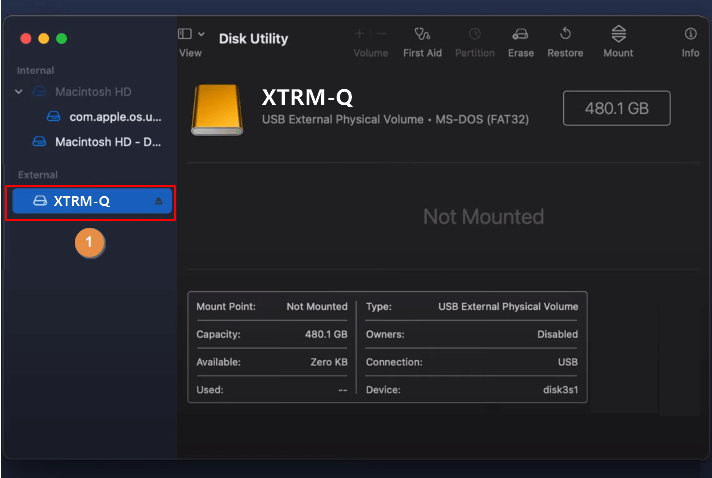
Step 4. Choose FAT32 (32GB or smaller size) or exFAT (64GB or larger size) as the new format for the SD card.
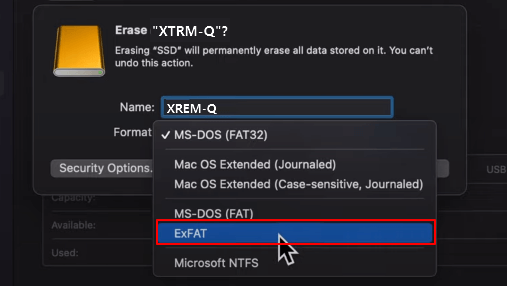
Step 5. Click Erase to confirm the operation.
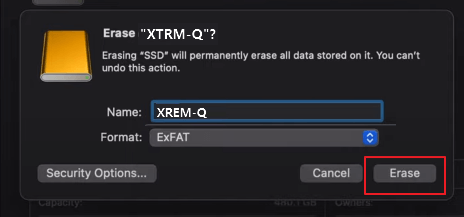
Once the process is complete, your SD card will be readable again on a Mac computer.
You May Also Like:
External Hard Drive Not Showing On Mac
If your external hard drive is not showing up on your Mac, try restarting your Mac, checking the drive's connection, and ensuring it's formatted for Mac. You can also try using the Disk Utility app to repair the drive, and if that doesn't work, use the Terminal to reset the drive's permissions. If none of these steps work, try using a different USB port or cable, and if the issue persists, the drive may be faulty and need to be replaced.
5. Recover Lost Files from SD Card after Making It Detectable on Mac
If you accidentally erase files on your SD card while formatting it on your Mac, don't panic. Stop using the SD card and use reliable Mac file recovery software like Deep Data Recovery for Mac to maximize your chances of recovering your lost files.
Step 1. To recover data from your memory card, connect it to your Mac, launch Deep Data Recovery for Mac, select the desired file types, and click "USB/SD Scan" to begin the recovery process.

Note: You can choose different search modes based on where and why the data was lost.
Step 2. Select the card and click "Scan" to let the software search for lost files on it.

Step 3. After scanning, all files will be displayed in the left panel of the scan results.

Step 4. Select the files you want to recover and click the "Recover" button. To avoid data overwriting, do not save the recoverable files to the SD card itself.
After the SD card recovery, your SD card is now detectable on Mac and you can save files to the SD card again.
6. Tips to Prevent SD Card from Not Detected/Not Showing Up on Mac
With the solutions mentioned, you should be able to successfully fix the SD card not detected or not showing up error on Mac. Additionally, some bonus tips can help protect your SD card from not detected, not recognized, or not showing up error on Mac.
Let's see:
- Format new SD card on Mac immediately.
- Safely eject SD card from Mac computer.
- Reserve some available space, don't use up all free space.
- Shut down or close devices before SD card removal.
- Put up SD card properly.
- Stop using the SD card immediately once an error occurs.
- Run antivirus software regularly.
Conclusion
The SD card not detected on Mac error can be resolved using various effective solutions, including troubleshooting the SD card reader, checking for physical damage, updating the operating system, and using third-party software to repair or format the SD card. (Note: I removed the "shortly" part as it's not a sentence)
Here is the right sequence of fixing this issue offered by Qiling data recovery experts:
- First, check the SD card connection issue.
- Next, repair the corrupted SD card.
- If the card still doesn't show up, erase and reformat it.
- If some files were lost during the formatting process, recover them using file recovery software like Deep Data Recovery.
Related Articles
- How to Show Hidden Files on Mac
- APFS Data Recovery: How to Recover APFS Files on Mac/Windows
- Mac Audio File Recovery: 3 Steps to Recover Deleted/Lost Audio Files
- How to Recover Data from Macintosh HD Data
- Corrupted HTML File Recovery Solutions (Online & Offline)
Here, you can recover corrupted HTML files through an online file repair website and offline file repair software, specifically Deep Data Recovery. - Data Recovery Software with Original File Names [Full Guide]
If you're trying to recover lost data with original file names, Deep Data Recovery software is a professional solution that can effectively assist you in retrieving data and files with their original names.
Products
Articles & Tutorials
- Data Recovery
- Data Backup
- File Recovery
- File Backup
- System Backup and Restore
- Disk and Partition Clone
- Technical articles
- Mobile articles
- Disk Master Help
- Windows Data Recovery Tutorials
- Windows Secure Delete Tutorials
- Windows Partition Management Tutorials
- Windows File Backup and Restore Tutorials
- Windows System Backup and Restore Tutorials
- Windows Disk Backup and Restore Tutorials
- Windows Clone Tutorials