How to Factory Reset iPhone Without Passcode or iTunes
To perform a factory reset on a locked iPhone without iTunes, you can restore it from iCloud, which will erase all data and settings, or use Apple's Find My iPhone feature to remotely wipe everything, including the password. If Find My iPhone is not enabled, a third-party unlock tool may be used to achieve the same result.
For more details about how each solution works, you can read our post to get it.
- Solution 1. Factory Reset iPhone without Passcode or iTunes Using an Unlock Tool
- Solution 2. Factory Reset iPhone without Passcode or iTunes via iCloud
- Solution 3. Factory Reset a Locked iPhone without iTunes via Find My iPhone
- Bonus Tip. Factory Reset iPhone without Password Using iTunes
Solution 1. Factory Reset iPhone without Passcode or iTunes Using an Unlock Tool
You can factory reset your iPhone using the reliable iPhone unlock tool, Qiling MobiUnlock, which can also serve as a reset tool. This tool will erase everything from your iPhone and restore it to factory settings during the unlocking process, allowing you to start fresh. Its main features include:
- Easy to use.
- Quick to reset the iPhone to factory settings.
- The app is available for download on all iOS devices, including iPhone, iPad, and iPod touch.
- Fully compatible with most iOS versions.
To factory reset your iPhone without a passcode or iTunes using Qiling MobiUnlock, you can follow these steps. First, download and install Qiling MobiUnlock on your computer.
Step 1. Plug your iPhone, iPad, or iPod into the computer with a USB cable and open Qiling MobiUnlock. Select "Unlock Screen Passcode" from the main screen.
Step 2. After your device is detected by Qiling MobiUnlock, click on the "Start" button.
Step 3. Click "Next" to download a suitable firmware for your device, or click "Select" to choose from previously downloaded firmware options.
Step 4. After downloading the firmware, click "Unlock Now" to proceed. In a new warning window, enter the required information in the box and click "Unlock" again.
Step 5. The iPhone or iPad will be completely erased and returned to its original factory settings after the unlock process is complete. This will remove all data, including personal information, apps, and settings. The device will then be restored to its default settings, similar to when it was first purchased.
Solution 2. Factory Reset iPhone without Passcode or iTunes via iCloud
If you've backed up your iPhone to iCloud, you can factory reset your device by restoring it from iCloud. To do this, prepare your iCloud account and follow the steps to restore your iPhone. This will allow you to achieve the goal of factory resetting your device.
Step 1. Visit iCloud.com on your computer.
Step 2. To regain access to your iPhone, you need to use the same Apple ID that was used on the device when it was locked. This means you'll need to enter the Apple ID password and password recovery information, if prompted, to verify your identity.
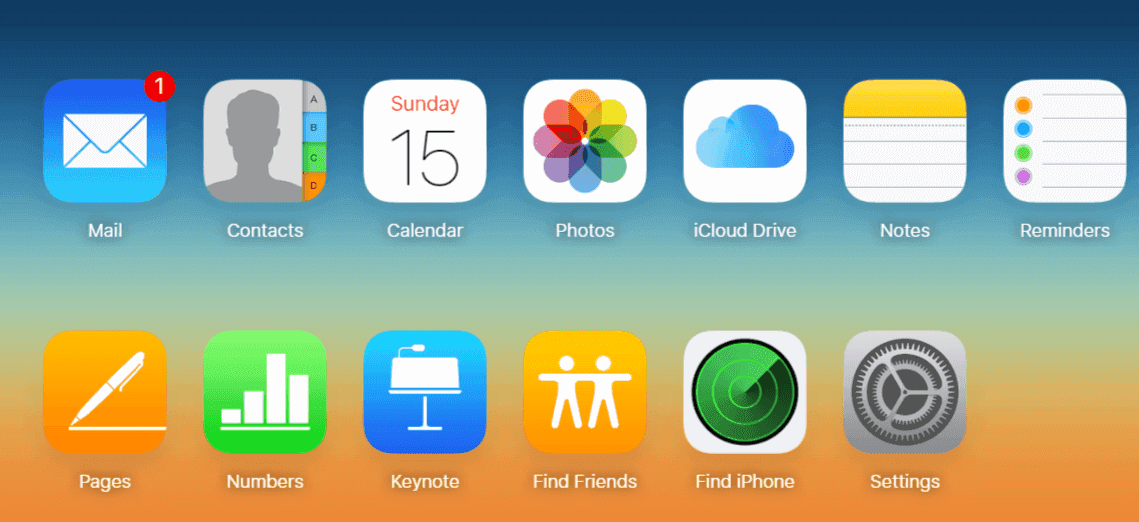
Step 3. From the main page of icloud.com, choose "Settings."
Step 4. Choose "Restore."
Step 5. Choose the latest backup you made and click "Restore."
Solution 3. Factory Reset a Locked iPhone without iTunes via Find My iPhone
You can also factory reset your iPhone using Apple's Find My iPhone feature, which is a convenient option that doesn't require iTunes or a passcode. To do this, you'll need to access the feature and follow the prompts to reset your iPhone.
- To enable Find My iPhone, go to Settings > [your name] > Find My > Find My iPhone, and turn it on.
- If you've forgotten your Apple ID or password, try to resolve the "Forgot iPhone passcode" issue first before performing a factory reset.
- To prepare a computer or a device that has an internet connection, first, ensure that the device is turned on and the operating system is loaded. Next, check that the internet connection is active and stable.
- To complete the sign-up process for your Apple ID on the browser, prepare another trusted device that can receive the verification code sent by Apple. This is a security measure to ensure your account remains secure.
Step 1. Open iCloud.com from a browser.
Step 2. Enter your Apple ID and password.
Step 3. Click on the "Find iPhone" icon.
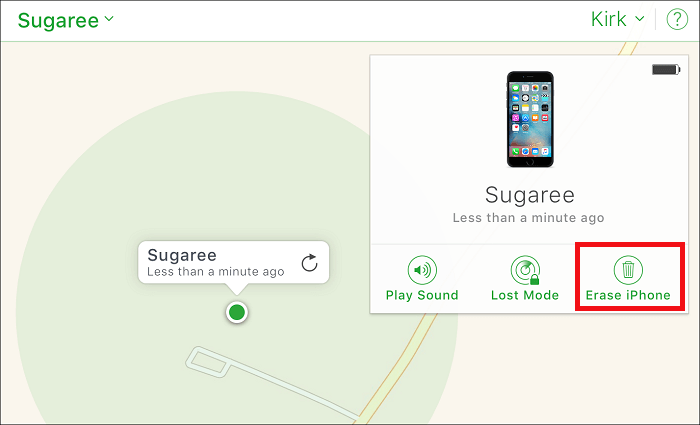
Step 4. To reset a device, select it from the list of available devices in the drop-down menu.
Step 5. On the new screen, click on "Erase iPhone."
Step 6. Then, your device will be automatically reset to factory settings.
If there's no computer available, you can use your iPhone's built-in Find My iPhone app to locate your device. To do this, you'll need to access the app, which can help you find your iPhone even if it's offline or out of range. This feature is a convenient alternative to using a computer, making it easy to locate your device without needing a computer.
- Make sure you have activated the "Find My iPhone" feature on your iPhone.
- Prepare for another Apple device.
- Remember your Apple ID and Password.
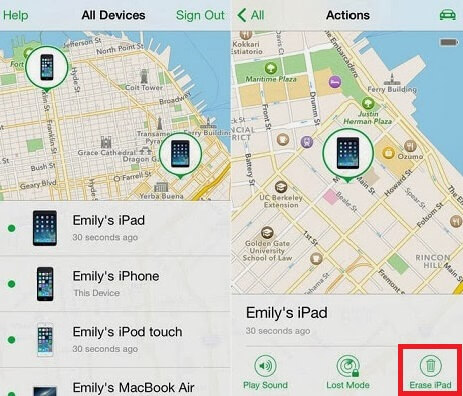
Step 1. Launch Find My iPhone app on a different iPhone or iPad.
Step 2. To log in to the app with your Apple ID and password, simply enter your Apple ID and password in the designated fields. Your Apple ID is the email address associated with your Apple account, and your password is the secret code you created to access your account.
Step 3. Click on the name of your device that you want to reset.
Step 4. Tap "Erase iPhone" to confirm the action and reset your device.
Step 5. After that, your iPhone will be reset.
Extra Solution. Factory Reset iPhone without passcode/password using iTunes
If you've synced your iPhone with iTunes in the past and now have access to iTunes, you can use it to reset your iPhone, but this will erase all existing data.
Step 1. Connect your iPhone to your computer with a USB cable.
Step 2. Open your iTunes (make sure it is the latest version).
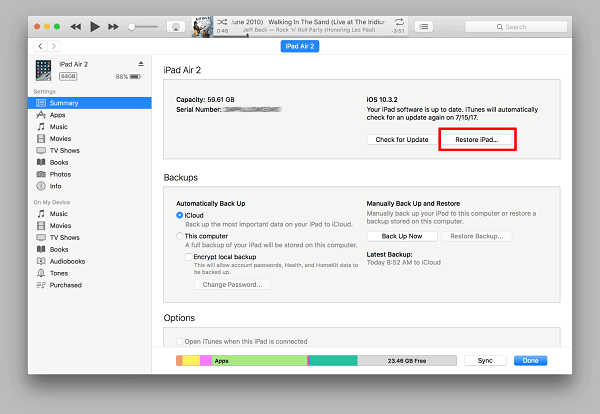
Step 3. Click "Summary" under the Settings.
Step 4. Click "Restore iPhone" at the right-side panel.
Step 5. A window will pop up asking you to Restore or Cancel the process, click "Restore".
Step 6. Then, tap the "Next" and "Agree."
Step 7. Wait for iTunes to restore your iPhone.
The Bottom Line
This guide covers all possible solutions to factory reset your iPhone 5/6/7/8/X/XR, with Qiling MobiUnlock being the top-recommended method for factory resetting without a passcode or iTunes, offering a high-speed unlocking experience.
Related Articles
- [Solved] How Do I Factory Reset My iPhone 6 Without Passcode
- 2 Ways to Unlock a Found or Lost iPhone
- How to Unlock iPad without Passcode with or without Computer [Updated]
- How to Bypass Apple ID in 4 Ways - Detailed Tutorial
Products
Articles & Tutorials
- Data Recovery
- Data Backup
- File Recovery
- File Backup
- System Backup and Restore
- Disk and Partition Clone
- Technical articles
- Mobile articles
- Disk Master Help
- Windows Data Recovery Tutorials
- Windows Secure Delete Tutorials
- Windows Partition Management Tutorials
- Windows File Backup and Restore Tutorials
- Windows System Backup and Restore Tutorials
- Windows Disk Backup and Restore Tutorials
- Windows Clone Tutorials