How to Format SSD with OS on It [Reliable Solution] - Qiling
"You cannot format this volume", Can I?
When trying to format a drive that contains the Windows operating system, a common error "You cannot format this volume" may occur due to the presence of system files on the drive, making it impossible to erase them.
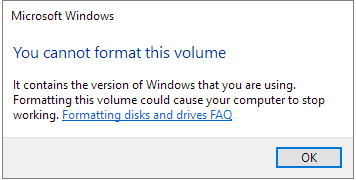
The error may be caused by the drive being set to read-only mode, which prevents formatting. Alternatively, the drive may be in use by the Windows operating system, making it inaccessible for formatting. In either case, a different tool would be required to format the drive.
Fortunately, this error sounds challenging. You can overcome it with a user-friendly format tool - Qiling Disk Master.
Reliable SSD Format Tool - Qiling Disk Master Format
What you can get: To safely format an SSD with an operating system installed, you'll need a specialized tool that can create a bootable media to reformat the drive without losing any data. This ensures a secure and complete wipe of the drive, allowing you to start fresh with your operating system and other software.
Formatting an SSD is a more complex process than formatting an HDD, and using the wrong tool can result in data loss or damage to the drive. However, with a reliable SSD format tool like Qiling Disk Master, you can quickly and easily format your SSD without any risk of data loss or damage to the drive.
Qiling Disk Master supports almost all SSD brands, including Samsung and M.2 SSDs, on the market. The software is easy to use - simply download and install it, launch it, and follow the on-screen instructions. With just a few clicks, you can format your SSD and have it ready to use. So, get started today with Qiling Disk Master.
Any questions before formatting? Read on:
How to Format SSD with OS on It
Phrase 1: Create a Bootable Media
Prepare a USB drive with sufficient space for the computer to boot from it.
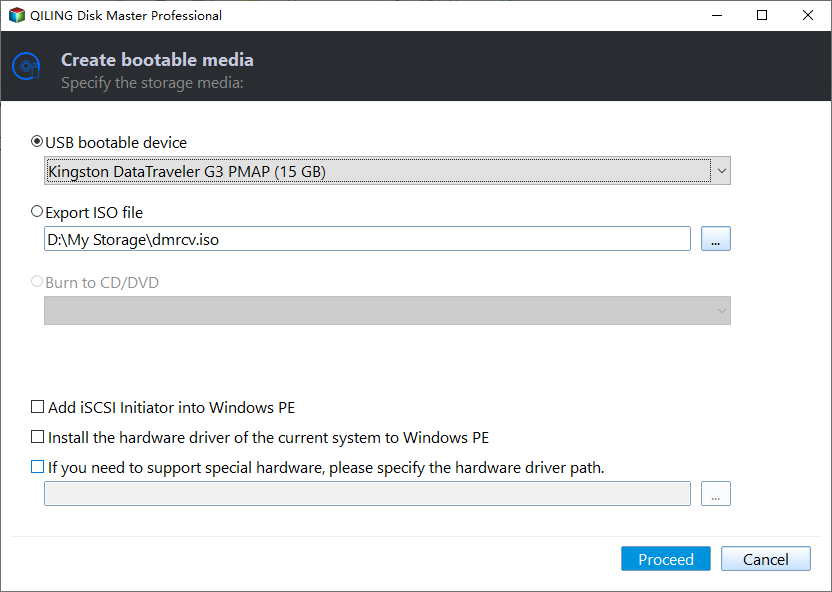
Step 1. To create a bootable disk of Qiling Disk Master, prepare a storage media like a USB drive or CD/DVD disc, and connect it to your computer.
Step 2. Launch Qiling Disk Master, and find the "Create Bootable Media" feature on the tools tab. Click on it.
Step 3. You can choose to save the ISO file to a USB, CD/DVD, or a local drive, and then proceed with the process.
- Check the Warning message and click "Yes".
Step 4. When the process is complete, a pop-up window will appear, asking if you want to restart your computer from the bootable USB.
Note: To use the bootable disk on a new PC, simply restart the target computer, press F2/F8/Del key to enter BIOS, and set the USB bootable disk as the first boot disk.
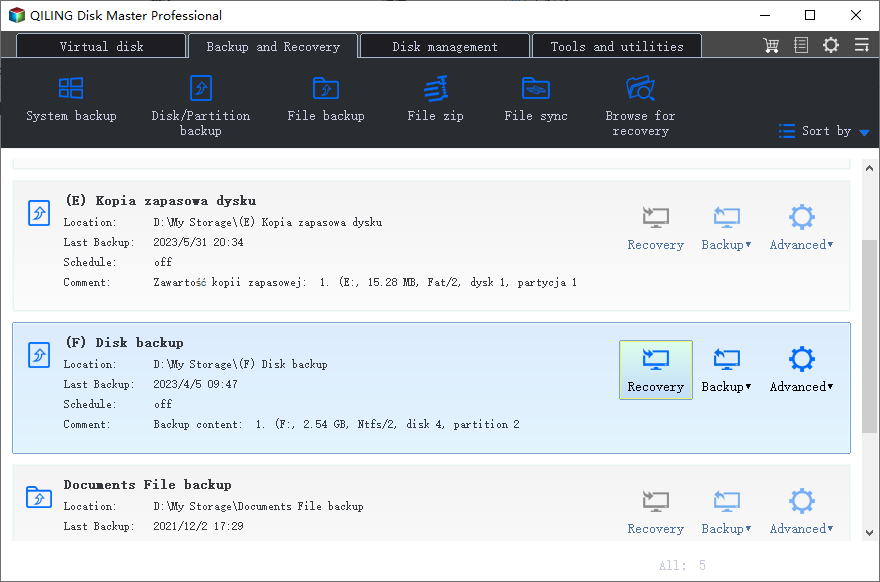
Your computer will automatically boot up from the USB bootable media and enter the Qiling WinPE desktop once you wait patiently.
Phrase 2. Change Boot Priority to Bootable USB
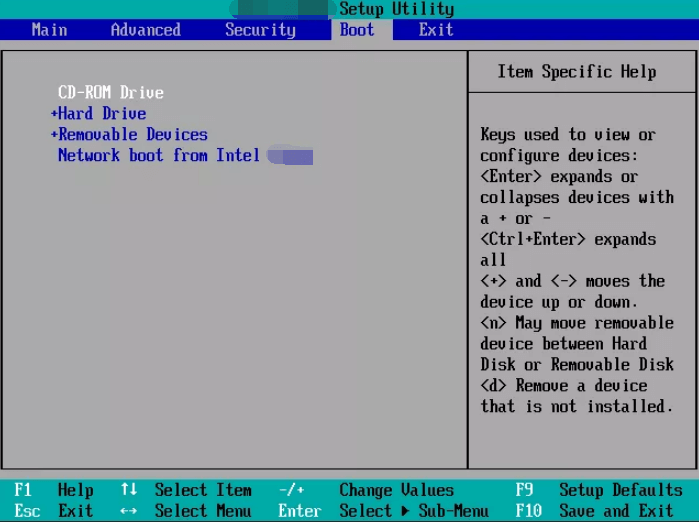
1. To access the BIOS settings, simply reboot your computer and hold down the F2 or Del key (depending on your computer model) as it boots up. This will allow you to enter the BIOS setup and make any necessary changes.
Note: If you're having trouble entering the BIOS settings on your HP, Dell, Lenovo, Acer, or Asus laptop or desktop, there are some general steps you can try. First, ensure that your computer is turned off. Next, locate the key combination specific to your device - this can be F2, F12, Del, or Esc, depending on the manufacturer.
2. Use the arrow key to select the Boot tab.
3. Select Removable devices. Press Enter to select.
4. Press F10 to save and exit.
Phrase 3: How to Format SSD from USB
After rebooting your computer, you can continue formatting the SSD using Qiling Disk Master.
Step 1. Right-click the hard drive partition and choose the "Format" option.
Step 2. In the new window, set the Partition label, File system, and Cluster size for the partition.
Step 3. To start formatting the hard drive partition, click the "Proceed" button. This will initiate the formatting process, which will erase all data on the selected partition.
Step 4. You can see a warning window, click "Yes" to continue.
Format SSD with OS on It FAQs
1. Can you reformat an SSD with an OS on it?
Reformating an SSD with an OS on it is not recommended as it can result in data loss.
If you reformat the OS-You cannot format an SSD that contains the Windows operating system from File Explorer because it will cause a "fail to boot" error.
To reformat an SSD with an operating system on it, you'll need to use third-party software to create a bootable USB drive, which will allow you to start the formatting process.
2. Can you format a drive with an OS on it?
Formatting a drive with an operating system installed will erase all data, including the OS, and you'll need to reinstall it afterwards.
3. Does formatting SSD delete OS?
If you format a drive with an operating system, your computer will alert you and ask for confirmation before proceeding with the format. This is a built-in safety feature to prevent accidental data loss. You'll have the opportunity to cancel the format process if you change your mind.
4. How do I wipe my SSD but keep OS?
You can wipe SSD but keep OS by Settings:
- Open Settings.
- Go to Update & Security".
- Select Recovery from the left pane.
- Under Reset this PC, click Get Started.
- You can see options on the screen - Keep my files and Remove everything. Select Remove Everything.
- Select next, click reset, then wait for completion.
Related Articles
- Best Solution to Resize FAT32 Partition Without Losing Data
- (10 Quick Access) How to Open Command Prompt in Windows 10
- How to Fix Computer Stuck on Restarting | 2026 Hot Ways🔥
- How to Install Windows 10 from USB Drive [2023 Newest Guide]
- 5 Best SD Card Formatter FAT32 Free Download for Windows
This page collected 5 reliable SD card formatter software that helps you to format all types of SD cards to FAT32 for free. Follow to download the best free SD Card formatter FAT32 software and set the desired file system to your SD card on Windows now. - How to Perform SD Card Lifespan Test
This guide provides a comprehensive overview of performing an SD card lifespan test, including expert insights and practical steps, as well as discussing various factors that affect an SD card's lifespan.
Products
Articles & Tutorials
- Data Recovery
- Data Backup
- File Recovery
- File Backup
- System Backup and Restore
- Disk and Partition Clone
- Technical articles
- Mobile articles
- Disk Master Help
- Windows Data Recovery Tutorials
- Windows Secure Delete Tutorials
- Windows Partition Management Tutorials
- Windows File Backup and Restore Tutorials
- Windows System Backup and Restore Tutorials
- Windows Disk Backup and Restore Tutorials
- Windows Clone Tutorials