How to Install Windows 10 from USB Drive [Step-by-Step]
Installing Windows 10 on your new computer or drive has several methods, including using a bootable USB to install the operating system. This is a great option when you don't have a CD or DVD drive. This guide will describe two ways to create a USB drive from a Windows installation ISO file and install Windows 10 from USB, providing step-by-step instructions for a seamless setup process.
View the Necessary Information to Install Windows 10 from USB:
| ⏱️Duration | About half an hour |
| 💻Supported system | Windows 11 |
| ⛑️Preparation | USB, ISO file, Bootable USB tool |
| 🧑💻Difficulty |
✔️[Easy] Install Windows 10 from USB via Qiling Disk Master ✔️To install Windows 10 from a USB drive, use the Windows Media Creation Tool. This tool allows you to create a bootable USB drive that can be used to install Windows 10 on a computer. |
| 👣Steps |
Step 1. Set the Active Partition After Formatting the Drive |
- Important
- The solution for this guide is derived from Microsoft's official method for installing Windows from a flash drive, but we provide a more detailed and comprehensive guide. You can fully rely on this tutorial.
What Is Required to Install Windows 10 from USB
Before installing Windows 10 from USB, ensure you have prepared the necessary steps: insert the USB drive into your computer, boot from the USB drive, and follow the on-screen instructions to install Windows 10. Ensure your computer meets the system requirements, such as having enough storage space, RAM, and a compatible processor.
- Download Windows installation media from Microsoft: Windows 10 download
- To prepare a USB with at least 8GB of free space, first, ensure the USB is empty and has no important information on it. You can either delete all files on the USB or format it to remove any existing data.
- A free computer to format the USB.
- A new PC for installing Windows 10.
- Qiling Disk Master is a tool that allows users to burn a Windows ISO file to a USB drive, making it a convenient option for those who need to install Windows on a new computer or upgrade an existing one.
Then let's start installing Windows 10 from USB by following these steps. Read the article below if you don't know where to install Windows.
Run Qiling Disk Master
Before starting, download the professional Windows bootable tool Qiling Disk Master, which provides a full solution for installing Windows 10, including formatting drives, ISO burning, and bootable USB creation, helping to save time and effort.
Then refer to the following steps:
Step 1. Set the Active Partition After Formatting the Drive
To format a USB drive to FAT32 for burning ISO files, you can use Disk Management, CMD, or a USB formatting tool.
Step 1. Launch Qiling Disk Master, then right-click the partition you intend to format and select "Format".
Step 2. Enter the partition label, select the file system (FAT32/EXT2/EXT3/EXT4), and set the cluster size according to your needs in the new window.
Step 3. Review the changes, then click "Proceed" to continue.
Step 4. To format a partition to FAT32, EXT2, EXT3, or EXT4, you will see a warning window after clicking "Yes" in it, indicating that you are about to erase all data on the partition. Click "Yes" to proceed with formatting the partition to the desired file system.
And you can also refer to the following steps to try the manual method:
- Choose "Disk Management." by clicking the Windows icon.
- Select FAT32 format with a right-click on the target drive.
- Right-click on the drive partition and mark it as active
If the partition is marked as active and not available, use diskpart to repair it.
Further Reading:
To install Windows on your Steam Deck in 2026, you'll need to follow a series of steps. First, ensure your Steam Deck is running the latest firmware and that you have a compatible version of Windows 10 or 11. Next, download and install the Rufus tool, which will help you create a bootable Windows USB drive.
Want to install Windows OS on your Steam Deck? This post provides a detailed guide, including a step-by-step tutorial, to help you achieve this.
Step 2. Burn Windows ISO File to USB
To install Windows on a new computer, we need to burn the Windows ISO file to a corresponding USB drive. Unlike a simple copy and paste, burning an ISO file requires a free ISO burner, such as Qiling Disk Master, which is easy to use. To do this, follow the steps to burn the ISO file to the USB drive.
To use the USB as an installation disk, burn the ISO file using Qiling Disk Master, a tool that helps manage your calculator and drive. Once the burning is done, you can install Windows 10 on a new PC without an operating system. This process is simple, and the tool will assist you in managing your drive better. You can also share the tool with friends if you find it helpful.
Step 3. Install Windows on Your New Computer
To install Windows 10 on another computer, create a bootable USB drive by burning the ISO file to a USB drive using a tool like Rufus. Once the USB drive is ready, you can install Windows 10 on the target computer. Before starting, ensure the computer meets the minimum system requirements for Windows 10, which include a 1 GHz CPU, 1 GB RAM for 32-bit systems or 2 GB RAM for 64-bit systems, 16 GB free disk space, and a compatible graphics card. With the USB drive and a computer meeting the requirements, you can proceed with the installation.
- Processor: 1GHz or faster
- RAM: 32-bit 1GB or 64-bit 2GB
- Storage: 16GB 32-bit or 20GB 64-bit
- Graphics: DirectX 9 or higher with WDDM 1.0 drivers
- Display: 800 x 600
Then follow these steps to install Windows 10 from USB:
- Insert the USB with the installation files into the PC, and set the boot sequence to boot from the USB by pressing and holding Esc/F10/F12.
- The Windows installer starts and installs Windows 10 through the installation screen wizard. During the installation process, a product key pop-up window appears, prompting you to enter your Windows 10 license key.
- After installing the software, check for Windows updates by going to Settings, then clicking on Updates & Security, and finally selecting Windows Update.
- Remove the USB drive.
Now that you've completed these steps, you're ready to install Windows 10 on your computer. You've prepared your computer, created a bootable USB drive or CD/DVD, and backed up your files.
You May Also Like:
Use Windows Media Creation Tool
If you want to use the Windows Media Creation Tool to install Windows 10, please follow the first part to prepare. Then download the Windows 10 tool and continue reading the guide in this section.
Note: To create a bootable USB using the media creation tool from Microsoft, follow these steps. The tool is a reliable method for creating a bootable USB.
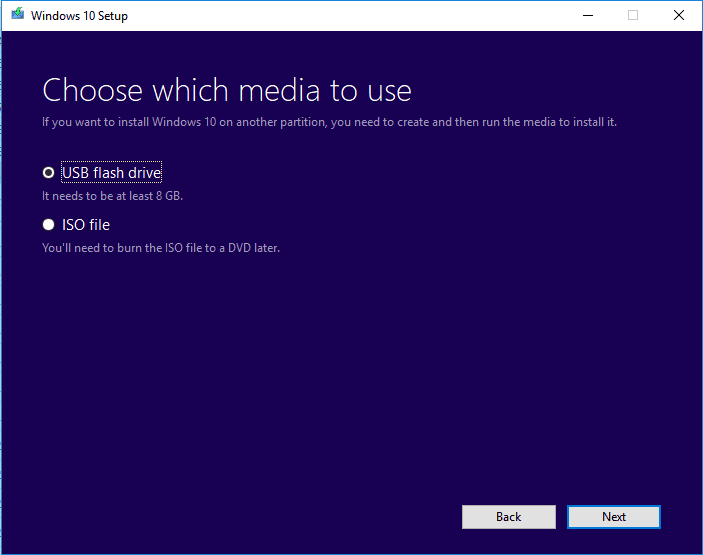
Step 1. To create Windows installation media, run the Windows installation media as an administrator and select the option to "Create installation media for another PC." This will allow you to create a USB drive or CD/DVD that can be used to install Windows on another computer.
Step 2. Select the Windows version and architecture (64-bit or 32-bit).
Step 3. To install Select Media Tools, follow these steps: download the Windows installation files from the official website onto your USB drive. The files will then be downloaded to your USB drive.
Read Also: Install Windows 10 on Second Hard Drive
After creating the bootable USB, burn the Windows 10 file to the USB:
Step 4. Find the location where you saved the ISO file.
Step 5. To access the properties of an ISO file, select it, right-click, and choose "Properties". Then, go to the "General" tab, click "Change", and Windows Explorer will open, allowing you to navigate to the desired location to save the ISO file.
Step 6. Right-click on the ISO file and burn it.
To install Windows 10 using the Media Creation Tool, download the tool from Microsoft's official website, run it, and select the "Create installation media for another PC" option. Choose the language, architecture, and edition of Windows 10 you want to install, and select the USB drive or DVD as the installation media.
Step 7. Connect the USB to the new computer.
Step 8. Open the Computer Boot Device and select USB Boot.
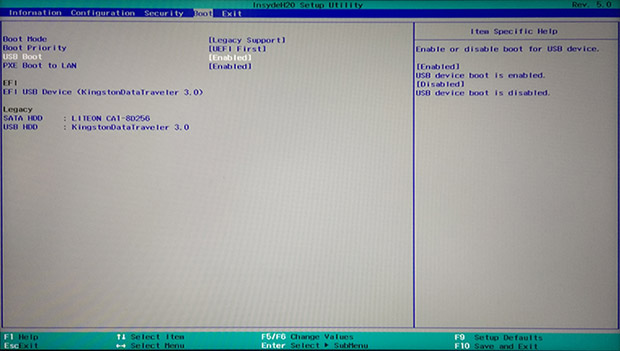
Step 9. Follow the on-screen instruction to complete the Windows 10 installation.
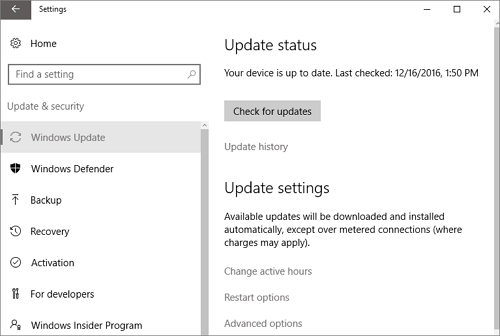
Step 10. To check for updates, go to Settings, then select Update & Security, and finally Windows Update.
Further Reading: Boot Windows from SD Card
Apply USB Troubleshooting
The Windows USB drive is formatted as FAT32, which has a file size limit of 4 GB, which can cause issues when installing Windows 10 from USB, as the installation files can exceed this limit, potentially leading to errors or incomplete installations. This can be resolved by formatting the USB drive to a larger file system, such as NTFS, which has a much higher file size limit, allowing for larger installation files to be stored and reducing the risk of errors during the installation process.
1. Unable to burn Windows ISO files
You cannot burn ISO files to USB on Windows due to a USB limitation. To fix this, you can use a tool like Rufus to create a bootable USB drive from an ISO file, or use a virtual machine software to run the ISO file as if it were a physical drive. This way, you can still use the ISO file's contents without having to burn it to the USB drive.
- Copy all files from the Windows ISO (sources\install.wim) to the USB drive, excluding only the Windows image file itself. This can be done by dragging and dropping the files or using a command, where the ISO is installed on drive D: and the USB flash drive is on drive E:.
robocopy D: E: /s /max:3800000000
- Split the Windows image file into smaller files and put the smaller files on the USB drive:
Dism /Split-Image /ImageFile: D:\sources\install.wim /SWMFile: E:\sources\install.swm /FileSize:3800
2. Unable to download Windows 10 ISO file
You may encounter an error similar to Windows 11 KB5026446 that prevents you from downloading Windows ISO files. Possible causes include VPN settings, insufficient disk space, a corrupted USB file system, and other factors, which can be troubleshooted one by one.
Installing Windows 10 from USB can be a complex process. If you encounter any issues, you can reach out to the technical support team for assistance via live chat or email at support@idiskhome.com.
Conclusion
You can install Windows 10 from USB using either a bootable USB to install Windows 10 or the Windows 10 media creation tool. To create a bootable USB, you can use EaseU Partition Master, which allows you to easily create a bootable USB and burn the Windows ISO files to the USB so that they can be installed.
If you want to install Windows without a USB, you can use Qiling Disk Master to migrate the operating system to a hard drive or solid state drive. If your computer fails to boot, the software offers additional fixes, such as repairing the Master Boot Record.
Install Windows 10 from USB FAQs
If you have other questions about installing Windows 10 from USB, please check the following answers to troubleshoot them one by one.
1. How to install Windows 11 on a new PC?
Here are three ways to install Windows 11 on a fresh PC:
- To migrate the OS to an SSD/HDD, you'll need to back up your existing files, then reinstall Windows 11 on the new drive. You can use the built-in backup tool or a third-party software to create a backup of your files, settings, and applications.
- Install Windows 11 by burning Windows ISO to a USB.
- Install using the Windows 11 Media Creation Tool.
If you want to install Windows 11 on a USB device, you can use either the Media Creation Tool or the Windows USB/DVD Download Tool. The Media Creation Tool is the recommended approach, and the simple steps to use it are below: open the tool, select the language and architecture of the Windows 11 version you want to install, and choose the USB drive as the destination. The tool will then create a bootable Windows 11 installation media on the USB drive.
- Step 1. Format the USB and set its primary partition as the active partition.
- Step 2. Burn the Windows ISO file to the USB drive.
- Step 3. Installing Windows 11 on the new machine is as simple as following the on-screen directions.
2. Why does a blue screen happen when installing Windows from USB?
If you're trying to install Windows from a USB drive but encounter a black or blue screen issue, it might be due to a hardware problem or a missing driver. To resolve this, you can try integrating the necessary drivers into the USB drive or start an automatic repair in the BIOS settings. This can help ensure a smooth installation process.
3. What is the best Windows 10 bootable USB tool?
If you're looking for a Windows 10 bootable USB tool, you'll want one that can burn a Windows ISO to a USB drive. Qiling Disk Master is a good option, as it allows you to create a bootable USB and burn ISOs, saving you time compared to using Windows media creation tools. This can also help you make a portable Windows 10 on USB more efficiently.
Related Articles
- How to Test Western Digital Hard Drive Speed [Full Guide in 2026]
- How to Install Windows 11 on New SSD (SATA/M.2/NVMe) 🔥
- Failed to Open Device Getlasterror()=32: Fix Guiformat Error [100% Working Guide]
- Best Answer: Format USB Drive to FAT32 or NTFS
- How to Wipe SSD for Reuse in Windows 11/10/8/7
How to wipe SSD for reuse? In this guide, you'll get the two best ways to wipe SSD for reuse. Hope they can be helpful to you. - How to Wipe Unallocated Space in Windows 10/8/7 [2 Efficient Ways]
This article discusses the importance of wiping unallocated space and provides two efficient methods to do so, including the use of a professional disk manager specifically designed for Windows.
Products
Articles & Tutorials
- Data Recovery
- Data Backup
- File Recovery
- File Backup
- System Backup and Restore
- Disk and Partition Clone
- Technical articles
- Mobile articles
- Disk Master Help
- Windows Data Recovery Tutorials
- Windows Secure Delete Tutorials
- Windows Partition Management Tutorials
- Windows File Backup and Restore Tutorials
- Windows System Backup and Restore Tutorials
- Windows Disk Backup and Restore Tutorials
- Windows Clone Tutorials