How to Move Desktop Folder to Another Drive on Windows and Mac in Simple Ways
On a Windows or Mac PC, user files and folders are stored in the C:Users folder, followed by the username, and include folders like Desktop, Downloads, Music, Documents, and Pictures.
You're running out of space on your primary C drive, so you're considering moving folders to another drive to free up space, which would allow you to use the valuable space on the system drive for games and apps that benefit from the performance and speed of the SSD.
If you have a large amount of data in your Desktop folder, it's a good idea to move it to another drive on your Mac or Windows computer. If you're unsure how to do this, we're here to help! This article will show you how to easily change the Desktop location on both Windows and Mac, making it simple to free up space and keep your files organized.
How to Move Desktop Folder to Another Drive on Windows in 2 Ways
If your Windows 10 PC is running low on disk storage space, consider moving the Desktop folder to a larger drive to free up space on your smaller partition or SSD.
You can change the Desktop location on a Windows PC in two ways. The first method involves using the default Windows 10 feature to move the desktop folder to another drive, while the second method utilizes a helpful tool to complete the process quickly and easily.
So, let's look at how each of them works!
1. Use the Properties Option
You can quickly move your Desktop folder to another drive in Windows 10 by using the Properties Option. This allows you to move specific folders, such as your Desktop, to a different drive, rather than moving all folders at once. This is a convenient way to free up space on your main drive and keep your desktop organized.
To change the Desktop location using the Properties option, follow these steps: Right-click on the Desktop and select Properties from the context menu. In the Desktop Properties window, click on the Location tab and enter the new path where you want to move your Desktop.
Step 1.To open File Explorer, click on the File Explorer icon on the taskbar or tap on the File Explorer icon in the Start Menu.
Step 2.To access the Desktop Properties, right-click on the Desktop folder in the left navigation panel of the File Explorer and select "Properties" from the context menu.
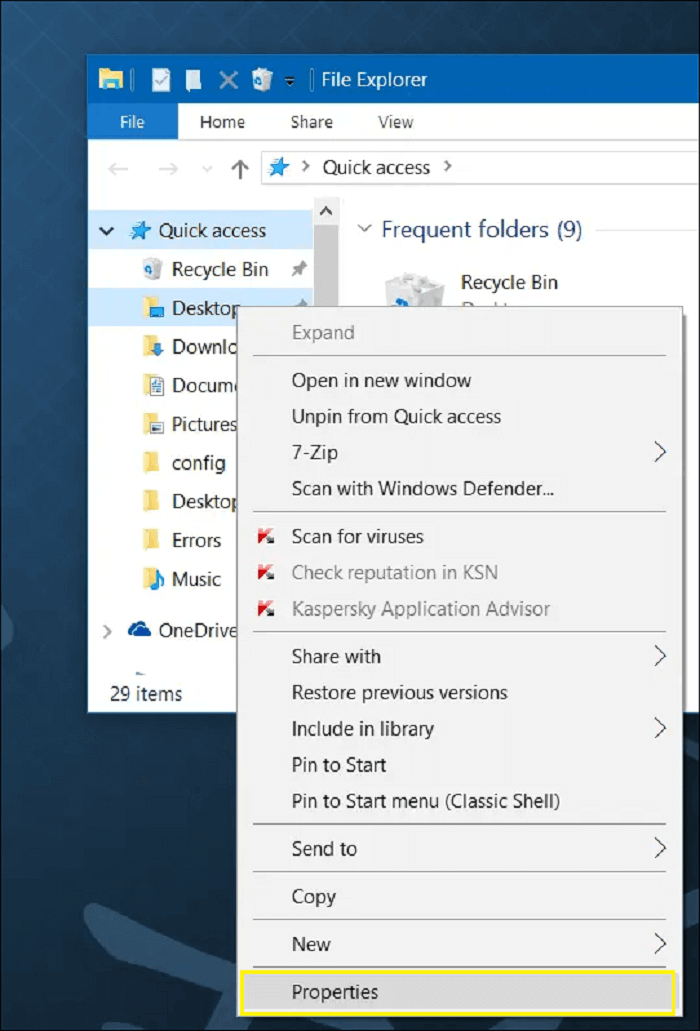
NOTE: You cannot move multiple folders at once.
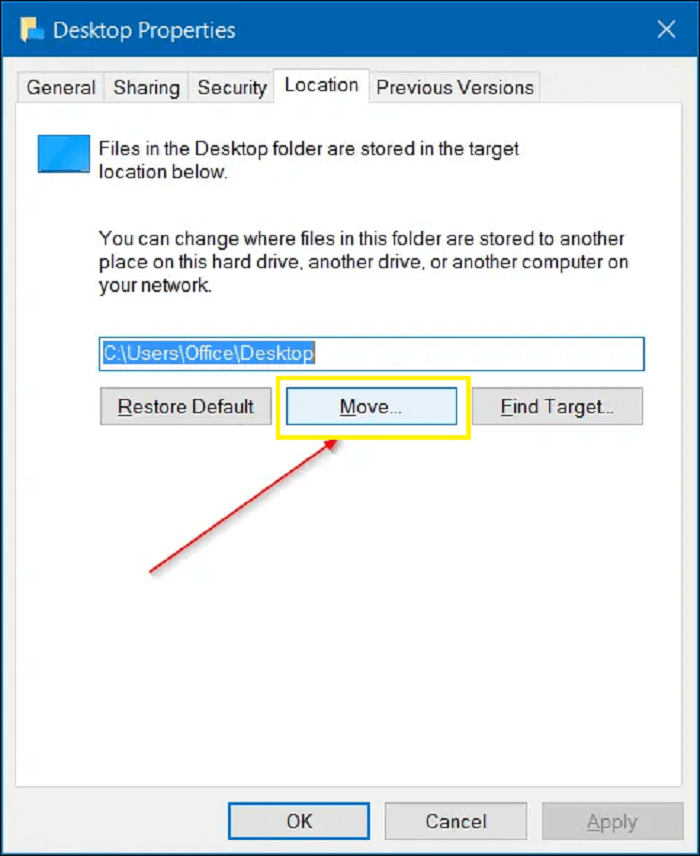
Step 3. Switch to the "Location" tab and click the "Move" button.
Step 4. Select a location on any drive, excluding external drives, and click "Select Folder" followed by the "Apply" button to relocate the Desktop folder to the new drive.
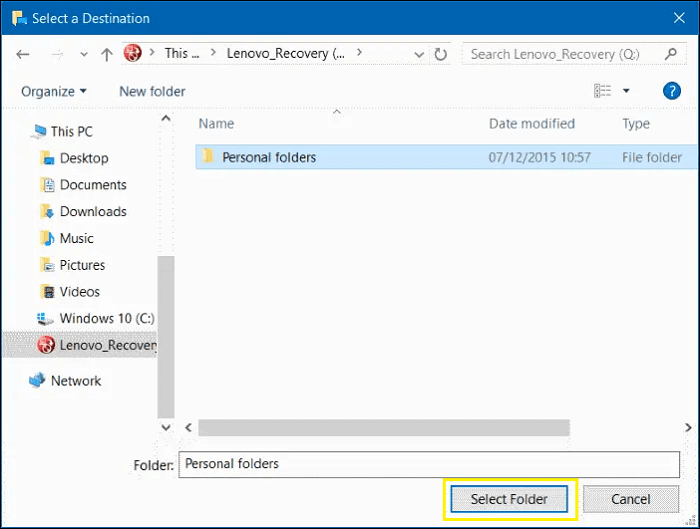
To move the desktop folder to another drive on a Windows PC, go to the desktop, right-click on the desktop folder, select Properties, click on the Location tab, and then click on Move. This will allow you to browse to the desired drive and select it as the new location for the desktop folder.
2. Use a Larger Folder Move Tool - Qiling Disk Master Free
If the above-If the previous method didn't work for you to change the Desktop location, you can try using a tool like Qiling Disk Master Free, which has a feature to move large folders, including the Desktop folder, to another drive on your Windows PC.
The Qiling Disk Master tool allows for data, application, and folder transfer between locations or PCs, with or without a network. It offers three transfer modes: network connection, local transfer, and image file transfer.
The Qiling Disk Master tool offers a range of features that include follow the steps below.
- Auto transfer
- To move a PC game to another drive without reinstalling programs, follow these steps: 1) Locate the game folder in File Explorer, usually found in the "Program Files" or "Program Files (x86)" directory. 2) Copy the entire game folder to the new drive.
- Free transfer assistance
- To migrate all the old PC files to the new Windows 10 PC, you can use the built-in Windows 10 feature called "Windows Easy Transfer" to transfer files, settings, and even user accounts from the old PC to the new one. Alternatively, you can also use external hard drives or cloud storage services like OneDrive to transfer files manually.
- Recover programs and files from dead PC
- Highly supports Windows 10/8/8.1/7/Vista/XP
- Move everything securely and quickly
With Qiling PC data transfer software, changing the Desktop folder location in Windows PC is no longer a hassle, thanks to its Large File or Folder Move feature.
Step 1. Run Qiling Disk Master on your PC, select "Large File Cleanup", and click "Start" to proceed.
Step 2. Select the disk you want to scan, click "Scan."
Step 3. When the scan is finished, files over 20M will be listed. Select the desired files and choose the target drive to move them to. You can either click the triangle icon to select a destination or click "Browse" to choose a specific location.
Step 4. After clicking the "Move" button, verify the files listed in the pop-up window, and then confirm the move by clicking the "Move" button again.
How to Move the Desktop Folder to Another Drive on Mac
Before making any changes, ensure you have a current backup of your system, which will allow you to restore everything to its previous state if needed. This precautionary step is essential to prevent any potential data loss or system instability that might occur due to changes in the Desktop or Home folder location.
To move the Desktop folder to another drive on Mac, follow these steps: first, open the Terminal app on your Mac, then type `sudo mv /Users/your_username/Desktop /Volumes/your_external_drive_name/Desktop` and press Enter. Next, type `sudo chown -R your_username:staff /Volumes/your_external_drive_name/Desktop` and press Enter.
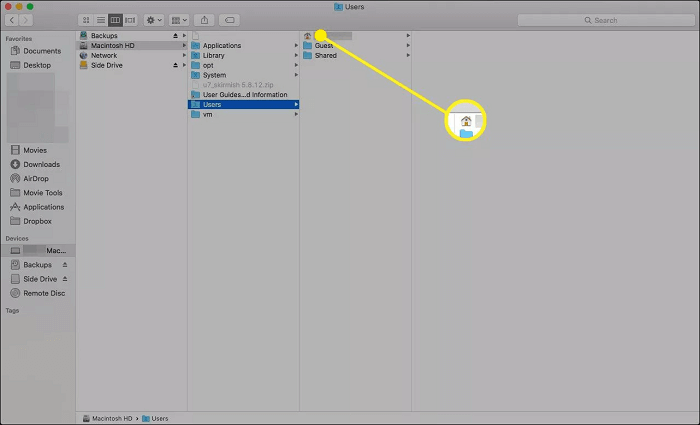
Step 1. To navigate to the Users folder using the Finder, go to the Finder, click on "Go" in the top menu bar, select "Users" from the dropdown menu, and you should see the Users folder. For most Mac users, the path is /Macintosh HD/Users.
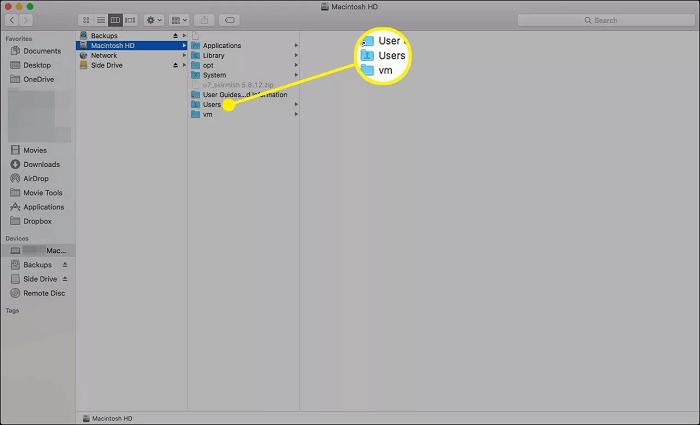
Step 2. Here, select the "Home" folder and drag it to the new location on another drive.
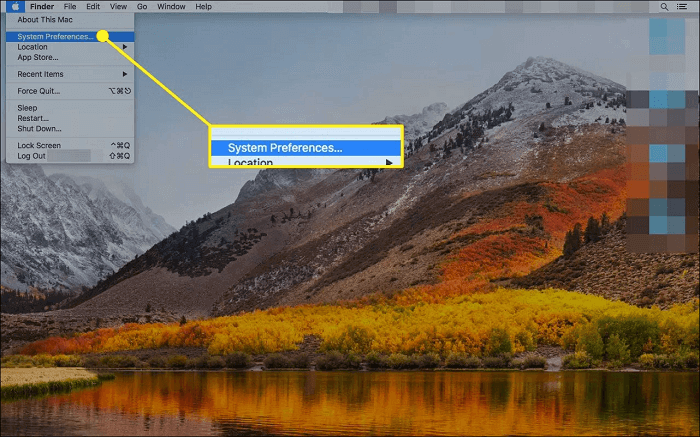
Step 3. To access System Preferences, click on the "System Preferences" icon on the Dock and select "System Preferences" from the Apple Menu.
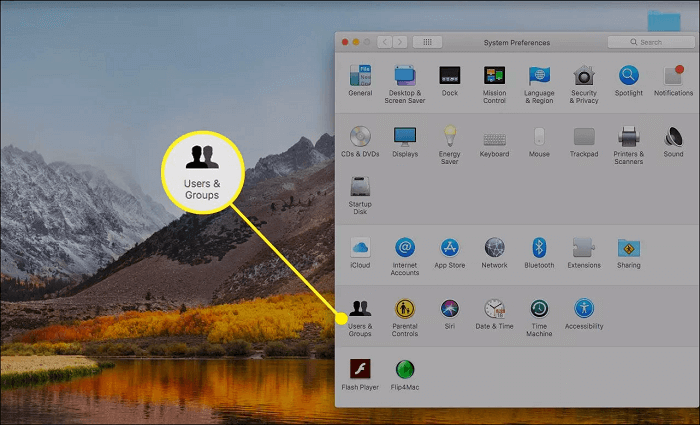
Step 4. To change the administrator password, tap on "Users & Groups". Then, click on the "Lock" icon and enter your current administrator password. Finally, click on "Change Password" and enter your new administrator password.
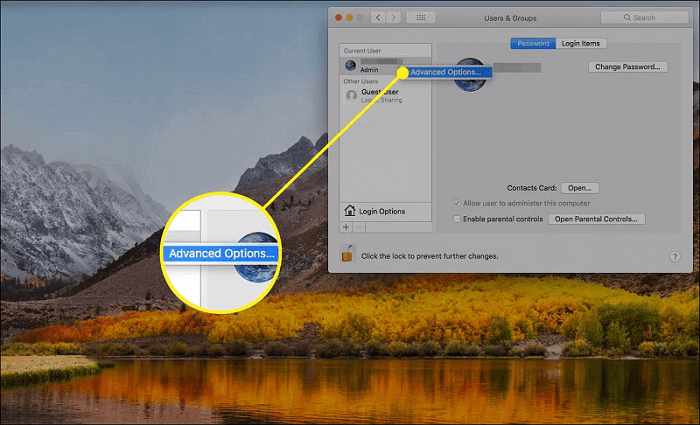
Step 5.Right-click on the user account whose Home folder you've moved and select "Advanced Options" from the context menu.
Step 6. To select the home directory for your user account, tap on the "Choose" button located on the right side of the "Home Directory" field.
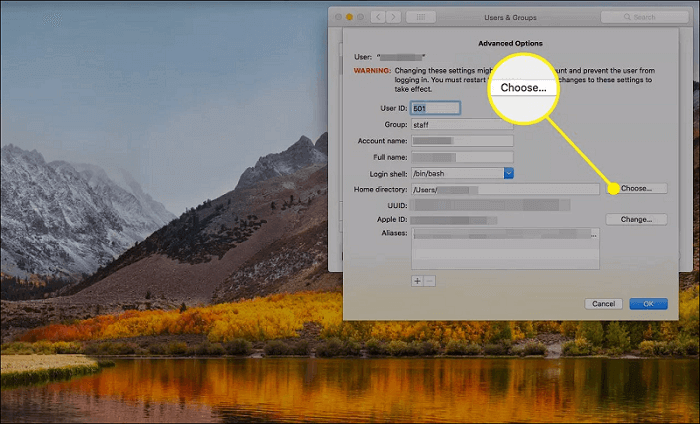
Step 7. To move the Home folder to a new location, go to System Preferences > Users & Groups > Login Items, select the user account you want to move the Home folder for, and click the "Edit" button. Then, select the new location for the Home folder and click "Move" to move the folder.
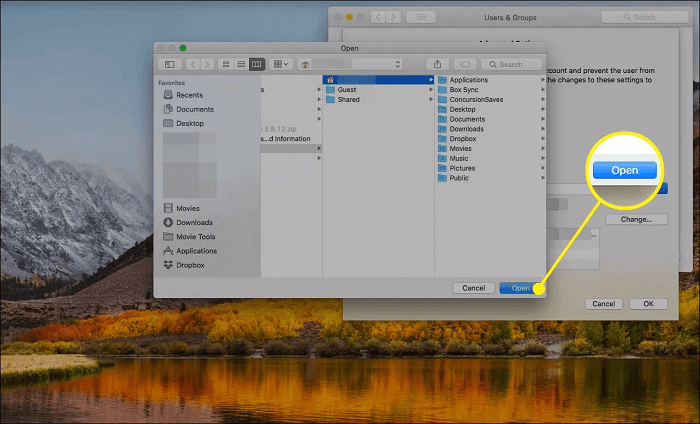
Step 8. Tap "OK" to close the "Advanced Options" sheet, and then close the "System preferences".
You can restart your Mac and see that the Home folder is now in the new location. The Terminal command you ran moved the Home folder to the new location, and you can verify this by restarting your Mac and checking the new location of the Home folder.
Conclusion
You can move the desktop folder to another drive on Mac and Windows by following the methods outlined above. Whether you choose to change the Desktop location on Mac or Windows, you'll get excellent results. The process is straightforward and will help you free up space on your main drive.
Consider moving the Desktop folder to another drive using the Qiling Disk Master tool, which can accomplish this task efficiently and quickly.
Related Articles
- How to Move Downloads Folder to Another Drive on Windows 10 or Windows 11
- How to Factory Reset Windows 11 without Moving Apps/Programs
- How Do I Transfer My Netflix from One Device to Another?
- How to Transfer Spotify Playlist|Change Spotify Install Location - Qiling
- Fix Steam Not Recognizing External Hard Drive Error
This guide provides a step-by-step solution to fix the 'Steam not recognizing external hard drive' error, allowing you to easily make your external hard drive a game drive for Steam on your computer. - Surface Pro Stuck on Windows Logo - Reasons & Fixes
If your Surface Pro is stuck on the Windows logo, you can try restarting it in safe mode, checking for corrupted system files, running a System Restore, or performing a System Reset.
Products
Articles & Tutorials
- Data Recovery
- Data Backup
- File Recovery
- File Backup
- System Backup and Restore
- Disk and Partition Clone
- Technical articles
- Mobile articles
- Disk Master Help
- Windows Data Recovery Tutorials
- Windows Secure Delete Tutorials
- Windows Partition Management Tutorials
- Windows File Backup and Restore Tutorials
- Windows System Backup and Restore Tutorials
- Windows Disk Backup and Restore Tutorials
- Windows Clone Tutorials