How to Reinstall Windows 11 Without Losing Data [4 Ways]
Reinstalling Windows 11 can sometimes result in unexpected error codes or fatal issues, requiring a full system reinstall. This process can lead to data loss, which can be problematic if you have important files to preserve. However, by following specific methods and steps, you can reinstall Windows 11 without losing data and maintain the license intact. The process involves 4 key steps, and taking certain precautions before reinstalling can ensure a smooth and data-safe experience.
| Workable Solutions | Step-by-step Troubleshooting |
|---|---|
| 1. Reinstall Windows 11 via Recovery Option |
Open Settings > Click on System > Click on Recovery on the right side...Full steps |
| 2. Reinstall Windows 11 via Recovery Mode | On the Sign-in screen, click on the power button located at the right bottom...Full steps |
| 3. Clean Install Windows 11 from Bootable USB |
Click the Install now button > Click "I don't have a product key"...Full steps |
| 4. Reinstall Windows 11 from ISO File | Navigate to the Windows 11 ISO page...Full steps |
Can I Reinstall Windows 11?
Windows 11 offers various methods to freshly install the operating system, giving users flexibility in how they want to set up their PC. This includes the option to keep or remove old files and applications, allowing users to start with a clean slate or preserve their existing setup.
If your Windows is slow, try other troubleshooting options first, such as uninstalling unused software, deleting junk, and using system tools. If that doesn't work, reinstalling Windows can be a faster solution to fix issues like malware and other problems. However, if your Windows is already running smoothly, there's no need to reinstall the OS.
Follow this page to get a complete solution and guidance for reinstalling Windows 11 on your computer.
Prerequisites for Windows 11 Reinstallation
To get the best experience after reinstalling Windows 11, prepare by backing up your files, removing any unnecessary software, and ensuring your device meets the system requirements, such as having a compatible processor, memory, and storage. Additionally, you may want to consider creating a bootable USB drive or CD/DVD with the Windows 11 installation media to simplify the reinstall process.
# Backup Essential Files
To prepare for reinstalling Windows 11, it's essential to backup all files, folders, and applications to another storage device to avoid losing data during the process. Consider using a backup software like Qiling Backup to efficiently and quickly backup essential files to an external storage device. This will ensure a smooth and stress-free reinstalling experience.
# Prepare C drive
Windows 11 installation requires at least 64 GB of free space left on the operating system drive, so ensure the C drive has sufficient storage. If not, clean it up.
Clean up all the junk files and applications that you never use and make space for Windows 11 Reinstallation.
If your C drive is too small, you can extend it using Qiling Partition Master software, which can be downloaded on your PC to help you with the process.
Option 1. Extend System C drive with unallocated space
- 1. Click on the System C: drive and select "Resize/Move".
- 2. Drag the system partition end into the unallocated space so to add it to the C: drive. To extend the C drive, click "Extend" in the Disk Management console to open the "Extend Volume" wizard, select the unallocated space on the right side, and click "Next". Then, choose the drive you want to extend and click "Next" again. Finally, click "Finish" to execute the operations and extend the C drive.
Option 2. Extend System C drive without unallocated space
- 1. Click a big partition with enough free space on the system disk, select "Resize/Move".
- 2. Drag the big partition end into itseft so to shrink it. And click "Proceed" to execute the operations.
- 3. Click on the System C: drive and select "Resize/Move".
- 4. Drag the system partition end into the unallocated space so to add it to the C: drive. Click "Proceed" to execute the operations and extend the C drive. This will allow you to extend the C drive to a larger size.
# Select a suitable method to reinstall Windows 11
There are some methods to reinstall Windows 11 listed below-
- 1. Reset PC & Reinstall Windows 11 via Recovery Option
- 2. Reset PC & Reinstall Windows 11 from Recovery Mode
- 3. Reinstall or Clean Install Windows 11 from Bootable USB
- 4. Reinstall Windows 11 from ISO File on Computer
Most users prefer the clean installation method, which is a simpler and easier approach. It involves following one of the methods described below.
1. Reset PC & Reinstall Windows 11 via Recovery Option
- Open Settings.
- Click on System.
- Click on Recovery on the right side.
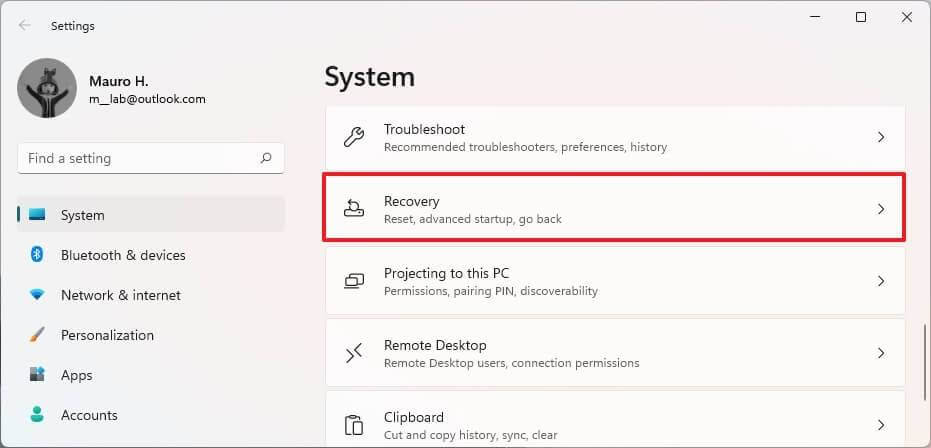
- Under the "Recovery options" section, click the "Reset this PC" setting and then click the "Reset PC" button to initiate the Windows 11 reinstallation process.
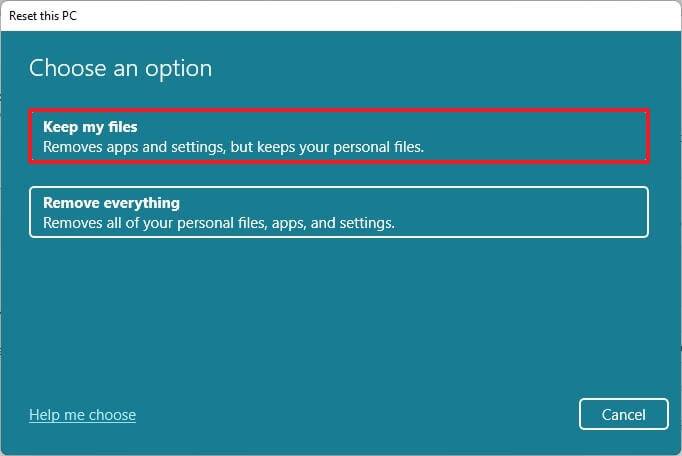
- Click the Keep my files option.
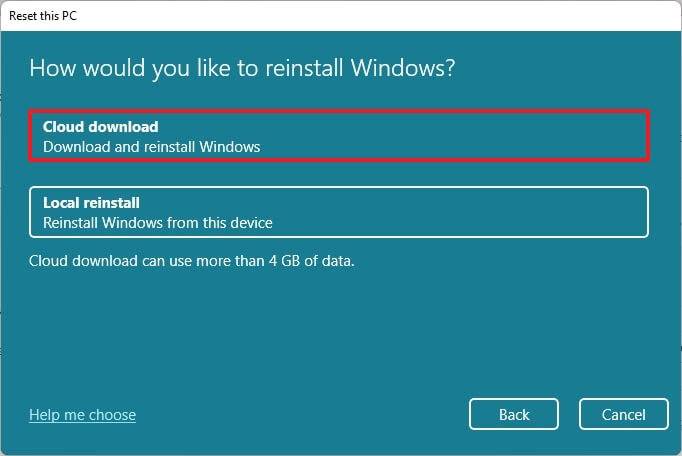
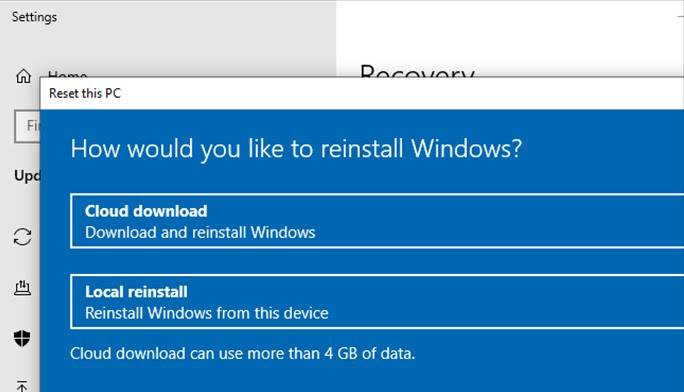
- To reinstall Windows 11, select the Cloud download option for a fresh installation or the Local reinstall option to keep your data intact.
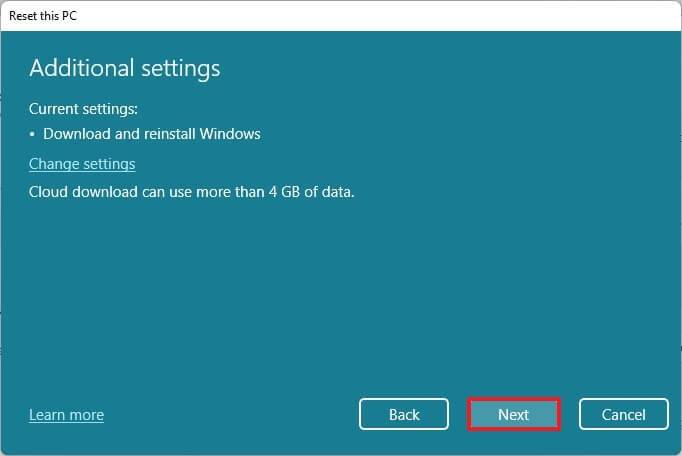
- Click the Next button.
- Click the Reset button.
2. Reset PC and Reinstall Windows 11 via Recovery Mode
- On the Sign-To restart your Windows in Safe Mode, go to the screen, click on the power button at the right bottom corner, and select Restart. Hold the Shift key down until Windows restarts into the Recovery Environment. From there, you can choose Safe Mode from the options.
- Once you're in the WinRE, click on Troubleshoot using the arrow keys and Enter key, if your mouse isn't working.
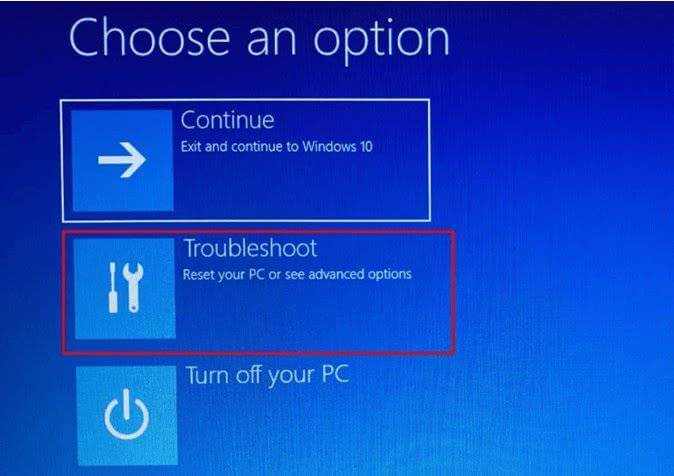
- Now, click on Reset This PC.
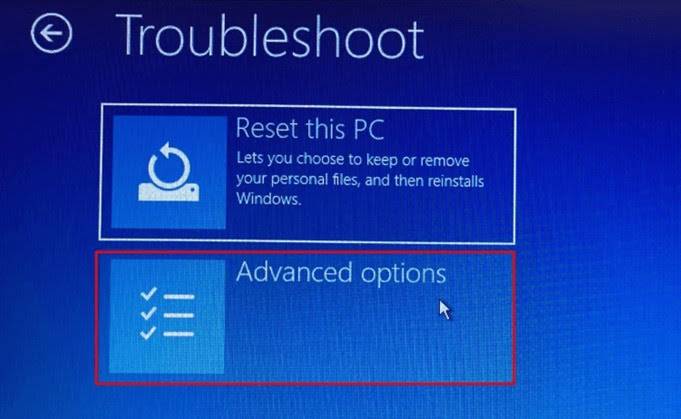
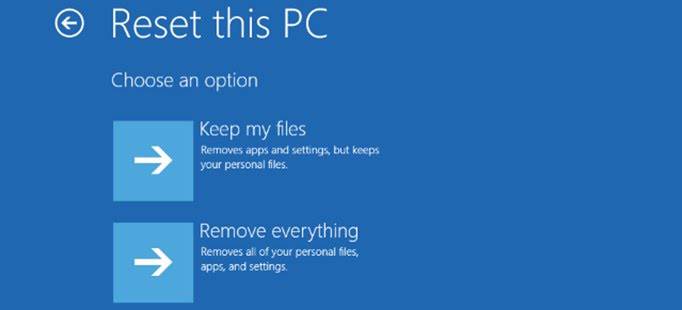
- You'll get two options to choose.
- The next option will prompt the user to choose between Cloud download or Local reinstall, allowing them to select the preferred method for updating or reinstalling the OS.
- The next option will format your drive and erase all contents if you have chosen the Remove Everything option in Step 4.
- Click on the Reset Button.
3. Reinstall or Clean Install Windows 11 from Bootable USB
You can use Qiling Win 11 Builder to download Windows 11, which will automatically enable bootable USB on your computer with just one click. This compact and easy-to-use software is free and perfect for inexperienced users who struggle with the manual process of enabling USB bootability.
To start your device with Windows 11 USB media, you'll need to boot the device from the USB drive. This typically involves pressing a key on your keyboard, such as F2, F12, or Del, depending on the device's manufacturer and model. The key you need to press will be displayed on the screen as you boot the device.
You need to click on the Next button on the "Windows Setup" page.
- Click the Install now button.
- Click on the option -You can enter a product key during the installation process. If you don't have a product key, you can also download a free version of Windows 11, such as Windows 11 Home, from Microsoft's official website. However, keep in mind that the free version may have some limitations compared to the paid version.
- Select the edition of Windows 11.
- Click on the Next button.
- Select the option I accept the license terms in order to continue.
- Click the Next button.
- Select the Custom: Install Windows only option to proceed with a clean Windows installation.
- Select the partition where your current operating system is installed, and click the Delete button.
- Click the Yes button.
- Select the empty drive.
- Click the Next button.
After completing the steps, Windows 11 Setup will install a fresh copy of the new OS on your laptop or desktop computer.
4. Reinstall Windows 11 from ISO File on Computer
- Navigate to the Windows 11 ISO page and log in to your Microsoft Account. If you're not registered as a Windows Insider, you can sign up for free on the web.
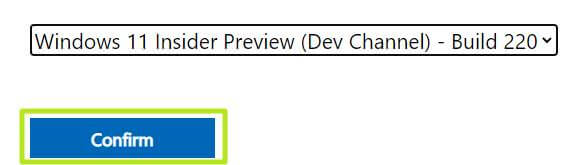
- Choose an edition from the select edition pulldown, and select the Dev Channel to get the latest build, then click the confirm button that appears after making your selection.
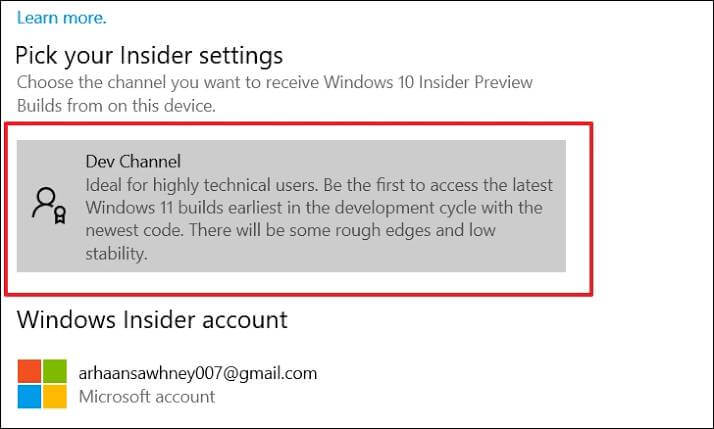
- Click on Confirm.
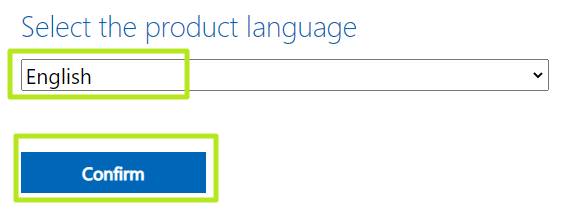
- Select your language and click on confirm.
- Click the download button that appears.
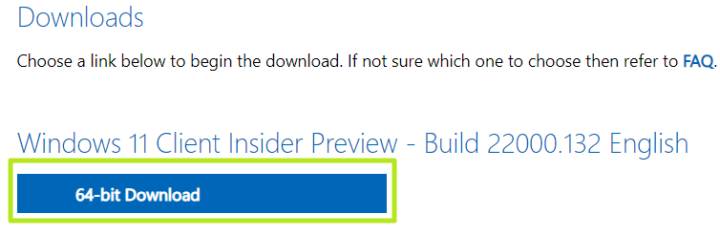
The ISO file will download to your computer.
Subsequences
Now, when your Windows 11 is Reinstalled, you need to follow some steps given below to work with your system smoothly.
#1. Restore the backup to the computer
After completing the Reinstallation process, you'll need to restore all your data back to your computer. To do this, follow these steps: follow the steps below.
- To access Backup and Restore in the Control Panel, select the "Start" button, then select "Control Panel", navigate to System and Maintenance, and finally select "Backup and Restore".
- Do one of the following:
1. If you're using Windows Backup for the first time or have recently upgraded your Windows version, select the "Set up backup" option and follow the subsequent steps.
2. If you've already created a backup, you can either wait for your scheduled backup or create a new one by choosing "Back up now".
3. If you've previously created a backup but want to make a new full backup instead of updating the previous one, select 'Create new' and then 'full backup' to proceed with the new backup.
#2. Reallocate hard drive spaces on the computer
You need to reallocate hard drive spaces on the computer. You can use the Qiling Partition Maser to reallocate hard drive spaces on the computer. Use the following steps to get help on reallocating hard drive spaces on the computer by Qiling Partition Master.
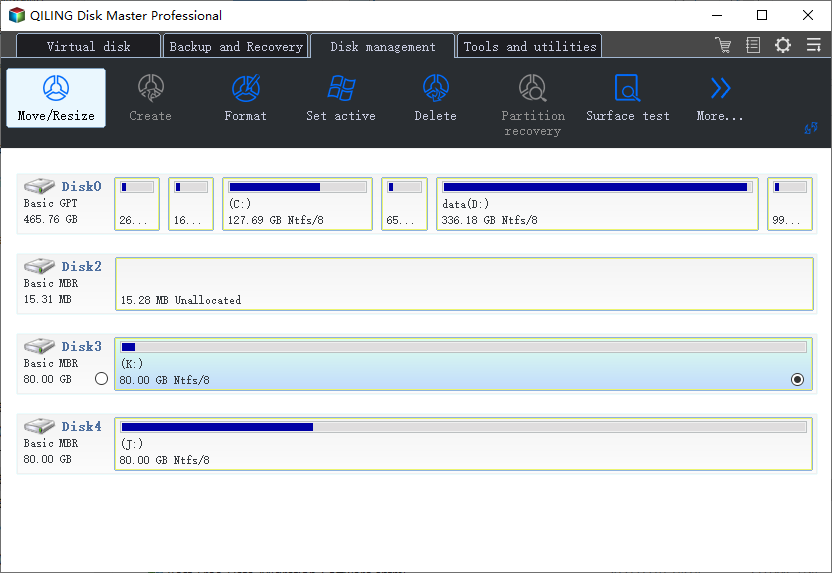
Step 1. Locate the Target Partition
To extend a partition, start by locating the target partition and selecting the "Resize/Move" option. This will allow you to adjust the size of the partition.
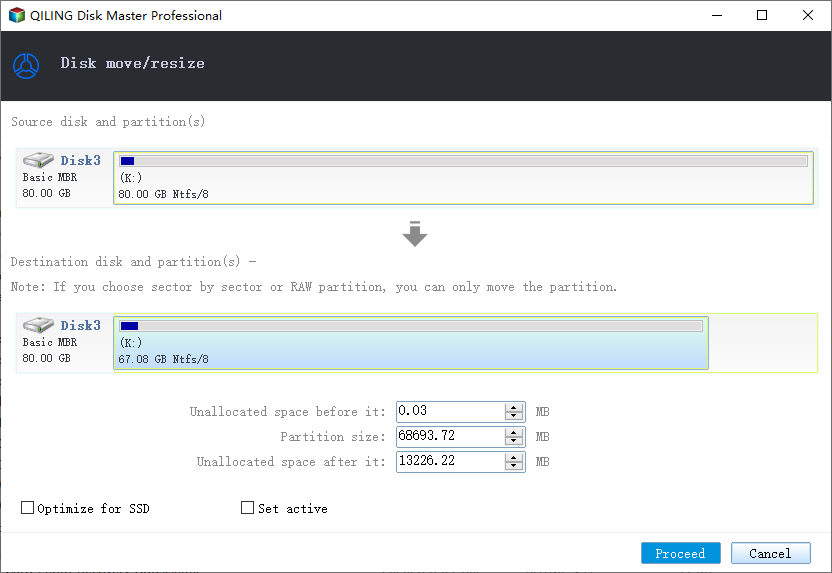
Step 2. Extend the Target Partition
To add unallocated space to your current partition, drag the partition panel to the right or left, and then click "Proceed" to confirm the changes.
Conclusion
If your system is not working best or slowing down, you can try reinstalling Windows 11 and reallocate disk space to optimize computer performance.
The easiest method to reinstall Windows 11 on a computer is using the Reset this PC option in the Recovery settings, which allows for Windows 11 reinstallation with data kept or everything removed by downloading installation files from the cloud.
You can reset your PC and install Windows 11 via the Recovery settings to easily fix problems, such as malware attacks, slow performance, battery and app issues, by reinstalling or clean installing Windows 11 using a bootable USB.
Related Articles
- Recover/Create EFI Partition Windows 11/10 When EFI Boot Partition Missing
- 10 Ways to Open File Explorer: Fix 'Where is File Explorer on My Computer'
- Instruction for SanDisk Write Protection Removal and Formatting Tool
- Download Corrupted Memory Card Formatting Software for Free
- How to Format Write Protected SD Card and Repair It to Usable Again [2023 Newest Guide]
You can easily remove the protection and format write-protected SD cards. This guide explains two easy solutions to format write protected SD Cards: #1. Use Write Protected Format Software; #2. Format Write Protected SD Card Using CMD. - Best Free System Clone Software for Windows 10 Recommend
Looking for a free system clone software to clone Windows 10 to a new disk or computer? This page presents the best free system clone software for Windows 10, which can be downloaded and used to clone Windows 10 for free, making it bootable on a new disk.
Products
Articles & Tutorials
- Data Recovery
- Data Backup
- File Recovery
- File Backup
- System Backup and Restore
- Disk and Partition Clone
- Technical articles
- Mobile articles
- Disk Master Help
- Windows Data Recovery Tutorials
- Windows Secure Delete Tutorials
- Windows Partition Management Tutorials
- Windows File Backup and Restore Tutorials
- Windows System Backup and Restore Tutorials
- Windows Disk Backup and Restore Tutorials
- Windows Clone Tutorials