Hard Drive Recovery| Recover Files from a Hard Disk
Losing important data can be a frustrating and devastating experience, whether due to accidental deletion or hard drive failure. Fortunately, hard drive recovery is often possible, allowing you to recover files from a hard drive with or without software, depending on the cause of the data loss.
4 Most Common Reasons for Hard Drive Data Loss
Here are the common reasons for hard drive data loss:
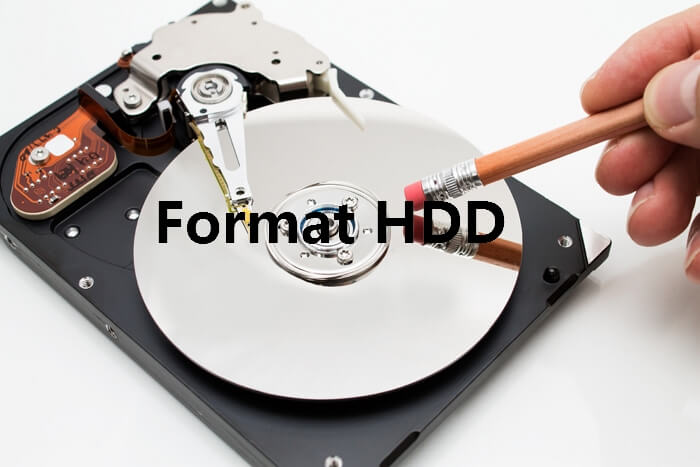
Hard Drive Formatting
Hard drive data can be lost through formatting, accidental deletion, physical damage, or software corruption, making data recovery from formatted hard drives challenging.
Accidental Deleting
Hard drive data can also be lost due to deletion, where a user inadvertently deletes a file or folder, but the data remains on the drive until it's overwritten. This can be recovered using specialized software, allowing the original data to be restored.
Hard Drive Crash/Damage
A hard drive crash can cause data loss due to improper shutdown, bad sectors, or malware infection. Logical damage can be repaired with data recovery software, but physical damage requires professional help from a data recovery service.
Software Errors
Software errors can cause hard drive data loss due to corrupt firmware or deleted system files, but can be resolved by reinstalling the operating system or applications.
Hard Drive (HDD) Data Recovery Methods
Hard drive data loss can occur due to hardware failure or accidental deletion, but recovery is often possible with specialized software or professional services, which can quickly and safely recover lost files.
Hard Drive (HDD) Data Recovery Service
A hard drive data recovery service typically involves a team of experts physically opening the drive in a clean room environment to repair any damage, offering the highest success rate but also the most expensive option. This service is usually necessary if you're faced with a situation where your hard drive is damaged or non-functional.
- Repair corrupted RAID drive and recover data from NAS.
- Repair corrupted virtual disk file (.vmdk, .vhd, .vhdx, etc.).
- Unformat a hard drive that was formatted by mistake.
- Repair unbootable Windows operating system, including Windows 10/8/7.
- To fix a damaged RAW drive that needs to be reformatted, including Bitlocker encrypted drives, you can use a data recovery software like DiskGenius. This software allows you to scan the drive, recover data, and then format the drive.
- Recovering a lost partition or repartitioned drive that cannot be recovered by software requires more advanced and manual methods. This typically involves using specialized hardware tools, such as a USB drive with a bootable Linux distribution, to access and manipulate the drive's underlying structure.
A data recovery service salvages data from failed, damaged, or corrupted storage devices, including hard drives. To recover data, you'll need to send the drive to a service where they'll perform the recovery in a clean environment using dedicated equipment. There are five top HDD recovery services available to help with hard drive data loss issues: Ontrack HDD Recovery, Secure Data Recovery Service, SALVAGEDATA Data Recovery Service, Stellar Data Recovery Lab-services, and Qiling Manual Data Recovery Service.
Hard Drive Recovery Software
Hard drive recovery software is a self-service solution that uses specialized software to scan your hard drive for recoverable data, often at a lower cost but with a lower success rate compared to a hard drive data recovery service.
- Retrieve lost files after deletion or emptying the recycle bin.
- Accidentally formatted a hard drive and caused data loss.
- The hard drive becomes "RAW" or some software error happens.
- Run GPT partition recovery or MBR partition recovery with simple steps.
Hard Drive Recovery Software VS Hard Drive (HDD) Data Recovery Service
Hard drive data recovery service and hard drive recovery software are two common methods for recovering lost data. While both options can help retrieve deleted or corrupted files, the main difference lies in the level of expertise and technical support provided. A data recovery service typically involves sending the damaged hard drive to a specialized company, which then uses professional equipment and techniques to recover the data. On the other hand, hard drive recovery software allows users to attempt data recovery on their own, using a downloadable program to scan and retrieve files.
| Comparison | Hard Drive Recovery Software | Hard Drive Recovery Service |
|---|---|---|
| Hard Drive Recovery Cost | Cheap | Expensive |
| Recovery Guarantee | No | Yes |
| Executor | You | Experts |
| Process | Time-consuming | Easy |
| Supported Devices | Internal/External Hard Drive, SSD, USB, etc | Almost All |
| Supported Brands | Western Digital, Seagate, Sony, Toshiba, SanDisk, etc. | Almost All |
| Supported File Systems | FAT32, exFAT, NTFS, etc. | Almost All |
If you have valuable data that you can't afford to lose, a hard drive data recovery service is your best bet. However, if you're trying to recover less critical data or are on a tight budget, hard drive recovery software may be a cost-effective option.
How to Recover Deleted Files from Hard Drive in Windows 10
If you're running Windows 10, there are a few different ways to recover files from a hard drive. You can try using the built-in File Recovery feature, which can recover deleted files from the Recycle Bin and other locations. Alternatively, you can use a third-party recovery software like Deep Data Recovery or Recuva, which can scan the hard drive for recoverable files.
Method 1. Recover HDD Data from Recycle Bin
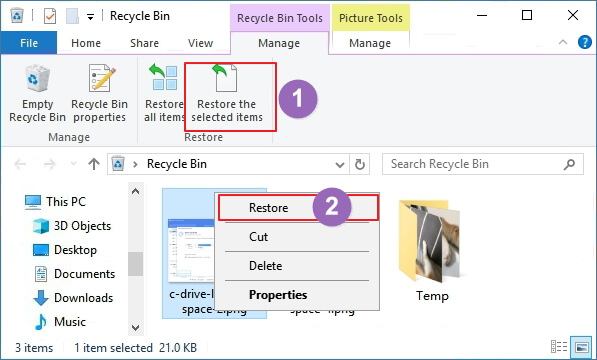
One of the first things you should try is checking the Recycle Bin, as deleted files usually go there in Windows 10. You can directly perform a Recycle Bin recovery and bring the removed files back.
Step 1. Double-click the Recycle Bin icon on the Desktop.
Step 2. To recover a deleted file or folder, you need to locate and select the item you want to restore. This can typically be done through the file explorer or folder view, depending on the operating system being used.
Step 3. Right-click the selected item and choose "Restore".
Method 2. Recover HDD Data with Hard Drive Recovery Software
Another option is to use Qiling hard disk data recovery software, a standout tool that can recover files from a hard drive in just 3 steps, and supports over 1000 file types, often outperforming Windows' built-in recovery tool.
Step 1.Launch Deep Data Recovery on your PC, select the desired file types, and click "Fast Scan" to initiate the recovery process.

Note: You can choose different search modes based on where and why the data was lost.
Step 2. To recover lost data, select the hard drive where the data was lost and click "Scan".

Step 3. When the scan is finished, you can use the "Filter" or "Search" feature to locate the lost files. This will help you quickly find the files you need, rather than having to sift through the entire scan results.

Step 4. Select all the HDD files you want and click "Recover". Then, browse another secure location to save them.
Method 3. Restore Hard Drive Files from a Backup
If the above methods don't work, you can try using the System Restore feature, which will take your system back to a previous point in time, potentially including a working copy of your lost files.
Full Guide
If you want to recover deleted files from a hard drive in Windows 10, you can follow a guide specific to that operating system. If you're a Mac user, you should refer to a guide for Mac hard drive recovery instead.
To Sum Up
For hard drive recovery, you can use various methods depending on your system. In Windows 11/10/8/7, check the Recycle Bin, use the File History feature, or run Qiling data recovery software. Alternatively, if you're using a Mac, try Time Machine or use Mac hard drive recovery software to restore lost files.
Hard drive recovery is possible in both Windows 10 and macOS, allowing you to restore your hard drive to its original state with the right tools. Effective solutions can also repair corrupted hard drives, making it possible to recover your data and get your hard drive working properly again.
Hard Drive Recovery FAQs
1. How can I recover my hard drive for free?
You can recover up to 2GB of data for free with Qiling free data recovery software.
- Download, install and launch Qiling hard drive recovery software.
- Select the disk or partition that contained the lost files.
- Click the "Scan" button to start scanning for lost files.
- Choose the deleted files you want and preview these files.
- Click the "Recover" button to get back your hard drive files for free.
2. Can a file be recovered from a failed hard drive?
Files can be recovered from a failed hard drive with a reliable recovery program, such as Deep Data Recovery, if the system can still be booted, or by referring to recovering data from a dead hard drive if access is lost.
3. How much does it cost to recover a hard drive?
The cost to recover data from a hard drive can vary widely depending on several factors, such as the type of data being recovered, the condition of the hard drive, the expertise and reputation of the data recovery service, and the level of urgency required. Generally, the cost can range from a few hundred to several thousand dollars, with prices often being higher for more complex or high-stakes recoveries. Some data recovery services may also charge by the hour or by the gigabyte, which can add to the overall cost.
- The size of the lost data
- The data loss scenarios
- The time spent on the hard drive
4. How to repair corrupted or damaged hard drives on Windows 10/11?
When it comes to hard disk repair, your computer may behave erratically and you may be unable to access your files. You may even be unable to boot up your computer. To repair a corrupted hard drive without formatting and data loss, you can try using disk check software or a data recovery tool to scan and fix errors, or use a professional data recovery service to recover your files.
Note: If you haven't previously backed up your data, it's essential to use data recovery software to retrieve it first, before attempting to reinstall Windows. This will ensure that you don't lose any important files or information.
1- Repair Hard Drive Using CMD
CHKDSK can scan to mark bad sectors and fix corrupted file system errors to prevent data loss. To run CHKDSK and fix damaged hard disks without formatting, follow these instructions.
- Click the Search box and type cmd.
- Right-Click on the "Command Prompt" and select "Run as administrator" from the search results.
- To run a thorough check on a corrupted drive, open the Command Prompt window, type `chkdsk E: /f /r /x` (replace E with the actual drive letter of the corrupt drive), and press Enter. This command will initiate a disk check with the following options: `/f` forces the check, `/r` scans for bad sectors and recovers readable information, and `/x` does not prompt for user input, allowing the check to run automatically. The check will then proceed to scan the drive for errors, repair any issues it finds, and recover any readable data.
- Wait for the process to finish, then check if the hard drive works properly.
2 - Fix Corrupted Hard Drive with File Manager
Windows has a built-in tool that allows users to manually check and repair a corrupted hard drive.
- Click This PC or My Computer.
- Select the damaged hard drive, right-click it, and choose "Properties".
- To check and correct errors on your hard drive, go to "Tools" and click on "Check" under the "Error-checking" option. This will initiate a scan and correction process for any potential errors found on the hard drive.
5. How can I recover data from a hard drive that won't boot?
To recover data from a hard drive that won't boot:
- Create a bootable disk with Deep Data Recovery WinPE Edition.
- Boot from the bootable disk to open Deep Data Recovery.
- Recover files/data from a PC/laptop hard drive that won't boot.
6. How do you fix a hard drive failure?
To fix hard drive failure:
- Clean out the computer vents.
- Check the power and data cables.
- Check the BIOS...
Related Articles
- The Best Video Repair Tools You Must Know in 2022
- The Best Photo Recovery App/Software for Any Device
- Ultimate Guide on SD Card Recovery in 2022
- macOS Update Ultimate Guide: How to Update OS on All Models of Mac
- How to Recover Shift Deleted Word Documents in Windows 11/10
You can recover Shift deleted Word files in Windows 11/10 using either Deep Data Recovery or by restoring the auto backup files, which can help you retrieve the deleted Word document. - How to Recover Temporary Word Files in Windows 11/10/7
The location of temporary files in Windows 11/10/7 can be found in the %temp% folder, which is typically located in the C:\Users\YourUsername\AppData\Local\Temp directory.
Products
Articles & Tutorials
- Data Recovery
- Data Backup
- File Recovery
- File Backup
- System Backup and Restore
- Disk and Partition Clone
- Technical articles
- Mobile articles
- Disk Master Help
- Windows Data Recovery Tutorials
- Windows Secure Delete Tutorials
- Windows Partition Management Tutorials
- Windows File Backup and Restore Tutorials
- Windows System Backup and Restore Tutorials
- Windows Disk Backup and Restore Tutorials
- Windows Clone Tutorials