How to Recover Data from a PC/Laptop Hard Drive That Won't Boot
If your computer's hard drive won't boot, you can still access your data using two solutions. First, you can use Qiling bootable data recovery software to recover your data. Alternatively, if you have an external hard drive with a backup of your files, you can connect it to another working computer and access and restore your files from there.
Can You Get Files Off from Hard Drive That Won't Boot
If your hard drive won't boot, you'll be unable to access your operating system, and consequently, your personal data, installed programs, and games. However, if the hard drive isn't completely dead or damaged, you can still access it without the OS, making it a manageable issue.
If your PC or laptop hard drive won't boot, you can still recover data from it. To do this, follow the steps outlined below. Alternatively, you can also try an alternative solution. These solutions will guide you to directly recover data from a hard drive that won't boot in Windows PC, allowing you to get files off from a non-bootable hard drive.
How to Recover Data from Hard Drive That Won't Boot in Windows 10/8/7
When a computer won't boot from a hard drive, using professional data recovery software with bootable media can help recover data and save it to an external storage device, preventing data loss from the failed hard drive.
Download and install deep data recovery software with bootable media on a healthy computer, then follow the guidelines to fix the hard drive won't boot error without losing data.
Step 1. Create a bootable disk
To prepare for creating a bootable disk, first back up any important data on the USB to another device. Then, use Deep Data Recovery WinPE Edition to create a bootable disk on the empty USB. This process will erase any existing data on the USB.
Connect the USB drive to your PC, then launch Deep Data Recovery WinPE Edition. Select the USB drive and click "Create" to create a bootable disk on it.
Step 2. Boot from the bootable USB
Connect the bootable disk to the PC that won't boot, and change the boot sequence in the BIOS. To do this, restart the PC and press F2 (or a similar key) to enter the BIOS. Set the PC to boot from the bootable disk (USB or CD/DVD) instead of the hard drive, and then save and exit the BIOS. This should allow the PC to boot from the bootable disk.
Step 3. Recover files/data from a PC/laptop hard drive that won't boot
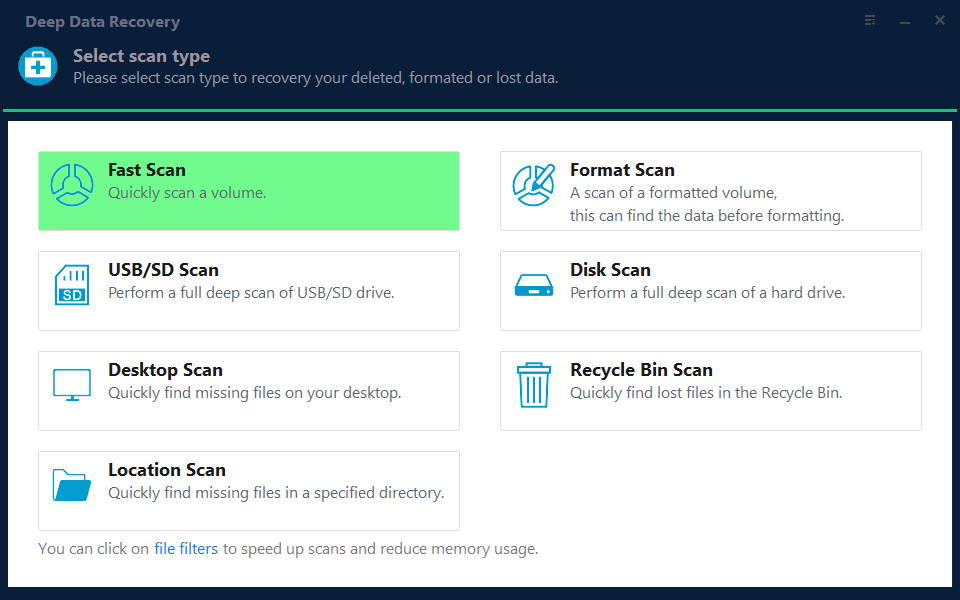
Note: You can choose different search modes based on where and why the data was lost.
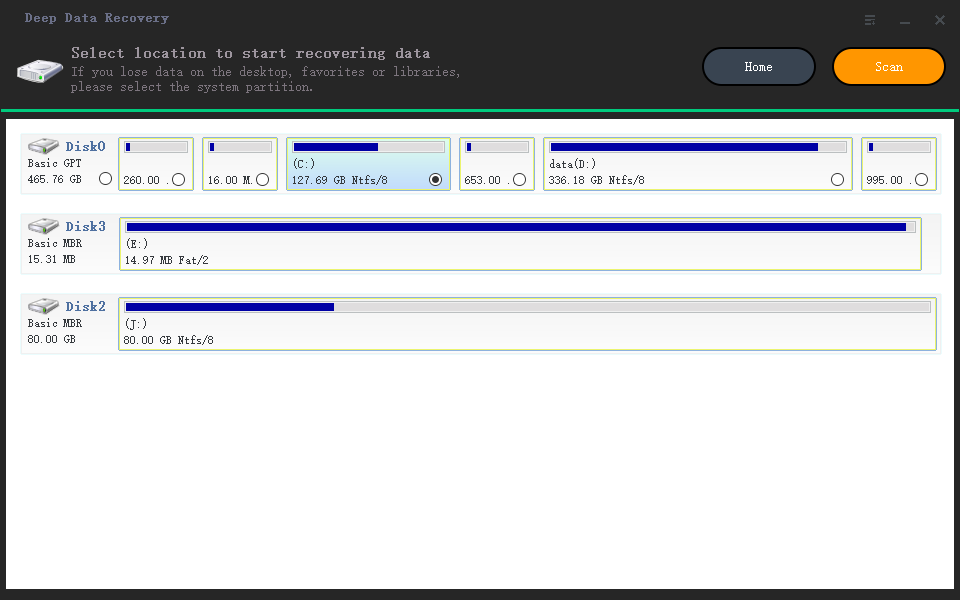
When booting from a USB, you can access Deep Data Recovery from the WinPE bootable disk. Select the drive to scan, then click "Scan" to initiate the recovery process.
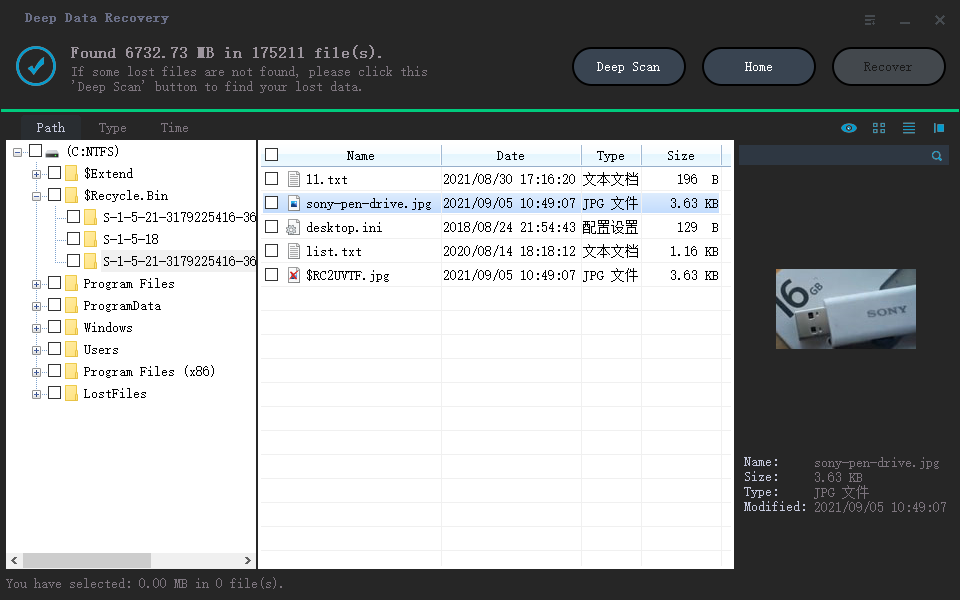
After scanning, preview and select the desired files, then click "Recover" to restore them to a safe location. Save the recovered data to a different place to prevent overwriting.
After your Windows system fails to boot, you can try reinstalling it on your computer's hard drive, and then copy the restored data back to your computer to reuse them again.
How to Manually Copy Data from Hard Drive That Won't Turn on
The other way that you may try is to manually copy files and data off from a hard drive that won't boot on the other working PC. To recover data from a none-booting hard drive in this way, it takes the below five steps.
- Obtain an External Hard Disk Enclosure
- Uninstall Non-booting Hard Drive
- Install Hard Drive in External Enclosure
- Connect USB and Power Cables
- Recovering the Data
Step 1. Switch off the computer power, remove the battery, and unplug your laptop or computer from the power outlet.
Step 2. Open your laptop's case, locate the hard drive that won't boot, and disconnect its cables. Unscrew it and carefully pull it out of the case.
Step 3. To recover data from a dead hard drive, you can try inserting the hard drive into an external hard drive enclosure and connecting it to a new PC, or inserting the drive into another computer that is running in good condition. This may allow you to access the data on the drive and recover it.
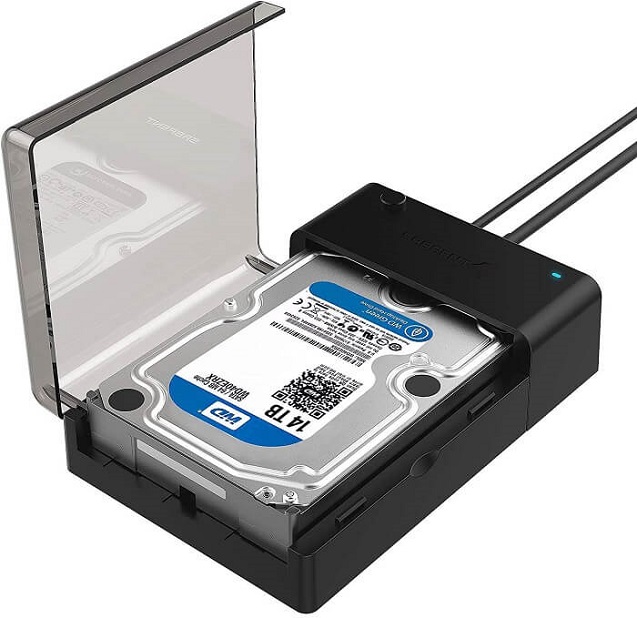
Step 4. Reboot the new computer from its standard OS on the main drive, and then you can read and access the hard drive data there.
Step 5. Finally, copy files and get data off the hard drive that won't boot to a new storage device.
People Also Ask
When a PC or laptop hard drive won't boot or turn on, there are effective solutions to recover data. To address such issues, two key methods can be employed. These solutions can help in dealing with similar cases and provide assistance in recovering data from a non-functional hard drive.
1. How to recover files from an external hard drive that won't boot on Mac?
Deep Data Recovery for Mac's bootable version is particularly useful when your Mac hard drive or external hard drive fails to boot. To access files from a non-booting drive, you simply need to create a bootable drive, boot your Mac from it, and then select the non-booting drive to scan. This straightforward process allows you to recover your data even when your hard drive is unresponsive.
2. How to backup files when the computer won't boot?
Qiling Backup allows you to selectively back up files or the entire disk, even when Windows is unable to boot up. To use it, you burn a Windows PE image onto an empty USB, creating a bootable disk, and then boot up your computer from it to apply Qiling Backup and back up your saved data.
3. Can you recover data from a crashed hard drive?
Deep Data Recovery, a bootable data recovery software, can help recover data from a laptop hard drive that won't boot, and is capable of recovering all types of data from an old, crashed, or corrupted hard drive.
Related Articles
- Fix 'This Drive Is Read Only' on SD Card/USB/Hard Drive [5 Methods]
- Unlock Hard Drive | Fix Drive Where Windows Installed Is Locked
- 4 WD My Passport Repair Tools: Fix Cannot Access My Passport External Hard Drive
- SSD vs HDD Lifespan, Which Lasts Longer SSD or HDD? What's the Difference
- Recover Snapchat Photos/Videos from Android Phones
If you've lost wonderful Snapchat photos or videos after cleaning the app's chatting history or deleting all browsing histories on your Android phone or tablet, professional methods are available to help you recover the deleted/lost content. - SQL Suspect Mode Fix | How to Recover SQL Database from Suspect Mode
When a SQL Server database is marked as Suspect, it cannot be accessed unless recovered from this state to Normal. This can be a critical issue, and we'll provide a detailed guide on how to recover a SQL database from the Suspect Mode.
Products
Articles & Tutorials
- Data Recovery
- Data Backup
- File Recovery
- File Backup
- System Backup and Restore
- Disk and Partition Clone
- Technical articles
- Mobile articles
- Disk Master Help
- Windows Data Recovery Tutorials
- Windows Secure Delete Tutorials
- Windows Partition Management Tutorials
- Windows File Backup and Restore Tutorials
- Windows System Backup and Restore Tutorials
- Windows Disk Backup and Restore Tutorials
- Windows Clone Tutorials