How Long Do Laptops Last and How to Extend the Life of Your Laptop
As a laptop user, you likely rely on your device for studying, working, playing, designing, and other recreational activities. Given the cost and importance of storing essential files on the device, it's impractical and expensive to frequently replace laptops, making it essential to maintain and protect your current one.
To keep an older laptop usable for longer, you can also follow these tips to speed up Windows 10.
As time passes, laptop hardware can degrade, leading to issues such as a fading display, lagging keys, overheating, screen freezes, and frequent restarts. To maintain your laptop's performance and keep it in good condition, adopting certain habits can be beneficial.
The lifespan of a laptop can vary significantly depending on usage and maintenance, but on average, a laptop can last around 3-5 years. To extend its life, it's essential to keep the operating system and software up-to-date, regularly clean dust and debris from the vents and fans, and avoid overheating by using a cooling pad or keeping the laptop in a well-ventilated area.

How Long Do Laptops Last?
The lifespan of laptops varies, but a Chromebook typically lasts 3-5 years, after which the display may yellow, the keyboard may fail, performance issues may arise, and boot times may increase.
Ultrabooks are a step up from regular laptops, offering excellent build quality and premium materials, making them a good value for those willing to pay a premium. Gamebooks, on the other hand, are the top of the line, boasting even better hardware and components that provide superior performance and longevity.
The biggest issue with laptops, regardless of their type, is battery life. The more you charge your laptop, the lower the battery life will be. Activities like gaming, graphics designing, or binge-watching can significantly shorten the lifespan, but everyday tasks like browsing, social networking, and similar uses can help maintain the battery's lifespan.
What Factors Contribute to the Longevity of Laptops?
Here are three core factors that determine the life of a laptop:
- Hardware Configuration
- Build Quality
- Usage Habits
Hardware Configuration:
The type of hardware present in a laptop, particularly high-end ones, is crucial as it includes specialized components like coolers and graphics cards that help keep the device running efficiently for a longer period.
The laptop, despite its lower configuration and price, is still prone to wear and tear, just like the more advanced device, which suggests that regular usage can cause significant deterioration.
Build Quality
On top of this, even some non-Gaming laptops with good build quality can last longer, as they are designed to withstand the rigors of frequent use and potential drops, making them suitable for businesses that require reliability in various environments.
Usage Habits
To extend the lifespan of a laptop, it's not just about updating the software, but also taking care of the hardware. Regular maintenance is crucial.
To ensure your laptop's hardware remains in good condition, it's essential to keep it cool, protected from shock, and safe from accidental drops. This can be achieved by placing the laptop on a flat surface, avoiding direct sunlight, and using a laptop stand to improve airflow.
Running high-end games or resource-intensive applications on a laptop that's only meant for browsing and regular work can be detrimental to its long-term life, as it puts excessive stress on the hardware.
How to Extend the Life of Your Laptop?
Extending the life of your laptop is crucial, considering its long lifespan and significant role in your daily life. By taking proper care and maintenance, you can ensure your laptop continues to serve you well for years to come. This includes regular cleaning, software updates, and proper storage, as well as avoiding overheating, physical damage, and other potential hazards.
1. Choosing the suitable laptop cooler
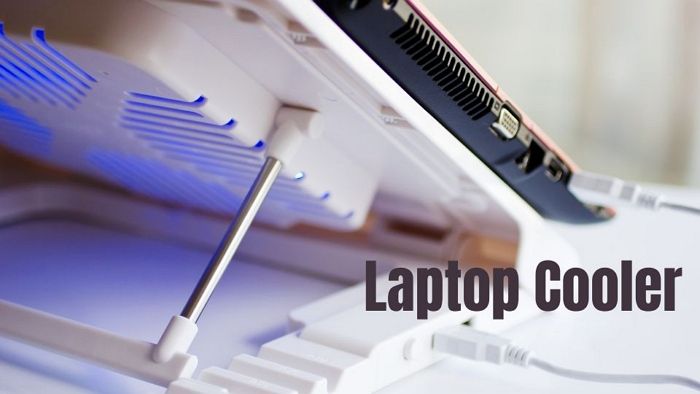
As laptops age, factors like dust and slowing fans can cause temperatures to rise, eventually leading to shutdowns if the heat becomes too intense.
To prevent a sudden laptop shutdown and extend its lifespan, consider using a laptop cooler, which can help lower the device's temperature.
A laptop cooler is a must-have accessory to keep your device cool, especially when the internal cooler is insufficient due to slow fans or excessive dust buildup. Using a laptop cooler helps maintain a comfortable temperature, even in hot and humid environments, and reduces the wear and tear caused by continued use.
2. Check power leaks
You've likely encountered sudden electrical shocks from your laptop in some instances, leaving a tingling sensation in your hands. Although not serious or life-threatening, these shocks can still take a toll on your laptop's longevity. The primary cause of these shocks is often a faulty or unearthed power socket to which you connect the charger. To resolve this issue, it's essential to check the socket and make any necessary repairs to prevent future shocks.
Faulty batteries can cause issues in a laptop's circuit, leading to frequent shocks, especially when touching metal parts. If you've experienced a minor shock, it's recommended to consult a technician for proper maintenance to avoid further problems.
3. Avoid using your laptop while eating
With the rise of remote work and increased online activities, people are spending more time on their devices, whether it's for gaming, social media, or work. As a result, snacking, meals, and beverages are often consumed simultaneously while working or engaging in other activities, leading to a more continuous and flexible eating routine.
Using a laptop while eating can lead to a buildup of liquid stains, water spills, bread crumbs, food particles, and sauces on the device. If not cleaned, these can obstruct the laptop's functioning and even cause dust and grime to accumulate in its parts, such as the vents that cool it. Additionally, food particles can attract ants, which can take up residence in the device, making it essential to avoid using laptops while eating to maintain their cleanliness and prevent potential issues.
4. Clean dust regularly
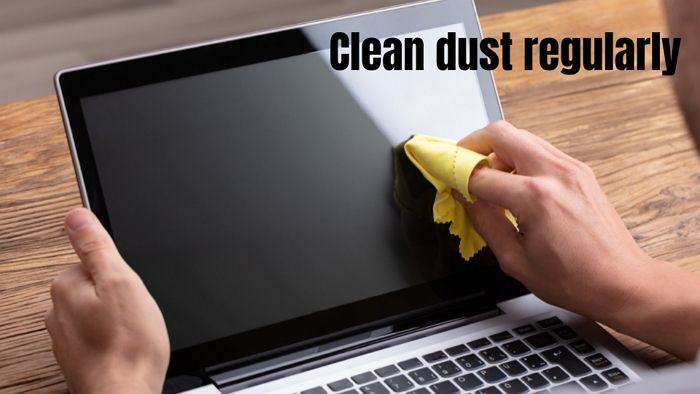
Regular laptop cleaning is necessary to prevent dust, dirt, and grime from accumulating and causing issues such as overheating and connectivity problems, ultimately affecting the device's performance and longevity.
To extend the life of your laptop and prevent issues, regularly dust it with a microfiber cloth or lint-free cloth, and consider using an electrostatic duster for the screen edges. Additionally, if you're comfortable with it, cleaning the laptop itself can potentially double its lifespan.
5. Use keyboard protectors with caution
Using a keyboard protector can provide protection for your laptop keyboard and keys, reduce typing noise, and serve similar purposes. However, it's recommended to use them with caution, as they can sometimes leave a gap between the keyboard and screen closure lock, leading to increased wear and tear, potential damage to the screen, and altered closure mechanism. Additionally, some keyboard protectors can cause overheating, which can negatively impact the system's lifespan. If you do choose to use a keyboard protector, be sure to monitor it carefully to avoid these potential issues.
6. Unplug the charging cable after charging the laptop
Unplugging your laptop's charging cable after it's fully charged is recommended to prevent overheating of the battery and maintain its optimal performance. This is especially important for older laptops, where you may have already experienced the effects of overcharging. Additionally, avoid charging your laptop when the battery is partially drained; instead, let it drain to around 40% before recharging to complete the discharge cycle and ensure the battery functions well.
To prolong the lifespan of your laptop, it's recommended to avoid charging it while in use, as this can reduce its overall lifetime. Additionally, if your laptop is relatively new (less than 3-4 years old), the charger will automatically cut off power once the battery is fully charged, so it's still best to charge and use separately. This can help prevent overheating and other potential issues.
7. Keep the laptop running at a low temperature
To ensure optimal laptop performance, it's essential to maintain a suitable temperature environment. This can be achieved by ensuring good ventilation in the area, using the laptop in a well-ventilated space, and keeping it away from direct sunlight or heat sources. Additionally, running fans or an air conditioner can help keep the laptop at a comfortable temperature, which is typically between 60°F to 80°F (15°C to 27°C). By doing so, you can help prevent overheating, which can slow down or even shut down the laptop. This simple precaution can help maintain the laptop's performance and extend its lifespan.
Avoid using a laptop on soft surfaces like laps, couches, beds, or anything that blocks ventilation. Also, when traveling in a car, keep it away from direct sunlight to prevent overheating of components and the battery.
To ensure your laptop is well-protected, it's essential to invest in a high-quality laptop bag that is specifically designed for laptops. This type of bag will provide the best protection against external factors such as scratches, bumps, and drops, keeping your device safe and secure while you're on the move.
8. Replace/Upgrade laptop HDD with an SSD
Upgrading to a Solid State Drive (SSD) can significantly improve your laptop's longevity, especially if it's two years old, by increasing processing speed and reducing operational noise, making it a worthwhile investment despite the higher cost compared to a traditional hard drive.
9. Create a Backup
Laptops have a fixed storage space that cannot be extended like a PC, so it's crucial to regularly backup and delete unnecessary data, using cloud drives or external drives for safe storage.
Switching from a traditional hard drive (HDD) to a solid state drive (SSD) requires special software and can be cumbersome, especially when using the Windows Backup process. However, users can simplify the transition by using Qiling Backup, a user-friendly alternative that doesn't require extensive technical knowledge.
The system partition data backup creates an image file on the SSD, making it easier to retrieve files. This process allows for quicker and better recovery speeds. Additionally, you can clone all your data, including system and personal files, apps, media, and programs. With a system image, you can enjoy a full-offline lossless backup that preserves all your data.
How to Increase Battery Life of Laptop?
Here are the tips to extend the battery life of your laptop:
- Avoid using the laptop while it is being charged
- Block running unnecessary apps in the background
- To prolong the battery life of your laptop, it's recommended to follow charging practices, such as limiting charging to 100% and keeping the battery between 70% and 80% charged. This helps prevent excessive charge and discharge cycles, which can reduce the battery's lifespan.
- To maintain a comfortable viewing experience, consider keeping the brightness at a moderate level, around 20-30 percent, and only adjust it up when necessary, rather than setting it at the highest level.
How To Extend the Life of Your Laptop Display?
To maintain your laptop's display, follow good practices such as cleaning the screen regularly, avoiding direct sunlight, and keeping the laptop in a cool and dry place. Avoid harmful practices like exposing the laptop to extreme temperatures, using it on uneven surfaces, and applying excessive pressure on the screen. Regularly updating your laptop's drivers and software can also help prevent display issues.
1. Reduce the possibility of screen exposure to sunlight
Reducing sunlight exposure to laptop screens is a crucial practice that often gets overlooked. Prolonged heat from sunlight can significantly impact the hardware's lifespan, while UV radiation can damage the display screen. Short exposure periods may not cause significant harm, but frequent or prolonged exposure can affect the display's life. To protect both your eyes and the screen, it's essential to prioritize shade over direct sunlight when working outdoors. This simple habit can make a significant difference in maintaining the display's lifespan and promoting eye health.
2. Clean up often
Cleaning your laptop screen regularly is essential to maintain its quality and longevity. Use a lint-free, microfiber cloth or a soft wipe to gently wipe away smudges and dust, which can accumulate over time. Alternatively, consider using a screen protector for added protection. However, avoid using soap and water to clean the screen, as this can damage the electronic equipment. By taking these simple steps, you can keep your laptop screen looking its best for a longer period.
3. Reduce the brightness
To prolong the lifespan of your laptop's LCD backlight, reduce the brightness to an ideal level for your visibility and work, avoiding full brightness. Keep the intensity between 200-250 nits. This will help preserve the display's longevity and increase its lifespan. Additionally, maintaining a moderate brightness level will also help slow down battery discharge and extend the battery's lifespan. If the backlight dims significantly, adjust it accordingly. By making these adjustments, you can help extend the life of your laptop's display.
4. Close the Screen when you Leave for a Long Time
To prolong the life of your laptop's display, it's recommended to close the screen or lid when not in use to prevent strain on the hinges mechanism. Additionally, minimizing exposure to excess light, dust, and moisture will also help extend its lifespan. Consider using an external monitor whenever possible to reduce the display's usage and increase its overall life.
5. Never Poke the Screen with Sharp Objects
Never use sharp objects near the screen, as they can cause damage. If you need to clean or replace the screen, use proper tools to avoid any harm.
Things to Know Before Replacing Your Laptop
Upgrading your laptop is essential, as it allows you to access more advanced features, increased storage, better graphics, improved processing speed, and enhanced performance. This upgrade is often necessary to meet changing needs, and it's easy to overlook some crucial aspects in the excitement of replacing an old laptop.
To ensure your laptop's data, including memories and work files, is safely stored, consider backing it up with Qiling Backup to its Cloud Drive or using a full offline backup to an external drive. This way, you can easily restore your data when you get a new laptop.
Summary
The lifespan of a laptop is largely determined by its hardware, and by following certain methods, you can extend its life. Proper care of the battery display is crucial, as excessive memory usage can lead to overheating, affecting performance and longevity. By being mindful of these factors, you can help increase the lifespan of your laptop.
We suggest replacing the hard drive with a solid-state drive (SSD) to improve processing speed and performance. You can use the Qiling Backup tool to restore data on the new SSD. Alternatively, you can upload data to Qiling Backup's Cloud Drive to free up internal memory and prolong laptop lifespan.
Related Articles
- [Fixed] Destination Folder Access Denied You Need Permission to Perform This Action in Windows 10/8/7
- Solved: What Is Taking Up Space on My Hard Drive in Windows 10/8/7
- Windows 10 System Restore Points Gone and Missing
- How to Update/Reinstall macOS Without Losing Data
- How to Connect PC to WiFi and Fix PC Can't Connect to WiFi Issue
Do you want to know how to connect your PC to Wi-Fi but are unsure how to do so? You couldn't have found a better destination! If you follow the guidelines outlined in this article, you will have no trouble connecting to your wireless network. - How to Delete Apps on Chromebook
If you've got any apps you don't want on your laptop anymore, then knowing how to delete apps from a Chromebook will come in handy. Want to learn how to delete apps on Chromebook? Here are the steps for removing different apps based on device type.
Products
Articles & Tutorials
- Data Recovery
- Data Backup
- File Recovery
- File Backup
- System Backup and Restore
- Disk and Partition Clone
- Technical articles
- Mobile articles
- Disk Master Help
- Windows Data Recovery Tutorials
- Windows Secure Delete Tutorials
- Windows Partition Management Tutorials
- Windows File Backup and Restore Tutorials
- Windows System Backup and Restore Tutorials
- Windows Disk Backup and Restore Tutorials
- Windows Clone Tutorials