How to Backup Data from Hard Drive without OS in 3 Ways
PAGE CONTENT:
- 1. Windows OS Corrupted? You Need to Backup Hard Drive
- 2. There are three ways to backup data from a hard drive without an operating system: using a live Linux CD, a bootable USB drive, or a hardware-based backup solution. A live Linux CD can be used to access the hard drive and transfer files to an external drive or cloud storage.
- 3. The Wrapping Up
- 4. FAQ about Backup Data from Hard Drive without OS
Windows OS Corrupted? You Need to Back Up Hard Drive
When your Windows operating system is corrupted and won't boot, you may need to format your internal hard drive and reinstall the OS to get your computer working again. Before doing this, it's essential to back up your data as formatting will erase all data from the hard drive.
With a corrupted operating system, it's challenging to backup data directly from the hard drive. However, you can try using a live USB or a bootable CD/DVD with a rescue disk or a system repair disk to access the hard drive and perform a backup.
Fortunately, there are still some ways to backup data from a hard drive without an operating system. This article will highlight three effective methods that can help you achieve this.
3 Working Ways to Backup Data from Hard Drive without OS
Method 1. Create Emergency Disk with Backup Software
To back up your hard drive using another working PC, you'll need to connect the hard drive to the other PC using a USB cable or an external hard drive enclosure. Once connected, the other PC should recognize the hard drive and allow you to access its contents. You can then use software like Qiling Backup to create a backup of the hard drive.
Method 3. Use A Live CD or USB drive
Method 1. Create Emergency Disk with Backup Software
The first solution involves using a third-party tool called Qiling Backup, which can easily back up a problematic internal hard disk to an external hard drive without requiring the OS to be working.
Qiling Backup, a professional backup and restore utility, can create a backup of your hard disk even if the Windows operating system isn't booting on.
The purpose of this method is to create a bootable Windows PE image on an empty USB drive, which can then be used to boot your computer and run Qiling Backup to back up your data.
- Notice:
- To complete the backup, you'll need an external hard drive with sufficient storage, a USB flash drive, and another functioning Windows computer. You'll also need to download Qiling Backup to initiate the backup process.
Here is the step-by-step guide:
To create a backup using Qiling Backup, you'll need another working computer to create an emergency disk. This disk will allow you to boot your unbootable computer and make a full backup.
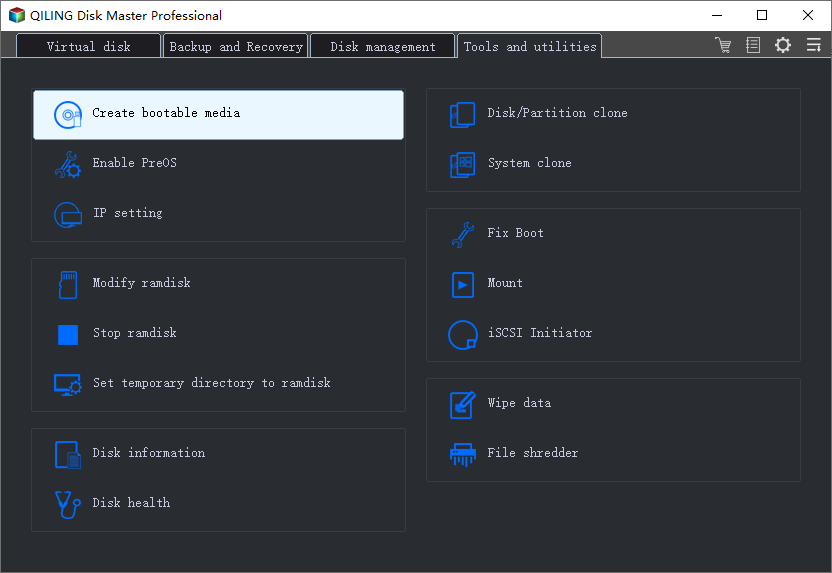
Step 1. To create a Qiling Backup emergency disk, plug in a USB flash drive and access a working computer. Launch Qiling Backup, navigate to the "Tools" section, and click on "Create Emergency Disk".
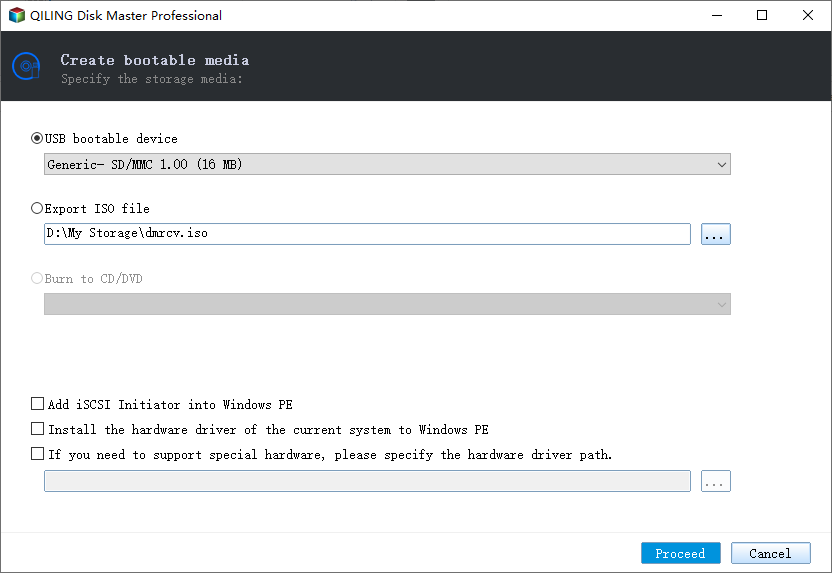
Step 2. To boot from a USB drive, select the USB option when choosing a boot disk location and click Create.
Step 3. To back up your computer, insert the emergency disk into the computer that needs backing up, restart it, and press F2/DEL to enter the BIOS. From there, change the boot sequence to prioritize the bootable disk, then start the computer and run the Qiling backup software from the disk.
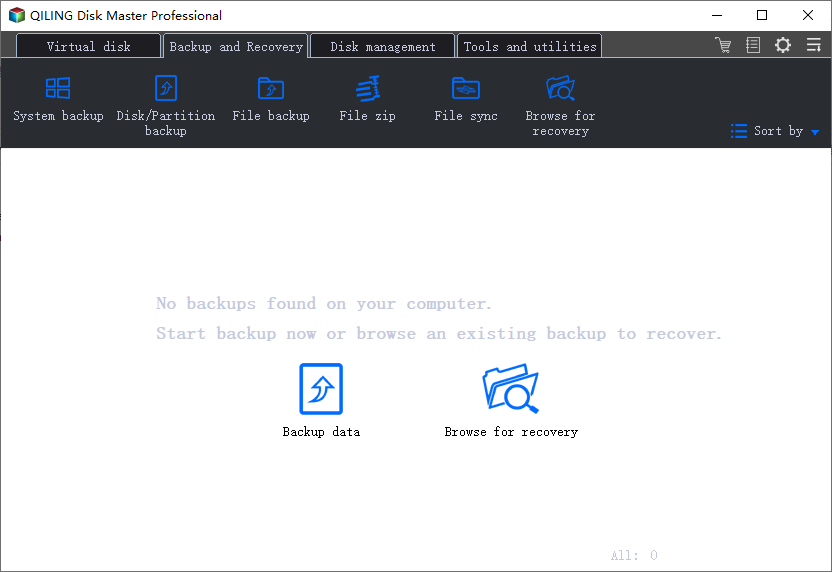
Step 4. To make a full backup of your computer's hard drive(s), access the "Select backup contents" option and choose the "Disk backup" mode. From there, select the computer hard drive(s) you want to back up.
Step 5. Save the backup file to an external storage device, such as a USB drive or an external hard drive, for safekeeping.
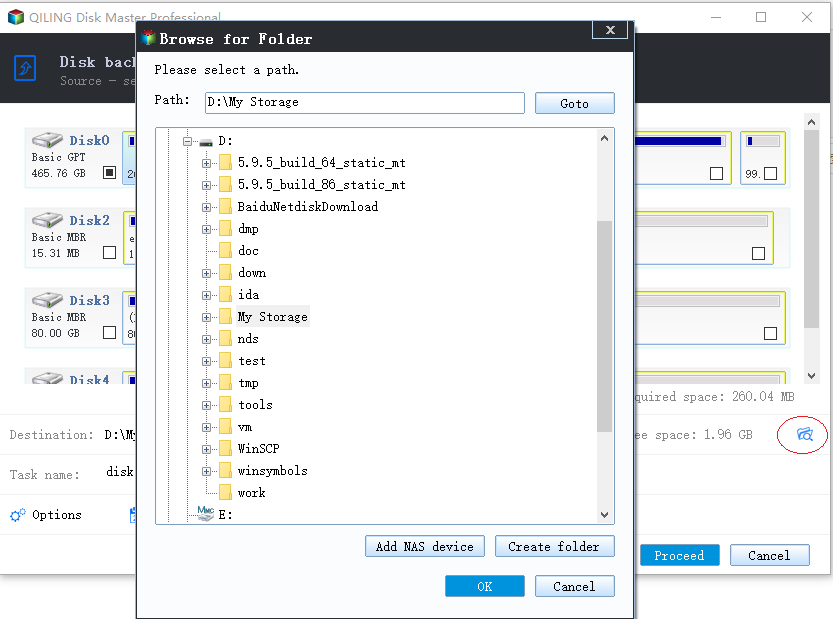
Step 6. Click "Proceed" to execute your operation.
Method 2. Using Another Working PC to Read and Backup Hard Disk
If you have another accessible PC, you can connect the problem drive to it as an external hard drive, and backup data from the problem hard drive by copying and pasting. This process allows you to safely transfer files from the problematic drive to the working one, effectively creating a backup of your important data. To do this, simply connect the problem drive to the working PC, open the working PC's file explorer, and navigate to the problem drive's location. From there, you can select the files you want to copy and paste them to the working PC's storage, ensuring your data is safely backed up.
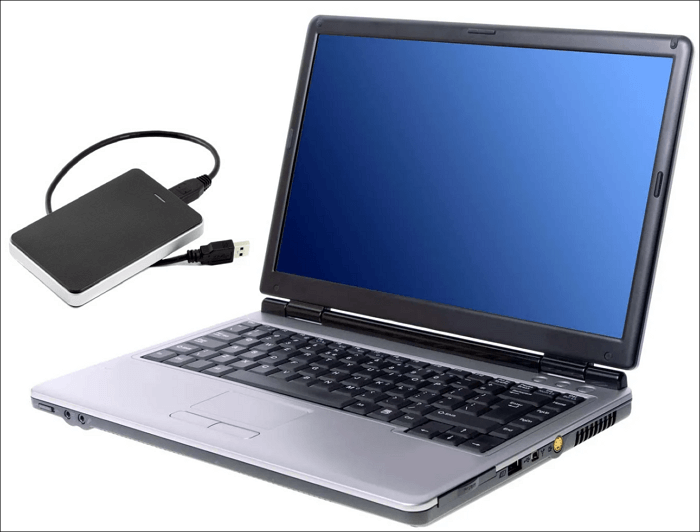
Step 1. Connect the corrupted internal hard drive to a working PC via a USB-to-SATA cable or USB-to-IDE/EIDE cable.
Step 2. Once the computer recognizes the problem hard drive, open the drive to check the files stored on it.
Step 3. Copy all necessary files from the problem hard drive to a safe location on the working PC.
- Tip
- You can also use Windows Built-To create a hard drive backup using the Backup and Restore feature in Windows 7, follow these steps: Go to the Start menu and click on "Control Panel." In the Control Panel, click on "System and Security" and then click on "Backup your computer.
Method 3. Use A Live CD or USB drive
To back up data from a hard drive without an operating system, you can use a live CD or USB drive, which allows you to boot from it and access your hard drive to copy files to another location.
There are several live CDs available, including various options that can be used for various purposes, such as running a system on a computer without installing it, troubleshooting, and more.
- Ubuntu Live CD: https://www.ubuntu.com/download/desktop
- Fedora Live CD: https://getfedora.org/en/workstation/download/
- Debian Live CD: https://www.debian.org/CD/live/
To use a live CD to backup data from a hard drive without an operating system, you can insert the live CD into your computer and boot from it. This will load a temporary operating system that allows you to access your hard drive and copy your data to a safe location, such as an external hard drive or a USB drive.
Step 1. To begin the process of installing a Linux distribution, the first step is to download the live CD image from the official website of the distribution you wish to use. This live CD image is essentially a bootable ISO file that contains the operating system and all the necessary tools to install and run Linux on your computer.
Step 2. Burn the image to a blank CD or USB drive.
Step 3. Boot your computer from the live CD or USB drive.
Step 4. To ensure the security and integrity of your data, it's highly recommended to copy it to another location, such as an external hard drive. This will provide a safeguard against data loss in case of hardware failure, software corruption, or other unforeseen events.
The Wrapping Up
You can use the following methods to backup data from a hard drive without an operating system: once you've created a hard drive backup, you can format your drive and reinstall Windows OS, or you can use a live OS or a bootable USB drive to access and transfer your files, or you can use a third-party software that can read and copy data from a non-bootable drive.
The second and third methods are one-time, throwaway solutions for backing up a hard drive. For a long-term solution, use a backup program like Qiling Backup to regularly back up data from your hard drive.
Qiling Backup offers various backup types, including full, differential, and incremental backups, allowing you to back up disks, partitions, files, folders, and even the entire system. It also enables you to clone a hard drive to an SSD or HDD in Windows operating systems, making it a convenient option.
FAQ about Backup Data from Hard Drive without OS
1. How do I access my hard drive without an operating system?
You can access your hard drive without an operating system using three methods: Qiling Backup, which allows for quick and easy backup, and two other methods that are detailed in the article.
2. Can I back up a hard drive from BIOS?
The BIOS can help identify the hard drive and other connected devices, but it cannot back up data from the hard drive. To backup files, you would need to use a professional backup software like Qiling Backup or utilize a Live CD and another working PC.
3. How can I recover data from an external hard drive without software?
If you don't have backup software, you can recover data from an external hard drive by using a Live CD or another working computer. Connect the external hard drive to the computer and copy the files to a safe location.
If Windows will not boot and you mainly need personal files, follow the file-copy steps for a hard disk without an OS.
Related Articles
- [2 Safe Ways] How to Backup Windows 11 to USB
- How to Create a Backup Disk for Windows 10 [Two Best Solutions 2022]
- How to Choose the Right SSD for Your Needs
- Partition Backup|How to Backup Partition with Windows Partition Backup Software
- How to Backup/Save Favorites Mailbox in Outlook[Manual & Automatic Ways]
Learn how to back up or save the Favorites mailbox in Outlook manually or automatically to protect frequently used email folders. - Should I Backup Before Windows 10 Upgrade/Reinstallation? 2022 New!
This guide helps individual users determine whether to back up their data before upgrading to Windows 10, and provides preparation and backup steps using Qiling Backup.
Products
Articles & Tutorials
- Data Recovery
- Data Backup
- File Recovery
- File Backup
- System Backup and Restore
- Disk and Partition Clone
- Technical articles
- Mobile articles
- Disk Master Help
- Windows Data Recovery Tutorials
- Windows Secure Delete Tutorials
- Windows Partition Management Tutorials
- Windows File Backup and Restore Tutorials
- Windows System Backup and Restore Tutorials
- Windows Disk Backup and Restore Tutorials
- Windows Clone Tutorials