How to Backup USB to OneDrive [Bidirectional Way]
OneDrive and USB are both useful for storing and backing up data, but users may need to back up OneDrive to a USB flash drive if their account runs out of storage space or if they need to transfer files to a computer without internet access.
OneDrive allows users to access and store files, such as photos, music, and videos, from anywhere, making it a convenient option for backing up USB drives or replacing old ones.
To back up data from a USB drive to OneDrive and vice versa, you'll need to use the OneDrive Desktop/Web app and a third-party backup tool. This will allow you to transfer files from your USB drive to OneDrive and also sync OneDrive files to your USB drive, ensuring your data is safely stored in both locations.
Backup USB to OneDrive in Two Methods
To back up your USB drive to OneDrive, you can either download and use the OneDrive Desktop app or the OneDrive Professional backup software, which we'll cover in the next part.
Method 1. How to Backup USB to OneDrive with Backup Software
We recommend backing up your USB drive to OneDrive using backup software like Qiling Backup Home, which can quickly and safely save your files and folders.
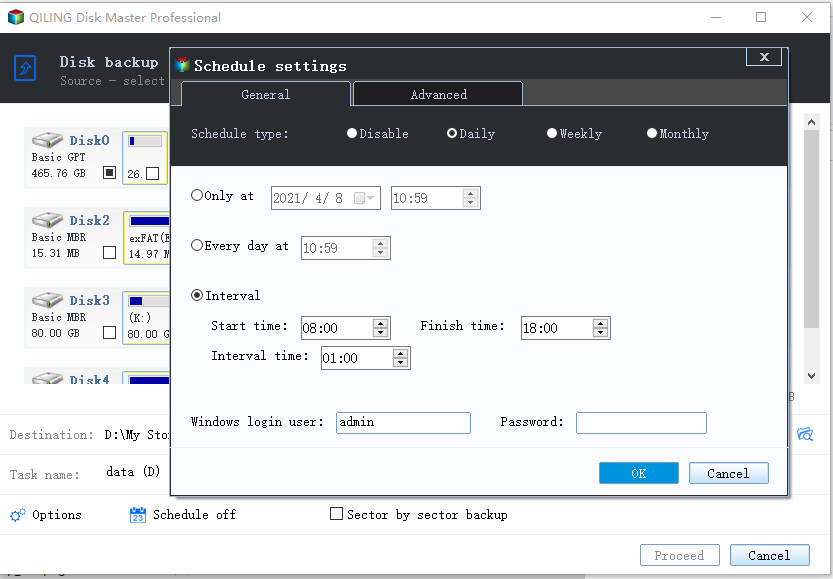
After downloading Qiling Backup Home, you can take advantage of its convenient Scheduled Backup feature. This allows you to back up your USB drives to OneDrive on a regular basis, with options for daily, weekly, or monthly automatic backups. Additionally, you can choose from full, differential, or incremental backup methods to suit your specific needs.
Let's start backing up USB drives to OneDrive with Qiling Backup. Backing up a USB drive or external hard drive to cloud storage is not too difficult with this tool.
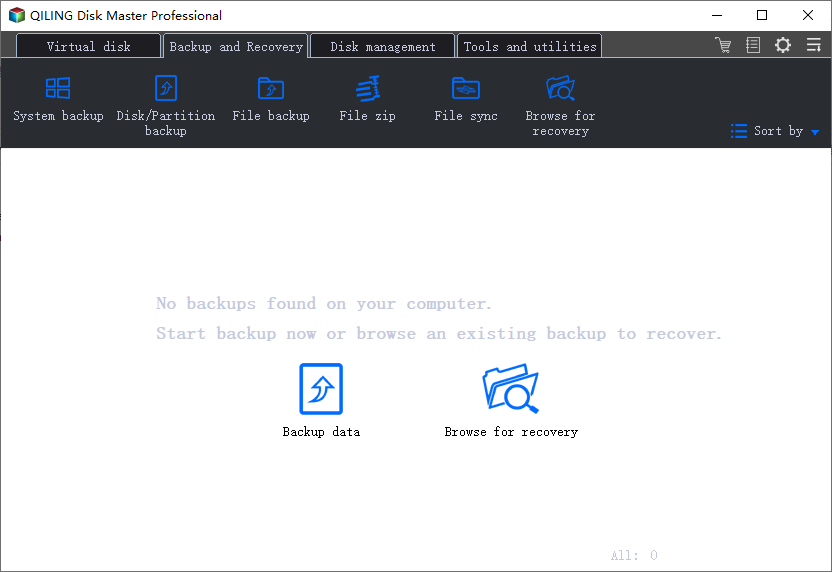
Step 1. To backup a disk or partition using Open Qiling Backup, select the option for "Disk/partition Backup" on the home page.
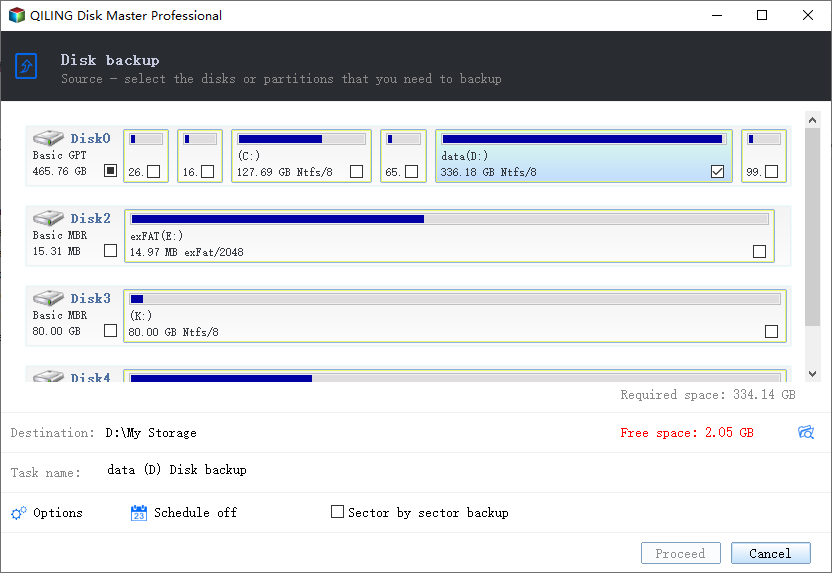
Step 2. Qiling Backup allows you to selectively back up a whole disk or a specific partition, giving you flexibility in your data storage needs.
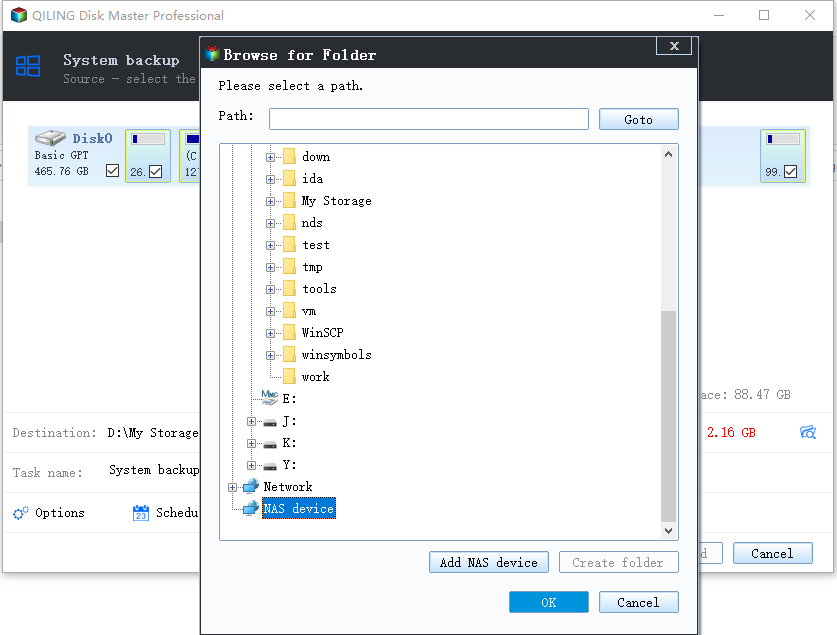
Step 3. Select the destination where you want to save the backup. You can choose to save the backup to a local drive or to a Network-Attached Storage (NAS) device.
Step 4. After completing the backup process, click "Proceed". You can then manage your backup by clicking on any task, such as recovering it, creating an incremental backup, and more.
Method 2. How to Backup USB to OneDrive with OneDrive Desktop
If you're a Windows 10/11 user, the OneDrive Desktop app is likely already installed on your computer. If not, you can download Microsoft OneDrive yourself. Once installed, if your USB drive is connected to the computer, you can proceed.
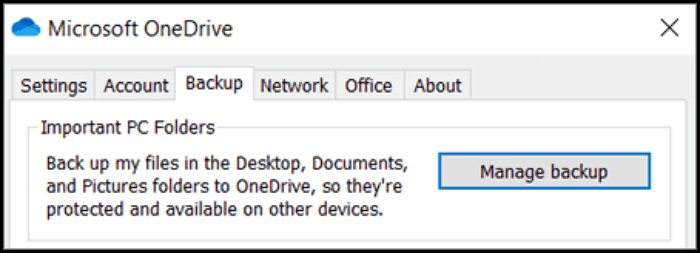
Step 1. You should start OneDrive Desktop first and select "Settings".
Step 2. Select "Backup" and click "Manage Backup".
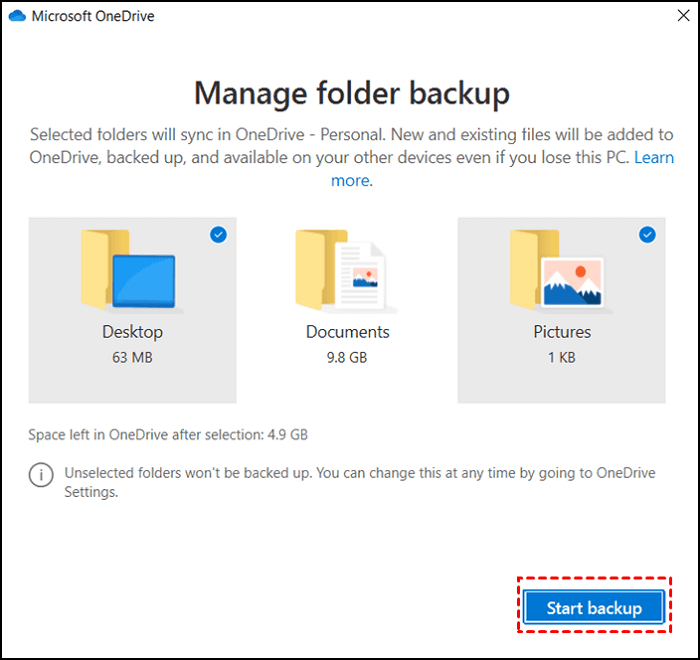
Step 3. Select the folders on your USB flash drive that you want to back up to OneDrive, then click "Start backup".
How to Backup OneDrive to USB [Two Ways]
OneDrive's storage space is limited, so when it's full, users need to back up their files to an external hard drive or USB drive to free up space and ensure their data is safely stored elsewhere.
Method 1. How to Backup OneDrive to USB on OneDrive Web
You can download OneDrive files and folders directly to a USB drive from the OneDrive Web interface.
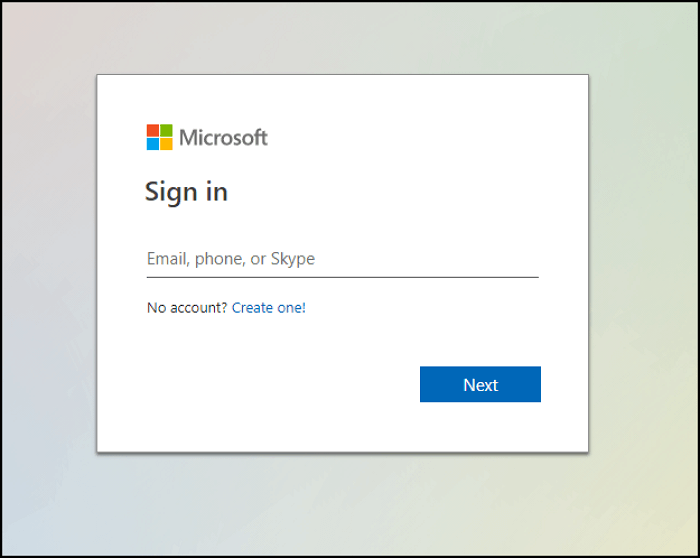
Step 1. To access OneDrive, visit the OneDrive Web and connect your USB flash drive to the PC.
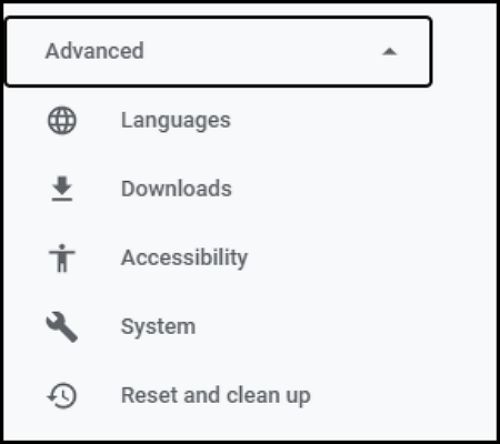
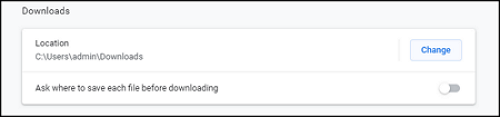
Step 2. Click "Chrome Settings" and choose "Advanced".
Step 3. Click "Download" and change the destination to your USB drive.
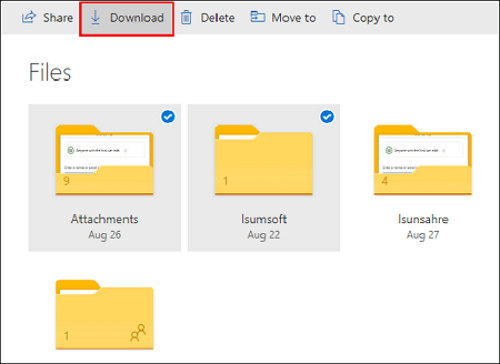
Step 4. Choose the files and folders you want to back up to your USB flash drive and click "Download" to start the backup process.
Method 2. How to Backup Local Files to USB with Backup Tool
If OneDrive's default download destination is the local PC, Qiling Backup can help back up all local files to a USB drive.
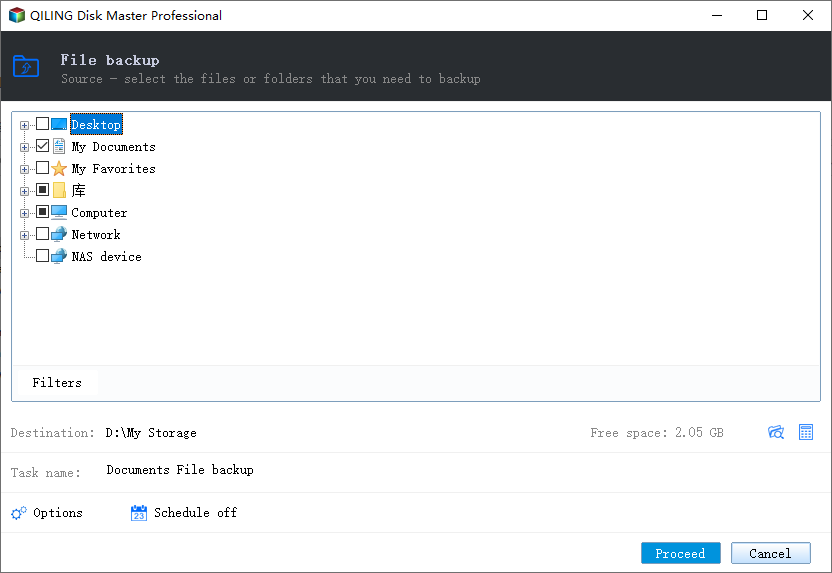
Step 1. To begin the backup process, click the File backup button.
Step 2. The left-hand side of the screen displays both local and network files, with the ability to expand directories to select specific files for backup.
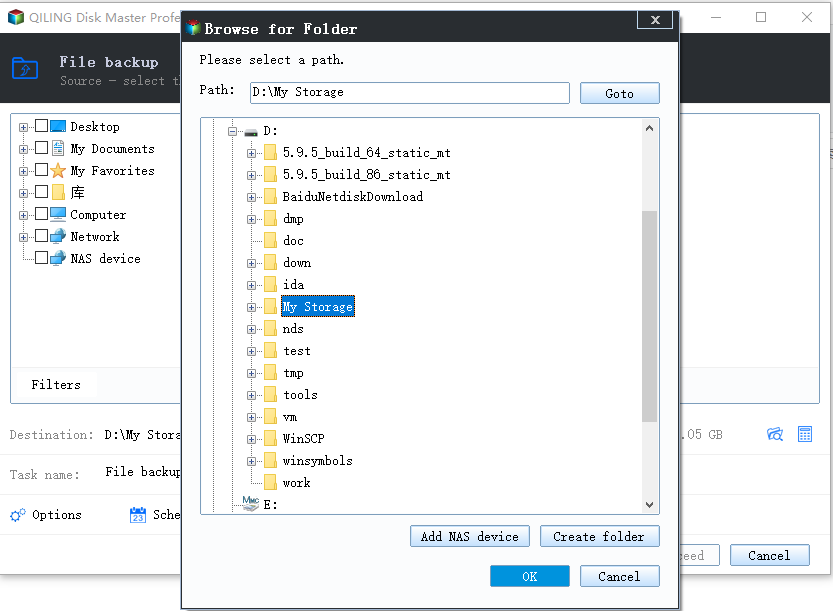
Step 3. Please follow the on-screen instructions to select a location for storing the backup.
Step 4. Set the backup schedule and encryption by clicking Options in Backup Options, ensuring that the backup is encrypted and set.
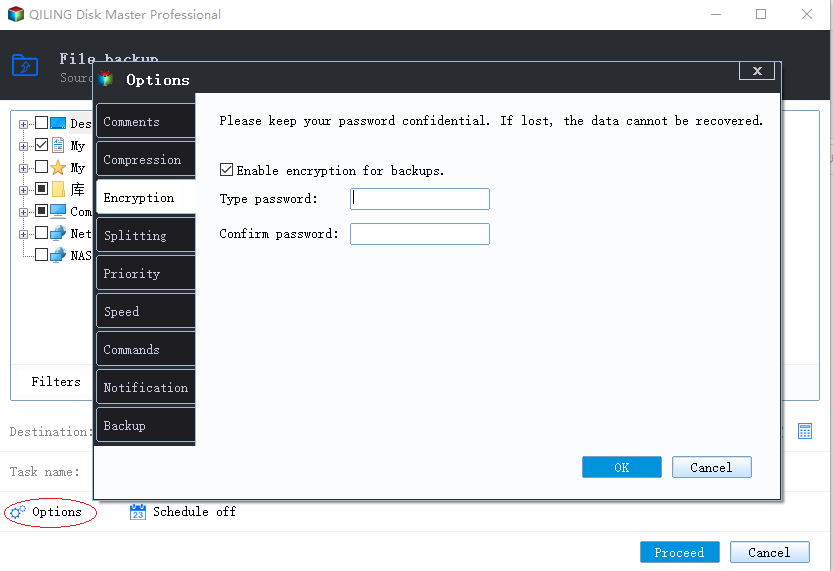
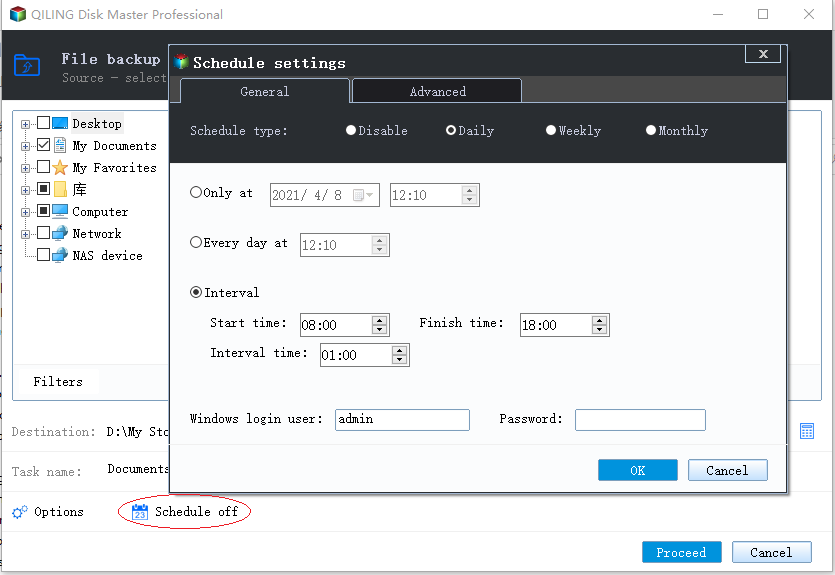
You can also choose to start the backup at a certain time in Backup Scheme by clicking Options, where you can find many other customizable options.
Step 5. You can store the backup file on your computer, in Qiling's cloud service, or on a network-attached storage device (NAS).
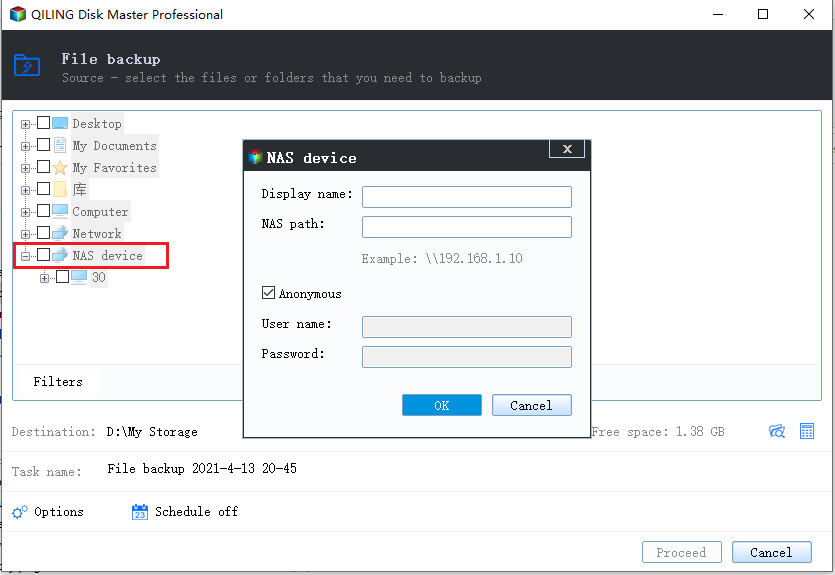
Step 6. Qiling Backup allows customers to store backup copies of their files on a third-party cloud drive or on the company's own cloud storage.
To back up data on a third-party cloud drive, select Local Drive and scroll down to add Cloud Device. Next, fill in your account information to complete the process.
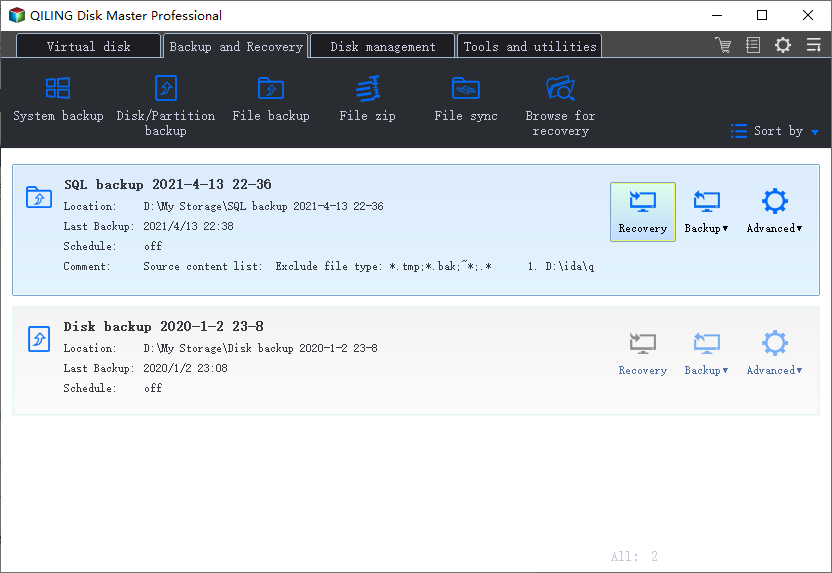
Step 7. To start a backup, click on the Proceed button. The backup process will be displayed as a card on the left-hand side of the screen once it's complete. You can click on the card to view more details about the backup job and learn how to manage it further.
Bottom Line
Qiling Backup is a versatile tool that allows users to back up USB drives to OneDrive using a disk backup option, or back up OneDrive files to USB using a file backup option. Additionally, it supports operating system backup and cloning, making it a helpful tool for various backup needs.
Backup USB to OneDrive FAQs
If you still have doubts, check more questions and answers in this part.
Can I backup an external drive to OneDrive?
You can quickly back up an external hard drive to OneDrive using Qiling Backup.
- 1. Choose "Create Backup" and click "Select backup contents".
- 2. Click "Disk" and choose your external hard drive.
- 3. Click "Local", and you can find OneDrive here.
- 4. Click "Proceed" to start backing up.
Can I backup my OneDrive to a hard drive?
You can easily back up your OneDrive files to a hard drive by using OneDrive Web.
- 1. Visit the OneDrive Web first.
- 2. Click "Chrome Settings" and choose "Advanced".
- 3. To download a file, click the "Download" button and select the destination folder on your target hard drive where you want the file to be saved.
- 4. To back up files and folders to a hard drive, select the desired items and click the "Download" button.
How do I backup my USB to OneDrive?
You can back up your USB to OneDrive using the web interface or with backup software like Qiling Backup, which we recommend.
- 1. Choose "Create Backup" and click "Select backup contents".
- 2. Click "Disk" and choose your USB.
- 3. Click "Local", and you can find OneDrive here.
- 4. Click "Proceed" to start backing up.
How do I sync my USB to the cloud?
Applying backup software, such as Qiling Backup, is the most effective way to sync your USB content to the cloud for safekeeping. This approach ensures that your files are securely stored online, protecting them from potential data loss. By using a reliable backup software, you can easily transfer and sync your USB data to the cloud, providing peace of mind and ensuring that your important files are always accessible.
- 1. Choose "Create Backup" and click "Select backup contents".
- 2. Click "Disk" and choose your USB.
- 3. Click "Local", and you can find OneDrive/Google Drive/Dropbox here.
- 4. Click "Proceed" to start backing up.
Related Articles
- Things to Backup Before Reinstalling Windows, Don't Forget!
- 7 Best Windows 10 Backup Utility [Features and How-to Guide]
- How to Backup Entire PC to External Hard Drive on Windows? Best Solutions
- How to Backup Specific Folders Windows 10 (Quick & Easy)
- How to Fix Outlook Favorites Not Syncing[2022 New Update]
If you use Outlook as your primary email client, you know how important it is to have your favorite contacts easily accessible. However, if your Outlook Favorites aren't syncing correctly, this can be a significant inconvenience. - TOP 2 SanDisk SSD Backup Software for Windows 11/10/8/7
SanDisk SSD users can back up their data using SanDisk's SSD Backup software to prevent loss. This software allows for backups, and this page provides a detailed explanation of how to use it.
Products
Articles & Tutorials
- Data Recovery
- Data Backup
- File Recovery
- File Backup
- System Backup and Restore
- Disk and Partition Clone
- Technical articles
- Mobile articles
- Disk Master Help
- Windows Data Recovery Tutorials
- Windows Secure Delete Tutorials
- Windows Partition Management Tutorials
- Windows File Backup and Restore Tutorials
- Windows System Backup and Restore Tutorials
- Windows Disk Backup and Restore Tutorials
- Windows Clone Tutorials