Computer Imaging: Image A Computer with Step-by-Step Guide

An Overview of Computer Imaging: Things You Need to Know
Computer imaging Cloning is a process of copying all data, including the operating system, applications, and settings, to another computer.
Computer imaging is a process of creating a replica of a computer's configuration and software, allowing for rapid deployment and management of multiple computers. This process can be used as a backup method, providing a quick and effective way to restore a system in case of failure, minimizing downtime.
How to Image A Computer Easily: 2 Options
To create a Windows computer image, you can use the built-in Backup and Restore tool to create a system image, or use a third-party software like Qiling Backup Home, which is more powerful and flexible, allowing for automatic backup without manual intervention and ensuring no data loss during the process.
To create a computer image, you can use either the "Create Windows Image" or "Create Linux Image" methods. First, ensure that your system meets the minimum requirements for the operating system you want to create an image for. Next, insert the installation media for the operating system and follow the on-screen instructions to prepare the system for imaging.
Option 1: Image A Computer with Backup and Restore(Windows 7)
The Backup and Restore feature enables users to create a system image on an internal or external hard drive, allowing them to save and restore their system settings and files.
- Tip
- To create a system image backup, it's recommended to store it on an external device to prevent data loss in case of computer crashes or viruses. Follow each step carefully to ensure a successful backup.
To image a computer with Backup and Restore, follow these steps: First, go to the Control Panel and click on System and Security, then click on Backup and Restore. Next, click on Create a system image and select the drive you want to image, then choose a location to save the image.
Step 1. Connect your backup drive to the computer and prepare an external hard drive with enough storage space.
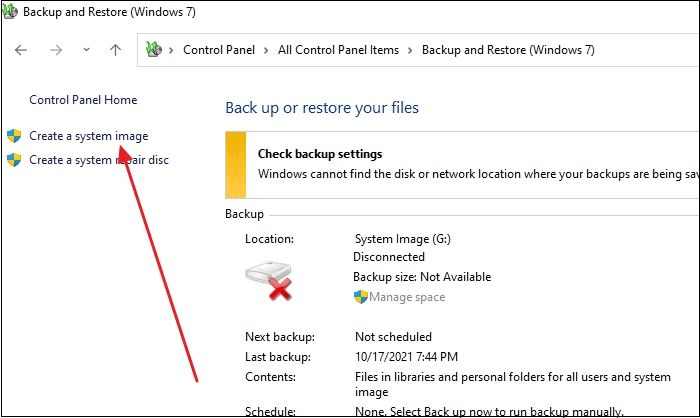
Step 2. Go to Control Panel, click on System and Security, then click on Backup and Restore (Windows 7).
Step 3. Click the "Create a system image" in the left pane.
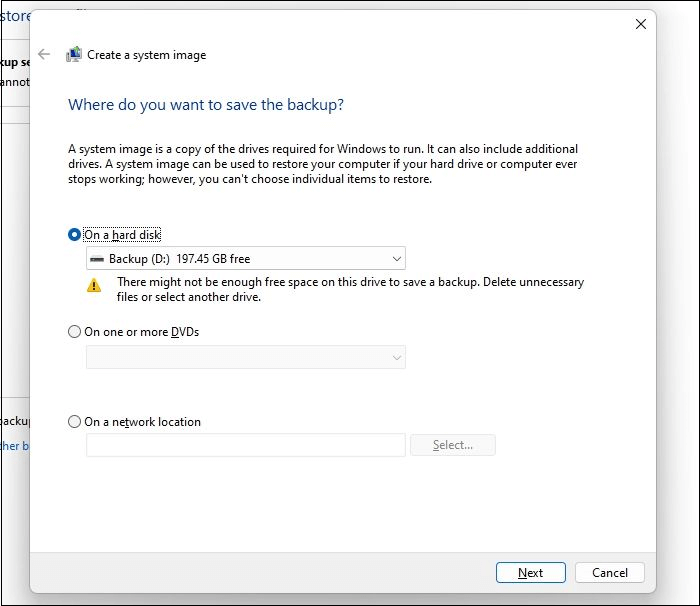
Step 4. To save a backup computer image, select a specific location such as an internal or external drive, click Next, and then choose and check all desired drivers to include in the backup before clicking Next.
Step 6. Tap the "Start Backup" button and wait for the system imaging process to complete.
Option 2: Image A Computer with Qiling Backup Home
Qiling Backup Home Veeam Backup & Replication is an award-winning backup and recovery software that creates system images for Windows computers, offering more flexibility and customization options than Backup and Restore.
With Qiling Backup, creating a computer image is simple, requiring only a few a few clicks and no data loss. Suitable for both beginners and professionals, this tool allows you to save the image to multiple locations, such as internal and external hard drives, Cloud services, NAS, or security zones, ensuring the security and integrity of your data.
The features that allow you to use it with confidence include:
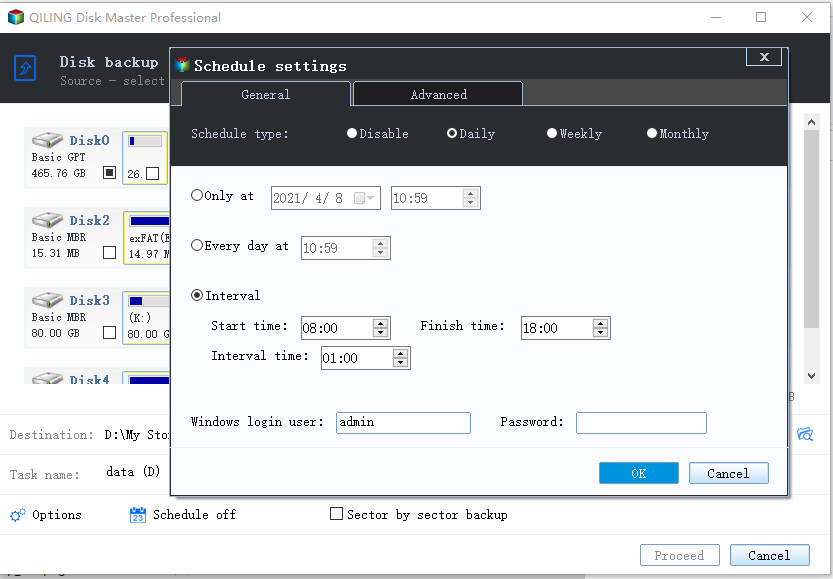
- Scheduled backup daily, weekly, monthly, etc.
- Incremental & differential backup
- System clone & disk clone
- Create backups for files, folders, disks, partitions, systems, and emails
- Universal Restore
- Create a WinPE bootable disk
- Safe & compress backup
- Transfer system to different computers
- Email notification
Now, follow the steps below to image a computer with Qiling Backup Home:
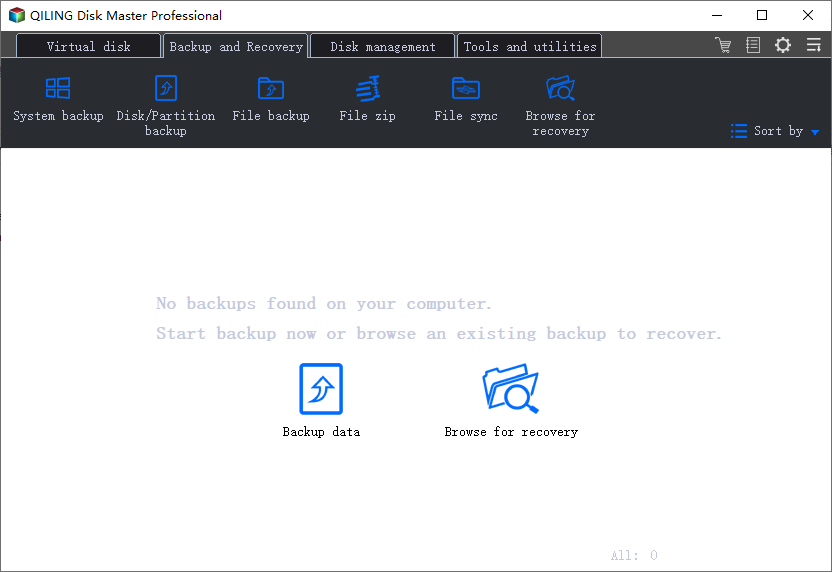
Step 1. Start by clicking the Disk/partition backup button.
Step 2. You can select a whole disk or a specific partition. This allows you to choose the level of detail in your backup, whether it's a full disk image or a more targeted backup of a single partition.
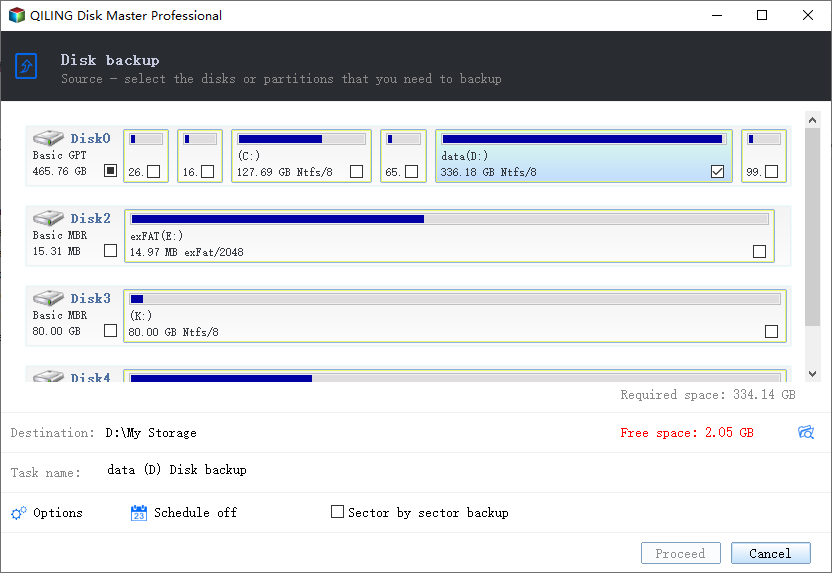
Step 3. Select the destination where you want to save the backup.
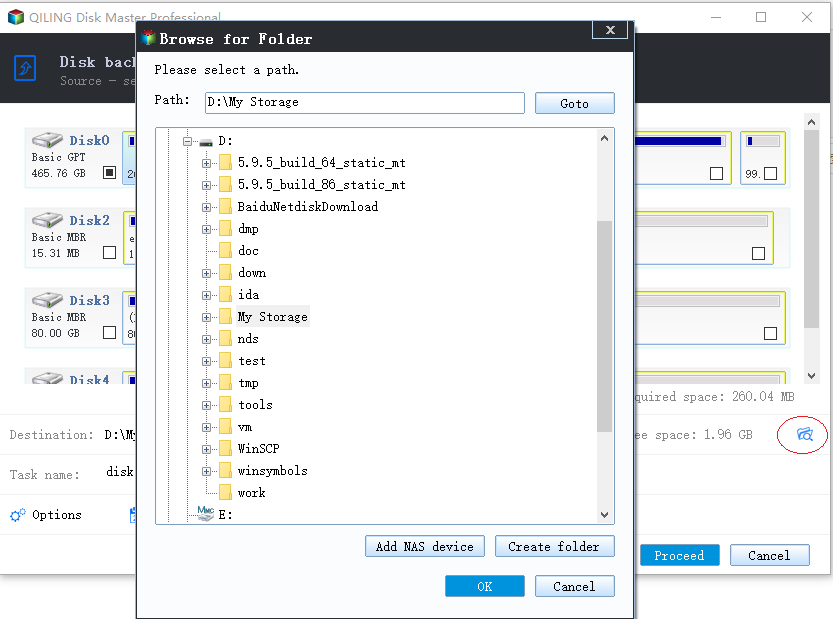
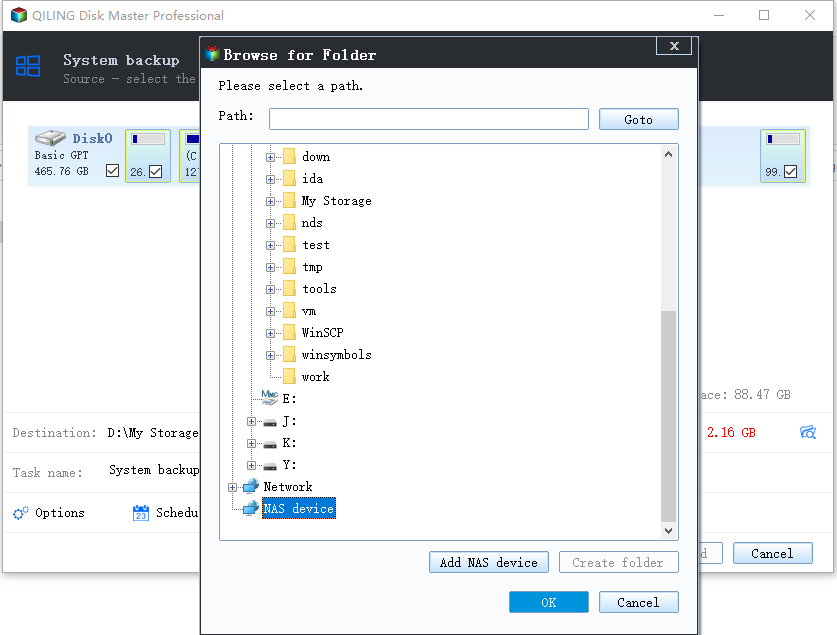
Step 4. For disk/partition backup, you can choose to save the backup to a local drive or to a Network-Attached Storage (NAS) device.
Step 5. Once the backup process is finished, your task will be shown on the left. You can manage your backup by clicking on any task, allowing you to recover it, create incremental backups, and more.
The Bottom Line
Computer imaging Backup and Restore (Windows 7) and Qiling Backup Home can be helpful tools for system administrators and end-users who need to back up their data or deploy software on multiple computers simultaneously, as they effectively image your computer.
We highly recommend Qiling Backup Home due to its safety and reliability advantages over Windows Backup and Restore. It offers more backup options, making daily backups easier and more efficient. This makes it a more suitable choice for users seeking a more reliable and user-friendly backup solution.
FAQ on Computer Imaging
1. What does imaging mean on a computer?
Imaging a computer involves creating an exact copy of the current system, including the operating system, applications, and settings, and storing it on another target computer, allowing for efficient software and configuration deployment across multiple devices.
2. What is computer imaging software?
Computer imaging software enables users to create an exact copy of their system, including OS, apps, and settings, in a quick and reliable manner, making it a safer alternative to manual system imaging.
3. How do I image a computer?
To create a system image of your computer, you can use either Windows Backup and Restore (for Windows 7) or Qiling Backup Home. Follow the guide in this article to learn how to create a system image using either of these programs.
Related Articles
- [Full Guide] How to Restore Windows 7 from System Image Backup
- How to Install Windows 10/8/7 on Multiple Computers at The Same Time | System Deployment Solution
- 5 Best Outlook Backup Software for Windows Free Download: 2022 Update
- Clone SSD/HDD Sector by Sector
- Can I Insert My Old Hard Drive Into My New Computer and Have It Working Without Reinstalling Windows?
Learn how to use an old hard drive in a new PC and reduce the need to reinstall Windows or move files manually. - Can I Update to Windows 11 Without Losing Data?
Can I update to Windows 11 without losing data? Do you want to get the right answer? This short post will describe how to upgrade to Windows 11 without data loss and offer an excellent backup software - Qiling Disk Master, to help you protect data.
Products
Articles & Tutorials
- Data Recovery
- Data Backup
- File Recovery
- File Backup
- System Backup and Restore
- Disk and Partition Clone
- Technical articles
- Mobile articles
- Disk Master Help
- Windows Data Recovery Tutorials
- Windows Secure Delete Tutorials
- Windows Partition Management Tutorials
- Windows File Backup and Restore Tutorials
- Windows System Backup and Restore Tutorials
- Windows Disk Backup and Restore Tutorials
- Windows Clone Tutorials