Fix Windows Error Code 0x0 0x0 in Four Ways
0x0 0x0 error code is a generic error code that indicates a problem with your computer's hardware or software configuration. It can be caused by faulty connections, driver issues, or hardware malfunctions. To fix this error code, you can try restarting your computer, running a disk cleanup, checking for driver updates, and running a system file checker. If the problem persists, you may need to seek professional help from a computer technician.
What is Error Code 0x0 0x0
0x0 0x0 error code typically indicates a system file corruption or incorrect system configuration, often caused by inaccurate or inconsistent entries in the Windows Registry file. This error can also be triggered by hardware issues or software conflicts. The name of the error code can provide additional clues to diagnose the root cause.
The "0x" sequence is a common abbreviation for the decimal number 16, referring to four bytes of data separated by numbers and letters. It appears in various system locations, often accompanying specific error names, such as DCD SQLSERVERapplication-name, indicating the level of damage or error logged.
The Caused of Error Code 0x0 0x0
Here are the most common reasons why you may encounter this issue:
- Operating system malfunction
- Invalid entries or irregular entries on the system
- Failed software installation or removal
- Computer shutdown incorrectly
- Malware or virus attack
How to Fix Error Code 0x0 0x0
0x0 error can be resolved by checking for corrupted system files, running a System File Checker (SFC) scan, and performing a DISM scan to repair corrupted system files and registry entries. Additionally, updating Windows and installing the latest drivers for hardware can also resolve the issue.
Fix 1. Perform Disk Cleanup
When your computer is running low on free space, it may display the 0x0 error code. To resolve this issue, perform a thorough disk cleanup by deleting unnecessary files and freeing up disk space. Before doing so, ensure you back up all important data to prevent potential data loss. This will help resolve the 0x0 error code and prevent further issues.
Qiling Disk/Partition Backup
- To ensure data safety, back up your computer's disk/partition, files, and system to an external hard drive or cloud storage. This will help prevent data loss in case of a hardware failure, software corruption, or other disasters.
- Simple backup plans with powerful options, save time and energy.
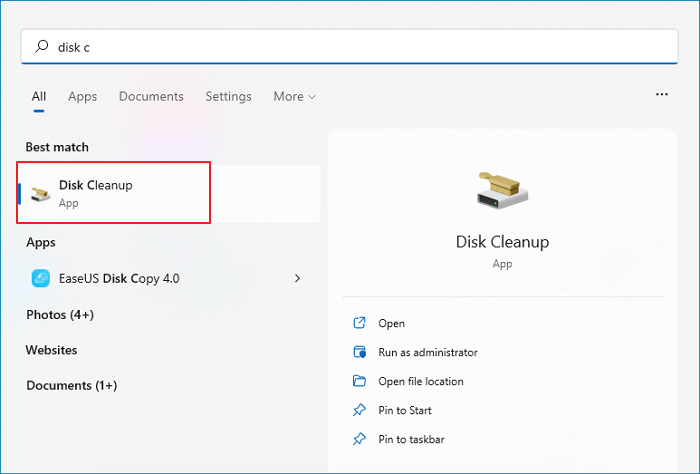
Step 1. To free up space on your computer, search for Disk Cleanup in the Windows search bar, and select the best match from the results. This will open the Disk Cleanup tool, which will scan your computer and display a list of files and data that can be safely deleted to free up space.
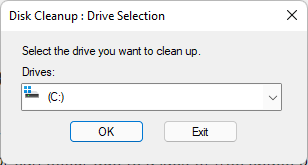
Step 2. Select the disk you want to clean and click "OK", making sure the data is backed up beforehand.
Fix 2. Close Conflicting Programs
When you encounter the 0x0 error, you can first check what software are conflicting with each other, which may be causing the issue.
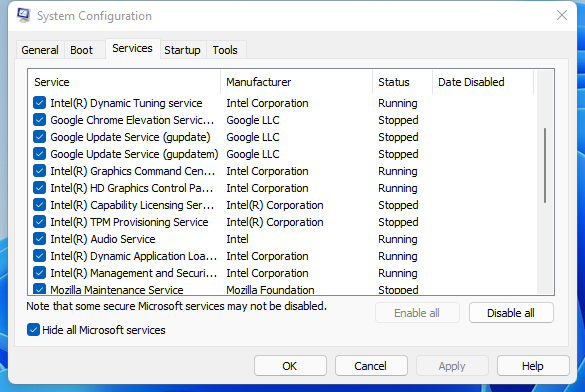
Step 1. To open the System Configuration Utility, press the Windows key + R keys to open the Run box, type "misconfig" and press Enter.
Step 2. In the System Configuration utility, click on the "Service" tab, select the option to "Hide all Microsoft services", and then click on the "Disable all" button. This will disable all services except for those provided by Microsoft.
Step 3. Click the Disable all button to disable all conflicting configurations.
Step 4. Switch to the Startup tab and select Open Task Manager.
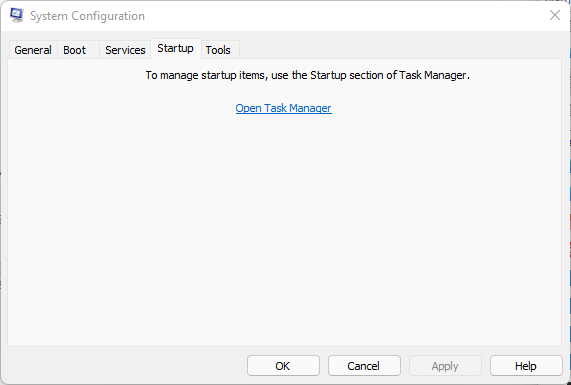
Step 5. Right-click each enabled startup item and select Disable. Then close Task Manager and go back to System Configuration. Click OK.
Step 6. Select OK in the pop-up window.
If the issue is resolved, you'll need to go back into the system configuration, re-enable the services you disabled, and then remove the problematic program until you find the one causing the problem.
Fix 3. Uninstall and Reinstall Graphics Driver
Faulty graphics drivers can cause 0x0 problems, which can be resolved by uninstalling and reinstalling the graphic driver.
Step 1. Search and select the best match to open Device Manager.
Step 2. To access the Display Adapters in the Device Manager, navigate to the section and expand it, which will display the video card driver.
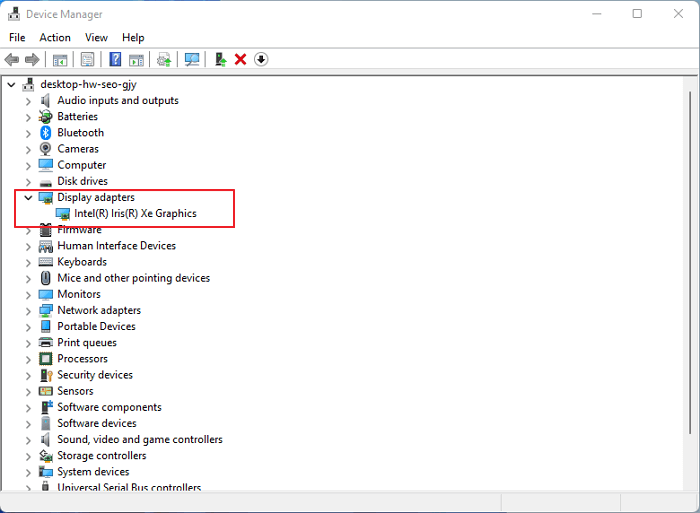
Step 3. Right-click the driver and select Uninstall device.
Step 4. Wait for the process to be finished, then restart your computer. Re-enter Device Manager, click the Action tab, select Scan for hardware changes.
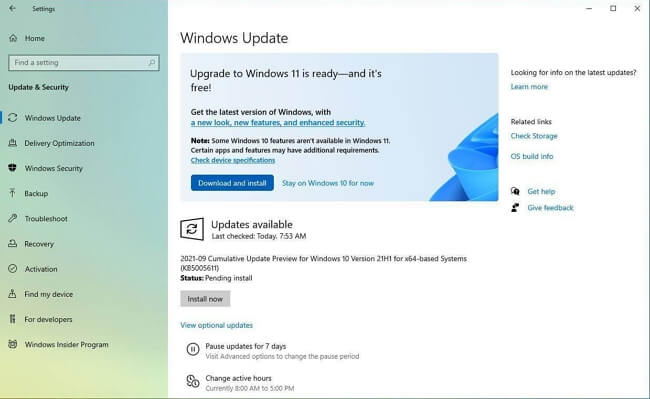
Fix 4. Update Windows System and Antivirus to the Latest Version
To resolve the issue, ensure that your system and antivirus software are up-to-date with the latest versions available. This should be done by checking the system for any pending updates and also verifying the antivirus software's update information. This simple and direct approach can help resolve the problem.
[For All Users] How to Upgrade to Windows 11
For all Windows users - Windows 7/8/10 to upgrade to the latest Windows 11.
Conclusion
To fix the 0x0 error on your computer, try restarting your system, checking for corrupted system files, and running a full system scan with an antivirus program. Additionally, updating your operating system and drivers can also resolve the issue.
Related Articles
- How to Copy OS from Laptop to USB Pen Drive
- Which One to Choose: What is the Best Gaming Laptop?
- [2022 Updated] 5 Best Cloud Backup Software Recommended
- How to Set Chrome as My Default Browser?
- Total AV VS Avast: Which Is the Right One for You?🔥
The choice between Total AV and Avast can be tricky, as both are highly effective antivirus tools with slight differences in malware detection and elimination. This comparison aims to help you make an informed decision between the two. - Unable to Copy Files to External Hard Drive on Windows 11[SOLVED]
If you're unable to copy files to an external hard drive on Windows 11, this guide provides step-by-step solutions to resolve the problem. Try the suggested methods to fix the error, or back up your files using a reliable backup tool from Qiling.
Products
Articles & Tutorials
- Data Recovery
- Data Backup
- File Recovery
- File Backup
- System Backup and Restore
- Disk and Partition Clone
- Technical articles
- Mobile articles
- Disk Master Help
- Windows Data Recovery Tutorials
- Windows Secure Delete Tutorials
- Windows Partition Management Tutorials
- Windows File Backup and Restore Tutorials
- Windows System Backup and Restore Tutorials
- Windows Disk Backup and Restore Tutorials
- Windows Clone Tutorials