Why Windows 10 Backup Says Windows 7
Introduction
Backing up collected data is crucial in today's data management, protecting against human errors, hardware failure, virus attacks, power failure, and natural disasters. If you've encountered issues with Windows 10 backup, such as it saying "Windows 7," this article provides a step-by-step guide to help you back up your data using Windows built-in tools like Backup and Restore (Windows7) and File History. Additionally, it recommends the best free backup software, Qiling Backup, to assist you in this process.
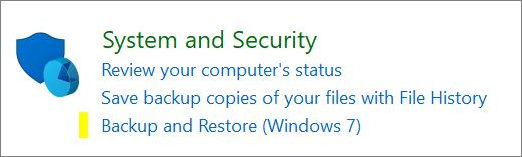
Why Does Windows 10 Backup Say Windows 7?
Microsoft has brought back the old Backup and Restore feature from Windows 7, which was deprecated in Windows 8 and removed in Windows 8.1, and it's now known as "Windows Backup".
This tool allows you to back up your PC in Windows 10, including restoring a system image to a new computer, and also provides the same backup functionality as Windows 7, so you can still use it to back up your PC even if you're using Windows 10.
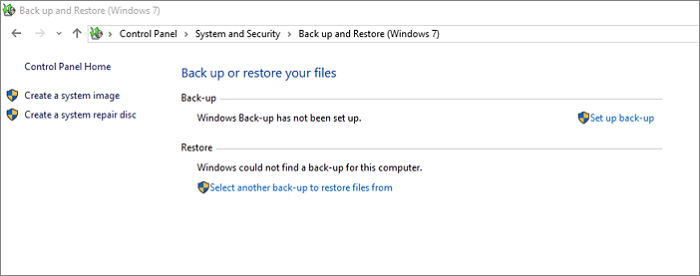
How to Backup Computer Though Windows 10 Backup Say Windows 7?
- Fix 1. Backup by Backup and Restore (Windows 7)
- Fix 2. Backup through Qiling Backup
- Fix 3. Backup via File History
Windows has several tools to help prevent data loss, including backup and restore features. The File History tool in Windows 10 not only backs up data but also allows you to restore previous files. Additionally, the Windows 7 Backup and Restore tool is still available in Windows 10 and can be used to perform selective or full backups, providing an extra layer of protection against data corruption or loss.
However, it's not a once-A comprehensive backup solution, including the free backup software Qiling Backup, provides perfect data protection. This allows you to build a robust backup system that safeguards your data. Let's examine each component individually.
Fix 1. Backup by Backup and Restore (Windows 7)
Backup and Restore (Windows 7) allows you to save backups on a network, USB flash drive, CD/DVD, or external hard drive. Experts recommend making frequent backups on an external drive and storing it in a safe, secure place. To backup data using Backup and Restore (Windows 7), you can follow these steps: (insert steps here) .
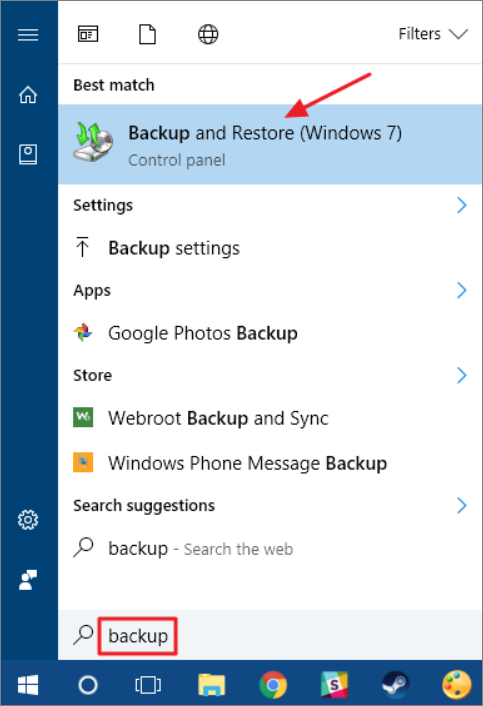
Step 1. To find the Backup and Restore tool, start by hitting the "Start" button, then type backup in the search box, and select "Backup and Restore (Windows 7)" from the list of programs.
- Notice:
- If you close programs, please ensure you've saved any open documents and closed those programs properly. If not, click "Close Programs" to safely shut them down.
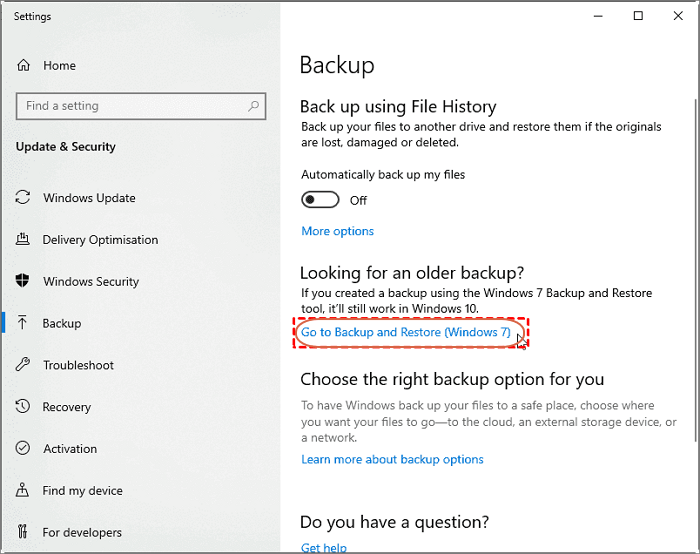
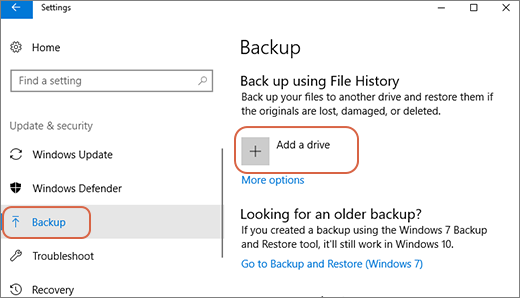
Step 2. Scroll down to click "Go to Backup and Restore (Windows 7)" under the Looking for an older backup tab.
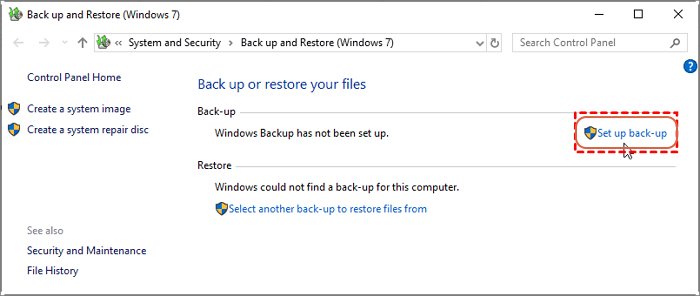
Step 3. When you come to the "Back up or restore your files" section, click on "Set up back-up".
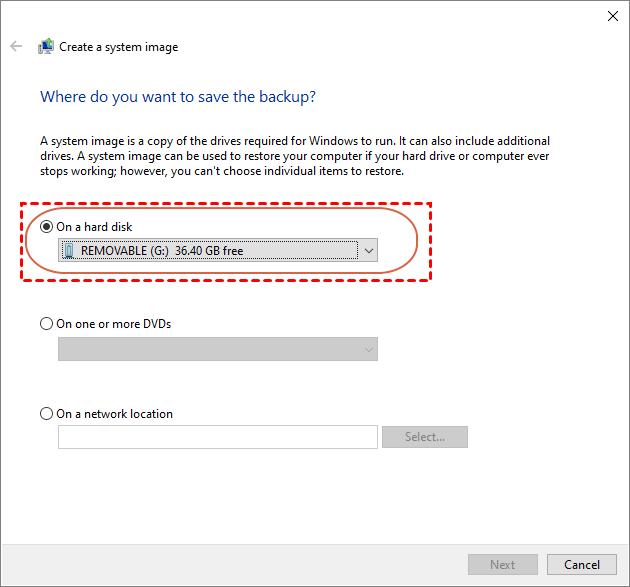
Step 4. To store the backup image, select an external hard drive you plugged into your computer. This will save the backup image to the external hard drive, freeing up space on your computer's hard drive.
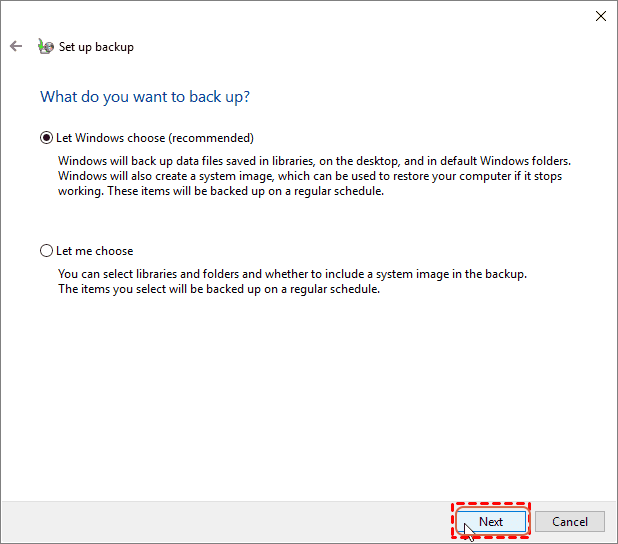
Step 5. Select "Let Windows choose (Recommended)" to back up all user files and system partition, or choose "Let me choose" to customize backup items.
Step 6. Click "Save settings and run backup" to initiate the Windows 10 Backup and Restore (Windows 7) process.
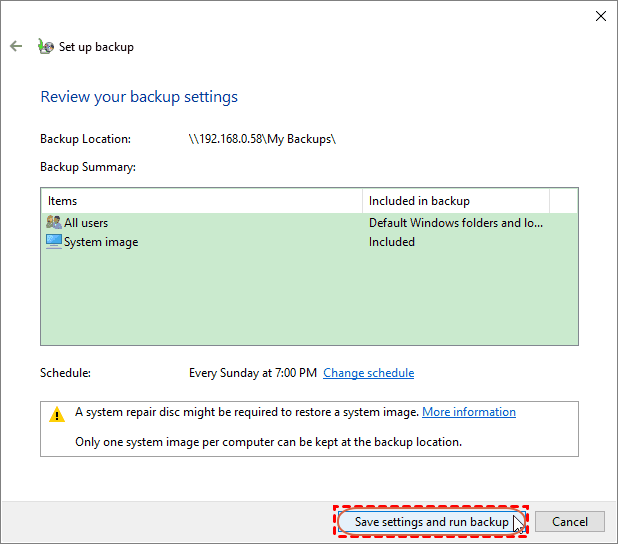
The Windows 10 system backup and data backup will be completed after a couple of hours.
Fix 2. Backup through Qiling Backup
Due to the limitations and instability of Windows Backup and Restore (Windows 7), a more reliable alternative is Qiling Backup, a free and professional backup software. Its stable performance and user-friendly interface make it a top choice among users, who praise its ability to protect their data. With Qiling Backup, users can take advantage of its features to safeguard their files and ensure they are always backed up.
- There are several types of backups, each serving a specific purpose. A full backup involves copying all data, which is typically done periodically to ensure a complete recovery in case of a disaster.
- Save the backup to a third location, such as a local drive, Cloud storage, and a Network Attached Storage (NAS) device, to ensure data safety and accessibility.
- You can schedule any time of backup according to your needs. You can schedule any time of backup according to your needs.
- differential and incremental backups with password protection.
- Back up and recover multiple types of data.
- Tremendous free Cloud storage.
- Ready-to-use backup files.
To use Qiling Backup, simply download the tool and follow the steps to easily and automatically back up your data.
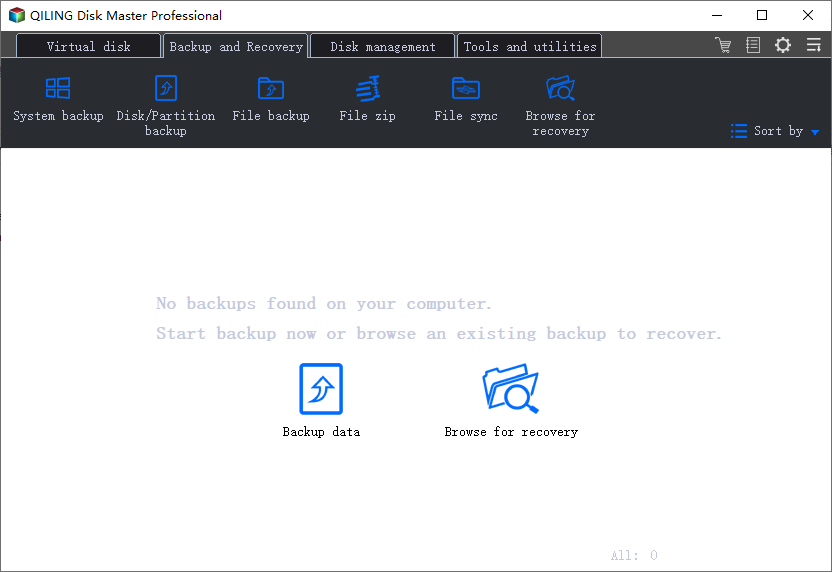
Step 1. Launch Qiling Backup on your computer, click System Backup on the home screen to start the backup task.
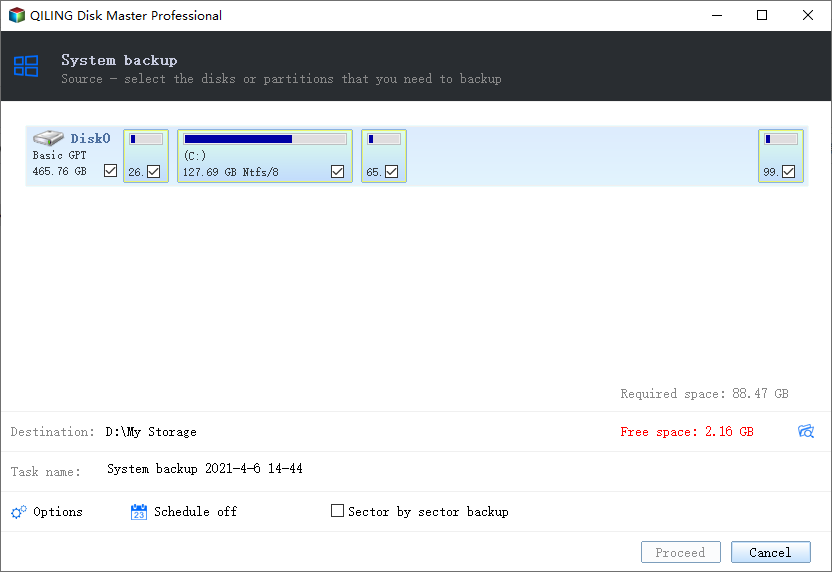
Step 2. You don't need to manually select any system information or files and partitions, as they will be automatically chosen. To proceed, click on the illustrated area to select a location to save the system image backup.
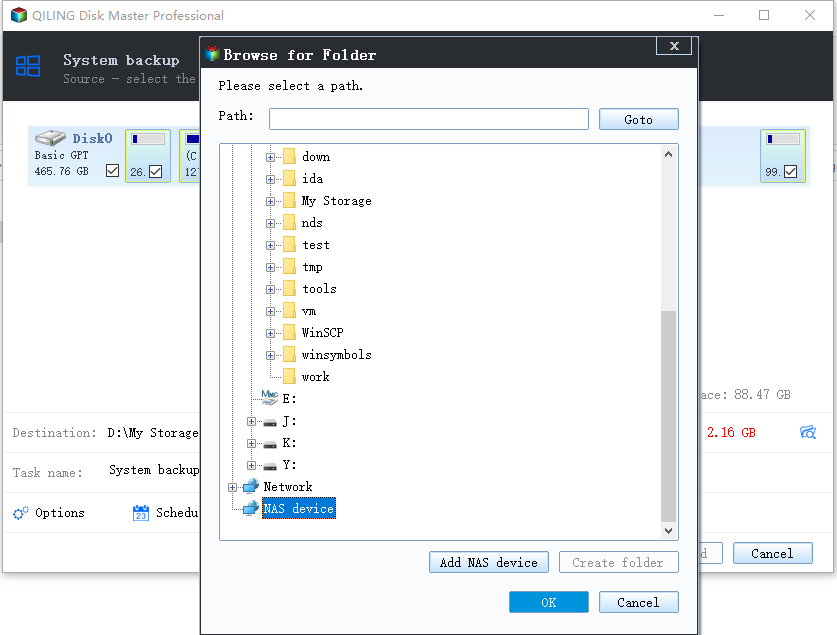
Step 3. The backup location can be a local drive, external hard drive, network, cloud, or NAS, with external physical drives or cloud storage being recommended for preserving system backup files.
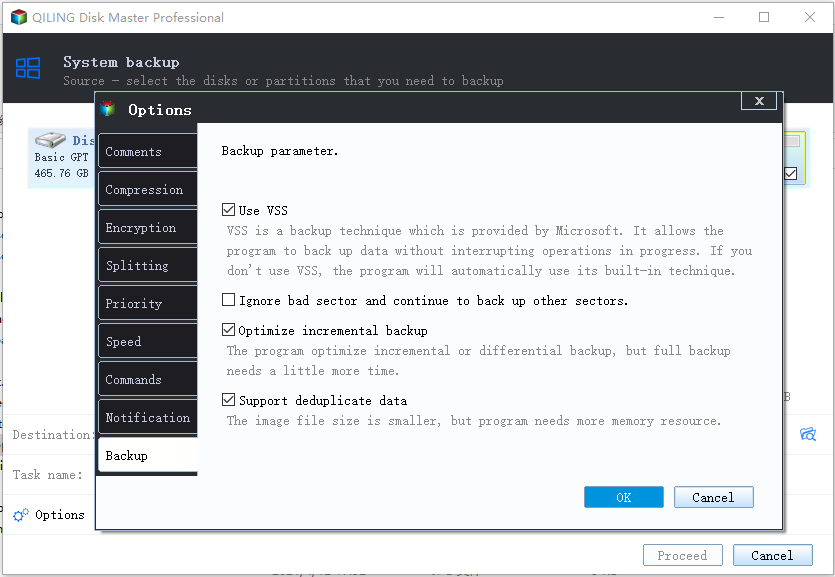
Step 4. The Windows system backup process allows customization settings, such as enabling an automatic backup schedule in daily, weekly, monthly, or upon an event, and making a differential and incremental backup. Upon clicking "Proceed", the backup process begins, and the completed task displays on the left side in a card style.
Fix 3. Backup via File History
We already know how to back up by Backup and Restore (Windows 7) and professional software. Next, let's move on to another method - backup via File History which is pre-installed in Windows 10. Unlike the Backup and Restore (Windows 7), File History saves only users' data. However, the Backup and Restore (Windows 7) keeps the latest version of files, by contrast, File History can save many versions. Thanks to this tool, you can restore an older version of a file in a very short time. Now, I'll walk you through the necessary steps to back up by File History:
Step 1. Connect an external drive to your computer.
Step 2. To access the Settings in Windows, click on the "Windows" icon in the task list and then click on "Settings".
Step 3. Click "Update & Security".
Step 4. To backup your data, click on the "Backup" button, then click on "Add a drive" and select your external drive from the list.
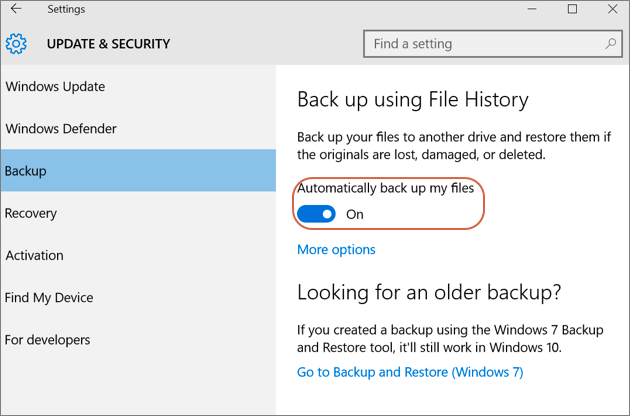
Step 5. When you choose a drive, your computer will automatically turn on the "Automatically back up my files" button, which will start an automatic backup. This will happen every time you connect your external hard drive to your computer, and the File History will create file backups.
Conclusion
Windows 10 has built-in tools to back up data or system, but they have limitations and may not always work. To ensure your data's safety, I recommend using a professional backup tool like Qiling Backup, which can provide a more reliable and efficient solution to protect your data from loss.
Why Does Windows 10 Backup Say Windows 7 FAQs
Other questions about Windows 10 backup say Windows 7 you may ask:
1. What does Backup and Restore Windows 7 mean on Windows 10?
The Windows 7 Backup and Restore tool is used to back up and restore files, folders, and system images on a Windows 7 PC. It can also be used to create a system image of a Windows 7 PC, which is a complete backup of the operating system, programs, and data.
2. Does Windows 7 backup still work with Windows 10?
You can use Windows 10's Backup and Restore feature to back up all your favorite files on your PC, which is ideal when you have an external storage device available.
3. What is the difference between Windows System Restore and Windows Backup?
Windows Backup and System Restore are two different features in Windows. While System Restore is automatic and doesn't require an external device, Backup needs manual operation and an external hard drive to store copies of files.
Related Articles
- How to Backup Data without Booting into Windows
- How to Install Windows 10/8/7 on Multiple Computers at The Same Time | System Deployment Solution
- How to Backup Windows 7 in Different Ways - Full Steps with Pictures
- [3 Effective Tips] How to Backup Firefox Bookmarks
- How to Backup Files in Windows 10 for Full Recovery (100% Work)
When Windows OS fails to boot, reinstallation can resolve the issue, but first, it's essential to back up your data without booting into Windows. Two secure solutions are available to protect your files and data before taking measures to repair your system. - How to Backup SD Card to Google Drive
Learn how to back up an SD card to Google Drive from a computer or mobile device and keep photos, videos, and files safe in the cloud.
Products
Articles & Tutorials
- Data Recovery
- Data Backup
- File Recovery
- File Backup
- System Backup and Restore
- Disk and Partition Clone
- Technical articles
- Mobile articles
- Disk Master Help
- Windows Data Recovery Tutorials
- Windows Secure Delete Tutorials
- Windows Partition Management Tutorials
- Windows File Backup and Restore Tutorials
- Windows System Backup and Restore Tutorials
- Windows Disk Backup and Restore Tutorials
- Windows Clone Tutorials