What Is System Restore Command and How to Use It on Windows 11/10
System Restore is a Windows feature that creates automatic restore points to save your computer's state in case of system failure. This allows you to revert your system files and settings to a previous point in time when issues arise, such as corrupt registry keys or driver problems. The tool can help fix these problems by returning your PC to a known good state.
Using the system restore command on Windows 10/11 can be a game-changer, given its numerous useful features. Rather than neglecting its potential, it's worth learning how to utilize this command to your advantage. By doing so, you can unlock its capabilities and make the most out of your system.
Go to the Command Prompt in Windows 10 and 11, and type the command "rstrui" followed by pressing Enter. This will open the System Restore window where you can choose a restore point and start the restore process.
What Is System Restore Command?
System Restore is a command that allows you to restore the operating system settings and files to a time before you made changes, using the command line "rstrui".
You can use the following commands as part of the System Restore process:
- Restore all files and folders from a backup: rstrui /restore
- To restore individual files and folders from a backup, you can use the command `rstrui /restore /f:\` in the Command Prompt. This will allow you to browse through the backed-up files and select specific ones to restore.
- To restore individual files and folders from a backup on another drive, use the command: `rstrui /restore /f:\ /r:`. This command will allow you to select specific files and folders to restore from the backup on the F: drive.
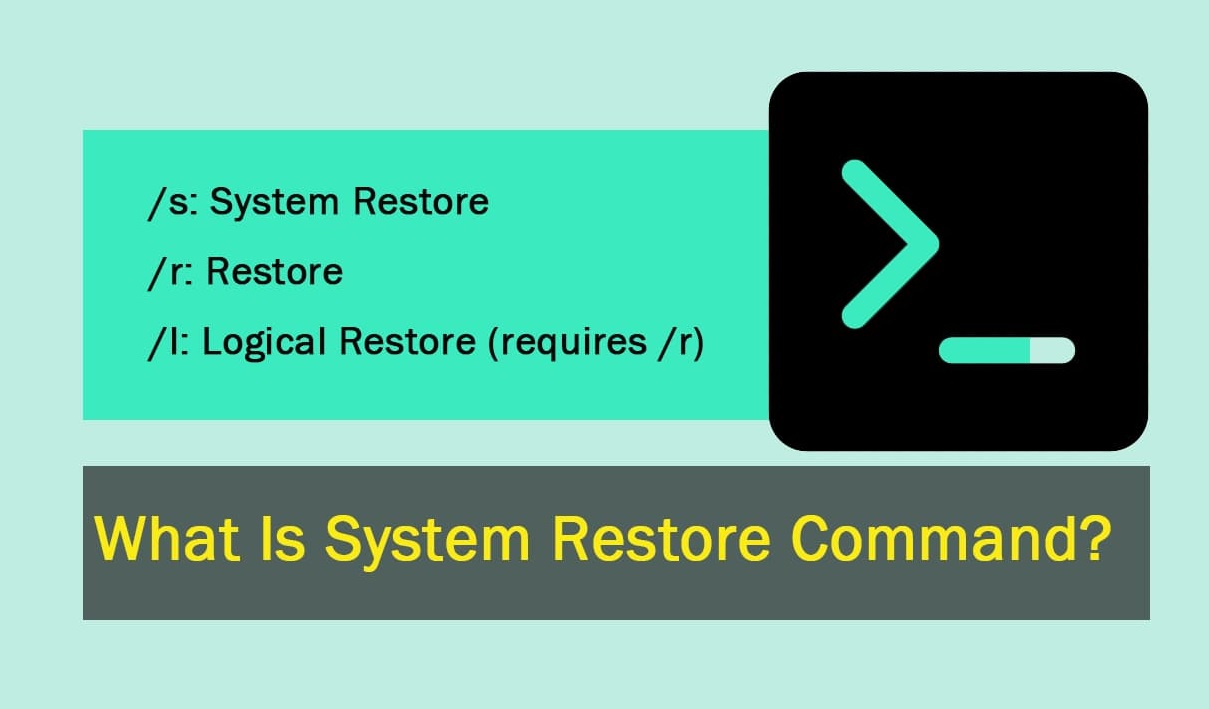
When using System Restore, it's crucial to understand the duration of each command, the actions it performs, potential file impacts, and the overall restoration time.
Command Lines To Use For System Restore
To carry out system restore, you can use the following command lines: `wmiprvse /a`, `wmiprvse /s`, `wmiprvse /r`, `wmiprvse /f`, `wmiprvse /g`, `wmiprvse /h`, `wmiprvse /i`, `wmiprvse /j`, `wmiprvse /k`, `wmiprvse /l`, `wmiprvse /m`, `wmiprvse /n`, `wmiprvse /o`, `wmiprvse /p`, `wmiprvse /q`, `wmiprvse /r`, `wmiprvse /s`, `wmiprvse /t`, `wmiprvse /u`, `wmiprvse /v`, `wmiprvse /w`, `wmiprvse /x`, `wmiprvse /y`, `wmiprvse /z`. However, please note that these commands are not actually used to carry out system restore, but rather to open the Windows Management Instrumentation (WMI) console.
This command will help you perform a system restore.
Command: "rstrui"
This command will create a restore point.
Command: "rstrui /restorehealth"
This command will display the list of previously created restore points on your system.
Command: "rstrui /restorehealth" /v:1
This command will display a list of previously created restore points, allowing you to choose one to use as a backup if necessary.
Command: "rstrui /restorehealth" /?
The command `wmic /namespace:\\root\default path Win32_ShadowCopy get /value` shows additional information about the options available for creating a restore point. This command uses the Windows Management Instrumentation Command-line (WMIC) tool to retrieve information about the shadow copy options.
- /s: System Restore
- /r: Restore
- /l: Logical Restore (requires /r)
When using the /s option, you can specify an hour and date to restore a specific point in time. This can be done by using the Control Panel, specifically System and Security > System Protection > Review Disk Space > Restore Files and Settings, and then selecting the System Protection tab to create a restore point.
How to Perform a System Restore from Command Prompt in Windows 10?
If you're experiencing errors or issues with your Windows session, such as driver installation or Windows update problems, or even a virus, you can perform a system restore from the command prompt. This allows you to return your system settings to a previous date, effectively reverting to a point before the issue occurred.
Restoring your computer's operating system using system restore in safe mode is irreversible and cannot be undone. If you need to reverse this action, you can use the installation disc that came with your computer, or create a Windows 10 recovery drive or install a disc on another computer with the same hardware.
To start System Restore from Safe Mode using the Command Prompt in Windows 10, you can follow these steps. First, restart your computer and press the F8 key repeatedly until the Advanced Boot Options menu appears.
- To restart your computer, hold the Shift key while selecting Power > Restart from the Start menu. This will bypass the shutdown screen and immediately restart your computer.
- Select Restart when your computer restarts and displays the Choose an option screen.
- To enable Safe Mode with Command Prompt, press the number 6 or function key F6 during the boot process.
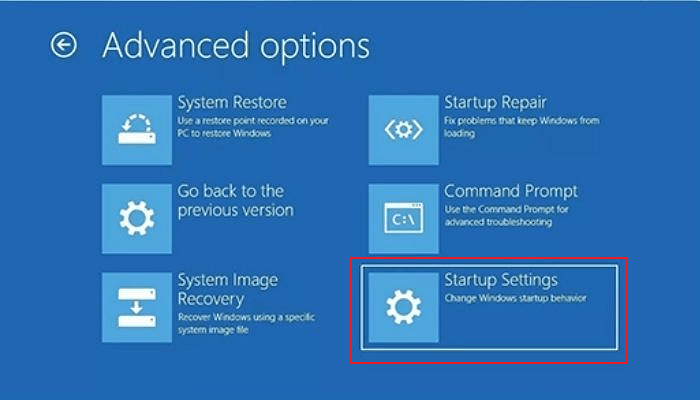
- To restore your computer to its previous state, you'll need to access the Command Prompt as an administrator. Start by signing in with an administrator account, then navigate to the Command Prompt. Once you're there, type in the command `rstrui.exe` and press Enter.
The rstrui.exe file is typically located in the C:WindowsSystem32 folder, but be cautious if there are multiple versions or different file names, as this could indicate a virus infection.
- The System Restore wizard will appear, allowing you to choose between the recommended restore point or select a specific one. After selecting the desired restore point, click the Next button to proceed. Follow the on-screen instructions to complete the system restore process.
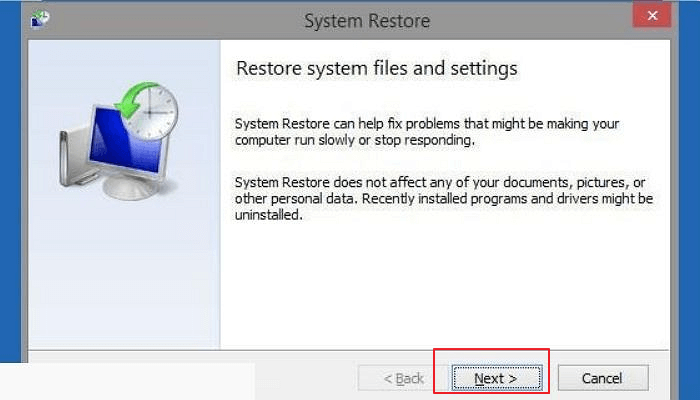
Windows 7: How to perform a System Restore?
To perform System Restore in Windows 7, follow these steps: Go to Start, then type "restore" in the search bar and select "System Restore" from the results. Choose a restore point from the list, and then click "Next" to confirm your selection.
- To boot into Safe Mode with Command Prompt, press F8 repeatedly as your computer starts up, then select "Safe Mode with Command Prompt" from the Windows Advanced Options menu.
- When Command Prompt Mode loads, enter the following line: cd restore and press Enter.
- Next, enter rstrui.exe and press ENTER.
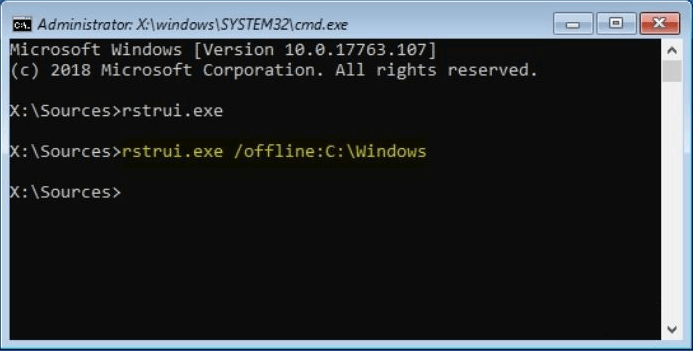
- Click 'Next' in the newly opened window.
- To restore your computer to a previous state, select a restore point from the list and click 'Next'.
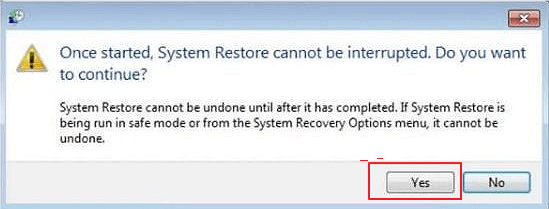
- Click 'Yes' in the newly opened window.
- If your computer has a ransomware infection, try restoring it to a previous date when the malware wasn't present, and then use recommended malware removal software to scan and clean the system.
Qiling Disk Master is a tool that helps you recover lost data caused by an unexpected system crash or virus attack by backing up your data.
Command Prompt and Qiling Disk Master are both useful tools for managing your computer. With Command Prompt, you can run various commands to perform tasks like restarting or shutting down the computer, creating shortcuts, renaming files and folders, and more.
With Qiling Disk Master, you can create backups of important files on your PC and also create system images to restore your entire computer if it fails to boot.
Final Verdict
System Restore is a powerful command that can quickly restore Windows to any previous state, with restore points created automatically with each change. It can reduce downtime due to hardware/software failure and help recover from viruses and security threats.
FAQs about System Restore with Command Line
1. Is system restoration a good idea?
If you're experiencing issues with your computer, running System Restore can be a good troubleshooting step. If the problem persists, try restoring your computer to a previous point in time when it was functioning properly.
2. Will I lose everything if I do a system restore?
If something has happened to your hard drive since the last restore point, you could lose everything important if you try to restore to that point.
3. What should I do after the system restore?
After doing a system restore and restarting the computer (if necessary), verify that all files are intact and that everything is working properly.
Related Articles
- Samsung 990 Pro vs 980 Pro: Which SSD to Choose?
- 5 Ways to Fix a Corrupted User Profile in Windows 10/8/7
- Top 8 SSD Temperature Monitor Software Recommended in 2023
- How to Use Git Delete File [Full Tutorial for Git]
- PS5 No Sound? 8 Fixes Here! [Reasons Explained]
If your PS5 has no sound, as this article provides eight fixes to resolve the issue. Additionally, it explains the causes of why your PS5 becomes silent. - How to Choose QNAP External Drive Format [2024 Detailed Tutorial]
Choosing the best QNAP external drive format for your drive can be a daunting task, but understanding the facts can help. To make an informed decision, you can consider the guide provided in this article, which outlines the steps to format your drive.
Products
Articles & Tutorials
- Data Recovery
- Data Backup
- File Recovery
- File Backup
- System Backup and Restore
- Disk and Partition Clone
- Technical articles
- Mobile articles
- Disk Master Help
- Windows Data Recovery Tutorials
- Windows Secure Delete Tutorials
- Windows Partition Management Tutorials
- Windows File Backup and Restore Tutorials
- Windows System Backup and Restore Tutorials
- Windows Disk Backup and Restore Tutorials
- Windows Clone Tutorials