Windows 11 26H1: What It Is and Who Can Install It
Every year brings a Windows feature update, and 2026 brought two names instead of one: 26H1 and 26H2. They are not interchangeable, and only one of them will ever appear on your existing PC.
This guide explains what Windows 11 26H1 actually is, which devices ship with it, how long it is supported, and why you should not try to install it on the computer you already own.
PAGE CONTENT
- What Windows 11 26H1 Is
- 26H1 Is Not a Feature Update
- Which Devices Ship With 26H1
- 26H1 Support Lifecycle
- Why 26H1 Devices Cannot Take the Next Feature Update
- 26H1 versus 26H2: Which One Applies to You
- What to Do If You Are Buying a New PC
- FAQs About Windows 11 26H1
- Back Up and Restore Windows with Qiling Disk Master
What Windows 11 26H1 Is
Windows 11, version 26H1 is a specialized Windows release rather than a general upgrade. Microsoft describes it as a release created with device manufacturers and silicon partners to support the next generation of hardware. In other words, it exists to give brand-new chip platforms a Windows build that is tuned for them from day one.
It was released on February 10, 2026, and the first devices carrying it ship with Qualcomm Snapdragon X2 Series processors. Its scope is deliberately narrow: it targets those specific new platforms and is not aimed at the wider Windows 11 ecosystem.
One point is worth repeating, because it clears up most of the confusion around this version. Feature-wise, 26H1 includes the same capabilities that arrived with the Windows 11 2025 Update, also known as version 25H2. It is not a batch of new features that other PCs are missing out on.
26H1 Is Not a Feature Update
This is the single most important difference between 26H1 and every other half-year release you have seen.
- It is not offered through Windows Update. You will never receive 26H1 as an update on an existing PC.
- It cannot be installed as an in-place upgrade. There is no supported path to move an existing 24H2 or 25H2 device onto 26H1.
- It is not intended for broad deployment. Microsoft states plainly that it is scoped to the new platforms it ships with.
For IT administrators, Microsoft's guidance is equally clear: Windows 11 versions 24H2 and 25H2 remain the recommended releases for enterprise deployment, and no change is required to existing rollout, update, or purchasing plans. An organization that wants to evaluate the new hardware platforms can adopt 26H1 selectively without touching the rest of its fleet.
- Note
- If you are wondering whether your current PC should be upgraded to 26H1, the answer is no. Your device belongs to the 24H2 and 25H2 line, which continues to receive updates on the normal annual schedule.
Which Devices Ship With 26H1
26H1 is available only preinstalled, and only on selected new devices that came to market in early 2026. The first wave of these devices uses Qualcomm Snapdragon X2 Series processors.
Practically speaking, that means you encounter 26H1 in exactly one situation: you buy a new machine that already runs it out of the box. You do not choose it, download it, or install it.
If you want to confirm what a machine is running, press Win + R, type winver, and read the version line. A device that reports 26H1 was shipped with it by the manufacturer.
26H1 Support Lifecycle
Despite being a special release, 26H1 follows the normal Windows 11 servicing timeline, counted from its release date.
| Edition | Serviced For |
|---|---|
| Windows 11 26H1 Pro | 24 months from release |
| Windows 11 26H1 Enterprise | 36 months from release |
Microsoft continues to publish monthly security updates and non-security preview updates for 26H1, along with the other supported versions. So a device running 26H1 is fully supported and fully patched, even though it sits on a separate line from 24H2 and 25H2.
Why 26H1 Devices Cannot Take the Next Feature Update
There is one genuine trade-off that owners and buyers should understand before purchase.
Devices running 26H1 cannot update to the next annual feature update planned for the second half of 2026. The reason is architectural: 26H1 is built on a different Windows core than 24H2, 25H2, and the upcoming feature update. Those builds share a servicing branch, which is why a 24H2 or 25H2 machine can move forward with a small enablement package, while a 26H1 machine cannot follow the same path.
This is not a dead end. Microsoft has stated that 26H1 devices will have a path to update in a future Windows release, and they keep receiving monthly security and quality updates in the meantime.
26H1 versus 26H2: Which One Applies to You
| Item | 26H1 | 26H2 |
|---|---|---|
| Purpose | Specialized release for new hardware platforms | Mainstream feature update for existing PCs |
| How you get it | Preinstalled on selected new devices only | Delivered through Windows Update |
| Applies to existing PCs | No | Yes |
| Base | Different Windows core | Same servicing branch as 24H2 and 25H2 |
The short version: if you own a PC today, 26H2 is the release that concerns you. If you are buying one of the new Snapdragon X2 based machines, 26H1 is simply what comes in the box.
What to Do If You Are Buying a New PC
Step 1. Decide whether you are buying into the new hardware platform or the mainstream one. If you want the standard update path that matches the rest of your environment, choose a device on the 24H2 or 25H2 line.
Step 2. Check the version on the machine before you commit, using winver or the system information screen.
Step 3. If you buy a 26H1 device, plan around the fact that it will not take the H2 2026 feature update. Confirm that the applications you depend on run on that platform, particularly any software touching disk partitions, encryption, or backup.
Step 4. Register the machine, keep Windows Update enabled, and let cumulative updates install. Support and monthly patches continue normally.
Step 5. Create a full system backup as soon as the device is set up and configured the way you want it, so you have a known-good image before any future platform change.
Step 6. If you manage multiple devices, keep 26H1 machines in a separate group. Mixing them into a fleet-wide feature update plan will cause confusion, because they follow a different update path.
FAQs About Windows 11 26H1
Can I install Windows 11 26H1 on my current PC?
No. Version 26H1 is not offered through Windows Update and cannot be installed as an in-place update on existing devices. It is available only preinstalled on selected new hardware.
Does 26H1 include new features that 25H2 does not have?
Functionally, 26H1 includes the same features introduced with the Windows 11 2025 Update, version 25H2. Its differences lie in the hardware platform it supports, not in consumer-facing features.
Is 26H1 unsupported or experimental?
Neither. It is a fully supported release that follows the standard Windows 11 servicing timeline, with monthly security and quality updates. It is simply scoped to a specific set of new devices.
Why can a 26H1 device not take the next feature update?
Because 26H1 is built on a different Windows core than 24H2, 25H2, and the upcoming feature update. Those other versions share a servicing branch, which is what lets them move forward with a small enablement package.
Should a business deploy 26H1?
Only selectively, and only for evaluating the new hardware platforms. Microsoft continues to recommend Windows 11 24H2 and 25H2 for enterprise deployment.
How do I check which version a new laptop is running?
Press Win + R, type winver, and press Enter. The About Windows dialog shows the version, for example 24H2, 25H2, 26H1, or 26H2.
Back Up and Restore Windows with Qiling Disk Master
When you set up a new PC, or before you move an existing one to a different Windows version, create a full system backup. A system image captures Windows together with its boot partitions, drivers, and settings, so you can return to a known-good state in minutes. Qiling Disk Master handles both the backup and the restore.
Part 1: Create a Full System Backup
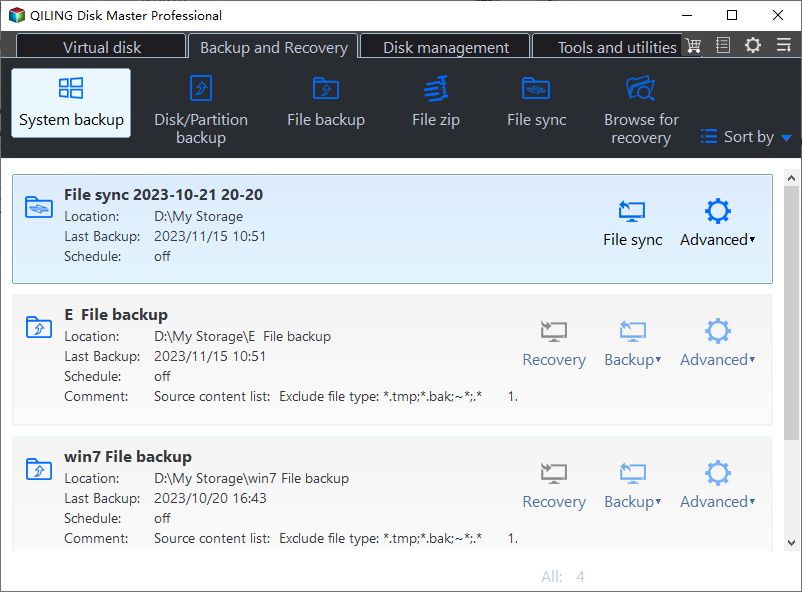
Step 1. Install and open Qiling Disk Master. On the home screen, open "Backup and Recovery" and choose "System Backup". This option automatically includes Windows and the hidden boot partitions, so you do not have to select them one by one.
Step 2. Check the source. The disk where Windows is installed and its system partitions are already ticked for you. If you only need your personal documents, run a separate "File Backup" task instead.

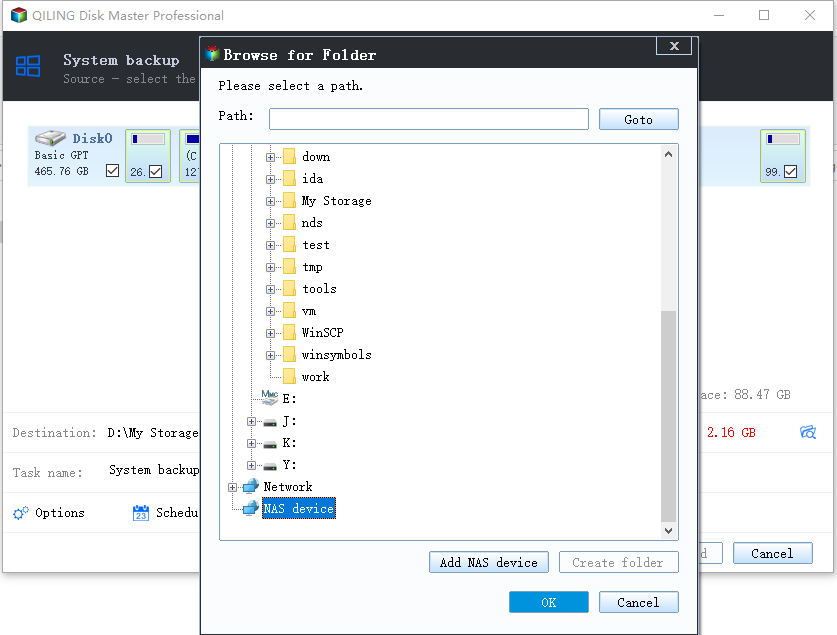
Step 3. Click the destination box and choose where the image should be saved. Use an external HDD or SSD, a NAS, or any drive other than the one Windows is installed on, and make sure it has enough free space.
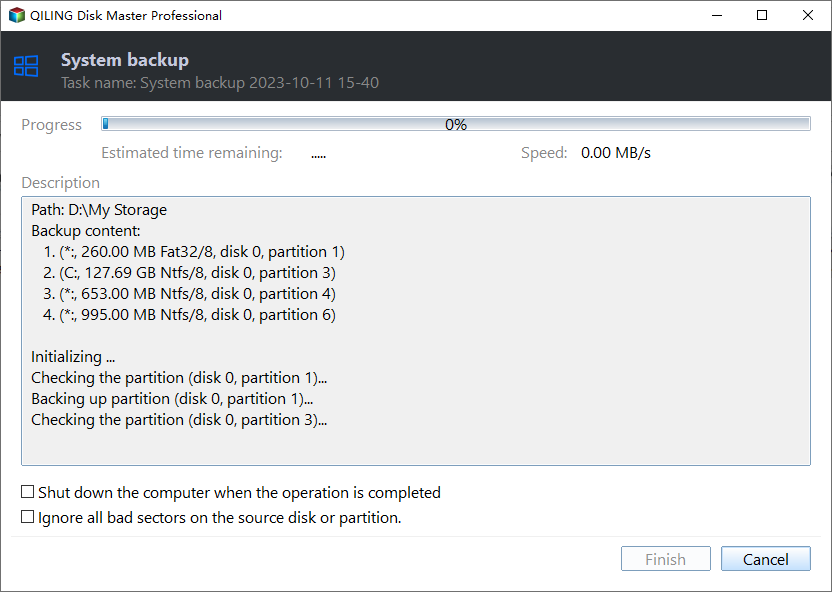
Step 4. Review the task summary and click "Proceed". Wait until the progress bar reaches 100%. Do not unplug the drive or turn off the PC while the backup is running.
Part 2: Restore Windows from the Backup
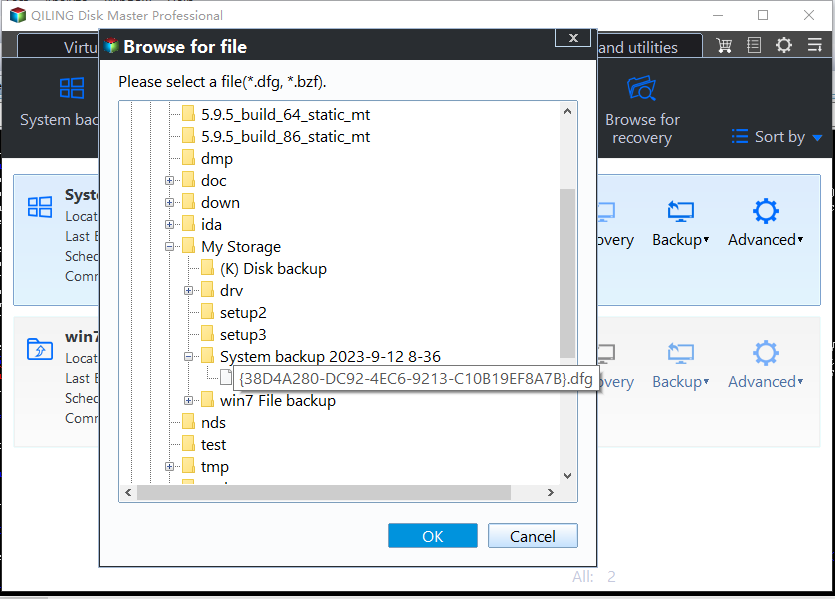
Step 1. Open Qiling Disk Master again, go to "Backup and Recovery", and select the recovery option. Your backup images are listed, so pick the one you created before the change.
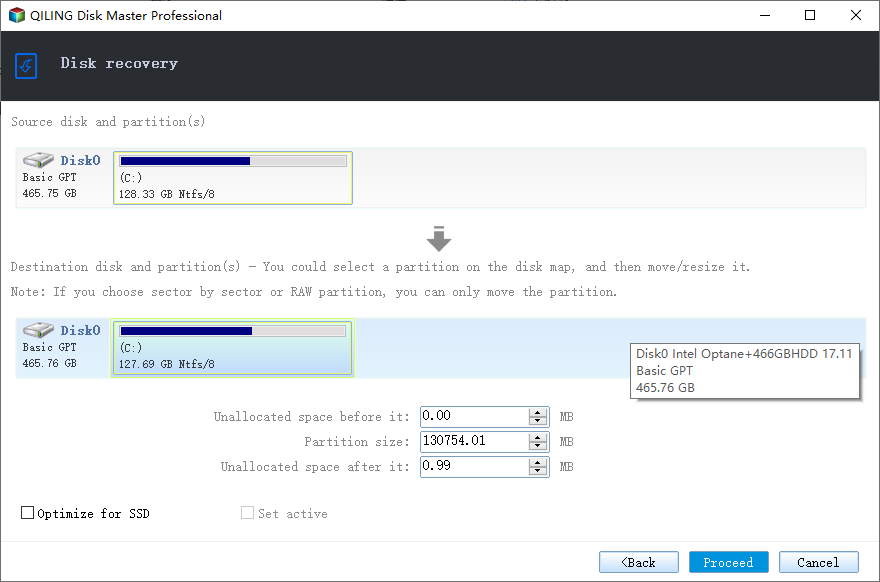
Step 2. Choose the target disk or partition. Normally you restore to the original system disk. If the drive was replaced, select the new disk instead, and the restore rebuilds Windows together with its boot partitions.
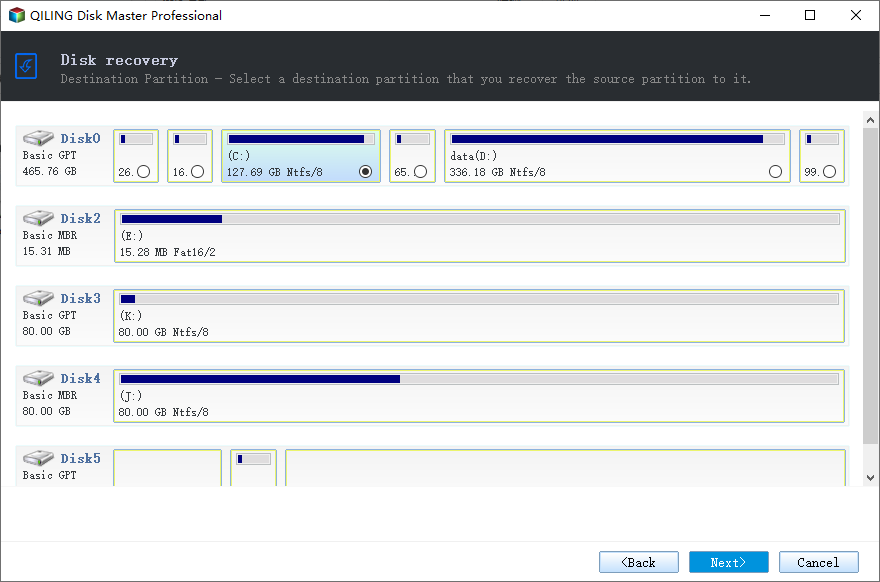
Step 3. Preview the restore plan, click "Proceed", and confirm the warning. The PC restarts to finish the job, and Windows comes back exactly as it was on the day the image was created, with your files and programs intact.
- Note
- Keep the backup image on a separate drive, and refresh it before every major change, such as a Windows feature update, a driver upgrade, or a disk operation.
Conclusion
Windows 11 26H1 is a specialized release built for next-generation hardware such as the first Snapdragon X2 devices. It is not a feature update, it is not delivered through Windows Update, and it cannot be installed on an existing PC. Owners of 26H1 machines receive monthly updates under the standard Windows 11 servicing timeline, but those devices cannot take the next annual feature update, because they sit on a different Windows core. If you own a regular PC, 26H2 is the release that matters to you.
Protect your PC with Qiling Backup—create a system image before your next Windows update.
Related Articles
- Windows 11 26H2: Release Date, Features and How to Get It
- Windows 11 24H2 End of Support: What to Do Next (2026)
- Windows 11 23H2 End of Support: November 10, 2026 Guide
Older versions are retiring fast. See which end dates apply to Home, Pro, Enterprise, and Education editions and how to move to a supported release. - Windows 11 25H2 Problems and How to Fix Them (2026 Guide)
- Windows 11 End of Support Date and What to Do Next
Products
Articles & Tutorials
- Data Recovery
- Data Backup
- File Recovery
- File Backup
- System Backup and Restore
- Disk and Partition Clone
- Technical articles
- Mobile articles
- Disk Master Help
- Windows Data Recovery Tutorials
- Windows Secure Delete Tutorials
- Windows Partition Management Tutorials
- Windows File Backup and Restore Tutorials
- Windows System Backup and Restore Tutorials
- Windows Disk Backup and Restore Tutorials
- Windows Clone Tutorials