How to Format External SSD for Mac [Newest & Effective Ways]
Are you looking for the best solution on how to format external SSD for Mac? This article will show you how to format an external SSD for Mac on both Windows and macOS, providing you with a comprehensive guide to get started.
What Format Should My External SSD Be for Mac?
Before formatting an external SSD for Mac, it's essential to determine the best format for the device. Four formats can be used for Mac: exFAT, FAT32, APFS, and HFS+. A comparison of these formats is necessary to select the most suitable one for the external SSD.
| Comparison | APFS | exFAT | FAT32 | HFS+ |
|---|---|---|---|---|
| Pros |
|
|
|
|
| Cons |
|
|
|
|
| File Size |
|
|
|
|
All four types - APFS, exFAT, FAT32, and HFS+ - are suitable for external SSDs. APFS is the best choice for Mac, offering perfect performance for SSDs and flash drives. For sharing files between Mac and Windows, exFAT and FAT32 are compatible with both operating systems, making them ideal for transferring data. Meanwhile, HFS+ is better suited for mechanical drives.
If you want to know more about the difference between these four, you can click on the button below to learn more.
After learning the correct external SSD format for Mac, it's time to choose the method for formatting your external SSD for Mac use.
How to Format External SSD for Mac on Mac
To format an external SSD for Mac directly on your Mac, you can use the built-in tool Disk Utility, which is a simple and easy-to-operate tool that can manage or format external SSDs, or change the file system, making it a convenient option compared to using terminal commands.
Step 1. Connect the external SSD to your Mac.
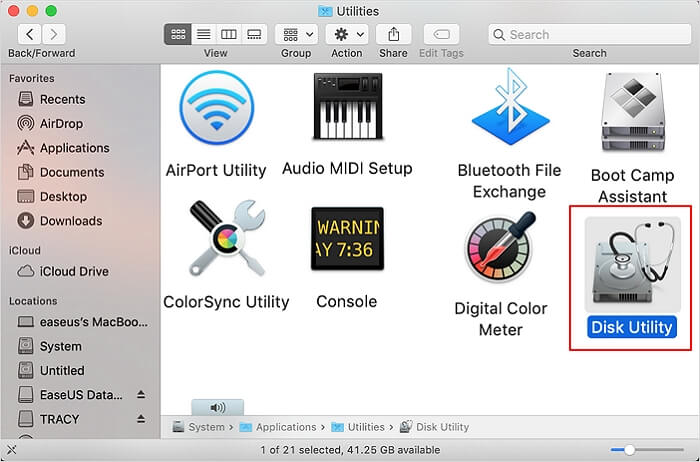
Step 2. To access Disk Utility, open the "Utilities" folder in the Mac Finder, which can be found in the "Applications/Utilities" directory, and look for the "Disk Utility" application.
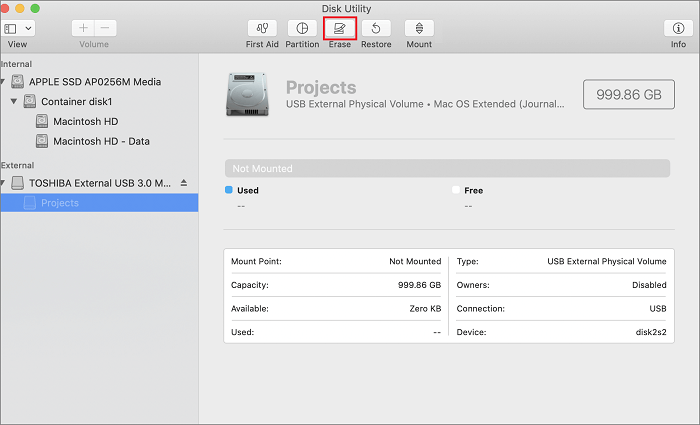
Step 3. Select the external SSD on the left side and click "Erase" on the page.
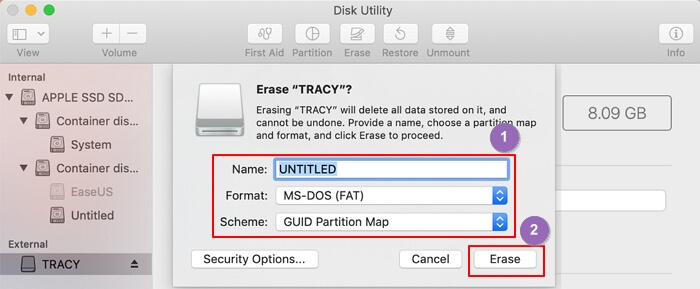
Step 4. Name the external SSD and select the format you need.
How to Format External SSD for Mac on PC
If you want to convert NTFS to FAT32 directly for use on Mac, you can also format the external SSD for Mac on Windows using a professional tool like Qiling Partition Master Free, which can easily format to exFAT or FAT32. This tool is suitable for novices due to its simple operation, and can be used to format an external SSD for Mac.
Step 1. Launch Qiling Partition Master, right-click the partition on your external hard drive/USB/SD card which you want to format and choose the "Format" option.
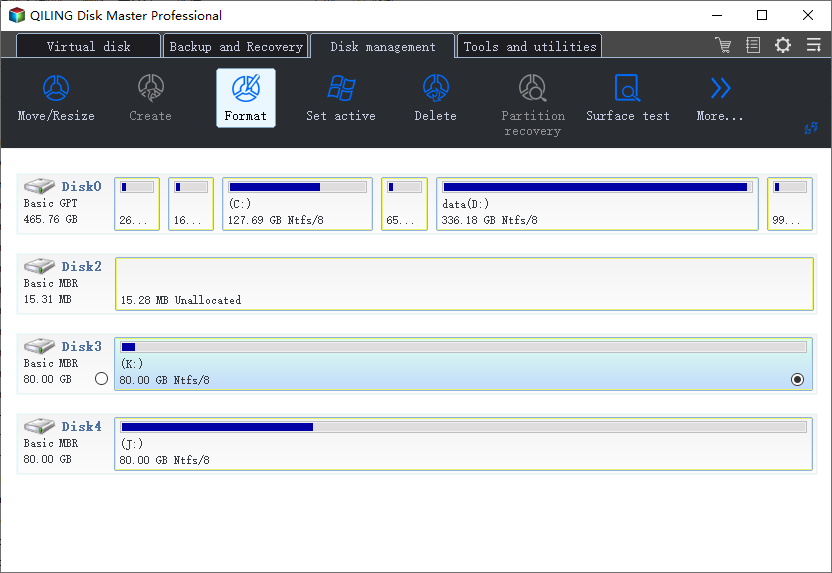
Step 2. Assign a new partition label, file system (NTFS/FAT32/EXT2/EXT3/EXT4/exFAT), and cluster size to the selected partition, then click Proceed.
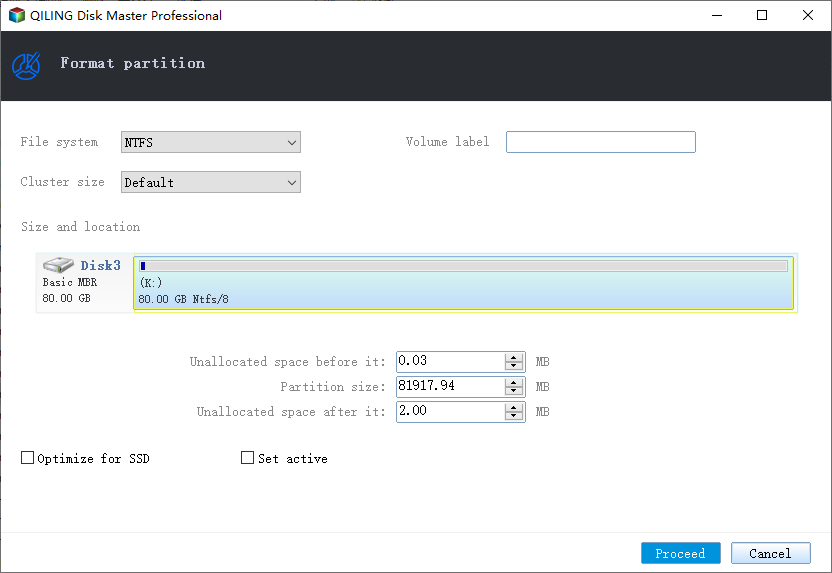
Step 3. Click "Yes" to start formatting your external hard drive/USB/SD card in the Warning window.
Qiling Partition Master is an all-in-one disk performance optimizer that makes it easy to use, with more powerful functions such as checking disk, converting primary partition to logical, and rebuilding MBR. If you're looking for more solutions to format on Windows, you can click the link below for more information.

How to Format SSD in Windows 11
SSDs don't require formatting every time they're used, but they do need to be formatted before initial use. This is because formatting allows for the cleaning of bad sectors, erasure of old data, and preparation of the drive for fresh usage, making it ready for storing new information.
Conclusion
To format an external SSD for Mac, choose a format that can be read and written on Mac, then format it on either Windows or Mac. Formatting on Windows is easy and fast with Qiling Partition Master, while on Mac, Disk Utility is a good choice.
FAQs of How to Format External SSD for Mac?
In addition to the detailed steps about formatting an external SSD for Mac, here are some questions and answers about external SSDs and Mac.
1. How do I get my external SSD to work on Mac?
To ensure your SSD file format matches your Mac's, open System Preferences and select Startup Disk, then restart your Mac.
2. Do I need to format a new external hard drive for Mac?
If you want to read or write data on an external hard drive for a Mac, you need to format, erase, or reconfigure it to be compatible. Most external hard drives come with the NTFS file system, but Macs don't support NTFS. You'll need to reformat the drive to use a Mac-compatible file system like APFS or HFS+. This will erase any existing data on the drive, so make sure to back up your files before making the change.
3. Should I use APFS or macOS journaled?
The file system used by your Mac depends on the macOS version. APFS (Apple File System) supports macOS 10.13 and higher, while Mac OS Extended is used by earlier versions of macOS 10.12 or lower. APFS is generally recommended for SSDs and hard drives, offering improved performance and reliability.
Related Articles
- Linux File Backup - 5 Best Softeware for Linux Desktop and Server
- How to Factory Reset Mac Without Keyboard? Keyboard Not Working
- Windows 10 Quick Access Not Working, Not Responding, Slow to Open
- MacBook Won't Turn on After macOS Ventura [SOLVED]
- Free Download Windows 8/8.1 (ISO File) for 32-Bit/64-Bit PCs
Free Windows 8/8.1 ISO download for 32-bit and 64-bit PCs. Step-by-step guide with pictures to download, burn to DVD, and install Windows 8. Plus data recovery tips after installation. - What Is DRAM Memory? Dynamic Random-Access Memory Explained
This article provides a comprehensive guide to DRAM, covering its basic operations and comparing it to SRAM.
Products
Articles & Tutorials
- Data Recovery
- Data Backup
- File Recovery
- File Backup
- System Backup and Restore
- Disk and Partition Clone
- Technical articles
- Mobile articles
- Disk Master Help
- Windows Data Recovery Tutorials
- Windows Secure Delete Tutorials
- Windows Partition Management Tutorials
- Windows File Backup and Restore Tutorials
- Windows System Backup and Restore Tutorials
- Windows Disk Backup and Restore Tutorials
- Windows Clone Tutorials