How to Fix a Disappearing Dock in macOS Ventura/Monterey/Big Sur
The ready-Mac users who upgraded to macOS Ventura Beta have encountered issues, including the Dock disappearing, with some users needing to restart their laptops daily to resolve the problem.
The Reasons Why Your Dock Disappeared on Mac
The Dock on a Mac can be set to be invisible by default, but if it disappears from the screen, it's often due to a software or system issue. Common causes include a misconfigured Dock setting, a software update or bug, or a problem with the Dock itself. To resolve the issue, users can try resetting the Dock, checking for software updates, or reinstalling the Dock software.
System errors: Dock disappeared on Mac
Users may experience issues with software compatibility or incompatibility with macOS, such as changes made by macOS Ventura that inadvertently remove the Dock, causing user dissatisfaction.

Dock concealing setting by default
Knowing that the Dock won't appear if you're using full-screen mode is vital. You may also see if your Dock automatically hides by sliding your mouse over the bottom border of your screen and watching to see if it pops back up.
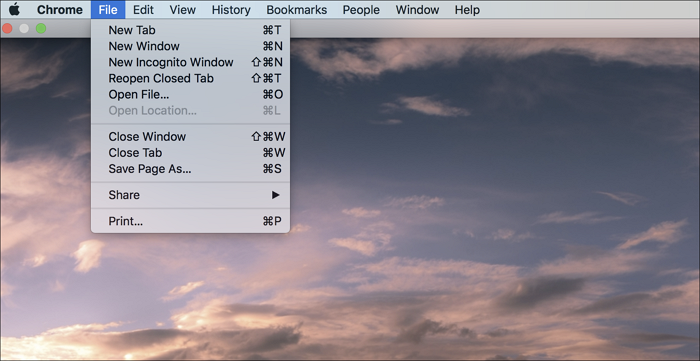
Dock disappears from the bugs of the software
Your Mac pre-The Dock on a Mac is populated with frequently used programs, and you can also choose other programs to appear in the Dock. If the Dock disappears, consider whether the selected programs may have bugs that are affecting the system, potentially causing the Dock to malfunction.
Fix a Dock on Mac Disappeared in 6 Ways
If you're finding it frustrating that your Mac's Dock is missing, don't worry - it's an easy problem to solve. The Dock provides a convenient way to access your apps, but sometimes it can disappear. Fortunately, getting it back is a simple process.
Before starting the step-If the Mac Dock has disappeared, you can refer to a tutorial video that provides step-by-step guidance on how to fix the issue. The video likely covers various methods to restore the Dock, such as checking for any issues with the Dock's preference file, resetting the Dock, or even reinstalling the Dock. By following the video's instructions, you should be able to troubleshoot and resolve the problem, getting your Mac Dock back up and running smoothly.
- 0:09 - Customize Dock on Mac
- 0:30 - System Preference Dock
- 0:41 - Dock in Menu Bar
- 1:30 - Enable Magnification
- 1:46 - Adjusting the Height of the Dock
If you still have no idea to fix the problem, please read the literal step-by-step guide below.
Method 1. Restart the Mac to reappear the Mac Dock
If your Mac's Dock doesn't return to normal after restarting, don't worry, there are other methods you can try to fix the issue.
Method 2. Fix a disappearing Dock by restarting the Dock
Step 1. To access the Finder menu on your desktop screen, click on the top-left corner of the screen until the "Finder" menu appears. This will allow you to access various options and features within the Finder.
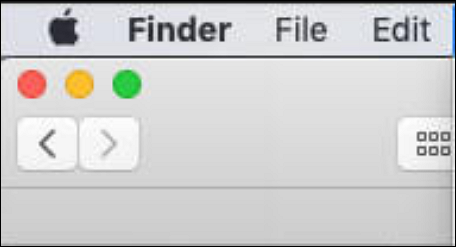
Step 2. Select "File." and choose "New Finder Window".
Step 3. Click the folder for "Utilities."
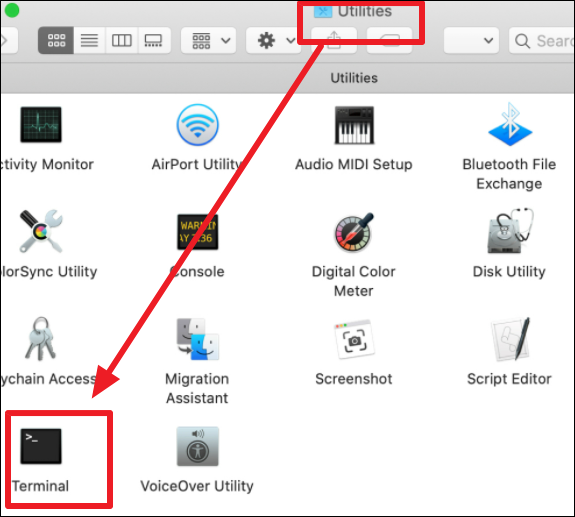
Step 4. Start the Terminal.
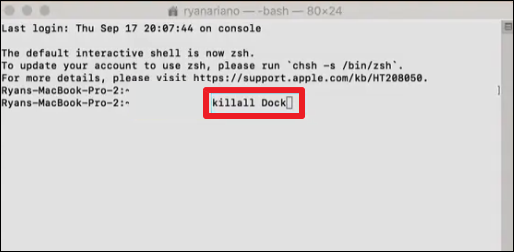
Step 5. To stop the Dock and have it automatically restart, type "killall Dock" into the Terminal window.
Method 3. Fix a disappearing Dock on Mac in system preferences
By following these steps, you can set your Apple menu on Mac:
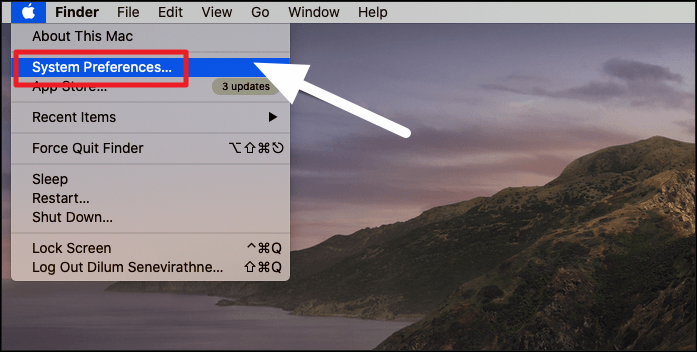
Step 1. To access System Preferences on your Mac, click the Apple logo located in the top left corner of your desktop. From the dropdown menu, select "System Preferences.
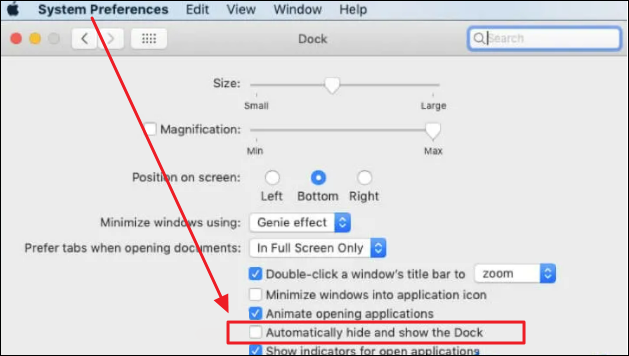
Step 2. Click Dock & Menu Bar.
Step 3. Deselect the "Automatically hide and show the Dock".
Method 4. Press the option keys to unhide the Dock
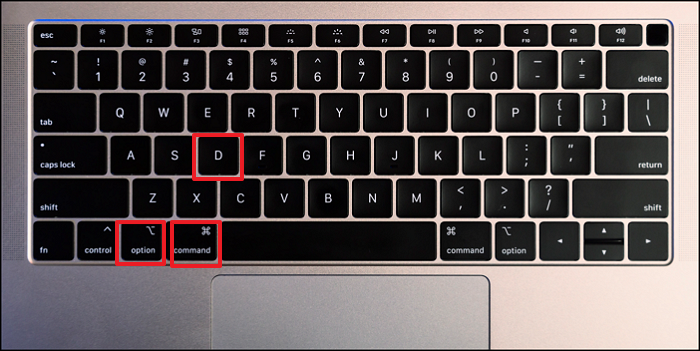
If you accidentally press the hotkey for the setting, "Option - Command - D", you may inadvertently make the Mac Dock disappear. To restore the Dock to its usual place, simply press the same hotkey combination again.
Method 5. Resetting the fullscreen mode to restore Dock on Mac
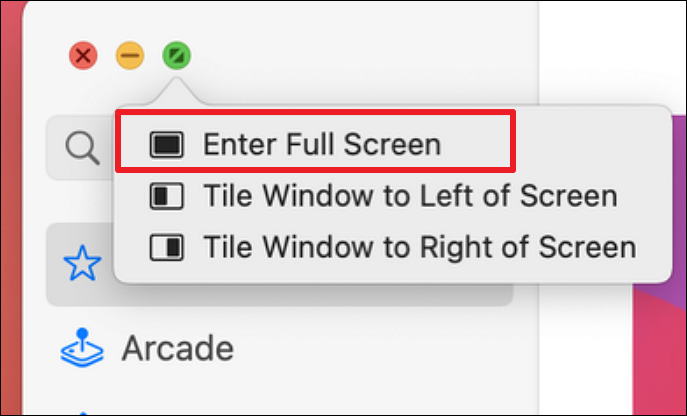
If the Mac Dock still disappears after applying the methods, ensure that Full-Screen mode is not active, as this can cause the Dock to be invisible due to the currently open window.
To exit full-screen mode, simply move your cursor to the top of your screen. This will cause the "Close" and "Full-Screen" buttons and the top Navigation Bar to reappear, allowing you to access the Dock again.
Method 6. Upgrade to the latest version of macOS
Apple releases annual updates to macOS, the operating system for Macs, which often include improvements and fix bugs in previous versions. Downloading the latest version, macOS Ventura, can resolve issues like the Mac Dock disappearing and make programs run more smoothly.
Bonus Tips: How to Recover Deleted Files on Mac
Besides the Dock disappearance issue, other problems may arise on your Mac after updating, such as a macOS Ventura that won't boot. Additionally, there is a risk of data loss due to wrongly updated processes, making it essential to prioritize data security. To recover lost Mac data, Deep Data Recovery for Mac can be a helpful tool.
To recover deleted files on macOS Ventura, first, stop using the affected storage device or disk immediately. Then, download and install a reliable file recovery software such as Disk Drill or Deep Data Recovery Wizard.
Step 1. Select file types
Launch Deep Data Recovery software, select the desired file types, and click "Fast Scan" to initiate the recovery process.
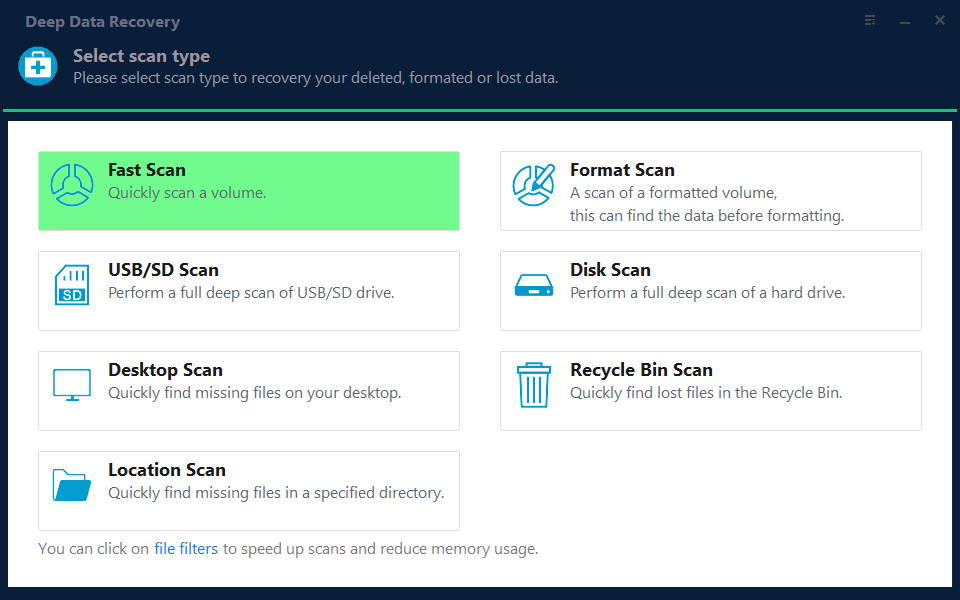
Note: You can choose different search modes based on where and why the data was lost.
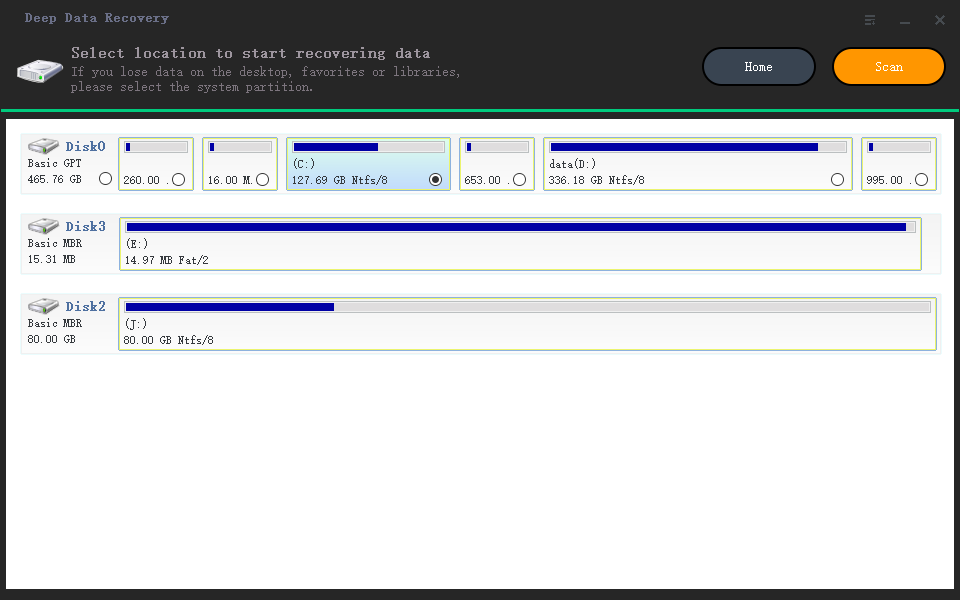
Step 2. Select the drive to be scanned
Select the drive you need to recover lost/deleted files from, and click the "Scan" button in the main Deep Data Recovery window.
Step 3. Select your lost data/files
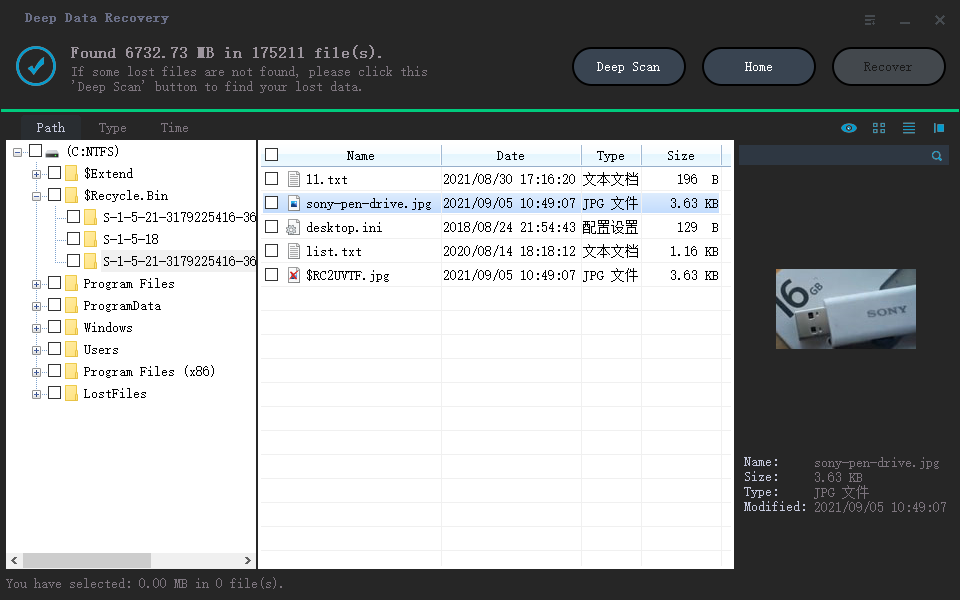
Deep Data Recovery for Mac will immediately scan your selected disk volume and display the scanning results on the left pane, allowing you to sort the results to find specific files if needed.
Step 4. Recover lost/deleted data
After finding the desired files, preview them and click "Recover" to initiate the recovery process for your deleted or lost Mac files.
Final thoughts
If your Mac's Dock keeps disappearing, don't worry, it's a common issue that can be easily fixed. The methods described on the page below can help you make your Dock visible again. In addition to resolving this issue, using a helpful tool like Deep Data Recovery for Mac can also ensure your Mac devices run smoothly and protect your data safely.
Mac Dock Disappeared FAQs
Here, we included four questions that you may be interested in. Check and find the answers here.
1. How to keep the Mac Dock appearing on screen?
To keep the Mac Dock visible, open System Preferences, select the Dock or Dock & Menu Bar option, and uncheck the box that says 'Automatically hide and reveal the Dock.' This will allow you to select the location on the screen where your Dock will appear.
2. Why does my Dock keeps disappearing on Mac?
- 1. Click "Go" in the Finder menu bar while holding down the Option key.
- 2. Access the Library folder.
- 3. Select Preferences from the menu.
- 4. Locate the "com.apple.dock.plist" file.
- 5. Transfer the file to the Trash, then restart your computer.
3. How do I keep the Dock visible on Mac full screen?
You should leave full-To prevent the Dock from disappearing when switching to full-screen mode, go to System Preferences > Dock & Menu Bar, and select "Show in full screen" under the "Dock" section. This will keep the Dock visible even when you're in full-screen mode.
4. Why is my Dock not working on Mac?
Your Dock may not be functioning properly due to various reasons, such as file corruption, program compatibility issues, or problems with the macOS itself.
Related Articles
- How to Fix Mac Stuck on Checking for Updates [macOS Ventura/Monterey/Big Sur]
- PC Not Working Properly? Try A Fresh Install Windows 10
- Fix macOS Sierra 10.12.1 Update Stuck or Fail to Download Error
- [Solved!] Your Device Is Missing Important Security and Quality Fixes
- Raid Array Data Recovery Glossary
A comprehensive RAID array glossary covering all essential terms from A to Z. Learn RAID terminology including striping, mirroring, parity, hot spare, and more for data recovery. - RAID Types: What is RAID and Which RAID Level Should Use
Are you seeking deep insights into RAID Types and RAID Levels? Guess what? You're in for a treat! Here. we have compiled a guide to help users understand this technology.
Products
Articles & Tutorials
- Data Recovery
- Data Backup
- File Recovery
- File Backup
- System Backup and Restore
- Disk and Partition Clone
- Technical articles
- Mobile articles
- Disk Master Help
- Windows Data Recovery Tutorials
- Windows Secure Delete Tutorials
- Windows Partition Management Tutorials
- Windows File Backup and Restore Tutorials
- Windows System Backup and Restore Tutorials
- Windows Disk Backup and Restore Tutorials
- Windows Clone Tutorials