What Is Mac Terminal Format Disk & How to Format Disk [Best Solution]
To format a disk on a Mac using the Terminal app, you can follow these steps:
To format a disk on Mac, you can use Terminal, which provides a detailed guide on how to do it. Alternatively, you can also use Disk Utility, which is another option. In this guide, we will provide detailed knowledge and steps on how to use Mac Terminal Format Disk.
What Is Mac Terminal and How to Open Terminal?
Mac Terminal is the command line interface (CLI) for Mac operating systems, similar to the Windows Command Prompt. It's primarily used by technical users and network administrators when graphical user interfaces (GUIs) can't support specific actions.
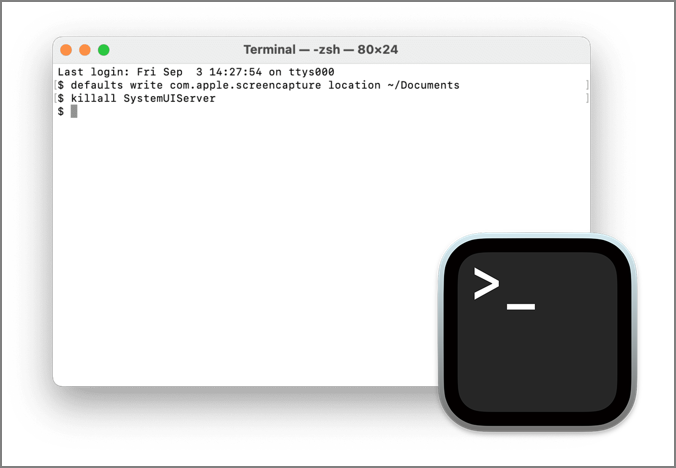
The Terminal app on a Mac offers root-level access and various functionalities, allowing users to make changes via the command line, launch new applications, change settings, and set the best hard drive format for Mac.
Using the Terminal requires strict commands and can be intimidating, and incorrect commands can have unintended consequences, making it a daunting task for many users.
To open Terminal on a Mac, click on the Launchpad icon in the Dock, then click on the Terminal icon, or use Spotlight to search for "Terminal" and click on the result, or press Command (⌘) + Space to open Spotlight, type "Terminal" in the search field, and press Return to open the Terminal application. Alternatively, you can also use the Finder to navigate to the Applications/Utilities folder and double-click on the Terminal icon to open it.
Step 1: To open Terminal, press the Launchpad icon on the Dock and enter "Terminal" in the search field.
Step 2: To go to the Go option in Finder, click on the Finder icon in the dock, then click on Go in the top menu bar, and select the desired location from the dropdown menu.
Step 3: Go to "Utilities. "
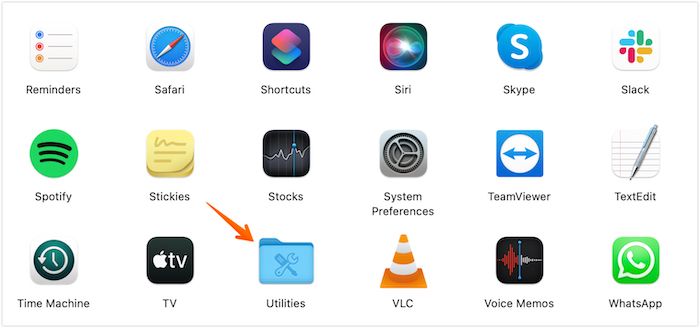
Step 4: Here, you need to select the "Terminal" option.

To format a disk using Terminal on Mac, enter the command `diskutil eraseDisk FILE_SYSTEM DISK_NAME DISK_IDENTIFIER` in the Terminal.
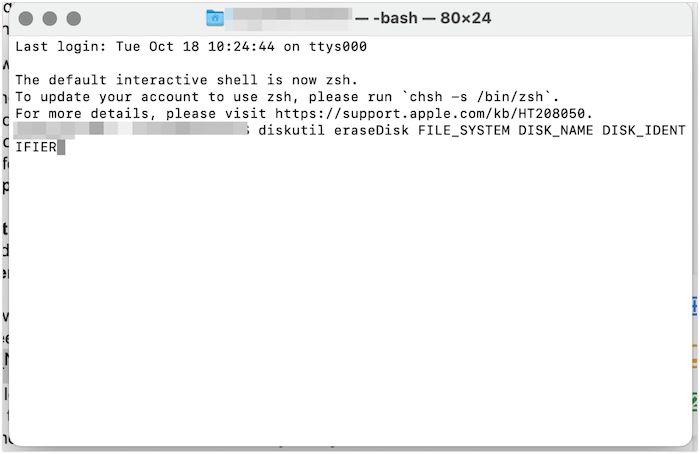
To find the drive you want to format, open Terminal through Utilities and type "diskutil list" followed by the Enter key. Wait for the list of hard drives associated with the Mac, then find the drive's name or file system you want to format.
How Do I Use Mac Terminal to Format Disk?
To use the Mac Terminal Format Disk, follow these steps: First, open the Terminal app on your Mac, then type in the command "diskutil list" to see a list of all available disks, including the one you want to format. Next, type "diskutil eraseDisk -type [type]" followed by the name of the disk you want to format, replacing [type] with the type of disk you want to create (e.g.
Step 1: Launch Terminal
To open Terminal on your Mac, first press the Go menu, then select Go To Folder, and enter /Applications/Utilities/Terminal/ to access it.
Step 2: Open TextEdit application
It's essential to note that typing commands in the Terminal requires precision, and any mistake can cause issues. To avoid this, it's recommended to first write down the command in a text editor like TextEdit before entering it in the Terminal. This ensures that you can review and correct any errors before executing the command.
For that, you need to follow these steps –
1. Click on the Go menu in Finder.
2. Now, click on Go To Folder.
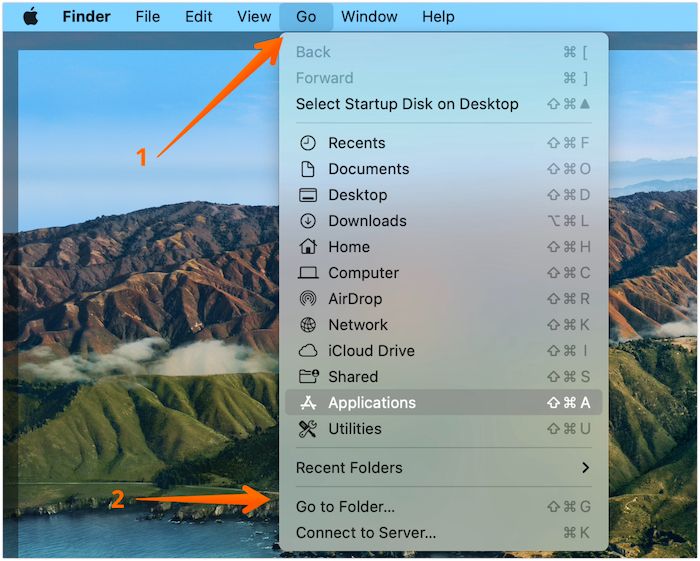
3: Here, type /Applications/TextEdit and press "Enter. "
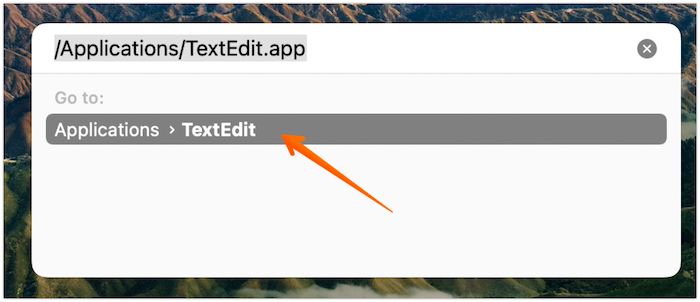
4. To launch TextEdit, click on its icon. This will open the TextEdit app.
Step 3: Type the commands
To proceed, you'll need to type the necessary commands. The basic one is "diskutil eraseDisk JHFS+ diskname diskidentifier", and it's a good idea to edit this to fit your specific needs.
Step 4: Make necessary changes
There are many changes you can make within the basic command line, such as replacing "eraseDisk" with "secureErase" to format or erase the disk securely.
Step 5: Copy-paste the commands
To copy the command, select it, then press Command-C. To paste it into Terminal, press Command-V. Alternatively, you can also copy and paste the command using your mouse by selecting it and dragging it into Terminal.
Step 6: Confirm
After pasting the commands on the Terminal prompt, press the Enter key. You will then be prompted to provide administrator credentials, and after entering them, you may need to confirm the action.
Bonus Tip: Mac Terminal Alternative to Format Disk
The Mac Terminal can be intimidating, but having basic knowledge of it can be beneficial. Many users shy away from using it due to its complexities, but it's worth learning the basics to unlock its full potential.
If you're not comfortable using the Mac Terminal, you can use the Disk Utility app instead, which offers various functions to format different storage devices on your system.
You can use Disk Utility to format the disk to exFAT or FAT file system format. Take a look at these steps –
Step 1: To launch the Disk Utility app, go to Applications > Utilities, where you will find the Disk Utility App.
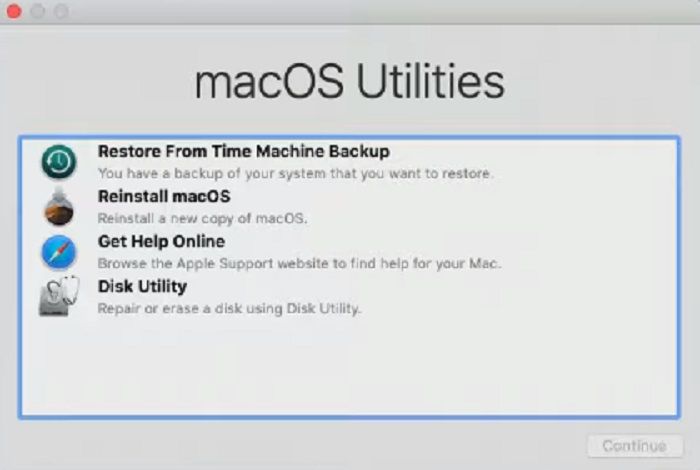
Step 2: To format a storage device, select the device from the sidebar list.
Step 3: Click on the "Erase" option. Now, you need to give a name to the partition. You can name it anything you like, such as "My New Partition".
Step 4: The drive should be formatted with the "exFAT" file system, and then the "Erase" option should be selected to complete the process.
If you're having trouble erasing a USB drive or external hard drive on your Mac, you can use Disk Utility to format the disk. To do this, first, open Disk Utility on your Mac, then select the drive you want to format from the list on the left. Click the "Erase" button, and then select the format you want to use (such as APFS or Mac OS Extended).
Conclusion
As a Mac user, I was motivated to create this tutorial after realizing that many people lacked knowledge about the Terminal, a powerful tool that I've always found essential. I had fun putting it together and hope it was helpful!
Even if you don't use Mac Terminal frequently, having basic knowledge is still essential, which is why this article was written.
Mac Terminal is a powerful app that offers root-level access to macOS, but requires specific commands to perform tasks. However, users must be cautious when entering commands, as reversing or making changes later can be challenging.
FAQs of Mac Terminal Format Disk
The guide provides essential information on using the Mac Terminal Format Disk, including the steps needed to format a disk using this command. If you have any further questions about the process, you can refer to the questions and answers below for additional clarification.
1. How do I format a corrupted hard drive on Mac?
To format a corrupted hard drive on a Mac, you'll need to first check the SATA/IDE USB connections and mount the drive. Then, you can use options like First Aid, Erase, FSCK command, or Terminal to attempt to repair the drive.
2. What is the formatting command of the Mac terminal?
The formatting command of Mac Terminal can vary based on multiple factors, with the most basic one being "diskutil eraseDisk FILE_SYSTEM DISK_NAME DISK_IDENTIFIER".
3. How to format a partition in Terminal Mac?
To format a partition in a terminal Mac, you can use the `diskutil` command. For example, to format a partition as NTFS, you can run the command `diskutil eraseVolume "Tuxera NTFS" my-ntfs disk0s4`, replacing `disk0s4` with the actual disk and partition number you want to format. This will erase the volume and create a new one with the specified file system.
Related Articles
- Fix Windows 10 Computer Keeps Freezing Randomly
- [FIXED] Bluetooth Disappeared Windows 10 Issue
- Fixed: Windows 10 File History Doesn't Recognize the Hard Drive
- Fix Computer Slow after Windows 10 Update | Speed Up PC in 6 Ways
- How to Recover Forgotten Gmail Password? [Step-by-Step]
Forgot your Gmail password? Learn how to recover it with Qiling Key Finder or reset it via Google's official recovery page. Step-by-step guide to regain access to your Gmail account. - 3 Methods | How to Find and Recover Microsoft Visual Studio Product Key
Have you lost your Microsoft Visual Studio Product Key? You can easily get your lost product key on your own. Here is a step-by-step guide on How to Find and Recover Microsoft Visual Studio Product Key.
Products
Articles & Tutorials
- Data Recovery
- Data Backup
- File Recovery
- File Backup
- System Backup and Restore
- Disk and Partition Clone
- Technical articles
- Mobile articles
- Disk Master Help
- Windows Data Recovery Tutorials
- Windows Secure Delete Tutorials
- Windows Partition Management Tutorials
- Windows File Backup and Restore Tutorials
- Windows System Backup and Restore Tutorials
- Windows Disk Backup and Restore Tutorials
- Windows Clone Tutorials