How to Transfer Files from Flash Drive to Computer Windows 10
PAGE CONTENT:
To transfer files from a flash drive to a Windows 10 computer manually, insert the flash drive into the computer's USB port. Open File Explorer on the computer, then click on "This PC" or "Computer" in the left sidebar.
To back up and copy files from a flash drive to a Windows 10 computer using PC data transfer software, you can use a tool like Qiling Disk Master. This software allows you to transfer files, settings, and applications from one computer to another, making it easy to copy files from a flash drive to your Windows 10 PC.
To transfer files from a flash drive to a Mac, start by inserting the flash drive into the Mac's USB port. The Mac should automatically recognize the flash drive and display it in the Finder window.
For those new to computers, transferring files from a flash drive to a computer can be a common query, especially in today's digital age where online storage is prevalent. Despite this, flash drives remain a convenient way to quickly copy and paste files between computers and smartphones, making them a useful tool for file transfers.
Plugging in a USB drive, formatting it, backing up existing data, and managing potential issues during data transfer can be a complex process, especially for novice users. Ensuring a smooth experience requires knowledge of these steps, as many things can go wrong if not done correctly.
If you're about to transfer files from a flash drive to a computer running Windows 10, this article will guide you through various methods to achieve this.
How to Transfer Files from Flash Drive to Computer Windows 10 Manually
Step 1. To locate the USB port on your computer, start by looking for it on the front or rear of your Desktop, or on the side of your laptop. This is where you will plug in your USB device to transfer files.
Step 2. The device should be inserted properly into the USB port to avoid confusion. Looking at both the USB port and the device port can help ensure correct insertion.
Step 3. To access your USB drive on your PC, go to My Computer, find your USB drive listed, and double click on it to open it.
Step 4. To copy files, select the files you want to copy, right-click on the file, and select copy, or use Ctrl + C.
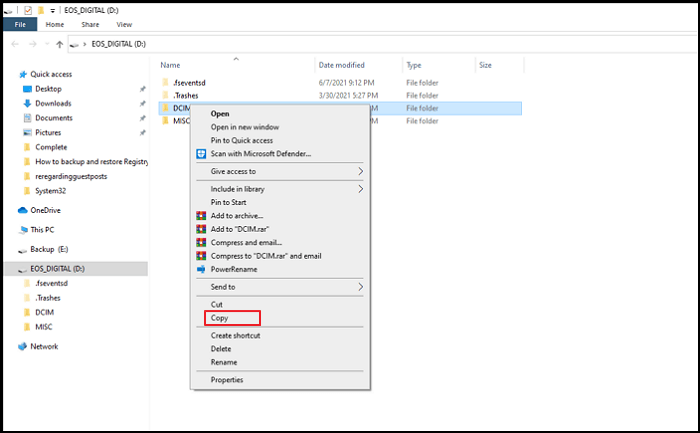
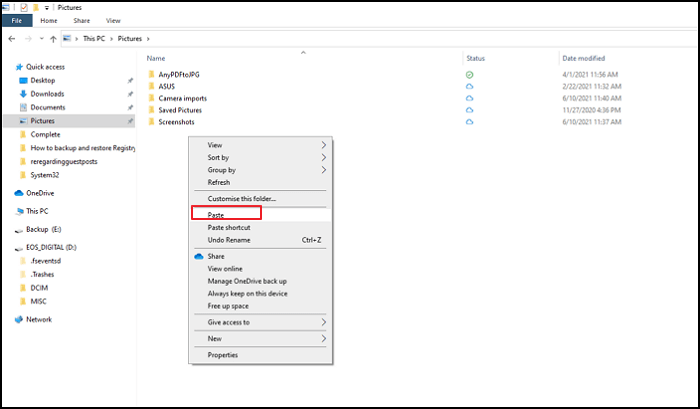
Step 5. To paste a copied file in Windows, open Windows Explorer using Win + E, select My Computer, navigate to the desired folder, and then use Ctrl + V or right-click and choose paste.
How to Back Up and Copy Files from Flash Drive to Windows 10 with PC Data Transfer Software
The Windows Explorer method of copying files can be slow and tedious, especially for larger file transfers. For small numbers of files, Copy and Paste or Drag and Drop methods may be sufficient. However, for faster file transfers, such as from a flash drive to a Windows computer, there is a more efficient method available.
If you need to transfer large files in batch and want to do it quickly with minimal errors, a professional data transfer program like Qiling Disk Master is recommended. This app efficiently manages the transfer process, keeps files safe, and offers additional features that can be useful.
Qiling Disk Master Features:
This software is a comprehensive tool that goes beyond just copying data. It's a one-stop solution that allows you to back up and restore files, clean up your computer by removing unwanted files and software, and even retrieve product keys if you've forgotten them.
Data Transfer Tools
This tool offers various data transfer options, including transferring user and application data between PCs, taking backups and restoring them to new PCs, and copying installed programs from one drive to another without reinstalling.
Data Rescue is a tool that can be used when an old computer is not working but the hard drive is accessible. It can smartly check the drive and locate software, apps, and files.
Clean up Tools
These tools can be used to clean the system of junk files, find large files and apps, and remove any remaining files after uninstalling a program, ensuring a clutter-free system.
Product Key Scanning
The software also includes a Product key Scanning feature, which can be useful when trying to retrieve a key from an offline computer. While it's easy to find the key on a working computer, this feature allows you to scan the registry and other known places where the keys are stored, making it easier to retrieve the key.
Using the Qiling software makes it easy to transfer files from a USB drive to a computer. We recommend using the software to ensure a smooth and error-free transfer process. With Qiling, you can choose the Backup and Restore method to copy all files from the USB to the computer, and then restore them whenever needed.
Step 1. Create a backup file.
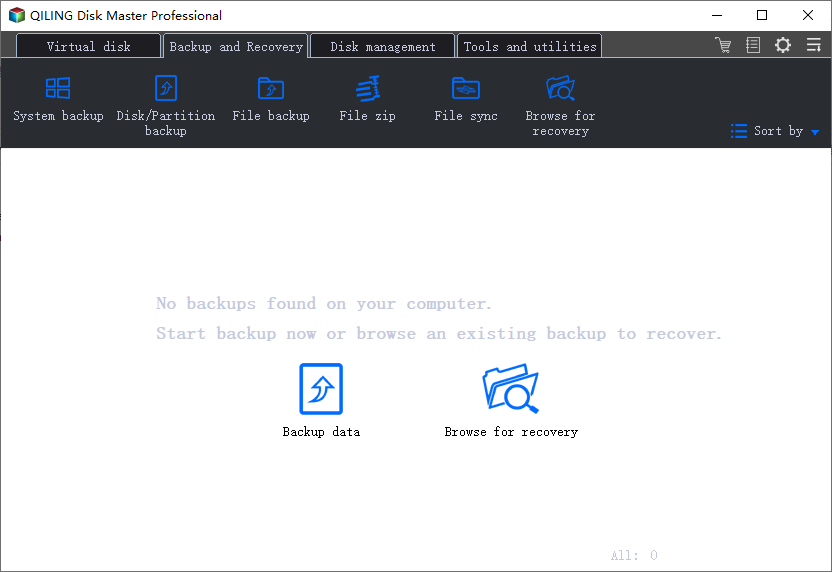
1. Connect your USB drive/external hard drive to your source computer and launch Qiling Disk Master. Click "File backup" on the "Backup & Restore" page.
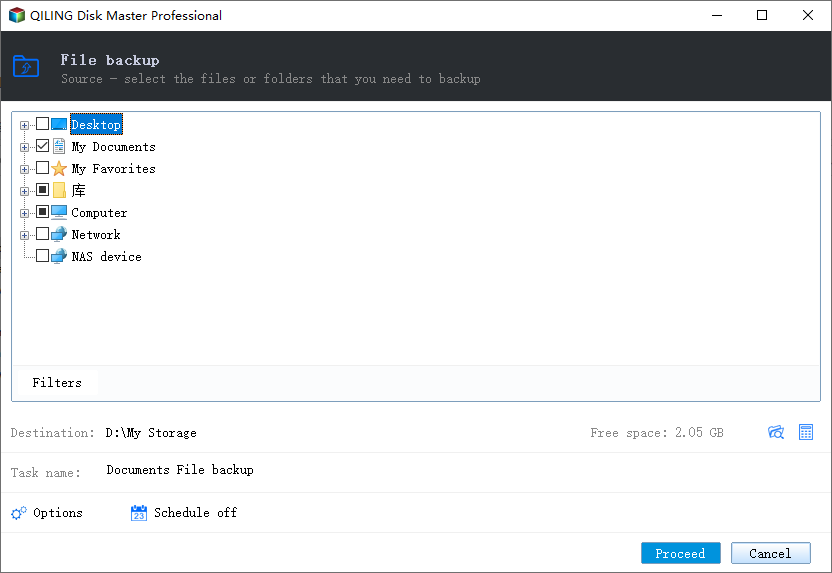
2. To create a backup file, hover over the "Applications", "Files" and "Accounts" columns to select the specific data, applications, etc. that you want to include in the backup, then click "Proceed" to initiate the backup process.
Step 2. Recover via the created backup file.
1. To restore your data, plug the USB drive containing the backup file into the target PC, then open Qiling Disk Master and navigate to the "Backup & Restore" page.
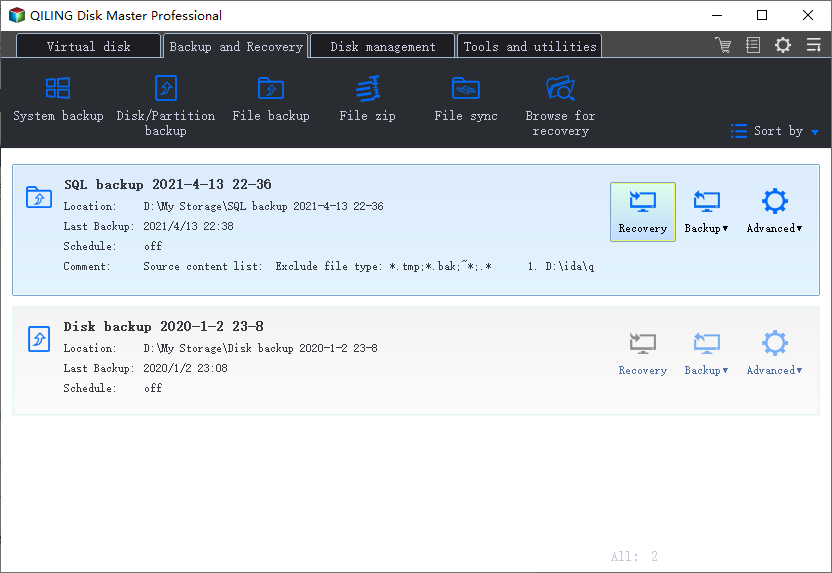
2. To restore your Image file, first click "Browse" to select the file from your device. Once located, click on it to upload. Then, click "Restore" to initiate the restoration process.
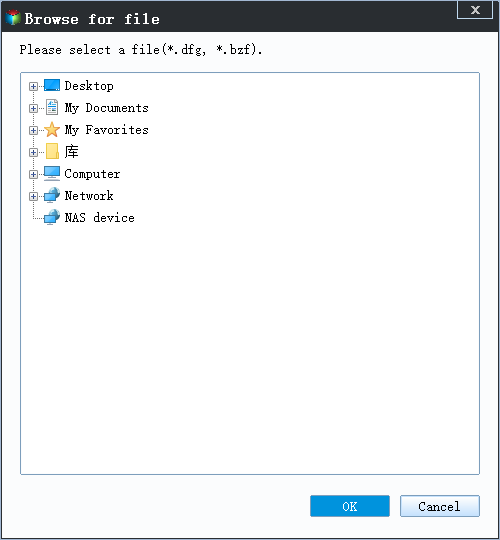
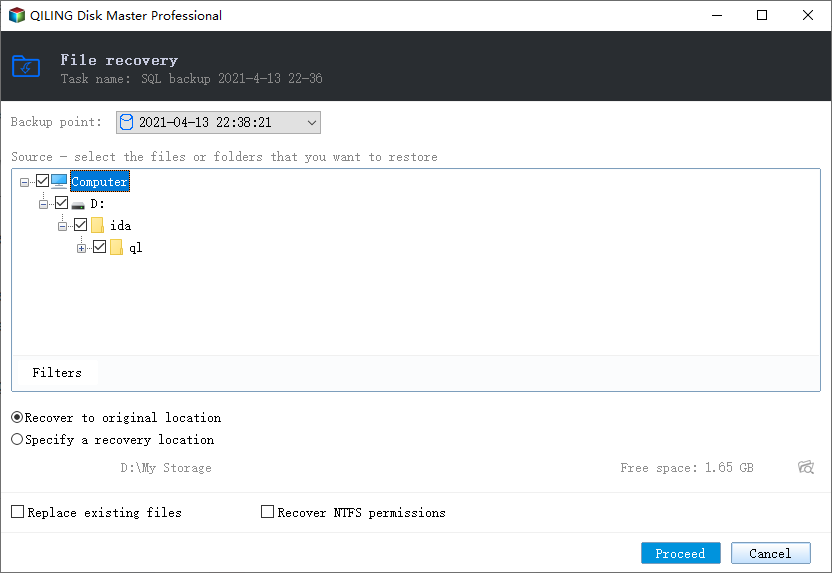
3. Now, you can select Applications/Files/Accounts you want to restore.
To transfer data, go to Applications, Files, or Accounts and select the specific data you want to transfer. Click "Restore" to confirm the transfer. Alternatively, you can click the "Migration Settings" icon to change the target path to recover and save the files.
Conclusion
Transferring files from a flash drive to a Windows 10 PC is a simple task that involves connecting the USB drive, selecting files, and copying them to the desired folder using Windows Explorer. However, for bulk transfers and daily routines, using software like Qiling PCTrans can be more efficient.
It's crucial to handle data transfers carefully, making sure to back up your data beforehand to avoid potential losses if something goes wrong during the process.
Also See: How to Transfer Files from Flash Drive to Mac
Like Windows, you can easily copy or transfer files from the USB flash drive anywhere on the Mac.
Step 1. Plug the USB drive into the USB port through the USB-C adaptor and it will automatically be detected by Mac, appearing on the desktop.
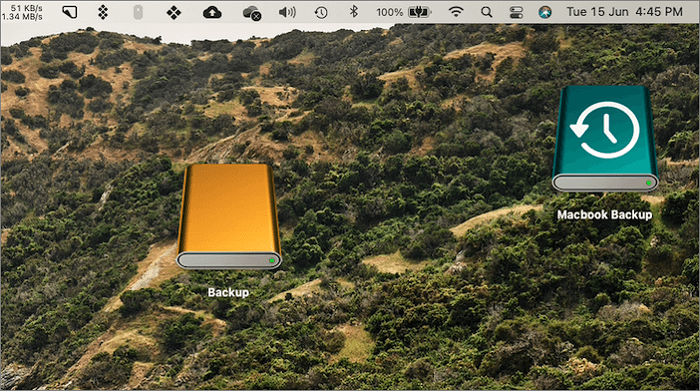
Step 2. To copy a file from a USB drive, double-click to open the drive, navigate to the desired folder or file, and then use the keyboard shortcut CMD + C to copy the file.
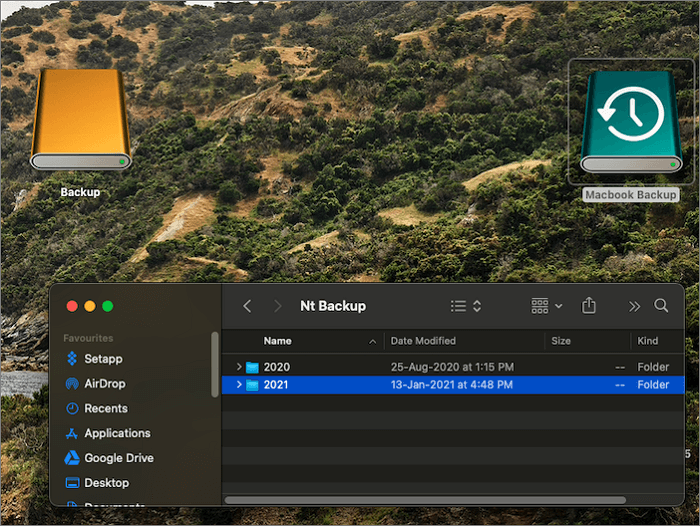
Step 3. To move a file on a Mac, navigate to the desired folder and use the keyboard shortcut CMD + V to paste the file, effectively moving it to the chosen location.
Related Articles
- 4 Quick-Fixes: File Transfer Speed Slow Between 2 Computers on LAN
- Can I Transfer Installed Programs to SSD without Reinstallation in Windows 11
- How to Transfer Photos from Google Photos to Gallery? Follow the Guide!
- How to Upgrade Windows 7 to Windows 11/10
- [2 Ways] How to Create Windows 10 Image with Pre-Installed Software
For people eager to know how to create Windows 10 iso image with pre-installed software, this article explains it all. From creating an ISO file in 2 ways to creating a bootable media to deploy the system with the pre-installed software on multiple systems in no time. - 5 Best Free Hard Disk Backup Software for Windows 11/10/8/7[The Latest]
A hard disk is a physical component of a computer where data is stored, and backing it up is crucial to protect your information in case of a hard drive failure. Fortunately, there are various hard disk backup software programs available, and here are five of the best and most popular ones.
Products
Articles & Tutorials
- Data Recovery
- Data Backup
- File Recovery
- File Backup
- System Backup and Restore
- Disk and Partition Clone
- Technical articles
- Mobile articles
- Disk Master Help
- Windows Data Recovery Tutorials
- Windows Secure Delete Tutorials
- Windows Partition Management Tutorials
- Windows File Backup and Restore Tutorials
- Windows System Backup and Restore Tutorials
- Windows Disk Backup and Restore Tutorials
- Windows Clone Tutorials