[Quick Guide] How to Copy a Hard Drive to SSD Easily
- How an SSD Can Improve Your Computing Experience
- When upgrading to a solid-state drive (SSD), copying your hard drive to the new SSD is often the most efficient and cost-effective method. To do this successfully, there are certain dos and don'ts to keep in mind.
- To copy a hard drive to an SSD without losing any data, first, ensure the SSD is compatible with your computer's operating system. Then, insert the SSD into your computer and boot from it.
- Common Questions About Copying a Hard Drive to SSD
Computers are an essential part of our daily lives, used for work, school, and staying connected with loved ones. However, as time passes, computers can slow down, causing frustration and hindering productivity. This common issue affects many people, making it difficult to complete tasks efficiently.
Upgrading to a solid-state drive (SSD) can significantly improve your computer's performance. This process, also known as disk cloning, involves copying the contents of your hard drive to the SSD using software programs. A step-by-step guide can help you complete this process efficiently.
How an SSD Can Improve Your Computing Experience
An SSD can greatly enhance your computing experience, offering a significant speed boost and improved performance, and is more affordable than you might expect, with a variety of brands like Toshiba, Kingston, and Samsung available for selection.
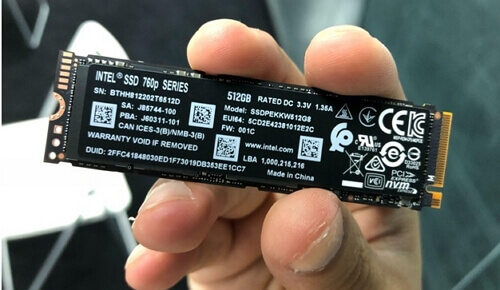
Faster Speed: Solid-state drives (SSDs) use flash memory instead of spinning disks, allowing for a significant speed boost in booting up computers and loading programs, making them ideal for users who need to quickly get up and running in the morning.
Higher Reliability: Because there are no moving parts, there's less chance of something going wrong, which means you're less likely to lose precious data if your computer takes a tumble.
Less Power Consumption: Upgrading to an SSD can prolong battery life and breathe new life into older computers by reducing power consumption.
Upgrading to a solid-state drive (SSD) can significantly improve your computing experience, especially if you're still using a traditional hard drive. It's a good time to consider replacing your HDD with an SSD.
The Dos and Don'ts of Copying a Hard Drive to SSD
When copying a hard drive to an SSD, it's essential to understand the dos and don'ts of the disk cloning process to ensure a successful transfer. This includes properly preparing the destination drive, selecting the correct cloning software, and being aware of potential compatibility issues. By taking these steps, you can ensure a smooth transition to your new SSD.
Things you should do to copy a hard drive to SSD
- To prepare a blank or used SSD for a clone, ensure it has sufficient storage space to hold the contents of the source drive. This means the SSD should have a capacity equal to or greater than the source drive.
- Check the compatibility of the drive with your computer's operating system.
- If you're using a new SSD as the target drive, initialize it first. This will erase any existing data on the drive and prepare it for use.
- Prepare a USB-A SATA adapter is a device that allows you to connect a SATA device, such as a hard drive or solid-state drive, to a system that only has a different type of interface, like PCIe or M.2.
- To clone a hard drive, you'll need to choose a reliable disk cloning software that suits your needs. There are many options available, so take some time to research and compare different programs to find the one that works best for you.
Things you should avoid when copying a hard drive to SSD
- Avoid using system files that are currently being utilized by other processes or applications, to prevent potential conflicts and ensure smooth operation.
- Avoid using BIOS-based drivers.
- To avoid any issues, do not copy over any files that are larger than 4 GB in size, ensuring a smooth and efficient transfer process.
How to Copy a Hard Drive to SSD without Losing Any Data
Qiling Disk Copy is a powerful tool for cloning, moving, and replacing hard drives, allowing users to clone HDD to SSD, make full copies of hard drives while keeping data safe, and upgrade to larger disks.
Qiling Disk Copy
- Offers sector levels cloning, helping to clone a hard drive with bad sectors.
- Supports cloning from MBR to GPT and vice versa
- Supports adjusting disk layout.
- Compatible with Windows 11/10/8/8.1/7
After you have installed and launched this efficient software, you can follow the steps below to begin copying the hard drive to an SSD.
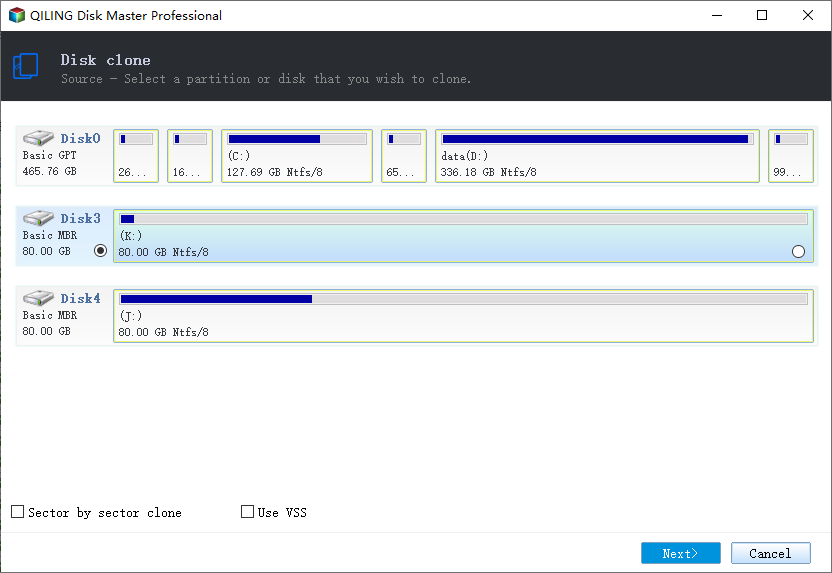
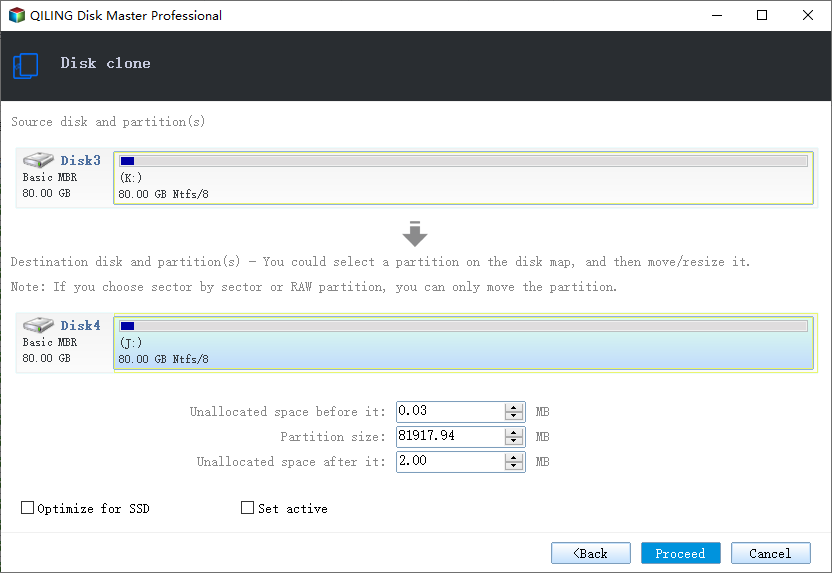
Step 1: In "Disk clone", select the HDD that you want to clone.
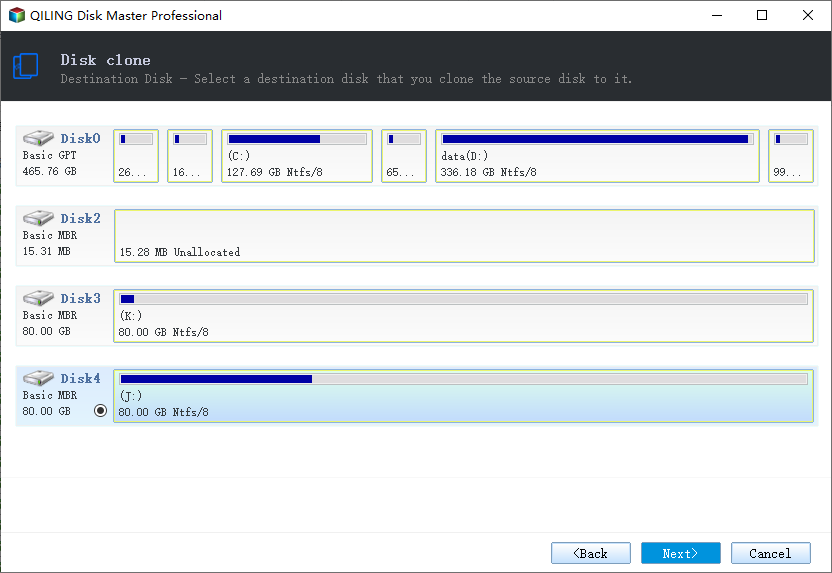
Step 2: Select the SSD as your destination.
Step 3: Edit the disk layout and then click "Proceed" to continue.
To ensure optimal performance and longevity of the SSD, check the box that indicates the target drive is an SSD. This will trigger the system to optimize the write strategy for the destination drive.
A warning message informs you that the data on the SSD will be erased. If you don't have important data on the destination disk, click "OK" to proceed.
Step 4: Wait for the process to complete.
If you have any issues with how to use this software, please feel free to contact us. We'll respond as soon as possible and provide technical assistance once we've received your mail.
Common Questions About Copying a Hard Drive to SSD
To help you get more familiar with the disk cloning process, we have listed some common questions about copying a hard drive to an SSD.
How do I copy my operating system to an SSD?
To copy your operating system to an SSD, you'll need to use disk cloning software, with Qiling Disk Copy being a top choice. This program allows you to clone your hard drive and upgrade to a larger disk without losing any data.
Can I copy a hard drive to multiple SSDs?
You can copy a hard drive to multiple SSDs using software like Qiling Disk Copy, which allows you to clone the hard drive and upgrade to a larger disk without losing any data.
What are the risks of copying a hard drive to an SSD?
Copying a hard drive to an SSD can pose some risks, including potentially transferring malware or viruses to the new drive, as well as any existing issues with the original hard drive's operating system or software. Additionally, the process may not work seamlessly, leading to data corruption or other technical problems. Furthermore, if the original hard drive is failing or has physical damage, the copy process may not be successful, resulting in data loss.
- Data loss
- File corruption
- Hardware damage
By following the do's and don'ts mentioned above and using reliable disk cloning software, you can easily avoid the risks associated with disk cloning and ensure a smooth and successful process.
How long does cloning an HDD to an SSD take?
The time it takes to clone a hard drive is influenced by the cloning speed and the size of the data being cloned. For example, cloning a 500 GB drive at 100 Mb/s would take around 90 minutes, while cloning the same drive at 50 Mb/s would take over 3 hours.
Bottom Line
Now that you have learned the full guide to copying a hard drive to an SSD, you can begin the process with confidence. To do this, use reliable disk cloning software, such as Qiling Disk Copy, to avoid any data loss or file corruption. If you have any questions about the disk cloning process, please feel free to contact us for help.
Related Articles
- 2022 Step-by-step Guide | How to Clone Hard Drive to SanDisk SSD
- HDD RAW Copy Tool: Upgrade Disk, Copy Disk, Recover Disk
- Clone OS from HDD to Smaller SSD Without Reinstallation
- How to Clone Hard Drive Using Command Prompt for Windows 11/10/8/7
- How to Clone Hard Drive to USB Flash Drive in Windows 10, 8, 7?
How to clone hard drive to USB flash drive in Windows 11, 10, 8, 7? With this step-by-step guide, you can easily clone HDD or SSD to USB flash drive using Qiling Disk Master. - How to Clone Hard Drive with Bad Sectors?
This tutorial tells you how to clone hard drive with bad sectors on a Windows 11, 10, 8, and 7 laptop or desktop computers, and the cloned hard drive can boot normally.
Products
Articles & Tutorials
- Data Recovery
- Data Backup
- File Recovery
- File Backup
- System Backup and Restore
- Disk and Partition Clone
- Technical articles
- Mobile articles
- Disk Master Help
- Windows Data Recovery Tutorials
- Windows Secure Delete Tutorials
- Windows Partition Management Tutorials
- Windows File Backup and Restore Tutorials
- Windows System Backup and Restore Tutorials
- Windows Disk Backup and Restore Tutorials
- Windows Clone Tutorials