How to Recover Cache Files on Android SD Card (Only 3 Steps)
You can try using a data recovery software or app to scan your SD card and recover deleted photos. Additionally, check if your LG smartphone has a built-in feature to recover deleted data, and also, contact your carrier or LG support for further assistance.
Android cache files can be saved on either the device's internal memory or an external SD card. If you delete the cache folder without backing up the data, it may be lost if it was stored on the internal memory or some parts of the external memory.
Once you've lost files on a memory card, it's essential to act quickly to maximize the chances of recovering them. First, stop using the memory card immediately to prevent overwriting any remaining data.
- First, stop using the Android SD card.
- To recover lost files, use a reliable file recovery solution that can scan the affected drive or storage device, identify the deleted files, and restore them to their original location or to a safe external drive. This can help minimize data loss and prevent further corruption.
How to Restore Deleted Cache Files on Android SD Card
If the cached files and images are stored on the SD card, you can use one of the two methods provided to recover deleted cached images and files from the Android SD card. This involves either using a file explorer app to search for and restore the deleted files, or using a data recovery app to scan the SD card and recover the deleted files.
Manual Method - Recover Deleted Cache Images
The provided method is a third-party solution that may recover lost cache images, but the recovered images may not retain their original size.
Step 1: Open "My Files" or "Storage" on the Android phone.
Step 2:Go to the Android folder, locate and open the "Data" folder.
Step 3: Open a folder named com.sec...gallery3d inside the Data folder.
Step 4: To view deleted files, you'll see a Cache folder in the app's data directory. Open it to see thumbnails of the deleted files.
Step 5: You can change the extensions of these files to .png, .jpg, .jpeg, .gif, or other image formats.
Step 6: Once you've completed the steps to clear the cache, you can go back to the "Gallery" section and view your image files again.
Automated Method - Recover Cached Images and Files from Android SD card
# 1. Download reliable file recovery software
To recover lost data from an Android SD card, you'll need to download a reliable data recovery software, such as Qiling Data Recovery Wizard, which can scan the SD card and find all lost files.
If you use a Mac machine, download the Mac version.
# 2. Connect Android SD card to PC
To access your Android SD card on your computer, you need to physically remove the SD card from your Android device and insert it into a card reader connected to your computer. This card reader will allow your computer to read the SD card and access its contents.
# 3. 3-step recovery of deleted Cache files on Android SD card
Wait for the SD card to appear on your computer, then follow the steps to start the Android SD card data recovery process.
Step 1. Select file types and click "USB/SD Scan" to start
- Download and install Deep Data Recovery on your Windows PC.
- To properly connect your SanDisk/Lexar/Transcend SD card to your computer, insert the card into the SD card slot on your computer, which is usually located on the side or front of the laptop or on the back of the desktop. If your computer does not have an SD card slot, you can use an SD card reader, which is a small device that plugs into a USB port on your computer. Simply insert the SD card into the reader, and it will automatically recognize the card and allow you to transfer files.
- Open Qiling SD card recovery software, select file types, and click "USB/SD Scan" to start the recovery process.
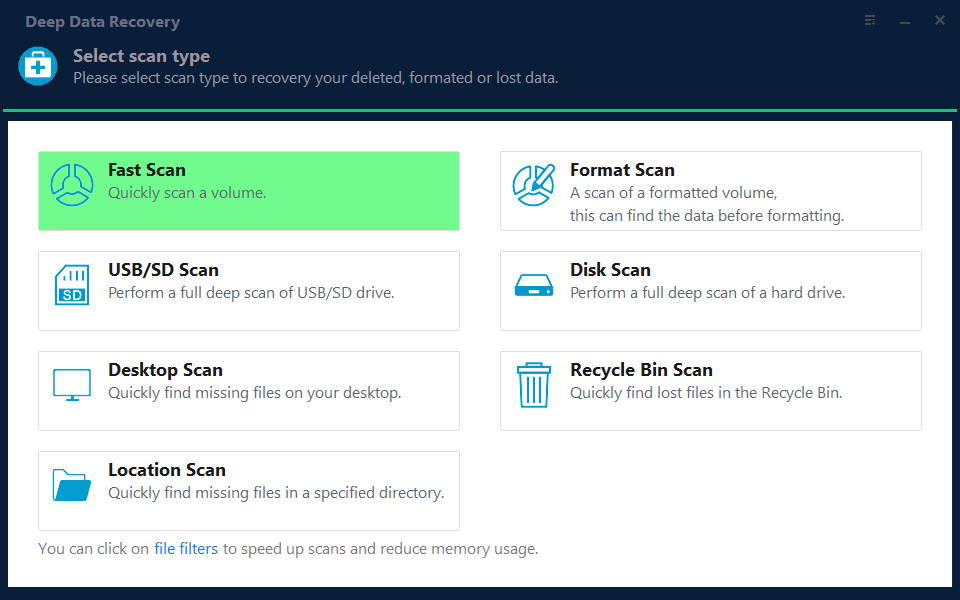
Note: You can choose different search modes based on where and why the data was lost.
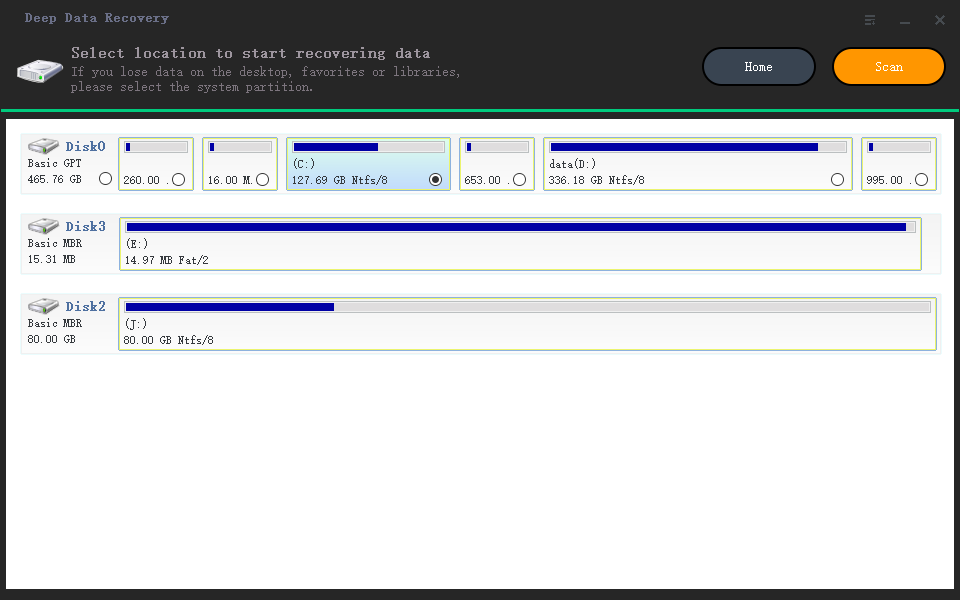
Step 2. Select the SD card to scan
- Select the SD card you want to scan and click the "Scan" button.
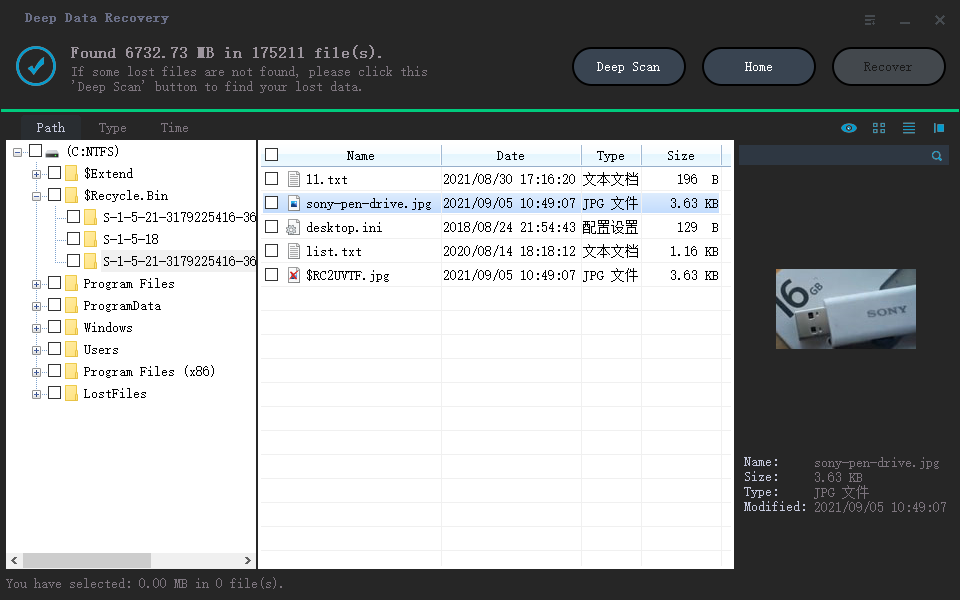
Step 3. Check for scan results
- Wait for the scanning process to complete.
- Click "Filter" and select one or several file types to display, such as Pictures, Word, Excel, PDF, Videos, and more.
- Click "Preview" to check if they are the wanted files.
Step 4. Recover SD card data
- Choose desired files and click "Recover".
- To avoid overwriting the original data, it's recommended to save the recovered files to a different location, such as an external hard drive, a different SD card, or even a cloud storage service. This ensures that the recovered files are kept separate from the original SD card, preventing any potential data loss or corruption.
How to Restore Deleted Cache Files on Android Internal Memory
If the cached data you deleted is stored in the internal memory on the Android phone, you can apply Qiling MobiSaver for Android to restore cache data, which covers multiple scenarios that result in data loss from the Android phone.
- Data recovery software can help recover data lost due to accidental deletion, virus attacks, device failure, and other reasons. This software can scan the device, identify the deleted data, and recover it in its original format.
- Scan and preview various data on your Android, including photos, contacts, messages, and more.
- Recover lost files and data in just 3 easy steps: first, identify the files you need to recover; next, use a reliable data recovery software or tool to scan for and retrieve the lost files; and finally, restore the recovered files to their original location or a new one, ensuring your important data is safely back in your hands.
- 100% secure and works well on all operating systems.
To recover cache files on Android, download Qiling MobiSaver for Android now and follow the guide.
Step 1. Select file types and click "USB/SD Scan" to start
- Download and install Deep Data Recovery on your Windows PC.
- Use the proper way to connect your SanDisk/Lexar/Transcend SD card to the computer.
- Open Qiling SD card recovery software, select the desired file types, and click "USB/SD Scan" to initiate the recovery process.
Note: You can choose different search modes based on where and why the data was lost.
Step 2. Select the SD card to scan
- Select the SD card you want to scan and click the "Scan" button. This will initiate the scanning process on your selected SD card.
Step 3. Check for scan results
- Wait for the scanning process to complete.
- To filter search results, click on the "Filter" button and select the desired file types, such as Pictures, Word, Excel, PDF, Videos, and more, to narrow down the search.
- Click "Preview" to check if they are the wanted files.
Step 4. Recover SD card data
- Choose desired files and click "Recover".
- To prevent overwriting the original data on the SD card, it's recommended to save the recovered files to a different location. This can be done by choosing a different location, such as a computer's hard drive or an external storage device, to store the recovered files.
The Bottom Line
The methods provided on this page may not be 100% effective in restoring deleted or lost Cache files, particularly those related to specific apps.
To protect your files from being deleted, create a regular backup of essential files on your phone and be cautious when clearing storage and cache files.
Related Articles
- Fix 'This Drive Is Read Only' on SD Card/USB/Hard Drive [5 Methods]
- SD Card/USB Drive/Pen Drive Shows 0 Bytes
- Repair a Corrupted Pen Drive/SD Card for Free
- How to Fix Overheated Hard Drive and Recover Data [Symptoms, Causes & Fixes]
- How to Recover Ransomware Encrypted Files
Ransomware is an advanced malware that attacks both individuals & enterprises by encrypting the files on your computers, and then you can't access them unless you pay the ransom. - Recover Data from Corrupted Hard Drive
You can download corrupted hard drive recovery software for free to recover files from a corrupted hard drive, increasing the chances of successful recovery. Follow a tutorial to recover corrupted hard drive and repair a crashed hard disk without losing data.
Products
Articles & Tutorials
- Data Recovery
- Data Backup
- File Recovery
- File Backup
- System Backup and Restore
- Disk and Partition Clone
- Technical articles
- Mobile articles
- Disk Master Help
- Windows Data Recovery Tutorials
- Windows Secure Delete Tutorials
- Windows Partition Management Tutorials
- Windows File Backup and Restore Tutorials
- Windows System Backup and Restore Tutorials
- Windows Disk Backup and Restore Tutorials
- Windows Clone Tutorials