A Complete Guide to Recover Deleted Files
Deleting files can be a careless mistake, with most people experiencing it at least once in their lifetime. Whether it's an essential document, a cherished wedding video, or something else valuable, losing data can be devastating. This tutorial explores the reasons behind intentional and unintentional deletions, and provides guidance on how to recover lost files.
How Do You Delete Files on a Computer
Yet, many people believe that data deletion is unlikely to happen to them. However, their daily routines and actions can inadvertently lead to data loss.
Deleting a file removes it from its storage location, either intentionally or by mistake. Files can be deleted by right-clicking, selecting "Delete", or pressing the "Delete" key, and multiple files can be deleted simultaneously.
To permanently delete a file without recovery, hold down the Shift+Delete keys simultaneously, use the del command in CMD, or employ a third-party file deletion tool.
Where Do Deleted Files Go on Windows 10/11
When you delete a file from a Windows 10 or Windows 11 PC or laptop, it doesn't actually get deleted. Instead, it gets moved to the Recycle Bin, where it remains until you empty the Recycle Bin or until a certain period of time has passed, after which it is permanently deleted. This is a safety feature to prevent accidental deletion of important files.
When you delete a file on Windows using the Delete key in File Explorer, it gets sent to the Recycle Bin, which is usually visible on the desktop. However, if you empty the Recycle Bin or use the Shift + Delete shortcut, the file is permanently deleted and won't be recoverable.
- Tip
- If you delete a file from a computer's hard disk, it goes to the Recycle Bin, but if deleted from a portable storage device like a USB or SD card, the file is lost forever.
Can Deleted Files Be Recovered on Windows 10
If you deleted files and they're in the Recycle Bin or Recently Deleted folder, simply open the bin, find the target file, and restore it to its original location.
Permanently deleted files can be recovered because when a file is deleted, the operating system doesn't delete the file's data directly from the hard drive, but rather marks the file's disk location as deleted, allowing new data to be written to those locations without keeping the original data.

When a file is deleted, its data remains on the disk until new data is written over it, and advanced data recovery methods can recover this data.
Check the following solutions to restore deleted files on Windows 10.
- Recover Deleted Files on Windows 11/10 Without Software
- Recover Permanently Deleted Files on Windows with File Recovery Software
- Recover Deleted Files with a Professional Recovery Service
- Recover Permanently Deleted Files in Different Formats
- Recover Deleted Files from Multiple Devices
How to Recover Deleted Files on Windows 11/10 Without Software
Recovering deleted or permanently deleted files in Windows 10/11 can be achieved through various methods. A guide has been created to help individuals master the Windows 10 files recovery process without relying on software. This guide aims to transform users from amateur to expert in recovering deleted files.
Method 1. Recover Deleted Files from Recycle Bin
If deleted files are not permanently erased from your computer, you can easily undelete them from the Recycle Bin. To retrieve files from the Recycle Bin, you can follow the process.
Step 1. Find the Recycle Bin icon on your desktop and open it.
Step 2. Look for the files you want to restore, and select Restore all items if you want all of your files back.
Step 3. To recover a file, simply select the specific file you need and click the "Restore" button. The file will then be returned to its original location.
Full Guide
Click here to follow the instructions on Recycle Bin recovery.
Some users are experiencing an issue where deleted files are not appearing in the Recycle Bin, despite not being permanently deleted. There are three possible reasons for this problem.
- The system automatically deletes files in the Recycle Bin that have been stored for too long.
- The deleted file is too large, and the file is permanently deleted bypassing the Recycle Bin.
- The Recycle Bin is full and needs to be emptied to free up space for more temporarily deleted files. You can do this by right-clicking on the Recycle Bin icon, selecting "Empty Recycle Bin", and then confirming that you want to delete the files permanently.
In-depth reading on recovering deleted files not in Recycle Bin.
Method 2. Recover Deleted Files with Backup
Recovering deleted files can be simple if you have a recent backup. Windows 10 automatically creates File History backups of your files, which can be used to recover deleted files without needing any additional software.
To access and restore deleted files from File History:
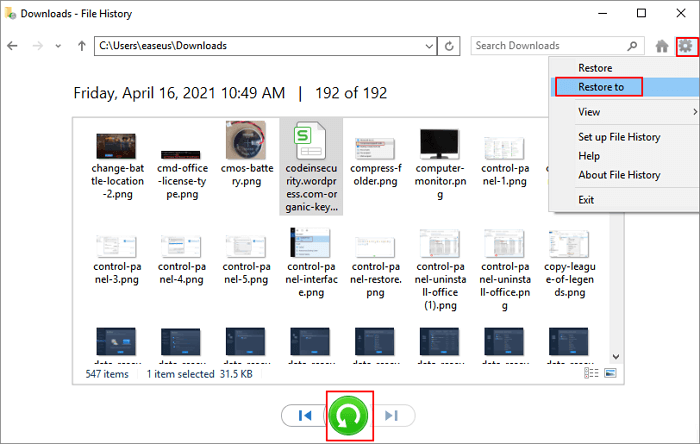
Step 1. To restore your files from File history, go to the Search box and type "file history" and click on "Restore your files from File history".
Step 2. When you go to the File History window, you can find and preview the deleted files you need to restore.
Step 3. Select the files you want to restore, click the gear icon near the upper right corner of the window, and select "Restore to" to save the file to a customized path.
Restore Deleted Files from the Previous Version
To restore a deleted file, you'll need to revert back to a previous version of the file. This can be done by accessing the file's version history, which is often stored in cloud storage services like Google Drive or Dropbox.
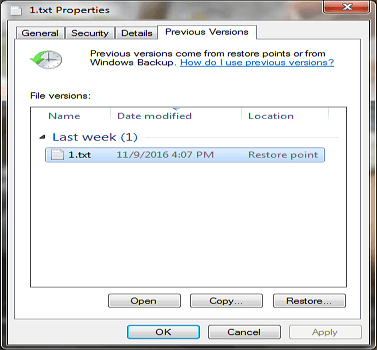
Step 1. To recover a deleted file, open "This PC" or "My Computer" and navigate to the folder that previously contained the file or files you want to recover.
Step 2. Right-click on a file, select "Properties", and then click on the "Previous Versions" tab. Windows will display a list of previous versions of the file that were created with Windows backup or saved as restore points.
Step 3. Double-click the previous version of the file you want to recover, then drag it to a new location to save and reuse it.
Recover Deleted Files on Windows with File Recovery Software
Using file recovery software is the most effective method for recovering deleted files, even if no backup is available. Tools like Deep Data Recovery can scan your hard drive for any remaining traces of deleted files and attempt to recover them, often successfully. This software is particularly useful when permanently deleted files need to be recovered, and can be a reliable solution when other methods fail.
- Recover deleted files from various storage devices, including SD/memory cards, USB flash drives, hard disk drives (HDDs), solid-state drives (SSDs), and more.
- Recover lost or deleted files, photos, videos, documents, and more.
- Data recovery software can help retrieve lost data from various storage devices, including hard drives, solid-state drives, and memory cards. These tools scan the device for recoverable files, allowing users to recover deleted or formatted data, even if the device is no longer functioning properly.
- Data recovery services can help restore data from computers that have been compromised by viruses or other malware, allowing users to recover their lost files and information.
- The software offers a preview function that allows users to see what files can be recovered before starting the actual recovery process. This feature provides a sneak peek into the potential outcomes of the recovery process, giving users a chance to assess the feasibility of the recovery before committing to it.
To recover deleted files on your Windows PC, download and install Qiling data recovery software from our website, then follow the steps to recover deleted files. You can recover deleted files for free with Qiling if they are under 2GB covered by the Free edition of the program.
Step 1. Select file types and click "Fast Scan" to start.
Launch Deep Data Recovery, select the file types you want to recover, and click "Fast Scan" to initiate the recovery process.
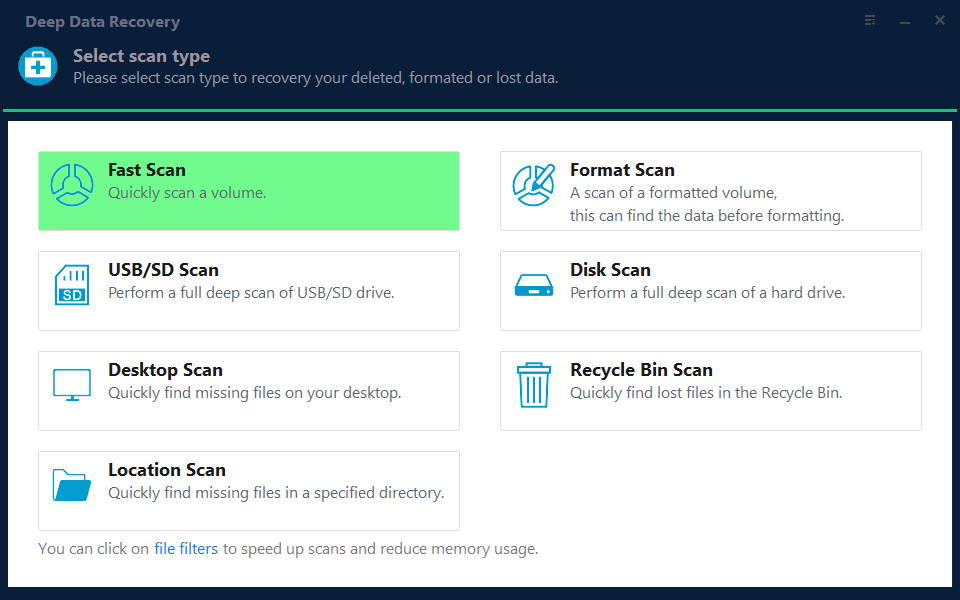
Note: You can choose different search modes based on where and why the data was lost.
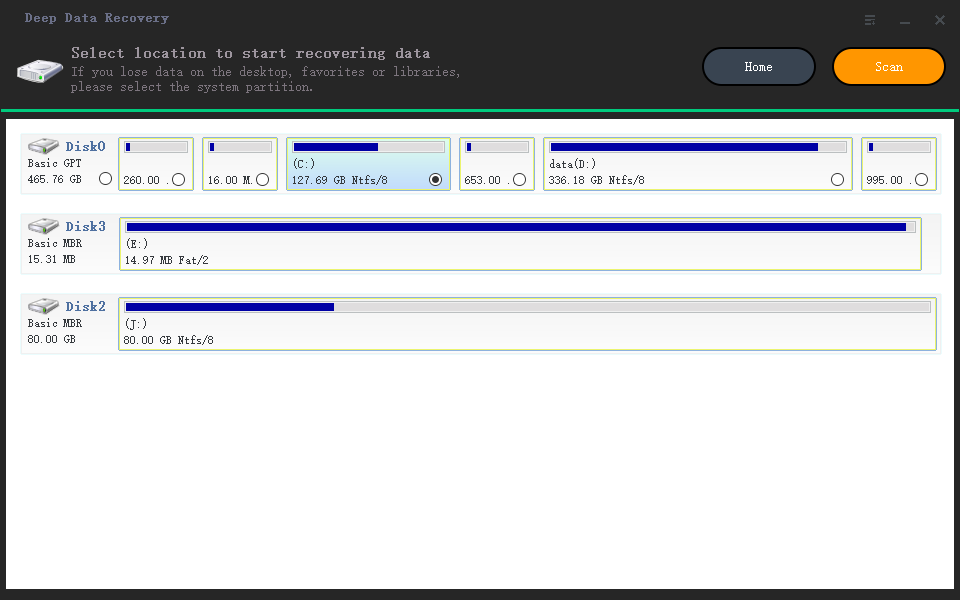
Step 2. Select a specific hard disk or location.
Choose the drive or partition where you deleted files, or select a specific location to scan, then click Scan to start finding files.
Step 3. Start a quick or advanced scan for lost data.
The time to scan depends on the file size and disk health, and detailed scan results are provided once complete, allowing for filtered file viewing by type.
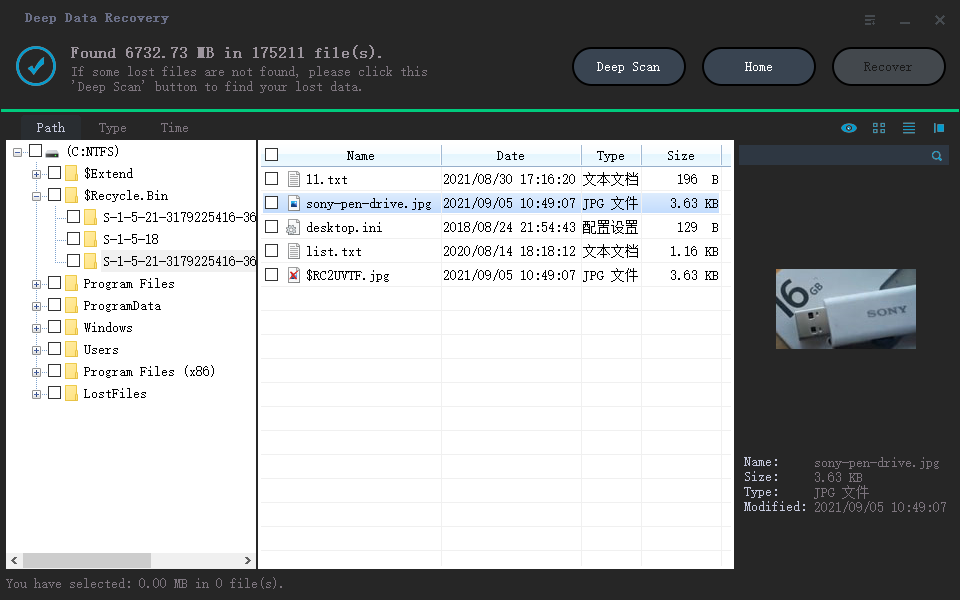
Step 4. Preview and recover the files you need.
After verifying the scanned file, click the "Recover" button to save the recovered files.
Recover Deleted Files with a Professional Data Recovery Service
If the previous solutions to recover data have failed, it may be worth considering professional data recovery services, although this would come at a cost.
If you're considering a professional data recovery service, here's what you can do: look for a company that has a good reputation and is transparent about their process and pricing, check their reviews and ratings from multiple sources, and make sure they have experience with your type of data loss (e.g.
- For reliable data recovery, search Google for a service with a good reputation, such as Qiling Data Recovery Service.
- To check your device, follow the experts' guidelines and make your selection.
- To schedule a remote connection for a free diagnosis, I recommend making an appointment through the official website or by contacting the technical support team directly. They will guide you through the process and ensure a smooth connection.
- Complete the financial transaction with the recovery service and let them recover your files.
- Check the device and start using your files again.
Deleting a file only to later regret it is a common experience for many people. Whether it's an important document, a cherished wedding video, or something else valuable, losing a file can be frustrating. Fortunately, in Windows 10, it's often possible to recover deleted files, giving you a second chance to retrieve what you need.
Full Guide
If you're having trouble recovering deleted files in Windows 10, you can try using a file recovery software like Deep Data Recovery. This software can scan your computer's hard drive and recover deleted files. Alternatively, you can also try using the built-in Windows feature called File History, which can automatically back up your files to an external drive.
Recover Permanently Deleted Files with Windows File Recovery Tool
Windows File Recovery is a Microsoft utility that enables users to recover deleted files from their computer's hard drives, solid-state drives, or portable storage devices. To use it, users must have a Windows account and be signed in with their Microsoft account. The tool allows users to recover deleted photos, lost Word documents or Excel files, and missing or deleted files.
To recover deleted files on Windows 10, follow these steps: download and install the free utility, then run it and select the drive where the deleted files were stored. The utility will scan the drive and display a list of recoverable files, which you can then preview and select to recover.
Step 1. Download and launch Windows File Recovery from Microsoft Store.
Step 2. To recover deleted files on Windows, enter "Windows File Recovery" in the search box and select "Windows File Recovery".
Step 3. The command to recover lost files in the Command Prompt window is `chkdsk /r`. This command will scan the hard disk for any errors and attempt to recover any lost files.
Default mode example - To recover a specific file from your C: drive to the recovery folder on an E: drive, navigate to the C: drive, locate the file you want to recover, and copy it. Then, navigate to the E: drive, open the recovery folder, and paste the file into it.
winfr C: E: /n \Users\Documents\QuarterlyStatement.docx
Segment mode example (/r) - Recover PDF and Word files from your C: drive to the recovery folder on an E: drive.
winfr C: E: /r /n *.pdf /n *.docx
Signature mode example (/x) - When using the signature mode, it's a good idea to check the supported extension groups and corresponding file types beforehand.
info /#
Step 4. When you are prompted for confirmation to continue, enter "Y" to start the recovery operation. Press Y to confirm and start the recovery operation.
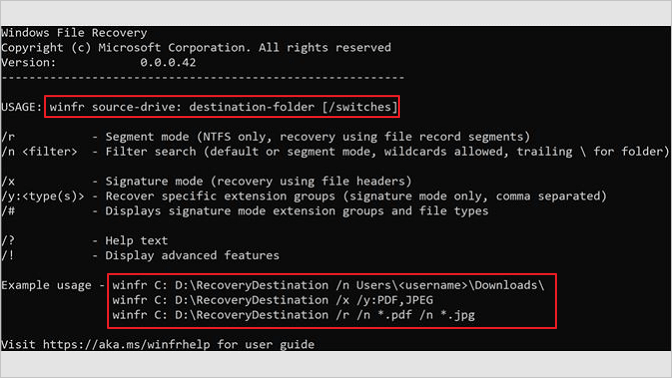
If you've accidentally deleted a file, don't worry! You can recover it using Windows File Recovery.
Recover Deleted Files from Multiple Devices
Portable devices and cloud disks are popular for storing various files, but accidental deletions also occur frequently. Fortunately, detailed tutorials are available for recovering deleted files from SD cards, USB flash drives, external hard drives, and cloud disks.
Recover Deleted Files from an SD Card
SD cards, commonly used in digital cameras, can be prone to accidental file deletion, especially when transferring photos to longer-term storage. To recover deleted data from an SD card used in a camera or phone, SD card recovery software is the most effective solution.
Step 1. To connect the SD card to your computer, simply insert the SD card into an SD card reader, which is a small device that fits into your computer's USB port. The reader will automatically recognize the SD card and allow you to access its contents.
Step 2. Wait for your computer to recognize the SD card.
Step 3. Open the SD card data recovery software on your Windows PC.
Step 4. Recover deleted files from the SD card using data recovery software.
Retrieve Deleted Files from USB Drive (External Disk)
Restoring deleted files from a USB or external hard drive is a relatively simple process if you have the right data recovery solutions. With the right tools, you can easily retrieve deleted files from your USB drives.
Step 1. Connect the USB flash drive to your computer.
Step 2. Wait for your PC to recognize the USB drive.
Step 3. Open the USB drive recovery software on your PC.
Step 4. You can recover deleted files from a USB drive using a pen drive recovery software.
Restore Deleted Files from Google Drive
With the rise of cloud storage, many people now prefer storing data on cloud drives like Google Drive instead of traditional storage media. However, when you delete a file or folder from Google Drive, it doesn't actually delete it immediately - instead, it gets moved to the Trash and stays there for 30 days, after which the cloud storage server permanently deletes the file and it can't be restored.
To recover permanently deleted files from Google Drive, you can try contacting Google Support, who may restore the deleted files for you. If not, restore lost data from backups or search for locally saved files or folders. This can be done for deleted Google Docs, Sheets, or Slides. If all else fails, you can also try searching for locally saved files or folders.
Step 1. To access Google Drive's help resources, go to drive.google.com, click on the question mark icon in a circle, and select the "Help" option from the dropdown menu.
Step 2. From the drop-down list, click "Send Feedback".
Step 3. Describe your issue in the pointed area and add a screenshot if necessary. Click "SEND".

If you delete a Google Docs file that's older than 30 days or was permanently deleted from the trash (empty trash), it's no longer recoverable.
If you delete a photo older than 60 days or permanently delete it from trash, it can't be recovered, but if you have a Google Photos backup, you can restore it. OneDrive users can recover permanently deleted files, but the process may differ.
How to Recover Deleted Files on Mac (100% Working)
As a Mac user, you can recover deleted files, starting by checking the Trash Bin, where files stay for a certain period. If the file is still there, you can easily recover it. If not, there are still options available for recovering permanently deleted Mac files.
1. Use Time Machine
Time Machine is a built-On a Mac, the backup feature, also known as Time Machine, automatically saves copies of your files at regular intervals, allowing you to recover deleted or modified files from previous backups. This feature can be configured to save backups for a specified period, such as daily or weekly backups for the past month, ensuring that you can retrieve a deleted file from a previous backup.
2. Run Mac Data Recovery Software
Mac data recovery tools can scan your hard drive for deleted files and attempt to recover them.
3. Retrieve Deleted Files on Mac Through Terminal
To recover deleted files on Mac using Terminal, you can use the `fsck` command to scan the disk for any errors and then use the `recover` option to retrieve the deleted files. This method is useful when you're unable to recover files using other methods.
How to Recover Deleted Files on iPhone and Android
Due to the limited storage space on mobile devices, deleting files has become a regular task to free up memory. On iPhones and Android phones, deleted files initially go to the Recently Deleted folder, only to be permanently erased after 30 days. To recover deleted files, follow these step-by-step guides.
Tips for Windows 10 File/Data Prevention
In today's digital world, data is a valuable commodity that needs to be protected. Protecting data is easier than recovering it and there are many ways to do so, preventing data loss.
- Keep backups of your data in multiple locations.
- Don't open suspicious emails or attachments.
- Keep your anti-virus software up to date.
- Don't delete files you don't know, especially system files.
- If your PC gets hot, clean it by taking it apart.
By implementing these tips and suggestions, you can help ensure that your data is safe and secure, protecting it from potential threats and vulnerabilities.
Conclusion
Recovering deleted files can be a challenging and time-consuming process, but it's often possible with the right tools and patience. For critical data, having a backup plan in place is the best approach to avoid costly and frustrating recovery attempts.
Recover Deleted Files FAQs
The steps to recover deleted files include checking the recycle bin, using file recovery software, and checking for backups. If the files were deleted recently, they may still be recoverable from the recycle bin.
1. How to recover deleted files on Windows 11?
Steps to recover deleted files on Windows 11:
- Download, install and launch Qiling data recovery software.
- To select the disk or partition that contained the lost files on Windows 11, go to the "This PC" or "File Explorer" window, and click on the "This PC" or "File Explorer" icon. Then, click on the "Manage" button in the lower left corner of the window.
- Click the "Scan" button to initiate a scan for deleted files on your computer.
- Choose the deleted files you want and preview these files.
- To recover deleted files on Windows 11, click the "Recover" button.
2. How do I recover deleted files not in Recycle Bin?
To retrieve deleted files not in Recycle Bin:
- Choose the exact file location and click the "Scan" button to continue.
- After the process, you can use the "Filter" feature or click the "Search files or folders" button to locate the deleted files.
- After clicking the "Recover" button, save the restored files, ideally with a name that is different from the original file. This ensures that the recovered files do not overwrite the original ones.
3. How do I recover permanently deleted files?
There are at least three ways to recover permanently deleted files, and the best solution depends on your specific situation. You can try using data recovery software, such as Deep Data Recovery to scan your hard drive and restore deleted files. Alternatively, you can use a file recovery service to scan your computer for deleted files and recover them. If your files were deleted due to a hardware failure, you may need to use a data recovery tool specifically designed for that purpose, such as Deep Data Recovery.
Qiling data recovery software is a highly efficient tool for restoring data from various storage devices, including hard drives, SSDs, USB flash drives, SD cards, and memory cards.
4. How can I recover permanently deleted files without backup?
Steps to recover deleted files without backup:
- Download, install and launch Deep Data Recovery.
- Choose the file location and then click the "Scan" button.
- After the process, you can apply the "Filter" feature to find the deleted files.
- Click the "Recover" button and save the restored files.
5. Where do files go when deleted on Windows 10?
When you delete a file or folder on Windows 10, it typically gets moved to the Recovery Bin, where it stays until you manually empty the bin, allowing you to restore deleted items at any time.
If you've emptied the Recycle Bin, the deleted files will be stored on your hard drive and can be recovered using hard drive data recovery software.
6. Are deleted files gone forever?
When you click delete, your files go to the Recycle Bin, not permanently deleted. They're just moved to a different folder.
7. Does Windows 10 restore deleted files?
To recover deleted files on Windows 10, you can use the built-in File History feature, which automatically backs up your files. This allows you to easily restore deleted files.
- To recover a deleted file, open Windows Explorer and right-click the folder where the deleted file is located.
- Select "Restore previous versions".
- To access the File History backup, select the most appropriate one and click "Open" to view its content.
- Select the file you want to recover and click "Restore...".
8. How to recover deleted files on OneDrive?
OneDrive has a Trash feature that allows you to recover deleted files. To retrieve deleted OneDrive files, follow these steps: 1. Sign in to your OneDrive account, 2.
- Go to the OneDrive website or open your local OneDrive icon.
- Log in with your username and password.
- Select "Recycle Bin" in the navigation pane.
- Select the files you want to recover.
- Click "Restore" to recover lost OneDrive files.
If you only need one folder from an existing backup, follow the single-folder restore steps instead of replacing an entire drive.
Related Articles
- Windows Repair Tools and Services [Windows 10/11]
- The Best Video Repair Tools You Must Know in 2022
- [2022] Recover Deleted Files on Mac with Expert Approved Guide
- Everything You Need to Know About Shortcut Virus
- How to Recover Deleted Hidden Photos on Computer/Mac
If you're looking to recover deleted hidden photos, we have a suitable tool for photo recovery of hidden files on your computer or Mac. - How to Recover Deleted Music Files from Computer
Learn how to recover deleted music files from your computer and avoid losing your favorite tunes. This article provides the details you need to know to successfully recover deleted music files, so you can get back to enjoying your music collection.
Products
Articles & Tutorials
- Data Recovery
- Data Backup
- File Recovery
- File Backup
- System Backup and Restore
- Disk and Partition Clone
- Technical articles
- Mobile articles
- Disk Master Help
- Windows Data Recovery Tutorials
- Windows Secure Delete Tutorials
- Windows Partition Management Tutorials
- Windows File Backup and Restore Tutorials
- Windows System Backup and Restore Tutorials
- Windows Disk Backup and Restore Tutorials
- Windows Clone Tutorials