Fixed: Windows 10 Will Not Update with Error Code 0x80240fff
Receive error code 0x80240fff and Windows 10 won't update
Windows users often face system update issues and errors, yet many still opt to update to the latest version, Windows 10. Despite the numerous problems that arise, many users continue to update, only to encounter error codes that prevent Windows 10 from updating. This issue has been a long-standing concern for many Windows users, and will be addressed here.
Here are some typical problems about Windows 10 fails to install:
You're trying to update Windows 10 but getting error code 0x80240fff, which is preventing Windows from searching for new updates.
You attempted a clean boot to update Windows 10 but the update still failed. Can you tell me more about what happened during the clean boot process and what error message you received, if any? This will help me better understand the issue and provide a more accurate solution.
To resolve the issue of Windows 10 x64 clean reinstall on a desktop failing with error code 0x80240fff and also failing to update, try the following: Run the Windows Update Troubleshooter, check for corrupted system files using the System File Checker (SFC) and DISM, reset the Windows Update components, and ensure that your internet connection is stable. If the issue persists, consider using the Windows Update Assistant or checking for any malware. Additionally, you can try updating the BIOS and drivers to the latest versions. If none of these solutions work, you may need to seek further assistance from Microsoft support or a professional.
Windows 10 failing to update on PCs or laptops can be frustrating, especially when error codes like 0x80240fff appear. If you're experiencing issues with updating your system, don't worry, I've can help. The following methods can help resolve the Windows 10 won't update issue with error code 0x80240fff, so try them out if you're facing similar problems.
Backup Windows 10 and important data before Windows 10 update
To avoid unexpected issues like Windows 10 installation or update problems with further data loss, it's recommended to backup important data, business files, tools, and the present Windows system before updating. This will help prevent any unexpected problems.
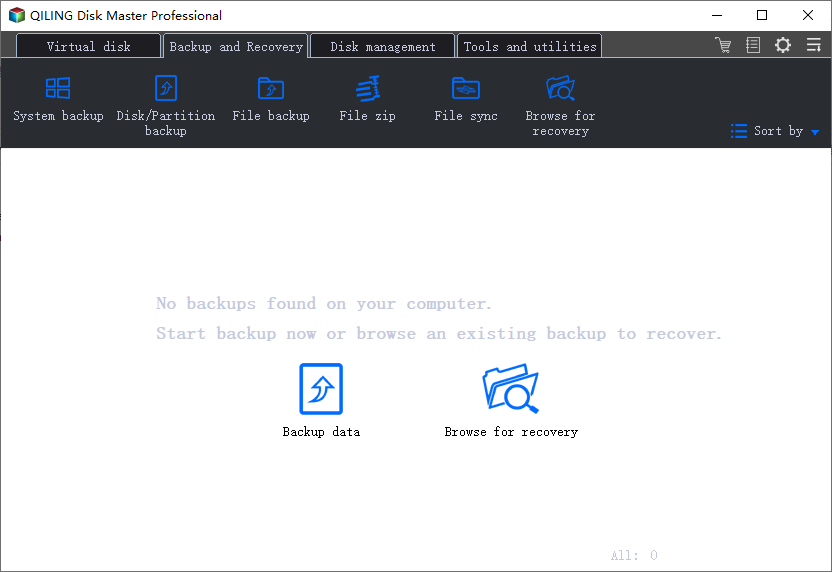
Here you may try Qiling Backup to effortlessly backup data and system with ease.
1. Launch Qiling Backup and choose File Backup, Disk/Partition Backup or System Backup.
Choose files/data or system that you need to backup.
2. Choose a backup destination or let the system automatically select the most suitable location for you.
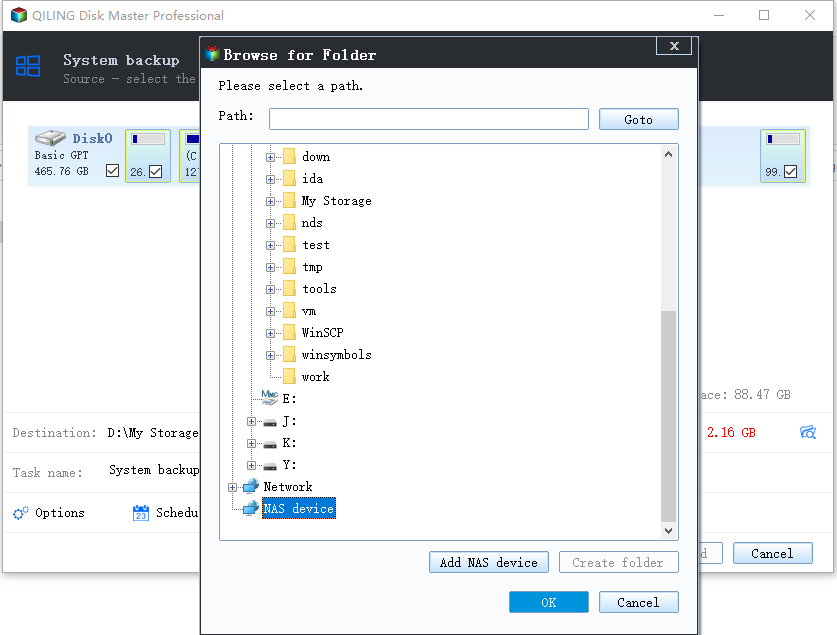
3. Once all the settings are made, click "Proceed" to finalize the process.
This software enables you to create a free backup of your data and system. In the event of a failed system installation or error codes in Windows 10, you can restore your system to a previous state using the system image, and all your data will remain intact.
Fix Windows 10 won't update error code 0x80240fff with Microsoft solutions
If your Windows 10 update fails with error code 0x80240fff, don't worry - Microsoft's support engineers are skilled and knowledgeable and can help you find a solution. To get started, try the following the solutions below.
Method 1. Troubleshoot Windows 10 won't update with error code 0x80240fff
Please make sure that your computer is connected to the Internet and check whether the network adapter and Windows Update services are running correctly.
If they are all right, follow below steps to fix the update issue now:
1. Press Windows + X and select Control panel.
2. In the search box, type troubleshooter, and then click Troubleshooting.
3. Under System and Security, click Fix problems with Windows Updates.
Method 2. Restart Background Intelligent Transfer Services to stop 0x80240fff error
1. To open the Services console, press the Windows key + R key on your keyboard, and then type "services.msc" in the text box that appears. This will open the Services console, where you can view and manage the various system services running on your Windows computer.
2. Locate Background Intelligent Transfer Service (BITS) from the list.
3. Right-click the Background Intelligent Transfer Service (BITS) service, and then click Properties.
4. Make sure that on the General tab, next to Startup type, Automatic (Delayed Start) is selected, and then click Apply.
5. Next to Service status, check to see if the service is started. If it isn't, click Start.
Extra offered solutions to fix Windows 10 update error 0x80240fff
If you're encountering the 0x80240fff error during Windows 10 updates, Microsoft has provided solutions to resolve the issue. However, if those solutions don't work for you, here are some additional steps you can try:
Run CMD and fix Windows 10 update error code 0x80240fff
1. Restart your computer and boot it up in safe mode. Then, open the Command Prompt (CMD) as an administrator.
2. To stop the Windows Update service and the Cryptographic Service, type "net stop wuauserv" and hit Enter, then type "net stop cryptsvc" and hit Enter.
3. To resolve the issue, navigate to the C:\Windows directory, locate the SoftwareDistribution folder, and either delete or rename it. This will allow the Windows Update service to function properly again.
4. To start the Windows Update service and the Cryptographic Services service, go to Command Prompt (CMD) and type "net start wuauserv" followed by hitting Enter, then type "net start cryptsvc" and hit Enter again.
5. Restart your computer again.
Defer Windows Updates to get rid of 0x80240ff error
Windows 10 users can defer upgrades to Windows to postpone the update, which will resolve the 0x80240fff error. By doing so, you can manually download and install Windows 10 updates on your PC. The process involves deferring upgrades in Windows, which will eliminate the error. You can then proceed to manually download and install the updates.
Go to Windows Update Settings, click on Advanced Options at the bottom of the page, and select Defer Upgrades.
Related Articles
- Fix 'Restoring Your Previous Version of Windows' Stuck/Loop in Windows 10
- Fix Internet Explorer Keeps Crashing/Freezing/Not Responding Error
- [Fix] A required device isn't connected or can't be accessed with error
- [3 Solutions] Fix Word Not Opening on Mac
- How to Save Outlook Emails When Leaving Job | 2 Available Options
Save Outlook emails when leaving a job by exporting, backing up, or moving important messages before losing account access. - How to Schedule A Weekly Backup to Microsoft OneDrive[3 Tips]
Learn how to schedule a weekly backup to Microsoft OneDrive and keep selected files protected in cloud storage.
Products
Articles & Tutorials
- Data Recovery
- Data Backup
- File Recovery
- File Backup
- System Backup and Restore
- Disk and Partition Clone
- Technical articles
- Mobile articles
- Disk Master Help
- Windows Data Recovery Tutorials
- Windows Secure Delete Tutorials
- Windows Partition Management Tutorials
- Windows File Backup and Restore Tutorials
- Windows System Backup and Restore Tutorials
- Windows Disk Backup and Restore Tutorials
- Windows Clone Tutorials