Windows Backup Encrypted: Run Encryption Backup Software
Main Topic:Encrypt Backups and Back up encrypted files/hard drives.
Should I Trust Qiling Encryption Software?
Page Content
Windows Backup Encrypted Issue 1: Should I Encrypt Backups?
Yes, you can backup your Windows encrypted files/hard drive. Windows Backup can backup and restore your encrypted files, but you'll need to enter your BitLocker password to access the backup. Additionally, you can use the built-in Windows Backup feature to create a system image, which includes your encrypted files.
How to Encrypt Backups Using Windows Backup Encryption Tool
How to Back Up Encrypted Files with Encryption Backup Software
Windows Backup Encrypted Issue 1: Should I Encrypt Backups?
As businesses shift their operations online, the importance of data security grows, with a focus on protecting sensitive information from cyber threats.
Encrypting backups is crucial as it protects sensitive data from unauthorized access, even if the backups are lost, stolen, or fall into the wrong hands. While unencrypted backups may be faster and easier to create, the risks associated with them, such as data breaches and loss of confidentiality, should not be ignored. Encrypting backups ensures that data remains secure and confidential, even in the event of a data breach or other security incident.
Encrypting backups protects against unauthorized access and data breaches, ensuring compliance with data privacy regulations, such as GDPR. This is crucial for businesses to safeguard their data and maintain trust with customers.
Encrypting your backups provides an additional layer of protection against ransomware attacks by ensuring that even if your data is compromised, the encrypted backups remain safe and secure. This means that even if hackers gain access to your data, they won't be able to access or exploit the encrypted backups, thereby preventing them from demanding a ransom in exchange for restoring your data.
Windows Backup Encrypted Issue 2: Can I Backup My Windows Encrypted Files/Hard Drive?
To back up your Windows encrypted files/hard drive, you can use the built-in backup feature in Windows, such as Windows Backup and Restore, or a third-party backup software. When backing up your encrypted files, make sure to include the encryption key or password in the backup, so that you can restore the files without having to re-encrypt them. Additionally, you may need to configure your backup software to preserve the encryption settings, to ensure that the backed up files are restored with the same level of encryption.
Having multiple backups in different locations and regularly updating them ensures that important data is safe and accessible in case of a disaster or loss.
If you don't install the software, you will not be able to access the backups if needed.
Backing up your Windows encrypted files or hard drive is straightforward as long as you keep in mind the importance of maintaining the encryption keys and ensuring that the backup is also encrypted to maintain the security of your data.
How to Encrypt Backups Using Windows Backup Encryption Tool
Qiling Backup encrypts backups to keep your data safe and secure, allowing you to password-protect your files and choose from various encryption methods, including AES 128-bit and AES 256-bit encryptions.
With a single click, you can create a secure space that only you can access, giving you complete control and peace of mind.
If your team is checkingWindows Server Encryption, pleaseclick here.
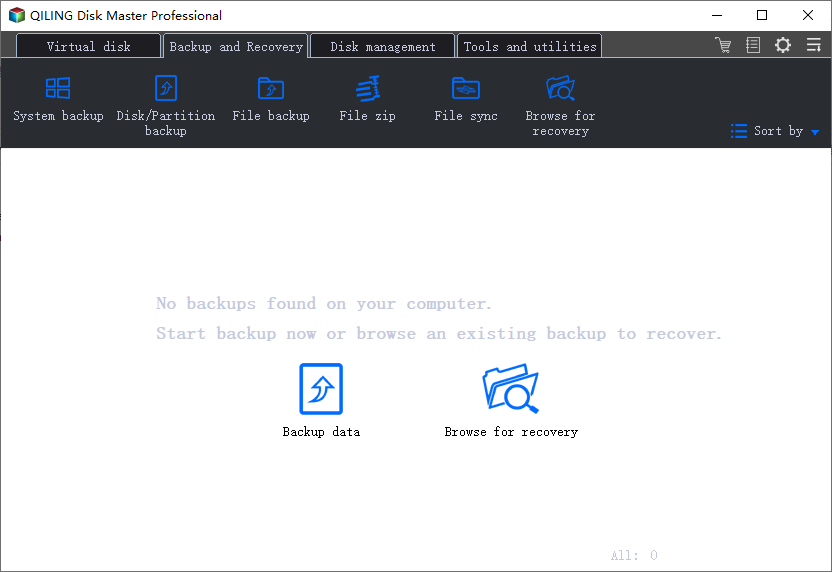
Step 1. To start a system backup, click the "System backup" button on the main page.
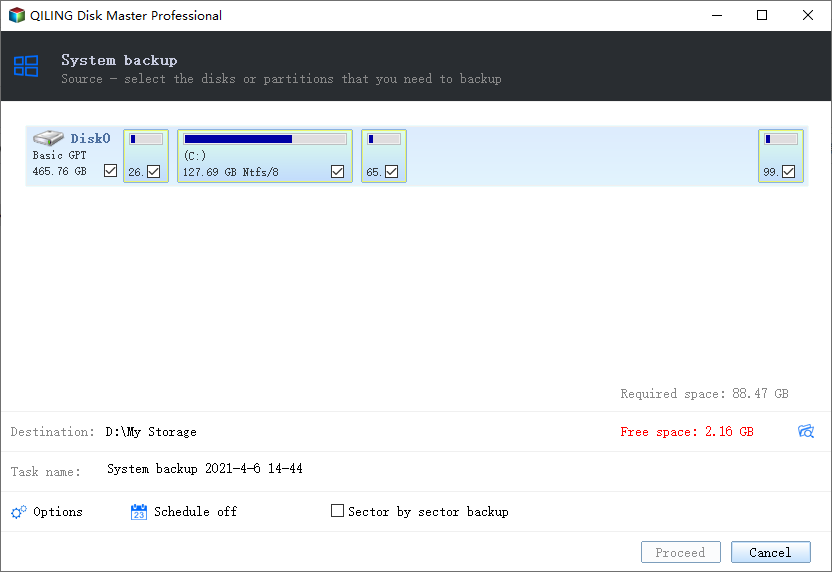
Step 2. Qiling Backup will automatically select your system partition, requiring only the selection of the backup destination.
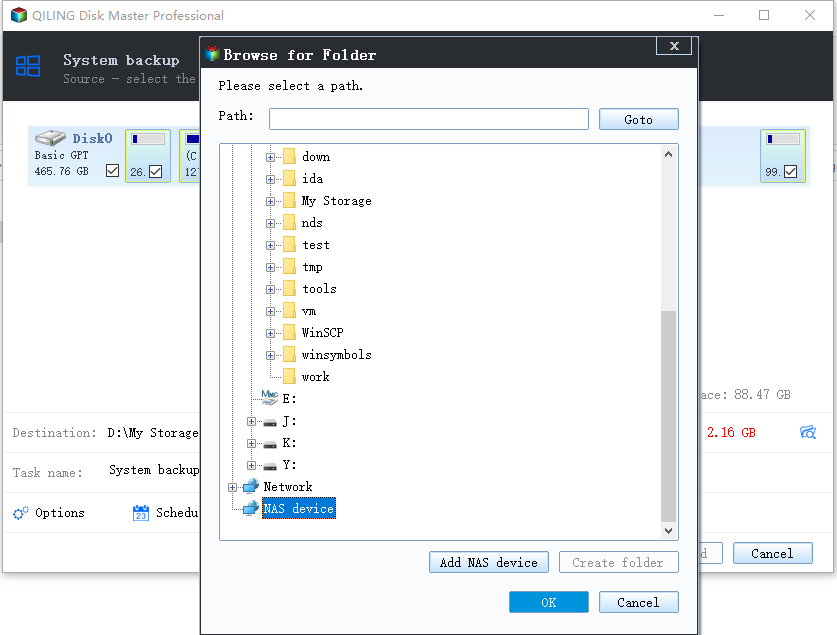
Step 3. Both Local Drive and NAS are available for you to save the backup file.
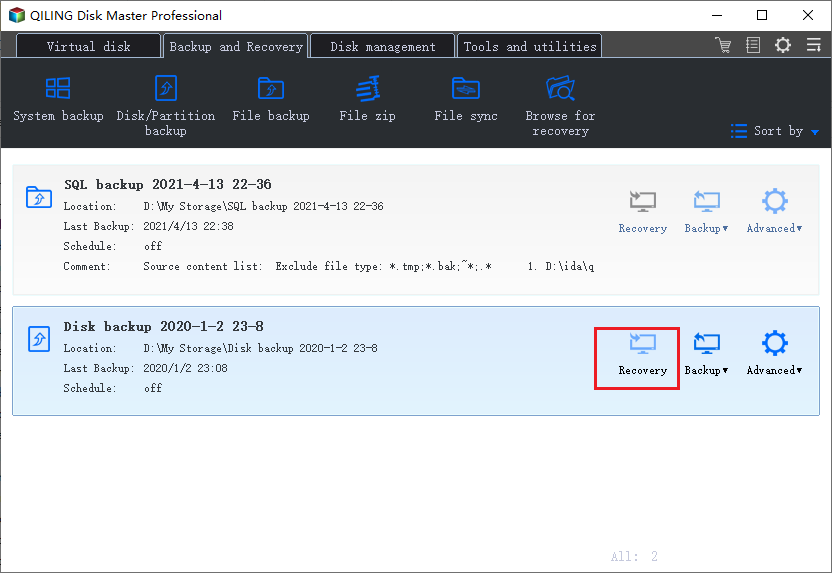
Step 4. After completing the backup process, you can review the backup status, restore, open, or remove the backup by right-clicking the backup task on the left-hand side.
Video Tutorial - How to Encrypt Files & Folders and Backup the Certificate on Windows 10
To encrypt files and folders on Windows 10, follow these steps: first, go to the Start menu and search for "Control Panel," then click on it; next, click on "System and Security" and then "BitLocker Drive Encryption" if you're using a Windows 10 Home edition, or "BitLocker" if you're using a Windows 10 Pro edition; if prompted, enter your administrator password to continue; then, select the drive you want to encrypt and follow the prompts to complete the encryption process; once encrypted, you can right-click on files and folders to encrypt them individually; finally, to backup the certificate, go to the Start menu and search for "Manage BitLocker," then click on it and follow the prompts to export the recovery key to a secure location.
✔️Start on 01:08.
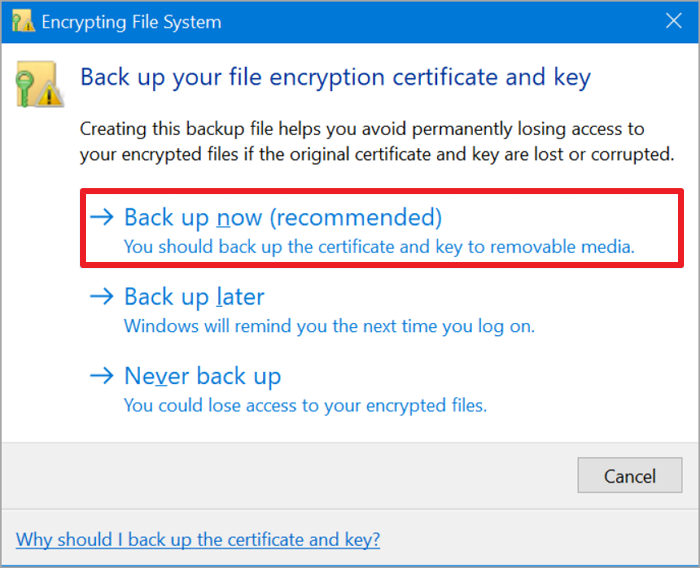
💡Note: If you're using Windows' built-in encryption software, the computer will prompt you to back up your file encryption certificate and keys. You can click "Back Up Now (Recommended)" to save them.
How to Back Up Encrypted Files with Encryption Backup Software
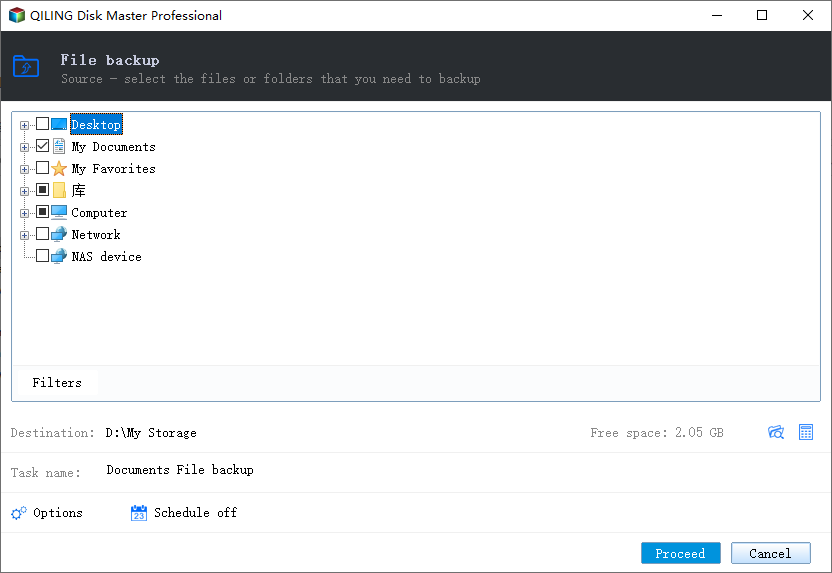
Step 1. To begin the backup process, click the File backup button.
Step 2. On the left-hand side of the screen, lists of both local and network files are shown, allowing you to expand the directory to select the specific files to back up.
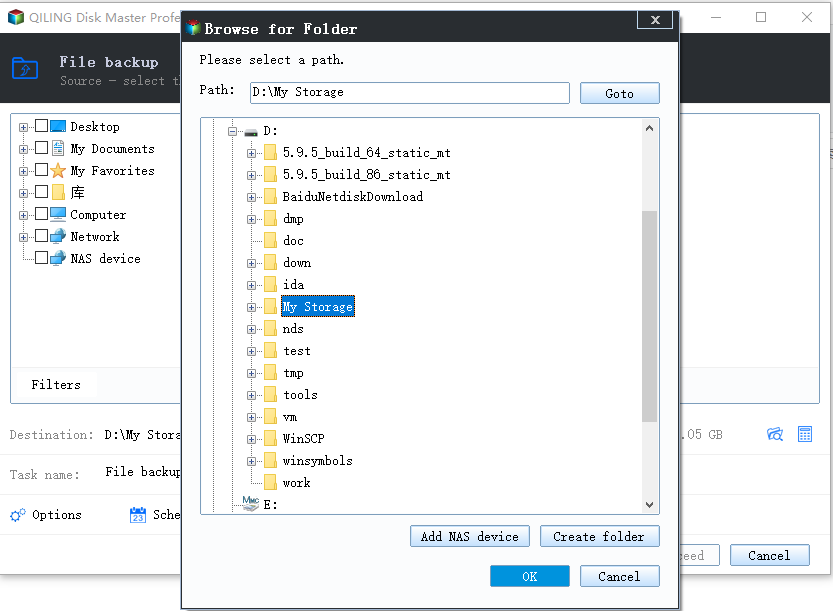
Step 3. Follow the on-screen instructions to select the desired location for backing up your data.
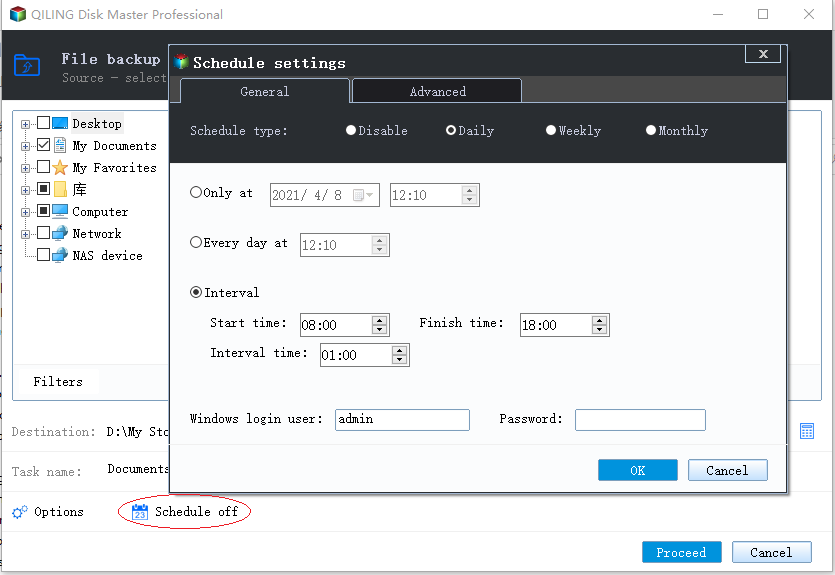
Step 4. To secure your backup, ensure it's encrypted and set a schedule by clicking on "Options" under "Backup Options".
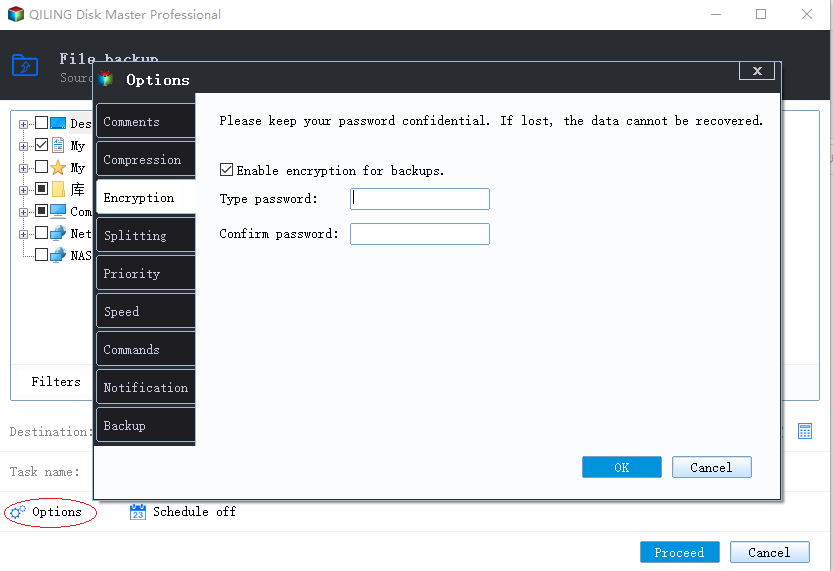
You can also choose to start the backup at a certain time in Backup Scheme by clicking Options, and explore other customizable options.
Step 5. You can store the backup file on your computer, in Qiling's cloud service, or on a network-attached storage device (NAS).
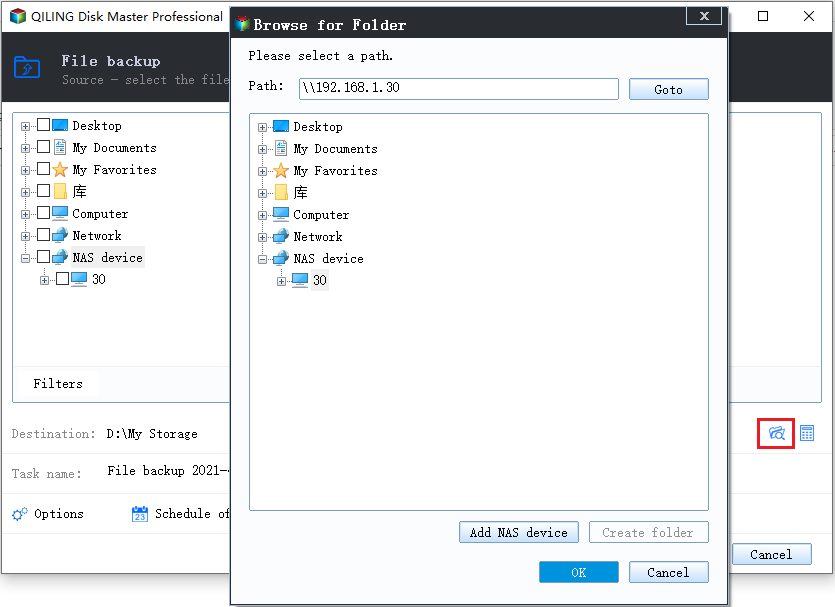
Step 6. Qiling Backup allows customers to store backup copies of their files on either a third-party cloud drive or the company's own cloud storage.
To back up your data on a third-party cloud drive, select Local Drive and scroll down to add Cloud Device, then fill in your account information.
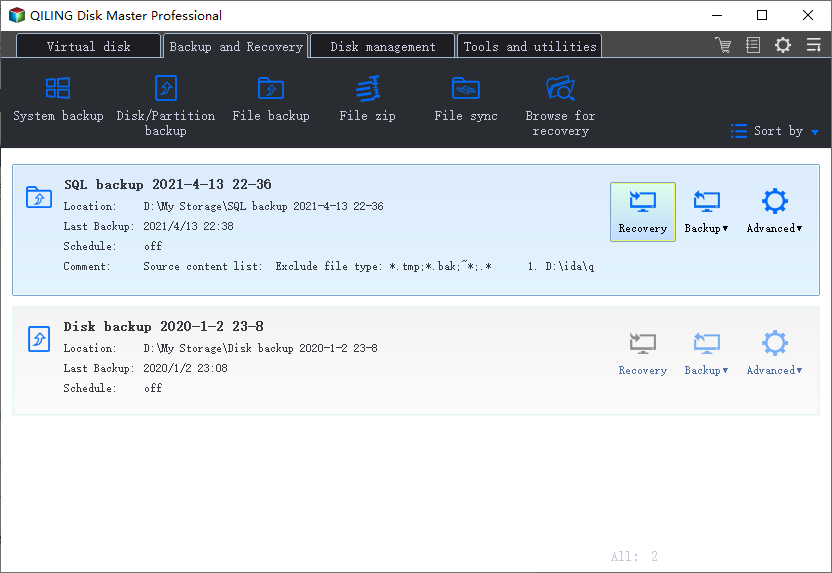
Step 7. The backup process can be initiated by clicking on "Proceed" after which it will be displayed as a card on the left-hand side of the screen. A right-click on this card allows for further details on handling the backup job.
Wrap Up
Windows backup encryption is a process that encodes data to only allow authorized users access, with encrypted files saved in a format that can only be decrypted with the correct password or key.
Fortunately, there is a way to have the best of both worlds: using Qiling Backup allows you to create encrypted backups without worrying about data loss, providing a powerful and easy-to-use solution for Windows backup encryption and comprehensive data protection.
Windows Backup Encrypted FAQs
1. What is the best way to encrypt my files using a Windows 10 desktop? - Quora
Encrypting your files is a great way to keep them safe from prying eyes, and Windows 10 offers a built-in encryption tool that's easy to use.
To encrypt a file:
Step 1.Right-click on it and select "Properties." Under the "General" tab, click the "Advanced" button.
Step 2.Check To encrypt a file or folder, select it and go to the "Properties" window, then click on the "Encrypt Contents to Secure Data" checkbox and click "OK." You'll be prompted to choose whether to encrypt just the file or the file and its subfolders.
Step 3.Choose whichever option you prefer and click "OK." Your file will now be encrypted.
2. What is the best way of encrypting files for backup? - Quora
To securely encrypt files, utilize software that meets or exceeds data encryption requirements, ensuring robust keys that are difficult to guess. This can be achieved by combining various encryption methods, and consider using Qiling Backup to create a secure zone.
3. How to externally backup a fully encrypted disk partition? - Quora
To ensure your data is securely backed up, you'll need a third-party backup program that supports encryption, such as Qiling Backup for Windows, or Time Machine for macOS. If you're using Linux, you'll need a backup program that supports LUKS encryption. Look for a backup program that offers AES 256-bit encryption, the most secure level currently available, and consider one that also offers incremental backup.
Related Articles
- Why Does Windows 10 Backup Say Windows 7? [Methods Provided]
- Download Crucial Data Transfer Software to Migrate SSD Data and OS
- Restore Windows 10 System Image to New Hard Drive with In-Depth Guide
- How to Copy and Backup Files without Admin Rights
- How Long Does it Take to Install Windows 10/11
The installation time for Windows 10/11 typically ranges from 2.5 to 3 hours, depending on your computer's specs, and it's essential to keep your computer running during the process to avoid damaging the software. - How Do I Create and Use Windows Restore Point in Windows 10/8/7 [Beginners' Guide]
What is Windows Restore Point? How to create and make use of it on a computer? On this page, you'll learn everything about Windows Restore Point. If you are looking for a simple guide, follow this page to create a system restore point and protect your system with it anytime.
Products
Articles & Tutorials
- Data Recovery
- Data Backup
- File Recovery
- File Backup
- System Backup and Restore
- Disk and Partition Clone
- Technical articles
- Mobile articles
- Disk Master Help
- Windows Data Recovery Tutorials
- Windows Secure Delete Tutorials
- Windows Partition Management Tutorials
- Windows File Backup and Restore Tutorials
- Windows System Backup and Restore Tutorials
- Windows Disk Backup and Restore Tutorials
- Windows Clone Tutorials