4 Ways to Solve macOS Ventura Recovery Mode Missing [2023 Guide]
Since its release in 2010, macOS Recovery has been a standard component of every Mac, including macOS Ventura. However, if the macOS Ventura Recovery Mode is missing, you may not start your Mac from the recovery partition to address software-related problems or perform other Mac tasks. Fortunately, there are tested ways to troubleshoot this issue, which will be discussed in this article.
| Workable Solutions | Step-by-step Troubleshooting |
|---|---|
| Fix 1. Ensure to Access Recovery Mode | You may notice that an M1 Mac and an Intel-powered Mac have different methods for booting macOS Recovery Mode...Full steps |
| Fix 2. Use Internet Recovery to Restore | Check if you have accidentally erased the recovery partition on your Mac. Or your Mac's recovery partition is already harmed...Full steps |
| Fix 3. Try Other Recovery Options | If your Mac Recovery mode is missing due to your Command + R not working, there are a couple more methods to fix it...Full steps |
| Fix 4. Reinstall Your macOS Ventura | If the fixes below don't work, you may reinstall your macOS, which is typically the next option if a severe issue on your Mac...Full steps |
If you're experiencing issues with macOS Ventura Recovery Mode being missing, don't worry - this troubleshooting guide is here to help. To start, let's quickly cover what macOS Recovery Mode is: it's a built-in feature that allows you to access a simplified version of macOS when your computer is experiencing problems. Normally, you can access it by pressing Command + R during startup.
What Is macOS Ventura Recovery Mode
Mac Recovery Mode is a mode on a Mac that uses the recovery partition to start the computer and access recovery programs, even if the Mac won't boot normally, allowing for troubleshooting and repair of internal hard drive or SSD issues.
- You can use Mac Recovery Mode to:
- Utilize Mac Time Machine backup to recover missing files.
- To fix or clean disk drives and factory reset your Mac.
- Use the Terminal to enter commands.
- Check and repair the errors on the startup disk
- Reinstall Mac OS.
Recover Data Before Fixing macOS Ventura Recovery Mode Missing
After downloading macOS Ventura, you may find that the Mac Recovery Mode is not showing, possibly due to an unintentionally removed recovery partition. If this is the case, you won't be able to normally boot your Recovery Mode due to something wrong with your Mac, putting your data at risk of loss. Before taking measures to fix the problem, protect your data first.
Using Deep Data Recovery Mac is a simple and effective way to recover lost files and data, even after the macOS Ventura update. This robust data recovery software is designed to be user-friendly, making file recovery a breeze even for those with little experience.
Deep Data Recovery for Mac
- Recover lost or deleted files, documents, photos, audio, music, and emails with ease and effectiveness.
- Recover files from formatted hard drives, emptied Trash Bins, flash drives, and digital cameras with ease.
- Data recovery can be performed in various situations, including sudden deletion, formatting, hard drive corruption, virus attacks, and system crashes. In the event of sudden deletion, data can be recovered from the Recycle Bin or by using specialized software.
If you've experienced data loss after missing the macOS Ventura Recovery Mode, following these steps can help you recover lost data and files with Qiling Data Recovery for Mac.
Step 1. Select file types
Launch Deep Data Recovery software, select the desired file types, and click "Fast Scan" to initiate the recovery process.
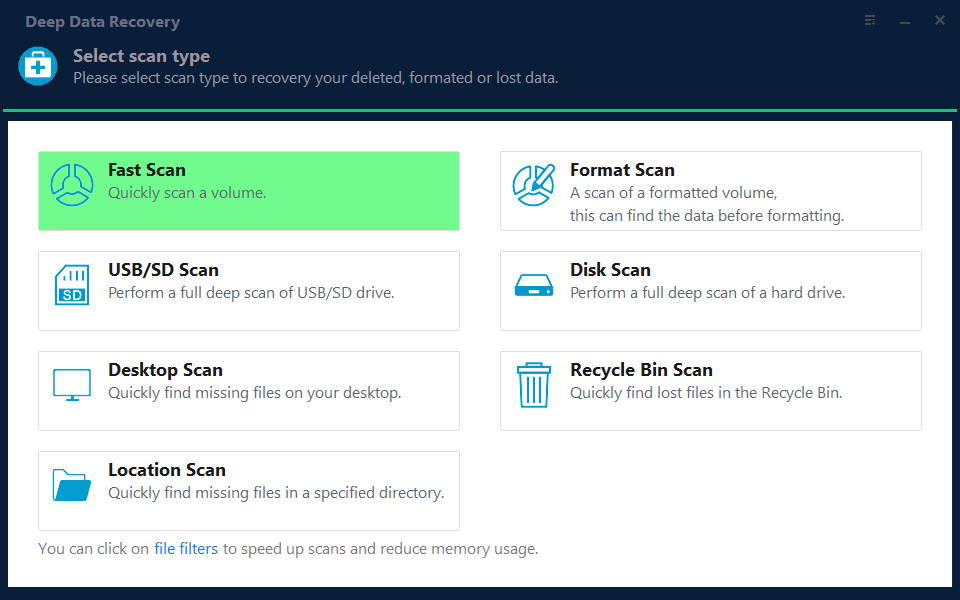
Note: You can choose different search modes based on where and why the data was lost.
Step 2. Select the location and scan
Choose the disk where you lost data, then click "Scan" to start scanning.

Step 3. Filter and preview lost files
After the scan, use the file format filter on the left or upper right corner to find the deleted files you need.

Step 4. Recover lost data or files
You can double-Click a file to preview its content, or choose multiple files to recover them at once. Click "Recover" to restore the lost data to a local or cloud drive.
To resolve the issue of macOS Ventura Recovery Mode not showing, ensure that your data and files are in a safe environment, and then proceed with the following fixes. First, try restarting your Mac in Recovery Mode by pressing and holding the power button until the startup options appear, then select your Mac's name and press the 'Continue' button.
Fix 1. Ensure the Way You Access macOS Ventura Recovery Mode
The issue of missing Recovery Mode on an M1 Mac is likely due to improper use of Recovery Mode, which may be caused by booting macOS Recovery Mode differently on an M1 Mac compared to an Intel-powered Mac.
- Notice:
- macOS Recovery was released with macOS X 10.7 Lion in 2010. Therefore, Mac computers do not come pre-installed with a recovery partition if they run Mac OS X 10.6 Snow Leopard or earlier versions. So, there are no issues with the macOS Ventura's recovery partition.
To display Recovery Mode, you can follow the guide provided, which outlines the steps to access this feature.
On an Intel-based Mac:
- 1. Wait a moment after shutting down your Mac.
- 2. To restart your Mac, press the power button or Touch ID while holding down the Command and R keys.
- 3. When you see the Apple logo, press the Command + R keys simultaneously.
- 4. When the four macOS tools appear on the screen, you are in Recovery Mode.
On an M1 Mac:
- 1. Switch off your M1 Mac, then wait a moment.
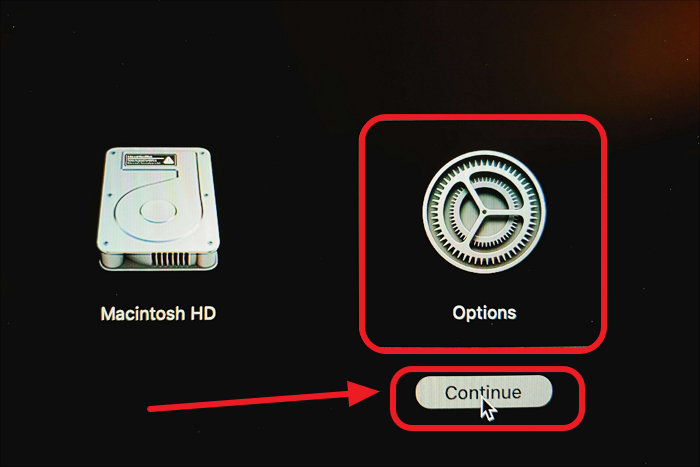
- 2. Once the startup options and the Options gear icon appear, hold down the power button for seconds.
- 3. Choose Continue after clicking the Options gear icon.
- 4. Enter your admin password to access M1 Mac Recovery Mode.
Fix 2. Use Internet Recovery to Fix macOS Ventura Recovery Mode
If your macOS Ventura is still unable to show Recovery Mode after attempting the above fixes, it's possible that you may have accidentally erased the recovery partition on your Mac or that your Mac's recovery partition is already damaged.
To fix an issue where your Mac won't boot or start up, you can use Mac Internet Recovery Mode. This mode establishes a direct connection with Apple's server to provide the same recovery tools as Recovery Mode, allowing you to troubleshoot and resolve the problem. To use Internet Recovery Mode, you'll need to restart your Mac and immediately hold down the power button until the light flashes. Then, release the power button and hold down the Command (⌘) + R keys until the Apple logo appears.
Step 1. To reset your Mac, hold down the Command - Option/Alt - R or Shift - Option - Command - R keys when you reboot your Mac. This will allow you to reinstall macOS and restore your Mac to its original settings.
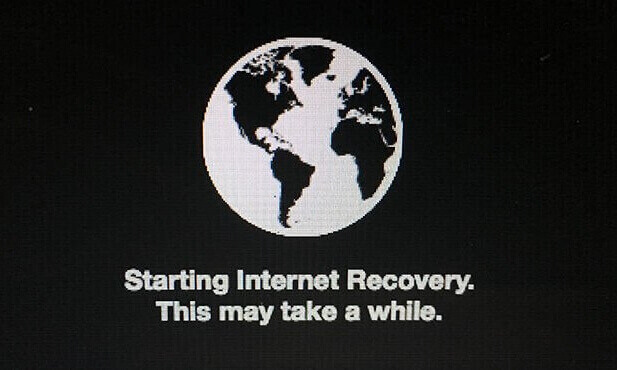
Step 2. Release the keys once you see a globe pattern with the "Starting Internet Recovery" message.
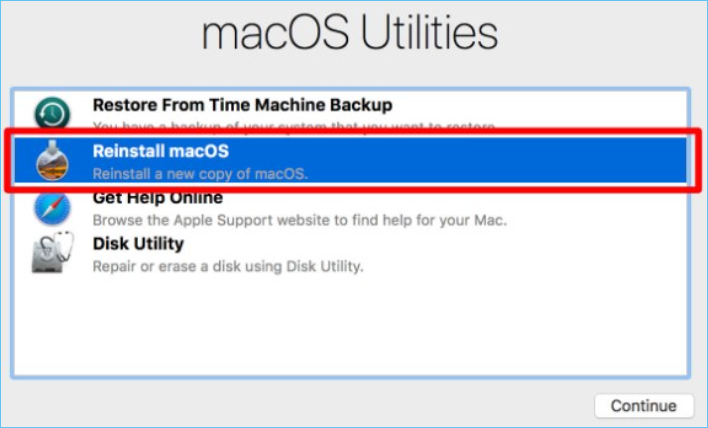
Step 3. The macOS Utility window will appear on the screen after loading.
Mac Internet Recovery allows you to reinstall the operating system, restore your Mac, and run Disk Utility to check for disk issues.
Fix 3. Force Mac into Recovery Mode on macOS Ventura
If your Mac's Recovery Mode is missing due to the Command + R not working, you can try other methods to force your Mac Ventura to boot into Recovery Mode.
- Press "Option/Alt + Command + R" when your computer starts to access Internet Recovery Mode by force.
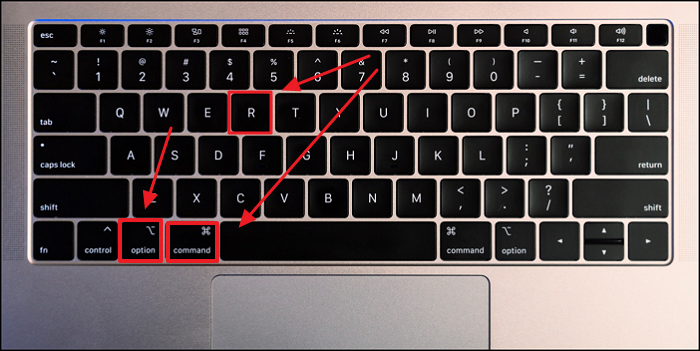
You can download the latest macOS version, Ventura, by accessing an Apple server in a mode that is compatible with your Mac.
If your Mac contains a T2 chip, the "Command + R" key combination may not work due to a straightforward issue.
- If your Mac has a T2 chip, pressing "Option/Alt + Command + R" will install the most recent version of macOS.
Fix 4. Reinstall Your macOS Ventura
If the fixes don't work, you may have to reinstall your macOS, which is typically the next option if a severe issue occurs on your Mac, such as your Recovery Mode not showing.
To reinstall macOS Ventura, create a bootable USB installer by downloading the macOS installer from the App Store, then using the Terminal app to create a bootable installer on a USB drive. Once the USB drive is created, restart your Mac and hold down the power button until the boot menu appears, then select the USB drive as the boot device. From there, follow the on-screen instructions to reinstall macOS Ventura.
Step 1. To prepare a USB drive for saving the macOS installer, you should format the drive externally. However, be mindful of backing up any vital data stored on the drive, as formatting will erase all existing data.
Step 2. Download the macOS installer from the System Preferences, specifically the Software Update section.
Step 3. To create a bootable USB disk, go to the "Utility folder" and use the Terminal to boot it by typing the command `diskutil cs create
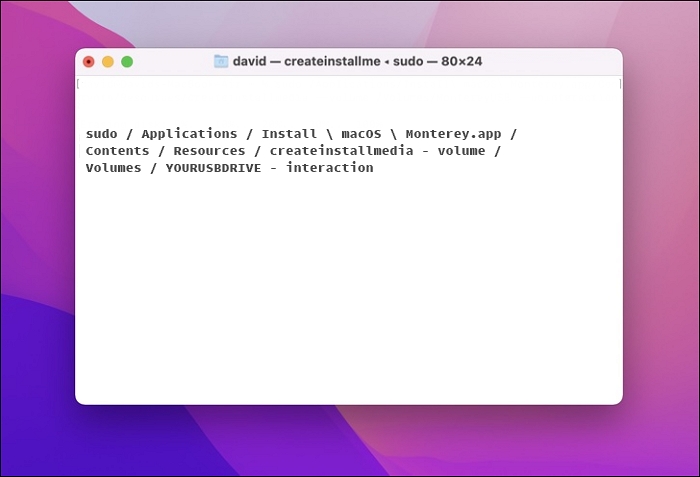
Step 4. Boot your Mac from a USB drive.
To resolve the macOS Recovery Mode missing issue after reinstalling macOS Ventura, select your USB device as the starting disk, and then follow the on-screen instructions to complete the installation process. This will allow you to access the macOS Recovery Mode and potentially resolve the missing issue.
Conclusion
After fixing the issues, you can restore your Recovery Mode without deleting any data. To do this, create a backup plan or use Deep Data Recovery for Mac to promptly restore your data. This will help you safeguard your data and prevent any loss.
FAQs About macOS Ventura Recovery Mode Missing
Here are 4 questions about macOS Ventura Recovery Mode not working. Check here for the answers.
1. Why can't I get my Mac in Recovery Mode?
Temporary Mac OS issues, a broken keyboard, incorrect Recovery Mode entry, no built-in Recovery partition, or a damaged Recovery sector can all cause problems.
2. How do I reinstall macOS if Recovery is unavailable?
If your Recovery Mode is unavailable and you've downloaded the installation files, you can install macOS from a bootable USB installer.
3. How do I restore my Mac to factory settings without Recovery Mode?
If your Mac is running Monterey or higher, you can factory reset it through System Preferences, but if it's lower than Monterey, you'll need to use Recovery Mode.
- Step 1. Open System Preferences and then.
- Step 2. Select Erase All Content and Settings.
4. How do I boot into Recovery Mode?
To reset your Mac, restart your device or turn it on while holding down the Command+R keys until the Apple logo appears on the screen.
Related Articles
- Disk Boot Failure - Insert System Disk and Press Enter in Windows 10
- What Graphics Card Do I have? Here's How to Check Graphics Card
- Install IDE Hard Drive
- [3 Solutions] Fix Word Not Opening on Mac
- Rufus vs. Win32 Disk Imager: Similarities and Differences
In true sense, Win32 Disk Imager is a Rufus alternative because the performance is exceptionally great and the flashing speed is in its own league. Learn all about the Rufus and win32 disk imager similarities and differences. Go through the rufus vs win32 disk imager in details. - Samsung Launches 'Repair Mode' to Protect Users' Data Security When Repairing Phones
Samsung has recently launched a repair mode, and this article will give you the information about Samsung Repair Mode.
Products
Articles & Tutorials
- Data Recovery
- Data Backup
- File Recovery
- File Backup
- System Backup and Restore
- Disk and Partition Clone
- Technical articles
- Mobile articles
- Disk Master Help
- Windows Data Recovery Tutorials
- Windows Secure Delete Tutorials
- Windows Partition Management Tutorials
- Windows File Backup and Restore Tutorials
- Windows System Backup and Restore Tutorials
- Windows Disk Backup and Restore Tutorials
- Windows Clone Tutorials