All You Need to Know About Windows 11 Backup and Restore (Windows 7)
Windows 11 is Microsoft's latest operating system, featuring a new Start menu, virtual assistant Cortana, and redesigned taskbar. It also boasts enhanced security with Windows Hello, which allows biometric login, and Windows Defender, a built-in antivirus program that safeguards against malware and other threats.
Windows 11's backup and restore feature, Windows 11 Backup and Restore (Windows 7), allows users to back up their settings and personal files, providing a safety net against system failures or malware attacks.
- What Is Windows 11 Backup and Restore (Windows 7)
- Windows 11 Backup and Restore VS Windows 11 File History
- How to Back Up and Restore Files in Windows 11
- Windows 11 Backup and Restore Alternative
What Is Windows 11 Backup and Restore (Windows 7) - Overview
Windows 11 Backup and Restore (Windows 7) is a free utility from Microsoft that helps protect files from accidental deletion, hardware failure, system crash, or software corruption, but has some limitations.
- The software can only backup files that are less than 4 GB in size.
- Windows 11 Backup and Restore (Windows 7) can only restore files to the same computer used to create the backup.
- Windows 11 Backup and Restore (Windows 7) will not work if you have Windows 8 or 10 installed on your computer, as it is a feature from Windows 7 and is not compatible with newer versions of Windows.
Windows 11 Backup and Restore is still a useful tool that helps protect files from loss or corruption, with some changes compared to Windows 10.
To access the Windows 10 backup software, you can follow these steps:
- To access the Backup & Restore feature, go to Settings, then click on Update & Security, followed by Backup, and finally select Backup and Restore (Windows 7).
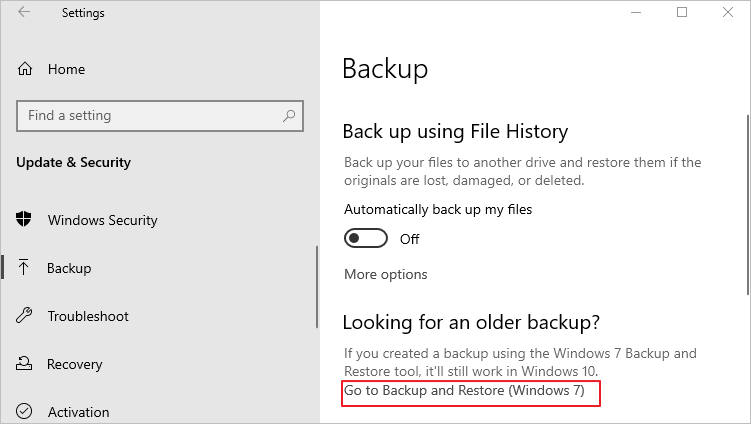
While in Windows 11, you access the Windows 11 backup software in 2 ways.
- Go to Control Panel, then System and Security, then Backup and Restore (Windows 7).
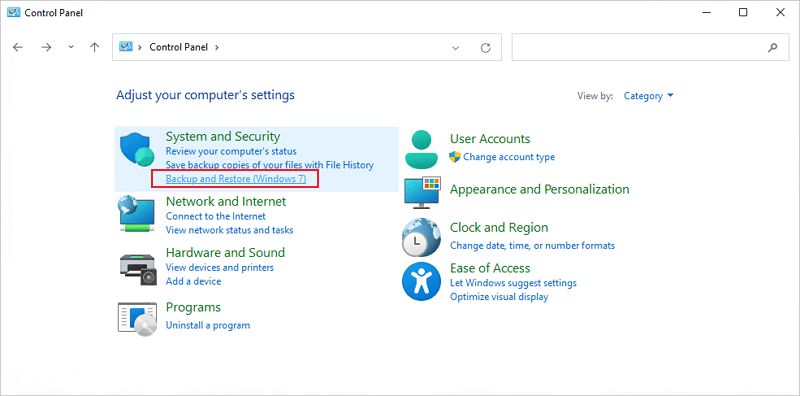
- To access the backup options on Windows 7, go to Settings > System > Storage > Advanced Storage options > Backup options > Backup and Restore (Windows 7).
Windows 11 Backup and Restore VS Windows 11 File History
Windows 11 offers two backup tools: Backup and Restore (Windows 7), which allows users to create a system image and restore their computer to a previous state, and File History, which automatically saves files from specified folders to an external drive or network location, providing a safeguard against data loss.
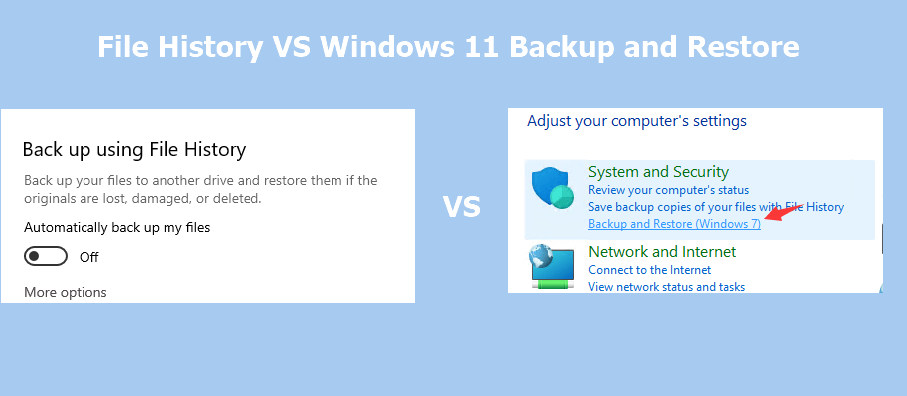
Windows 11 Backup and Restore (Windows 7) is a one-time backup solution that helps you create a full backup of your files, including settings and personal files, to protect them in Windows 11.
Windows 11 File History is a feature that automatically saves copies of your files and keeps them up to date, protecting them from loss or corruption. You can access it by going to Settings > Update & Security > Backup > File History.
How to Back Up and Restore Files in Windows 11
To backup files in Windows 11, you have two options: Backup and Restore or File History. Both methods allow you to create a copy of your files without needing additional software. By using Backup and Restore, you can create a system image or individual file backups, while File History focuses on backing up personal files and folders. This guide will walk you through the process of using these built-in features to safeguard your Windows 11 files.
Method 1. How to Back Up Files with Windows 11 Backup and Restore (Windows 7)
This feature enables users to back up files to an external drive, local drive, or network location, providing a simple and quick way to restore lost files in case of a hard drive failure or other data loss.
Steps to back up Windows 11 files with Windows 11 Backup and Restore:
Step 1. Go to the "Control Panel", click on "System and Security", and then select "Backup and Restore (Windows 7)".
Step 2. Choose the "Set up backup" option under the Backup section.
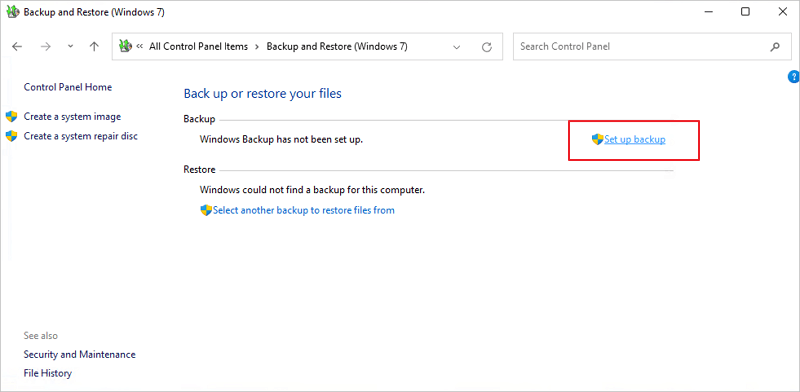
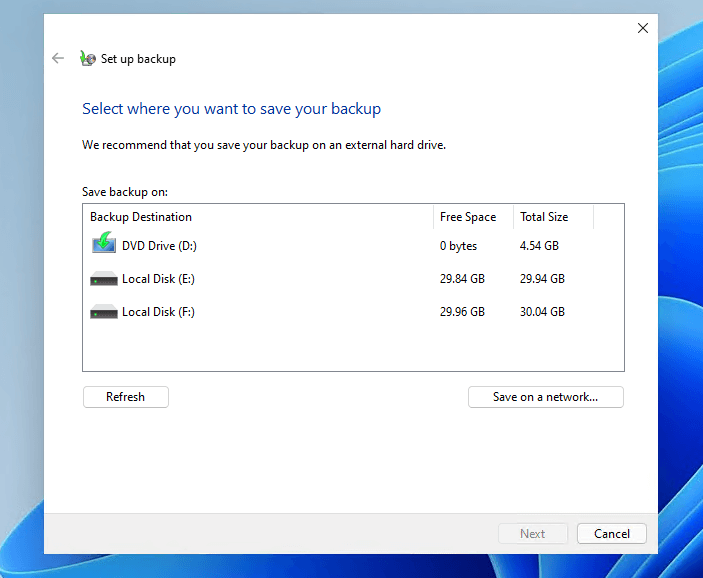
Step 3. Select "Backup Drive" to save your backups and click "Next".
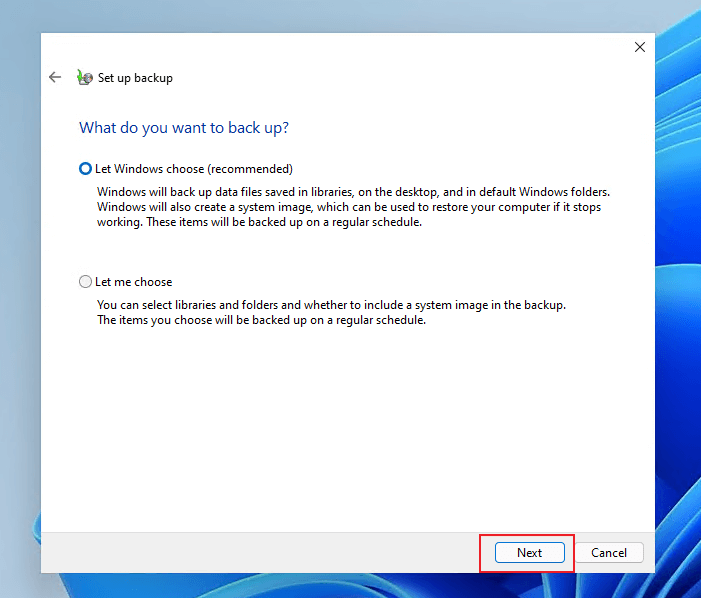
Step 4. Select the files and folders you want to back up, and click "Next" to proceed with the backup process.
Step 5. Set your schedule and click "Save settings and run backup" to start the backup process.
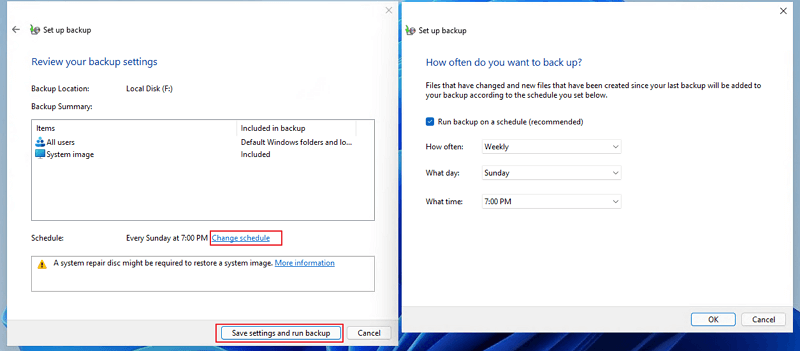
Windows Backup and Restore automatically backs up files every Sunday at 7:00 PM, but you can change this schedule by clicking "Change Schedule".
Method 2. How to Back Up Files with Windows 11 File History
In Windows 11, you can back up files using File History, a reliable method to protect your data. This tool automatically backs up your files and keeps multiple copies of each file, allowing you to restore an older version if needed.
Here's how to back up Windows 11 files with File History:
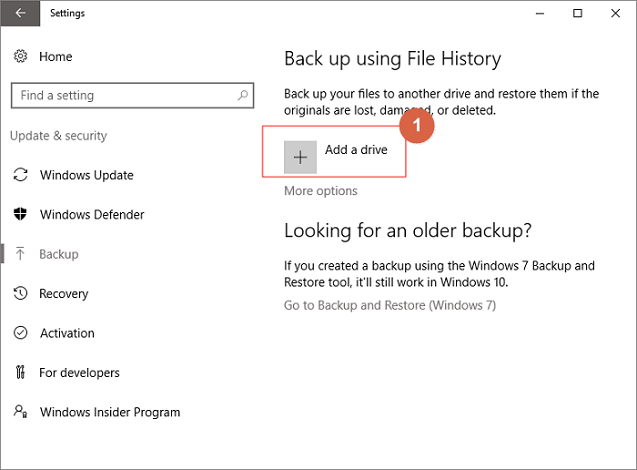
Step 1. To back up your computer, go to Settings, then click on Update & Security, followed by Backup, and finally select Add a drive.
Step 2. Under the "Automatically back up my files" option, click "on".
Step 3. To set up the cycle time and folder of backup settings, select the "More Options" option.
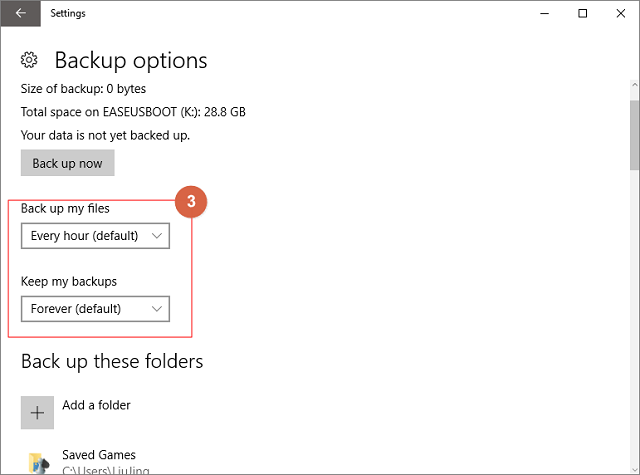
Back up my files: File History allows you to schedule backups of your files every hour, with options ranging from 10 minutes to 24 hours.
Keep my backups: The back up system is set to keep backups indefinitely, but users have the option to adjust this setting to retain backups for a specific period, ranging from one month to two years, before they are deleted.
Back up these folders: You can view the full list of folders to be backed up in this window and add or remove folders as needed by selecting "Add Folder" or using the "Delete" button.
Windows 11 Backup and Restore Alternative Tool (Free Download)
Windows 11 Backup and Restore can meet primary data backup and recovery needs, but lacks system backup and differential backup capabilities. To better protect your data, consider using a Windows 11 Backup and Restore alternative, such as Qiling Backup, which offers system, disk, partition, and file backup, as well as disk and partition cloning, and additional features not available in Backup and Restore.
- Incremental and differential backup methods involve only backing up changes or new files, reducing the time and storage space required compared to a full backup.
- Automatically backup files based on your previous schedule with our backup scheme.
- Pause & Resume: You can temporarily stop and continue the backup process later.
- The backup options allow you to compress, encrypt, and split the backup image into smaller files, providing flexibility and security in the backup process.
- You can back up data to Google Drive, Dropbox, and OneDrive.
Free Download this backup and recovery software for Windows 11/10/8/7.
Follow the steps below to back up Windows 11 files with this software:
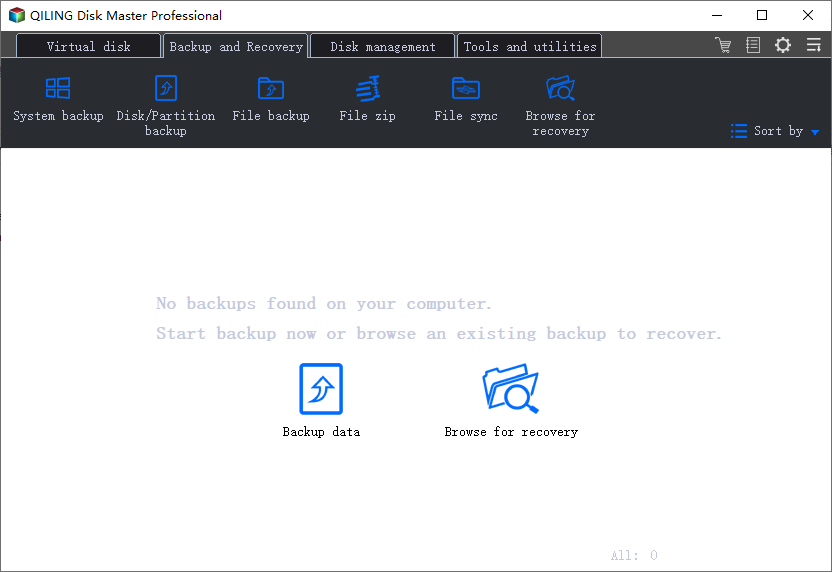
Step 1. To initiate a file backup, click the "File backup" button located within the "Backup and recovery" page.
Step 2. On the left side, local and network files are displayed, allowing you to extend the directory to select which files to back up.
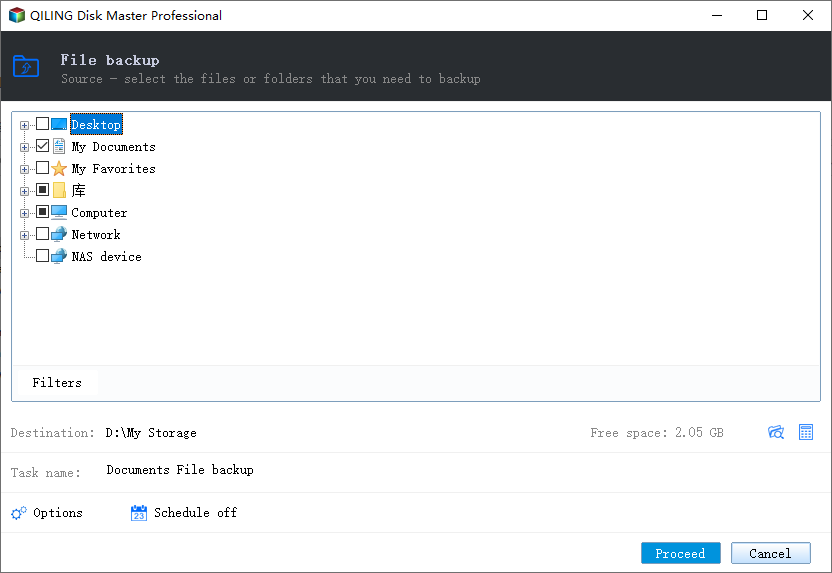
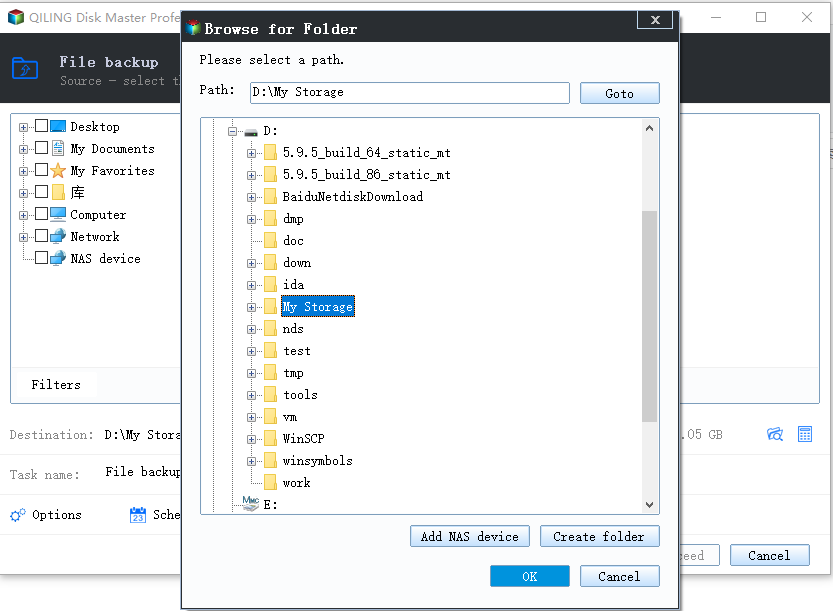
Step 3. Select the location where you want to store the backup by following the on-screen instructions.
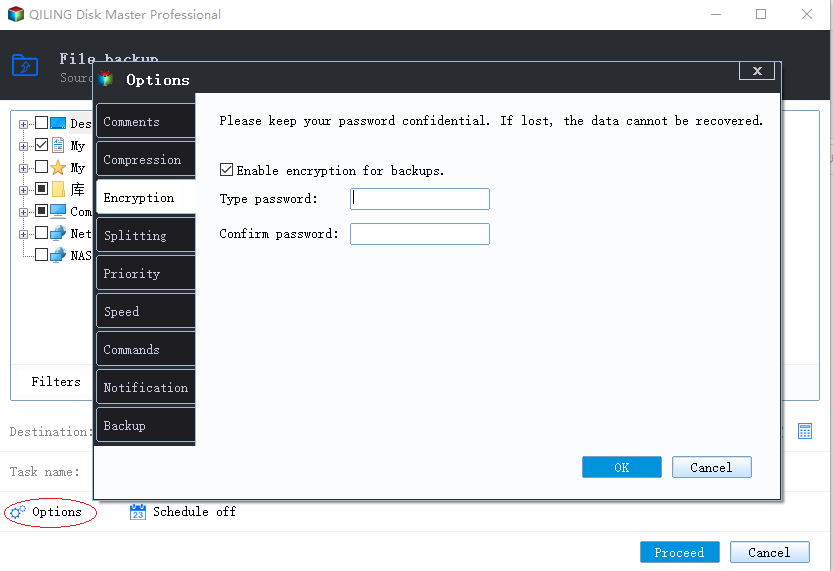
Step 4. To encrypt the backup with a password, click on the "Options" button in the "Backup Options" section. This allows for various customization options to be set for the backup process.
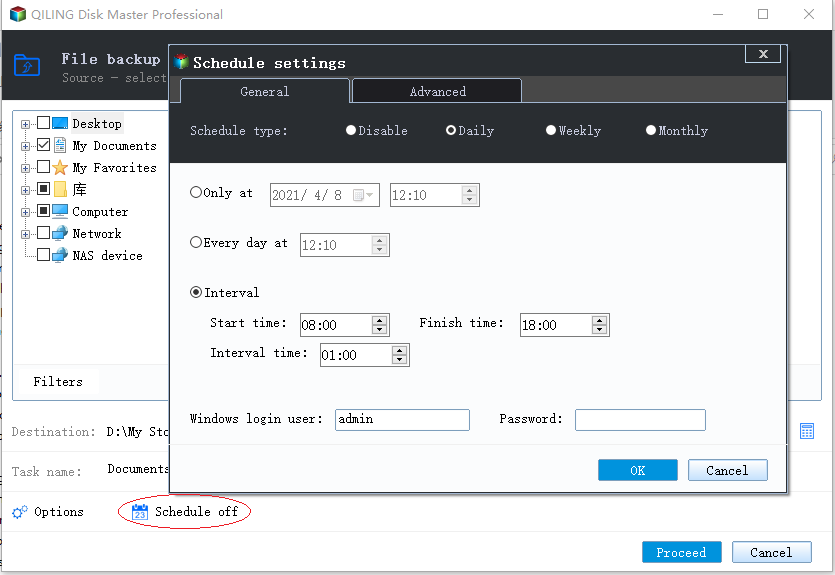
In the "Backup Scheme" section, set up a schedule for backing up your data by selecting a specific event, such as daily, weekly, or monthly, at which the backup will be initiated. This ensures that your data is regularly saved and protected against potential losses.
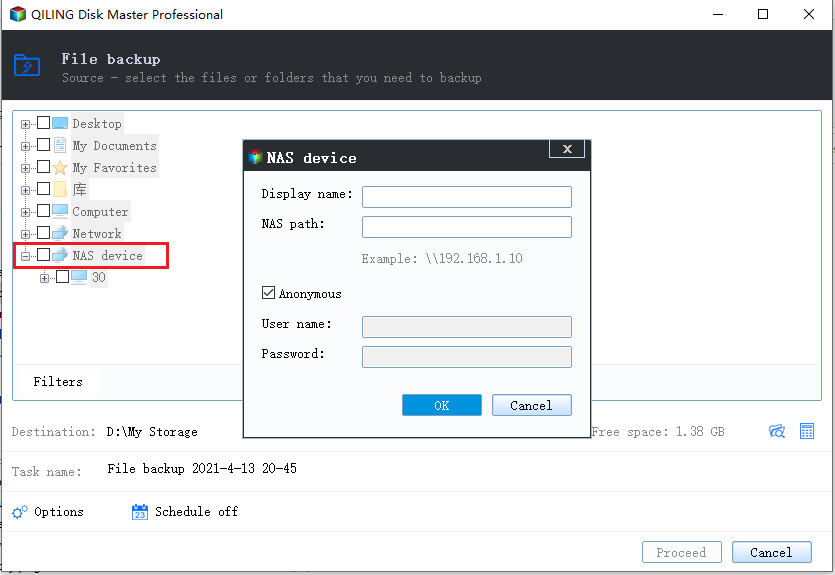
Step 5. You can save the backup to a local disk, Qiling's online service, or a NAS.
Step 6. Qiling Backup allows customers to store their data in both a third-party cloud drive and Qiling's own cloud drive.
To back up data to a third-party cloud drive, select Local Drive, then scroll down to add a Cloud Device, add your account, and log in.
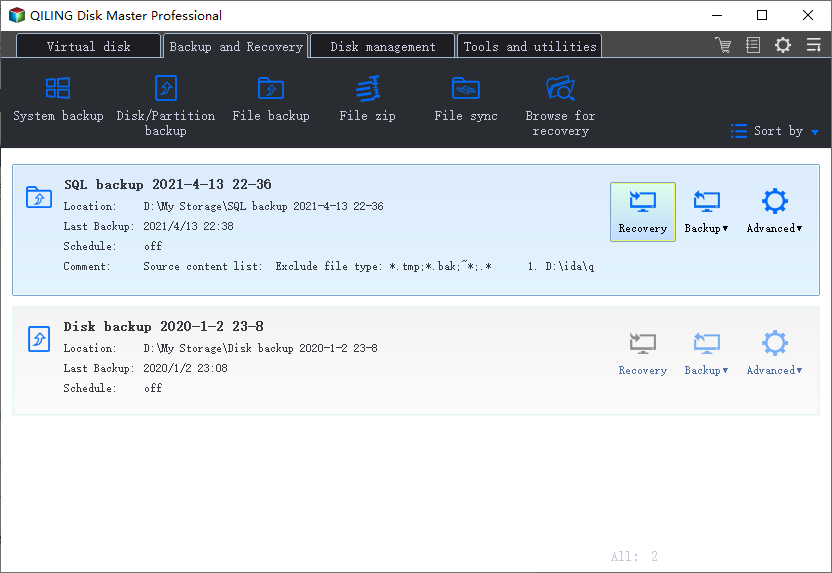
Step 7. To start a backup, click "Proceed". The backup process will be displayed as a card on the left-hand panel once it's complete. To manage the backup job further, right-click on it.
Conclusion
You've learned about backing up files in Windows 11 using Backup and Restore, File History, and Windows 11 data backup software. You can choose the method that best suits your needs, or opt for a more flexible solution like Qiling Backup for a simpler experience. If you have any questions or need further assistance, feel free to contact us.
FAQs of Windows 11 Backup
If you're experiencing issues with Windows 11 backup, don't worry - there are solutions available. Keep reading to find the answers to your questions and resolve any problems you're facing.
1. What's the difference between Windows 11 backup and Windows 10 backup?
Windows 11 Backup vs. Windows 10 Backup:
In Windows 11, users can create backups using the built-in functionality, but the steps differ from Windows 10. The backup process in Windows 11 is different from Windows 10. The steps for creating a backup in Windows 11 are distinct from those in Windows 10.
2. How to Back up Windows 11?
Steps on how to back up Windows 11:
- Open Control Panel and click Backup and Restore (Windows 7).
- This option allows you to create a system image of your current Windows installation, which can be used to restore your computer to its current state in case of a system crash or other issues. By selecting this option, you can create a backup of your current Windows installation, including all installed programs, settings, and files. This can be a useful safety precaution to ensure that your computer is restored to its current state in case of a problem.
- Choose the system backup location, such as a hard disk, DVDs, or a network location, to save the system image.
- The system partition and system drive will be selected by default, so you can click "Next" to proceed.
- Confirm the backup settings again and click Start backup.
3. Does Windows 11 have Backup and Restore?
To restore files in Windows 11, connect the external storage device containing your backup files. This can be done using the Backup and Restore or File History feature, allowing you to retrieve previously saved files.
4. How to clone Windows 11 to an external hard drive?
To clone hard drive in Windows 11:
- Launch Qiling Backup and click "Tools".
- The process of cloning a hard drive typically involves selecting the source disk or partition, which is the drive that contains the data to be cloned, and the target disk, which is the drive where the cloned data will be stored. This can be done using a cloning software or utility, and it's essential to choose the correct source and target disks to ensure a successful cloning process.
- Click "Proceed" to start cloning.
Related Articles
- Two Ways: Encrypt Backup Drive to Protect Your Data
- 5 Ways to Prevent Computer Virus: Elimate Your Fears and Doubts About Virus!
- How Windows 11 Prevent You from Malware Attack with New Security Features
- For Backup Beginners: Windows 11 Backup vs Windows 10 Backup vs Qiling Backup
- Qiling Backup License Code 2022 (100% Official)
Download Qiling Backup 2022 and upgrade to the full version with a license code to perform various backups on your computer, including hard drive, partition, files, folders, Windows 11/10 OS, and emails. With a serial key, you can migrate OS, create portable Windows, and save backups to Cloud! - Qiling Backup vs Acronis True Image
Qiling Backup and Acronis True Image are two of the most recommended data backup software tools for personal users, with hundreds of options available in the data protection industry.
Products
Articles & Tutorials
- Data Recovery
- Data Backup
- File Recovery
- File Backup
- System Backup and Restore
- Disk and Partition Clone
- Technical articles
- Mobile articles
- Disk Master Help
- Windows Data Recovery Tutorials
- Windows Secure Delete Tutorials
- Windows Partition Management Tutorials
- Windows File Backup and Restore Tutorials
- Windows System Backup and Restore Tutorials
- Windows Disk Backup and Restore Tutorials
- Windows Clone Tutorials