How to Fix Mac White Screen of Death? [macOS Ventura, Monterey, Big Sur]
The Mac white screen of death can occasionally occur when a Mac is booting up, making it appear broken, but a few easy solutions can fix the situation.
| Workable Solutions | Step-by-step Troubleshooting |
|---|---|
| Fix 1. Eject Peripherals | Some peripherals may have failed if a white screen appears when your Mac boots...Full steps |
| Fix 2. Boot Mac in Safe Mode | Re-building this Launch Database will often fix your Mac's white screen of death problem...Full steps |
| Fix 3. Run Disk Utility | A white screen could appear due to a malfunctioning hard disk. Use the Disk Utility...Full steps |
| Fix 4. Reset PRAM/NVRAM | Your Mac boot problem might be fixed by resetting NVRAM, which is a small portion...Full steps |
| Fix 5. Reinstall or upgrade Mac | You might need to reinstall your operating system if all other fixes don't work and the white screen...Full steps |
When your Mac displays a white screen at startup, something is wrong with your Mac. This can happen if your MacBook is frozen at the login screen, won't switch on, or you can't access your information. In addition to the white screen, you may also see a Mac black screen of death.
After a macOS update, your Mac may display a white screen with a progress bar, indicating that a process is still running and needs to finish before it can decide what to do next. This is a common issue that can occur after an update, and it's not necessarily a cause for concern. The white screen of death, as it's sometimes called, is simply a sign that your Mac is still in the process of updating and needs a bit more time to complete.

Why Has My Mac Stuck on a White Screen
Macs can be dependable, but sometimes they may have issues and not load. A blank or white screen can occur due to design defects in Mac models, which can be caused by a variety of factors, including hardware or software problems, overheating, or issues with the operating system.
- Power outrage
- Improper connections
- Hardware corruption
- Software incompatibilities and bugs
This white screen issue typically occurs after installing a new OS version, dealing with mismatched drivers, or when some apps fail to upgrade, causing a Mac to display a white screen on startup until it's restored to working order.
Recover Files from Mac White Screen of Death
When your Mac won't boot and displays a white screen, consider the potential impact on your data security. There's a risk of data loss if your Mac has issues and can't boot normally, and forcing it to reboot multiple times could result in lost files and data.
If your Mac won't turn on and has a white screen, your priority should be to recover your data. We recommend creating a bootable disk using Deep Data Recovery Bootable Media.
Deep Data Recovery for Mac
- To create a bootable disk to retrieve data from a Mac that won't boot with a white screen, you can use a tool like Disk Utility or a third-party software like DiskMaker X. Insert a blank USB drive and format it using Disk Utility.
- Recover data from the hard drive, emptied recycle bin, memory card, flash drive, digital camera, and camcorders.
- Recover data from failing internal Mac hard drives, including those with unmountable APFS boot volumes, to prevent permanent data loss.
Here are the steps for using Deep Data Recovery Bootable Media for Mac to recover deleted files.
How to Create a USB Bootable Media
Step 1. To recover data from a Mac computer, install and run Deep Data Recovery on another Mac computer, then select "File > Create Bootable USB" and choose a USB drive to create the bootable disc.
- Warning
- The creator will prompt to erase the drive to reallocate the space, then write bootable files to this drive. Please back up all USB files before processing "Eraser".
Step 2. The program creates a 2GB space on the USB drive to save the boot files, leaving the remaining space available for storage.
Step 3. To resolve the issue with a corrupted Mac, boot the system from a bootable disc, then follow the recovery guide to restore the data to an external hard drive.
How to Recover Data from Mac Hard Disk
Step 1. Select the disk location where you lost data and click the "Search for lost files" button.
Step 2. Deep Data Recovery for Mac will immediately scan your selected disk volume and display the scanning results on the left pane, showing the recovered files and folders.
Step 3. Select the desired file(s) from the scan results and click the "Recover" button to initiate the data recovery process on your Mac.
How to Fix Mac White Screen on Boot
If your Mac is experiencing the infamous "white screen of death," don't worry, there are practical solutions to resolve the issue. You can try booting in safe mode, which can help identify if a third-party software is causing the problem. If that doesn't work, you can try resetting the System Management Controller (SMC) or the Power Management Unit (PMU).
Method 1. Disconnect All Peripherals
If a white screen appears when your Mac boots, it's possible that some peripherals have failed. To troubleshoot, systematically disconnect peripherals and see if the issue persists. This can help isolate and pinpoint the problem.
To troubleshoot a Mac, start by disconnecting all peripherals, such as the keyboard, mouse, and external drives. Later, you can restart the Mac and reconnect one device at a time to isolate the issue.
Turn off your Mac and disconnect all peripherals except your keyboard, mouse, and essentials for rebooting, before attempting safe mode or other troubleshooting measures.
Method 2. Boot Your Mac in Safe Mode
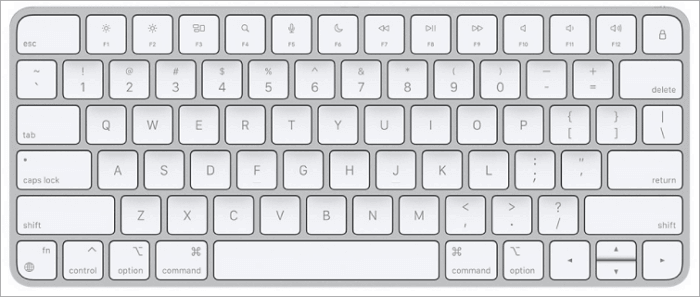
To fix a Mac's white screen of death issue, booting into Mac Safe Mode is often the most straightforward solution. To do this, simply restart your Mac and immediately hold down the Shift key, then release it when the login screen appears. This will prevent any problematic third-party kernel extensions from loading, allowing you to safely access your device.
- When the startup chime sounds, press the power button and hold the shift key.
- When you see the Apple logo and progress bar, let go of the shift key.
- Once the Mac is in Safe Mode, navigate to the Applications folder to remove any outdated software, then proceed to empty the trash.
- Restart your Mac.
- If the Mac can start up properly, consider cleaning the unnecessary caches, duplicates, and garbage files.
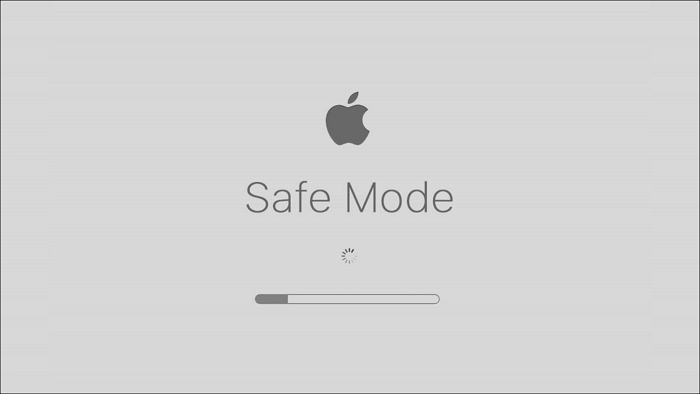
Safe Mode prevents external factors from interfering with the startup process, and disables some macOS features to troubleshoot issues that cause the "white screen of death."
Method 3. Use Disk Utility to Repair Disks
A white screen may appear due to a malfunctioning hard disk. To repair, use Disk Utility and follow these steps:
Step 1. Restart your Mac.
Step 2. Press and hold down the Command + R keys.
Step 3. When you see the Apple logo, release the keys.
Step 4. In the macOS Recovery window, click on "Disk Utility" and then select the drive you want to repair.
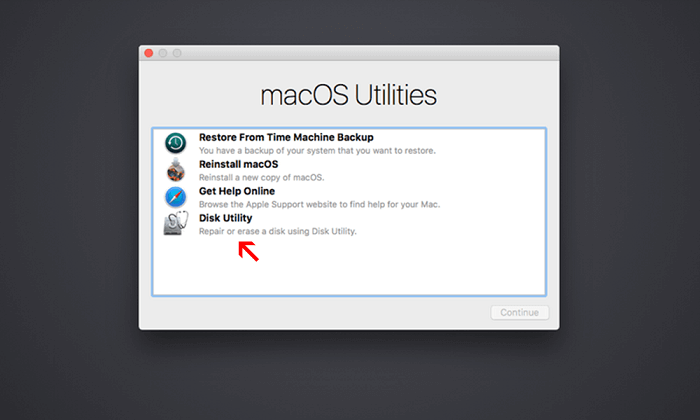
Step 5. Select "First Aid" to improve the hard drive.
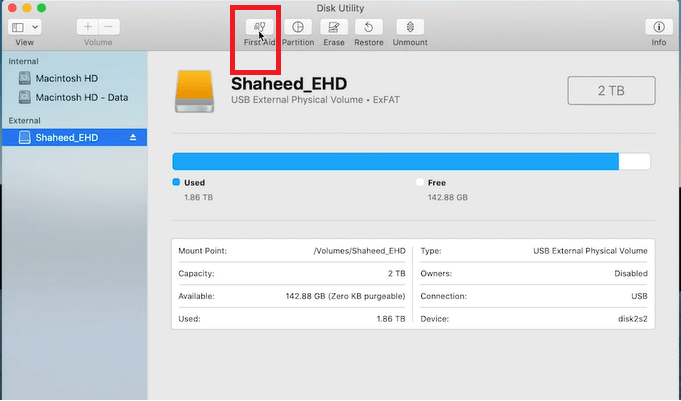
After using Disk Utility, the drive's state will be indicated. This tool can resolve various disk issues, including the Mac's white screen of death.
If the volume is corrupted, you might delete the volume and restore it from a backup if this is the first time an error has happened on that drive.
Method 4. Reset the PRAM or NVRAM
Your boot problem might be fixed by resetting NVRAM or PRAM. NVRAM is a small portion of the memory that keeps settings, including screen resolution, startup disk option, and recent kernel panic information. Resetting it may resolve the issue.
Here's how to clear your Mac's PRAM and NVRAM:
- Restart your Mac, then press and hold the Command + Option + P + R keys.
- When you hear the startup chime, release the keys.
- Wait for the Mac finishes booting.
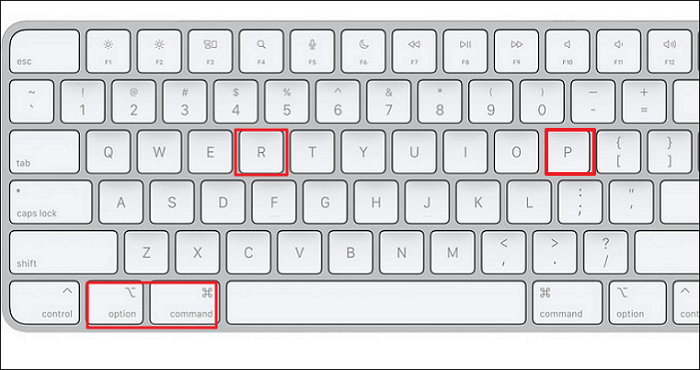
Resetting the PRAM or NVRAM on your Mac can help resolve issues related to the white screen of death, which may be caused by faulty settings stored in the computer's memory.
Method 5. Reinstall or Upgrade macOS
If all other fixes don't work and the white screen on your Mac persists, you might need to reinstall your operating system.
Before reinstalling macOS, it's a good idea to back up your data and files to ensure that the process can fix any corrupted software without wiping out your important files and data. Once prepared, follow these guidelines.
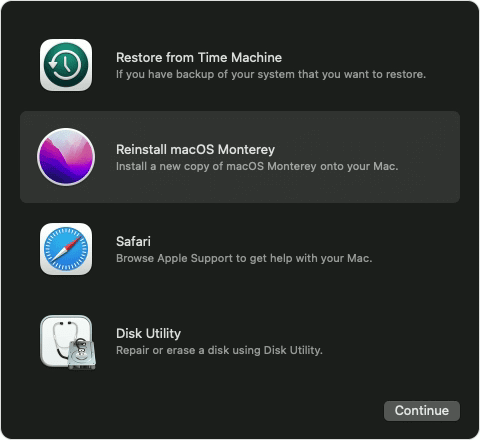
- Hold down Command + Option + R or Command + Option + Shift + R after powering your Mac to launch Mac Internet Recovery Mode.
- When you see the Apple logo, let go of the keys. When you see the Apple logo, let go of the keys.
- After the Mac has finished booting up, select "Reinstall macOS" from the Utilities menu, then click "Continue".
- Until the process is complete, adhere to the instructions that appear.
To Sum Up
If your Mac, MacBook Pro, or MacBook Air boots into a white screen of death, it could be due to either hardware or software issues. To resolve this, it's essential to approach the problem methodically and separately examine both hardware and software components. Additionally, it's crucial to use professional data recovery software to recover your data from the Mac, as losing it forever is a possibility.
Mac White Screen FAQS
1. What is the white screen of death?
If your Mac starts up with a white screen, it's often due to a monitor issue, which can lead to problems like broken disk permissions, software errors, and other issues with your MacBook.
2. How do I fix it if my Mac starts up with a white screen and a question mark?
If your Mac flashes a folder with a question mark, try resetting the System Management Controller (SMC), resetting the Power Management Unit (PMU), and checking for software updates. Additionally, you can try booting in safe mode, running a disk utility scan, and checking for any hardware issues.
- Fix the startup disk in Mac Recovery Mode.
- Reset your Mac's NVRAM.
- Reformat Mac Startup Disk
- Restart macOS
3. What causes the white screen of death on Mac?
When your Mac first starts up, it may get stuck on a white screen due to hardware, software, or design issues, or incompatible drivers.
4. How do I restart my Mac when the screen is white?
- Press the power button down for a few seconds.
- Wait more than 20 seconds after your Mac turns off.
- Restart the device by pressing the power button.
Related Articles
- How to View Pictures from SD Card on MacBook
- Quick Answer: Why Do Deleted Files Still Appear Mac
- How to Recover Deleted Files from an SD Card on Mac
- Can't See Files on External Hard Drive Mac? Find Missing Files Here
- How to Use Recovery Disk in Windows 7 to Restore Sony Vaio
Need to download or use Sony Vaio recovery disk for Windows 7 to restore the PC? Here are the steps for how to do it. - Top 4 Alternatives to SanDisk RescuePro Recovery Software
Here are the top 4 alternatives to SanDisk RescuePro or SanDisk RescuePro deluxe: you can free download the alternatives Windows or Mac SanDisk RescuePro recovery software to help you recover deleted/lost files.
Products
Articles & Tutorials
- Data Recovery
- Data Backup
- File Recovery
- File Backup
- System Backup and Restore
- Disk and Partition Clone
- Technical articles
- Mobile articles
- Disk Master Help
- Windows Data Recovery Tutorials
- Windows Secure Delete Tutorials
- Windows Partition Management Tutorials
- Windows File Backup and Restore Tutorials
- Windows System Backup and Restore Tutorials
- Windows Disk Backup and Restore Tutorials
- Windows Clone Tutorials