SD Card File System for Android 2022 | What Is the Best Format for Android [Detailed Guide]
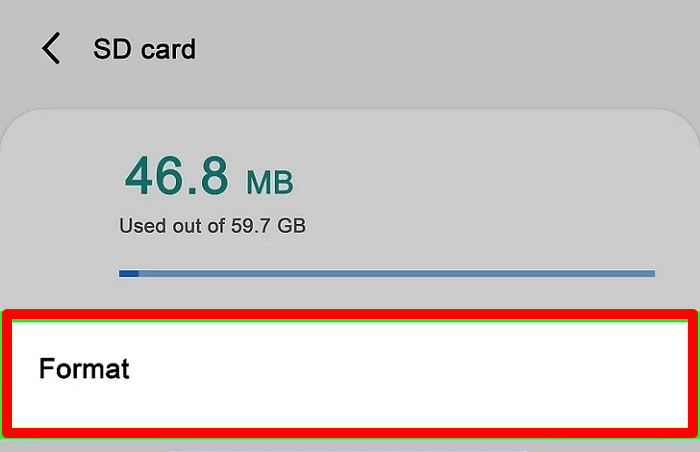
Formatting an SD card for Android devices involves clearing the card's file system to increase storage space and prevent issues like storage errors or malware. To do this, users can follow these steps: insert the SD card into the Android device, go to Settings > Storage > SD card, select "Format SD card," confirm the action, and wait for the process to complete. This will erase all data on the card, so users should back up any important files before formatting. By following these steps, users can ensure their SD card is properly formatted for use with their Android device.
What File Systems Does Android Use
Before formatting your SD card, it's essential to know the type of file system you're dealing with on your Android phone, which typically has four file system types.
The type of SD card file system used on Android devices depends on the device's hardware and software, and can be found in the device's manual or on the official website.
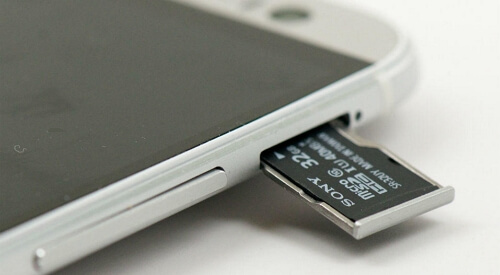
A file system is a way of organizing and storing files on a computer. It's like a library where all your files are kept in a structured way, making it easy to find and access them. Think of it like a folder system where you have folders, subfolders, and files all neatly arranged, allowing you to navigate and manage your digital content efficiently.
File systems are a type of data structure within operating systems that allow users to track and locate existing files on their storage devices, making it easy to find and access the files they need.
- FAT32:
FAT32, Microsoft's latest default file system for Windows 95 OSR1 or M-DOS 7, supports drive sizes of up to 2TB-16TB, with a cluster size of 64KB, making it suitable for larger hard drives.
- EXT3:
EXT3 is a journaled file system designed for Linux kernel-based devices. It works as the default file system for many Linux distributions, supporting large file sizes up to 16GB and a maximum file system size of 3TB, making it suitable for various Linux-based devices.
- EXT4:
The EXT4 file system, an improvement over its predecessor EXT3, has increased size limits, allowing for a maximum volume size of 1EB (approximately 1048576 TB) and single file sizes up to 16 TB.

What Is Ext2/Ext3/Ext4 File System Format? What's The Difference
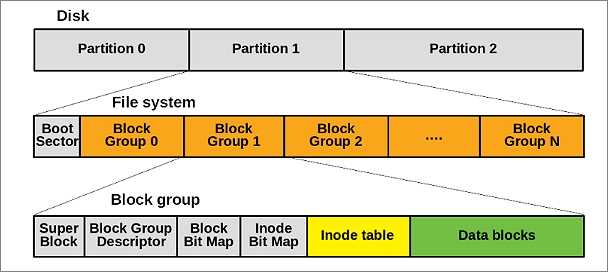
The Ext2, Ext3, and Ext4 file systems are three major file systems used in Linux operating systems. Ext2 is the oldest and most basic of the three, providing a simple and efficient way to store files on a hard drive. Ext3 is an extension of Ext2, offering journaling capabilities that improve file system reliability and speed up recovery from crashes.
- exFAT:
The exFAT format has a high file and hard drive-based size limit compared to FAT32, and is the default file system on SDXC cards, available in modern Android smartphones.
You may encounter issues when using SD cards on your phone, such as the SD card not being detected, frequent disconnection errors, and slow file transfer speeds.
Which Is the Best SD Card File System for Android
The best SD card file system for Android depends on your needs, but the main differences between FAT32 and NTFS are worth considering. FAT32 is a widely supported file system that's compatible with most devices, but it has limitations on file size and date modification. NTFS, on the other hand, offers more features, such as file compression and encryption, but may not be compatible with older devices. The table highlights the key differences between the two file systems, helping you decide which one is best for your Android device.
| Features | FAT32 | EXT3 | EXT4 | exFAT |
|---|---|---|---|---|
| Supported System | All OS types | All Android OS versions | All Android OS versions | SDXC cards, flash drives, Android OS 4.1 onwards |
| Maximum File Size | 4GB | 2TB | 16TB | 128PB |
| Pros |
Default file storage for Android |
4TB to 32TB volume size Basic-level multi-block allocation |
1EB maximum volume size | Easily portable across many devices |
| Cons | 4GB file size support only | Journaling does not allow checksumming | Takes up more disk resources | No journalling support |
FAT32 and exFAT are the best file systems for SD cards in Android devices. Check your device to see which one it uses.
How to Check SD Card File System for Android
To determine the file system of your Android device, check the internal storage capacity, which may be formatted in EXT3, FAT32, or EXT4. Note that some users have reported difficulty checking the file system of their phone's SD card; however, following the provided guide may help resolve this issue.
Step 1. Connect your SD card to a Windows computer.
Step 2. To open Windows Explorer, press the Windows key and E in Windows 10, or double click "My Computer" in Windows 7.
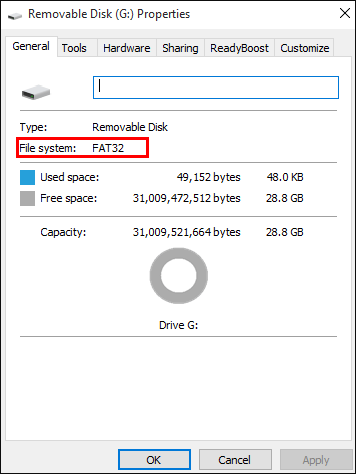
Step 3. Find your SD card, right-click it, and select "Properties".
Step 4. This section allows you to determine the format of your SD card, which in this case is FAT32.
You may also like:
ExFAT and FAT32 are both file systems used for storing and managing files on a computer, but they have some differences. FAT32 is an older file system that was widely used in the past, while exFAT is a newer file system designed to be more efficient and scalable. exFAT has a larger file size limit and supports longer file names, making it a better choice for storing large files and files with complex names.
exFAT is a more advanced file system than FAT32, offering better performance and compatibility across various platforms. Its ability to work seamlessly across different operating systems makes it a popular choice for storing and transferring large files. However, whether exFAT is the better option ultimately depends on the specific use case, as its advantages may not be as significant for users with simpler storage needs.
A Third-Party Tool to Set Correct SD Card File System for Android
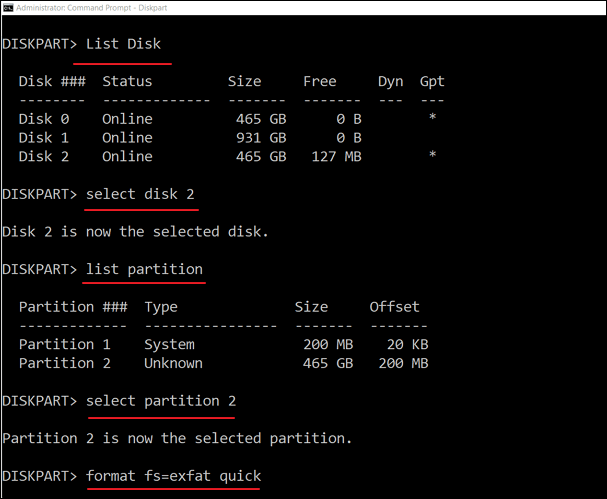
To format an SD card on Windows for use with Android devices, using a third-party software is the recommended approach. One such option is Qiling Partition Master Free, which offers a straightforward and secure way to manage and format SD cards.
Now, follow the link below to format your SD card for your Android phone.
To format an SD card for Android, insert the card into your device, go to Settings > Storage > SD card, and select the 'Format SD card' option. Alternatively, you can use a computer and an SD card reader to format the card using the built-in disk management tool.
This tutorial provides a step-by-step guide for Android and Windows beginners on how to format a new or used SD card for Android devices. The process involves understanding the different file systems supported by Android, including FAT32 and exFAT, and selecting the most suitable one for the SD card. The tutorial also covers the necessary steps to format the SD card using Windows, including selecting the drive letter, choosing the file system, and formatting the card.
In the Partition Manager, users can set up disk space, merge partitions, create new ones, and complete hard drive setup processes. The advanced version also allows safe disk cloning and changing default file systems to more modern ones.
The best features to address are:
- Disk Converter available as a feature.
- To convert FAT32 to NTFS on older and new Android devices via USB, you can use a tool like Disk Manager or a third-party app like Minitool Partition Wizard. First, connect your Android device to your computer via USB and ensure USB debugging is enabled.
- Improve interactive processing of the WinPE bootable media you can create.
- The software offers simple steps, a clean UI for disk partition management, and clear low disk space issues.
Therefore, if you want the best formatting experience of your default SD card file system for Android, download this software and begin using it.
Conclusion
Formatting an SD card file system on an Android device is possible, but it's essential to know the available file system type first. Check your device's manual or online information for your model to determine the type. If you have an older file system with limited file size, you can format it using software on a PC or directly on the device, but be aware that the latter method can lead to data loss, so take necessary precautions.
You may also like:
FAQs About SD Card File System for Android
While we have covered most points related to SD card file systems and the process of formatting them in Android devices, some users may still need clarification. Here are the most common concerns many bring forward with relevant answers.
1. How to check the SD card file system on Android?
Android devices support FAT32, EXT4, EXT3, and exFAT file systems on SD cards. Check your device's manual or the manufacturer's website to confirm which file system your device supports.
2. Can you move system files to an SD card on Android?
Users can move system files from internal storage to an SD card using the File Manager app or a third-party app, but the SD card must first be formatted as portable storage.
3. Does Android use exFAT or FAT32?
Android devices use FAT32 as the default file system, but since OS version 4.1, they also support exFAT for storing media on SD cards and flash drives.
Related Articles
- [Fixed] Right Click Not Responding or Working on Windows 10
- What Is Ubuntu Format Disk Command Line? How to Use It [Your 2022 Fresh Guide]
- Mac Won't Update? Here Are 7 Ways to Fix macOS 13 Ventura Upgrade Failed
- Why Can't I Format My External Hard Drive on PS4? [Ultimate Answer and Tutorial]
- Windows 11 22H2 Slows Down Copying of Files
The latest version of Windows has been found to slow down copying files from a hard drive. If you are experiencing this issue, read on for the solution. - Update Now! Windows 11 Encryption Bug Can Lead to Data Loss
Microsoft is urging users to update to the latest version of Windows 11 as soon as possible due to a critical issue that could result in the loss of user data.
Products
Articles & Tutorials
- Data Recovery
- Data Backup
- File Recovery
- File Backup
- System Backup and Restore
- Disk and Partition Clone
- Technical articles
- Mobile articles
- Disk Master Help
- Windows Data Recovery Tutorials
- Windows Secure Delete Tutorials
- Windows Partition Management Tutorials
- Windows File Backup and Restore Tutorials
- Windows System Backup and Restore Tutorials
- Windows Disk Backup and Restore Tutorials
- Windows Clone Tutorials