How to Clone C Drive to Larger SSD in 2024 [Full Guide]🔥
As technology advances, people increasingly desire faster and more efficient computer systems. If your Windows is running on a small-capacity hard drive, you may experience issues such as a full disk or slower PC performance over time. To resolve this, you can consider cloning your C drive to a larger Solid-State Drive (SSD), which can help eliminate these problems and provide a smoother user experience.
Solid-State-of-the-art solid-state drives (SSDs) outshine traditional hard disk drives (HDDs) in several key areas, including speed, heat dissipation, noise level, weight, and power consumption, making them the go-to choice for many systems and applications. When upgrading to a larger SSD, it's highly recommended to utilize professional disk cloning software to ensure a smooth and thorough cloning process.
How to use the "Add" button in the "Add or Remove Windows Features" window to add a feature to Windows 10. The "Add" button is used to add a feature to Windows 10. To use the "Add" button, open the "Add or Remove Windows Features" window, select the feature you want to add, and then click the "Add" button.
This article from Qiling explains the preparation needed, the process of cloning a C drive, and the benefits of doing so. It provides a comprehensive guide for those looking to clone their C drive.
What to Prepare Before the Cloning
Before starting the cloning process, it's essential to prepare properly to avoid potential issues. This includes ensuring the equipment is in good working condition, the environment is suitable for the process, and the necessary materials are readily available.
Initialize the SSD and ensure it has enough space
To get your new large SSD to show up on your computer, first initialize it with Disk Management and create a new volume on it. This ensures the added SSD is recognized. Also, ensure the new SSD has more space than your old hard drive. Windows 10 hardware requires a minimum of 32GB of storage space.
Professional cloning software
To successfully clone the C drive to a larger SSD, you'll need reliable disk cloning software. A professional tool like Qiling Disk Master can save you time and effort with one-click cloning, allowing you to copy all data, programs, and settings from one disk to another without reinstalling Windows OS and apps.
Other
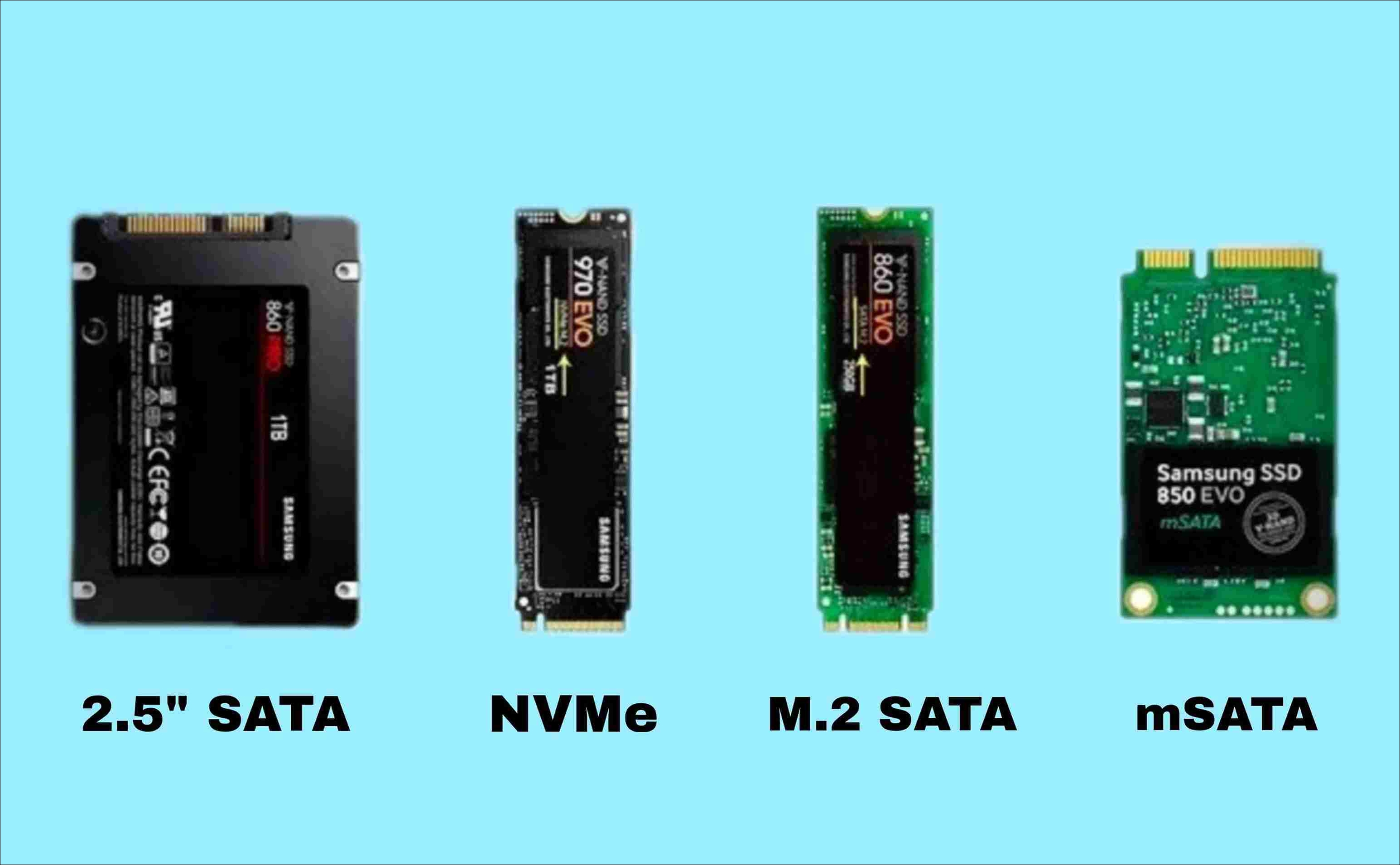
To connect a SATA SSD to your computer, you'll need a USB to SATA cable, and to install an M.2 or NVMe SSD, you'll need to install it on your computer's motherboard, possibly requiring a screwdriver.
Easy Way to Clone C Drive to Larger SSD
To create an exact replica or copy of your C drive to a larger SSD, you can utilize the powerful and multifunctional software - Qiling Disk Master.
The software allows users to clone the Windows OS and associated partitions to a larger SSD without reinstalling, keeping data safe and providing a simple and straightforward interface for easy use, making it accessible even for beginners.
To clone the C drive to a larger SSD, follow the detailed guide which contains 2 stages, allowing you to successfully transfer your data and operating system to the new drive.
Stage 1. Clone C Drive to the SSD
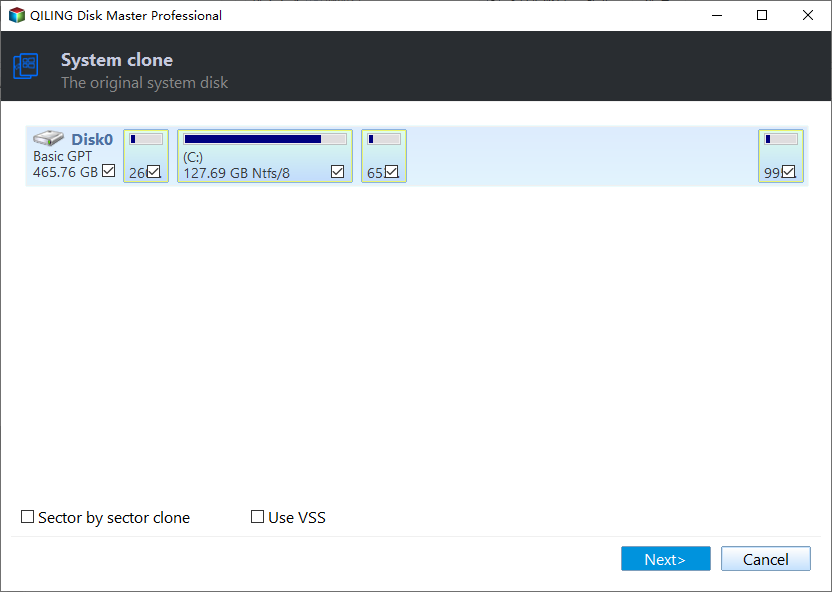
Step 1. Launch Qiling Disk Master, go to the Disk Clone tab, select "Clone OS Disk" and click "Next" to proceed with the cloning process.
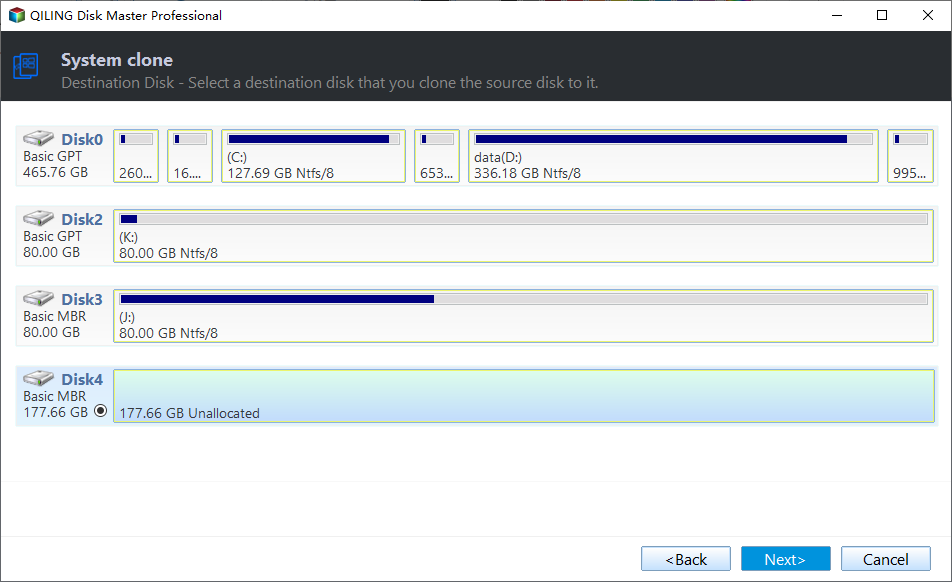
Step 2. Select the target new drive where you want to clone the OS to, and click "Next".
Confirming the OS disk cloning process to continue.
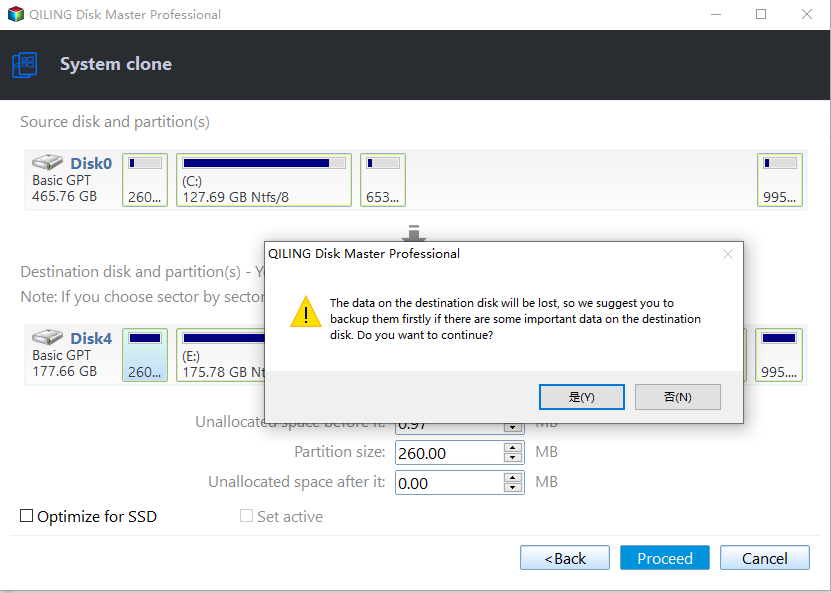
Step 3. The process begins with viewing the disk layout, followed by clicking "Start" to initiate the OS cloning process.
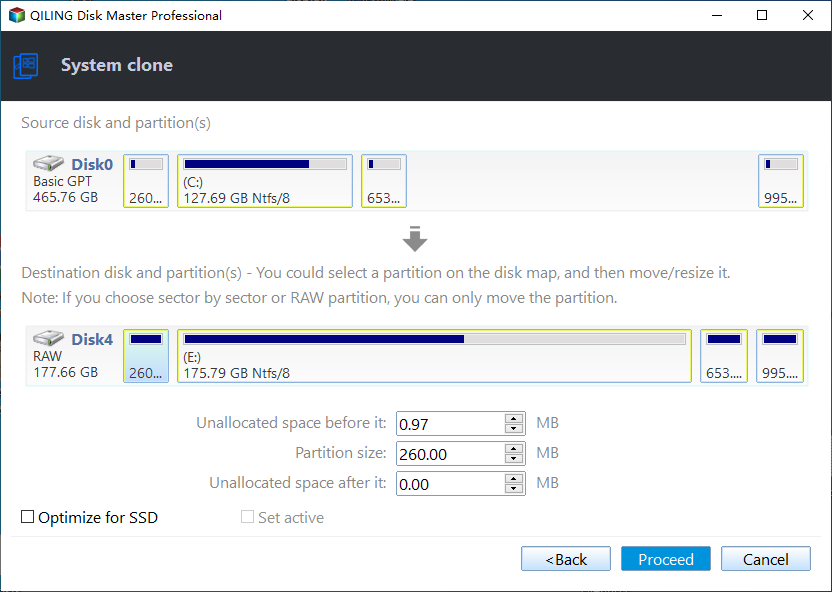
Step 4. When the process is complete, you'll see a confirming message asking if you want to start up your computer from the cloned target disk.
- Reboot Now To "reboot and boot from new disk" means to restart your computer and set it to load the operating system from a newly installed or connected hard drive, solid-state drive, or other bootable storage device, effectively switching from the previous boot drive to the new one.
- Done means you want to make the changes later.
Stage 2. Modify to Boot from the Cloned SSD
Step 1. To resolve the issue, restart the computer and access the BIOS settings by pressing the corresponding key (F2/F8/Del) as the computer boots up.
Step 2. In the Boot menu, select the cloned SSD as the boot drive and save the changes.
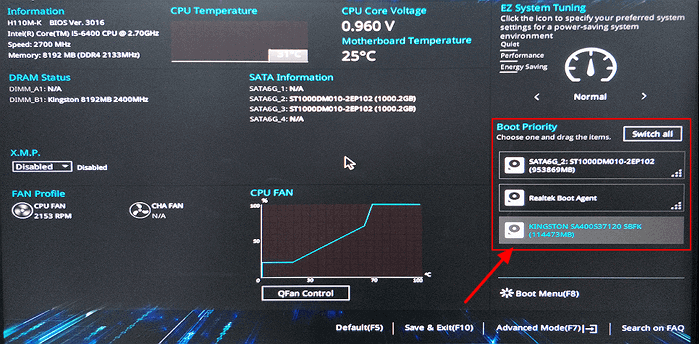
Step 3. Restart the computer again, and it will boot from the cloned SSD now.
Qiling Disk Master allows you to clone the OS disk, transfer the OS to a new disk, clone the data disk, and clone particular partitions, making it a versatile tool for various needs. Once the cloning process is complete, you can also use the software to partition the C drive and separate the OS from other programs on the new SSD. Download Qiling Disk Master to get started!
If you found this post helpful, please share it on your social media to help more people discover the information.
Now that you have learned how to clone the C drive to a larger SSD, you may also be interested in cloning a larger HDD to a smaller SSD with Qiling Disk Master, which can help you achieve this task.
Clone Larger HDD to Smaller SSD (Windows 11 Support)
Many stand-Clonezilla and Qiling Partition Master are cloning tools that don't support cloning a larger HDD to a smaller SSD. This is because they require the destination disk to be at least the same size as the source disk. However, there is a possible workaround to clone a larger HDD to a smaller SSD.
Why Cloning C Drive to Larger SSD
There are various scenarios where cloning the C drive to a larger SSD is necessary, such as upgrading from a small SSD to a bigger one or replacing the old drive with a new SSD. This process is often required in PCs that use SSDs for Windows OS and data storage due to their speed, quiet operation, light weight, and durability.
Cloning the C drive to a larger SSD is a recommended step to ensure a smooth transition to a faster storage device. The main reasons for this are to preserve all installed programs, files, and settings, and to avoid reinstalling everything from scratch.
- To get more space for the C drive: Many users have complained that the C drive is out of space, which can be resolved by cloning the C drive to an SSD and then wiping or reformatting the hard drive.
- To create a backup for the operating system: Cloning the C drive to another drive is a reliable backup strategy, allowing for a quick and safe restoration of the operating system and applications in case of a crash, without the need for reinstallation.
- To enhance the performance and speed of the PC: Cloning the OS to a larger SSD can improve computer efficiency and speed up the Windows system by increasing reliability, fastening boot times and system responsiveness, and shortening program launch times.
Conclusion
Cloning the C drive to a larger SSD can significantly improve a computer's performance and overall experience by providing faster program launches, shorter boot times, and improved system responsiveness, making it a highly beneficial procedure.
Qiling Disk Master simplifies the cloning process with its user-friendly interface and smart algorithms, offering multiple clone options and a secure way to protect your data while cloning, resulting in a smooth and reliable cloning experience.
FAQs on Clone C Drive to Larger SSD
Cloning the C drive to a larger SSD can be done using software such as Qiling Backup, which can create an exact copy of the C drive, including the operating system, programs, and data, on the larger SSD. This process will not affect existing files and programs, and you will not need to reinstall your operating system.
1. Can you clone a 500GB SSD to a 1TB SSD?
Cloning a 500GB SSD to a 1TB SSD is a straightforward process that can be accomplished with professional cloning software, such as Qiling Disk Master. The only requirement is ensuring the 1TB SSD has sufficient storage space for the cloning process.
2. Why is my SSD capacity smaller after cloning?
If a cloned drive is larger than the original, some cloning programs may leave the extra space unallocated, potentially misrepresenting the drive's capacity.
3. Should you format SSD before cloning?
In theory, you can format the target disk before cloning to check the partition style, but this is not necessary for a new hard drive since it contains no saved data, leaving the decision up to you.
4. Why is my new SSD not booting after clone?
The cloned SSD is not configured as the boot disk, is incompatible with BIOS boot mode, or the cloning process was corrupted or halted, resulting in incomplete clones, missing boot partitions, or boot components.
Related Articles
- How Do I Clone SSD to External Hard Drive in Windows 11/10/8? 2 Ways Available
- HP USB Disk Storage Format Tool Review 2024 [Benefits and Drawbacks]
- Can I Install Windows 11 on Windows 10? Download Windows 11 Now
- What Is HP Default Admin Password & How to Reset It
HP Default Administrator Password is not a fixed password, but rather a default account name, which is “Administrator”. The password for this account is not provided by HP, and users are advised to create their own strong password for security reasons. - Beginners' Shot: Clone Windows 11 for Free with Step-by-Step Guide
Are you looking for a way to clone Windows 11 for free? Do you also want to find the easiest Windows 11 cloning method? this guide can help, as this article will provide a step-by-step guide to clone Windows 11 for free. - How to Clone Windows 11 to New Computer [Step-by-Step Guide]
This article provides a step-by-step guide on cloning Windows 11 to a new computer, including a detailed introduction to a professional tool that can assist with the cloning process.
Products
Articles & Tutorials
- Data Recovery
- Data Backup
- File Recovery
- File Backup
- System Backup and Restore
- Disk and Partition Clone
- Technical articles
- Mobile articles
- Disk Master Help
- Windows Data Recovery Tutorials
- Windows Secure Delete Tutorials
- Windows Partition Management Tutorials
- Windows File Backup and Restore Tutorials
- Windows System Backup and Restore Tutorials
- Windows Disk Backup and Restore Tutorials
- Windows Clone Tutorials