Windows 10 Keeps Freezing on Startup: Causes and Fixes
"For the past 8+ months, my PC's behavior has been less than ideal. Nearly every time that I start it up, I end up on a frozen BIOS screen. The behavior in general is so incredibly annoying." - from Windows 10 keeps freezing on Startup Reddit
Many Windows 10 users are experiencing a frustrating issue where their computer freezes on startup, causing inconvenience and potential data loss.

If your Windows 10 computer freezes randomly on startup, don't worry - there are solutions to thaw it. The top five solutions include checking for software updates, running a System File Checker, disabling startup programs, running a disk cleanup, and checking for malware. These solutions can help identify and resolve the cause of the freezing issue, getting your computer up and running smoothly again.
- Important:
- Windows 10 freezing on startup can lead to severe consequences, including complete data loss. However, with Qiling Backup Home, you can create an emergency bootable USB disk or CD, even if the Windows system fails to boot, ensuring your files and operating system remain safe.
- Before troubleshooting, create a bootable USB/CD/DVD to prevent data loss, allowing you to restore data to a new computer if the original fails.
Follow the steps below to create an emergency disk with Qiling Backup:
Step 1. Prepare a USB drive which can be written and read.
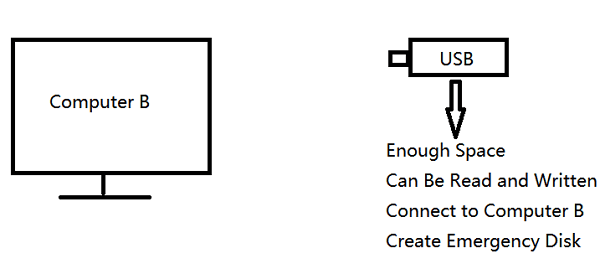
Step 2. Launch and install Qiling Backup on the Computer B.
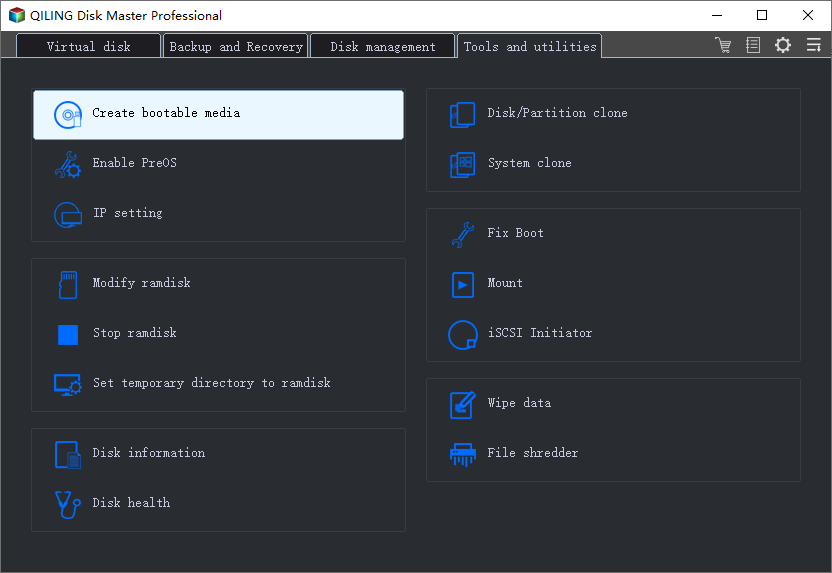
Step 3. Find and click "Tools" and choose "Create bootable Disk".
Step 4. To begin, select the desired location for the boot disk, which can be created as an ISO file, a bootable USB drive, or a CD/DVD disc.
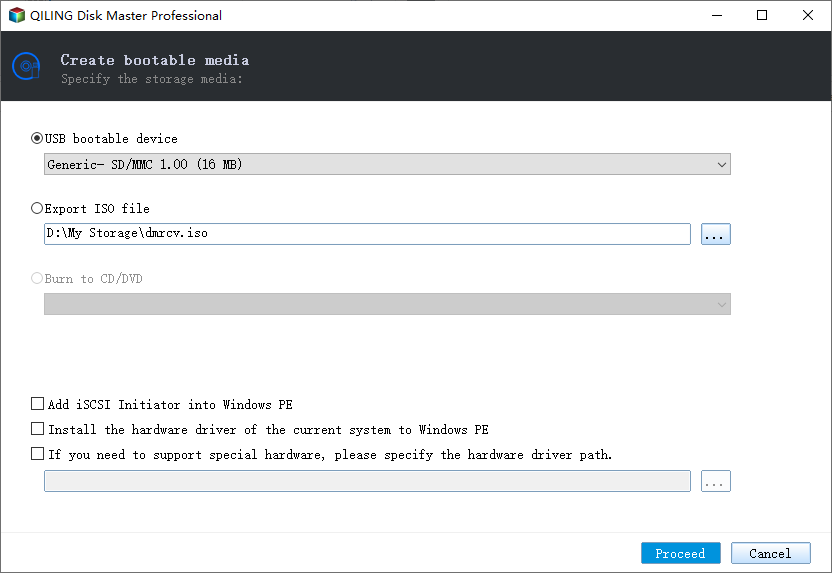
Step 5. Then click "Proceed" to start.
Why Windows 10 keeps Freezing on Startup
Windows 10 keeps freezing on startup due to various reasons such as outdated drivers, corrupted system files, malware infections, and hardware issues. To troubleshoot, check for driver updates, run a System File Checker, and use antivirus software to scan for malware. Additionally, consider running a startup repair, checking for disk errors, and updating Windows 10 to the latest version.
- System File Damage: Windows system files are essential for a smooth Windows 10 operation. However, these files can become damaged or deleted due to factors like virus infections, power outages, or sudden shutdowns. When Windows system files are corrupted, Windows 10 may freeze on startup, among other issues.
- Low Disk Space: A computer with low disk space can become slow and freeze frequently, hindering its smooth operation.
- Insufficient RAM: Insufficient RAM can cause Windows 10 to freeze on startup due to the need to use slower virtual memory when the computer is short of RAM.
- Outdated Drivers or BIOS: Outdated or corrupted drivers and BIOS could make Windows 10 stuck on the startup screen, as they may cause improper communication between Windows 10 and hardware devices.
[Troubleshooting] Windows 10 keeps Freezing on Startup
If Windows 10 keeps freezing on startup, you need to take measures to fix it. Here we've listed the top five solutions for you. You may not have to try them all; work your way down the list until Windows 10 stops freezing on startup.
Fix 1: Perform an SFC (System File Checker) Scan
The System File Checker (SFC) is a Windows utility that scans and repairs corrupted system files. To run an SFC scan, follow these steps:
Step 1: To run Command Prompt as an administrator in Windows 10, type Command Prompt in the search box, right-click on the result, and select Run as administrator.
Step 2: Enter the command `sfc /scannow` in the Command Prompt window, and press Enter. This will initiate a system file check and repair any corrupted system files.
Step 3: The SFC scan will start now and may take some time to complete. After it's finished, restart your computer to see if the Windows 10 freezing on startup issue has been resolved.
Fix 2: Clean PC Storage Space
Low disk space can also cause Windows 10 to freeze on startup. To resolve this, clean up storage space by following these steps:
Step 1: To run Disk Cleanup, type Disk Cleanup in the Windows 10 search box and select the program from the list of results.
Step 2: In the Disk Cleanup window, select the type of files that you want to delete and click OK.
Step 3: To free up space on your Windows 10 computer, click on the "Delete Files" option in the confirmation window that appears after selecting the files you want to remove. This will initiate the cleaning process, helping to declutter your storage space.
If Windows 10 is freezing on startup, try booting your computer in safe mode, disable any recently installed software, and check for driver updates. If the issue persists, restart your computer and see if Windows 10 freezes on startup is fixed.
Fix 3: Test RAM with Windows Memory Diagnostic Tool
To check if your computer has enough RAM, you can use the built-in Windows Memory Diagnostic tool. This tool can help identify if your computer is short of RAM, which could be causing Windows 10 to freeze. To run the tool, go to Start, type "Windows Memory Diagnostic" in the search bar, and select the result. Then, follow the prompts to run the tool.
Step 1: To run the Windows Memory Diagnostic, type "Memory" in the Windows 10 search box and select "Windows Memory Diagnostic" from the list of results.
Step 2: The Windows Memory Diagnostic tool can be accessed by selecting the Restart now and check for problems (Recommended) option in the Windows Memory Diagnostic window. This will restart the computer and run a diagnostic test on the system's memory.
Step 3: Your computer will restart and start testing RAM automatically, which may take some time to complete.
Fix 4. Update All Drivers
Outdated drivers can cause Windows 10 to freeze on startup. To resolve this issue, update your drivers by following these steps:
Step 1: To access the Device Manager in Windows 10, open the search box, type "Device Manager", and select it from the list of search results.
Step 2: In the Device Manager window, expand the device category you want to update the driver for.
Step 3: To update the driver software for a device, right-click on the device and select Update Driver Software from the drop-down menu.
Step 4: Select Search automatically for updated driver software in the next window to let Windows 10 download and install the latest drivers automatically.
Fix 5. Reinstall Windows Operating System
If all four solutions fail to fix Windows 10 freezing on startup, you may need to reinstall Windows, but first, back up your important files and data to avoid losing them.
Using Qiling Backup Home, you can create a system image, back up disk, file & folder, partition, etc. and set up a scheduled backup plan to run automatically, allowing you to troubleshoot Windows 10 freezing on startup without losing data.
These are the top five solutions to Windows 10 keeps freezing on startup. Hope they're helpful to you.
Bonus: How to Prevent Windows 10 from Freezing on Startup
To prevent Windows 10 from freezing on startup, try running a System File Checker scan, disable any recently installed drivers, and check for corrupted system files. You can also try booting in Safe Mode to identify the problematic software or driver. Additionally, disable any startup programs that may be causing the issue, and consider running a full disk cleanup and disk defragmentation.
- Regularly run antivirus software and delete unwanted files to keep your computer clean.
- To free up storage space, consider uninstalling unused programs and deleting temporary files. This can help declutter your device and make it run more smoothly.
- Check for windows updates and install them regularly to keep your system running smoothly.
- Avoid overloading your computer by not running too many programs simultaneously, which can cause it to work excessively and potentially lead to performance issues.
By following these tips, you can prevent Windows 10 from freezing on startup and keep your PC in good condition. These tips include running a virus scan, checking for disk errors, disabling startup programs, and updating Windows 10 to the latest version.
You may also be interested:
FAQ on Windows 10 Keeps Freezing on Startup
How do I stop Windows 10 from freezing on startup?
To troubleshoot the problem, you can try running an SFC scan, cleaning computer storage space, testing RAM, updating drivers, or even reinstalling the operating system.
Why does my PC keep freezing on startup?
Windows 10 keeps freezing on startup due to various reasons like outdated drivers, insufficient storage space, and corrupted system files. Solutions can be found in the article to resolve this issue.
Related Articles
- Step-by-step Guide: How to Back Up PC to WD My Cloud Home
- How to Fix Windows 10 System Restore Stuck (100% Works)
- Best HDD for Backup in 2022 [Most Comprehensive Guide]
- Comprehensive Tips: Keep Your Data Backup Safe
- How to Move/Migrate Sage 50 Accounting Software to New Server
View two effective solutions to move Sage 50 to a new server. Check this in-depth tutorial right now! - Move Windows 11/10 Installed Apps & Programs to Other Drive
This tutorial shows you how to move Windows 11/10 installed apps and programs from the C drive to another drive in just 2 simple steps. Follow these steps to migrate your Windows 11/10 C drive installed apps, software, or programs to a new drive on your own.
Products
Articles & Tutorials
- Data Recovery
- Data Backup
- File Recovery
- File Backup
- System Backup and Restore
- Disk and Partition Clone
- Technical articles
- Mobile articles
- Disk Master Help
- Windows Data Recovery Tutorials
- Windows Secure Delete Tutorials
- Windows Partition Management Tutorials
- Windows File Backup and Restore Tutorials
- Windows System Backup and Restore Tutorials
- Windows Disk Backup and Restore Tutorials
- Windows Clone Tutorials