How to Install Windows on Steam Deck in 2026? Complete Guide
If you're looking to install Windows 10/11 on your Steam Deck, Qiling Software can help. They provide a comprehensive guide on how to install Windows on your Steam Deck, either on an SD card or SSD, with a step-by-step tutorial and troubleshooting options included. This guide provides you a detailed understanding of installing Windows OS on your Steam Deck, making it easy to get started.
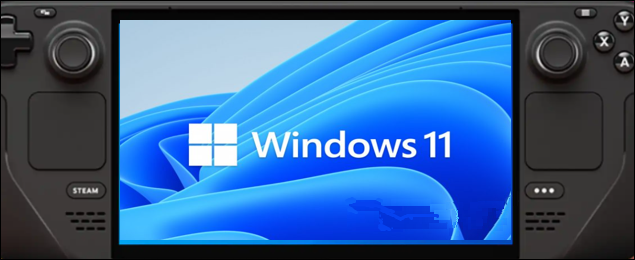
View the Necessary Information to Install Windows on Steam Deck:
| ⏱️Duration | You're saying that depending on the situation, at least an hour or more is required to complete the task. Is that correct? |
| 🧑💻Use for | Install Windows 10/11 on Steam Deck |
| ✍️Required Tools | SD card, USB drive, Windows computer, Windows license... |
| ✂️Step-by-step guide |
1️⃣Stage 1. Download the Windows ISO File 2️⃣Stage 2. Install Windows on the SD Card 3️⃣Stage 3. Download the Steam Deck Driver on Windows |
Can I Install Windows on Steam Deck?
Users have been able to run Windows 11 and Windows 10 on the Steam Deck with the official Vale drivers, although some have sought help on the forums.
The user was able to successfully install Windows on their Steam Deck, making it possible to use the device as a laptop replacement and dual-boot between Windows and SteamOS.
If you're unsure about the process, don't worry - just follow this page to learn how to install Windows on your Steam Deck onto an internal solid-state drive (SSD) and microSD card. This guide is designed to help you through the process, and if you find it helpful, please share it with others by clicking the button below.
What Do I Need Before Install Windows on Steam Deck?
Windows isn't perfect on Steam Deck, and Valve's support team won't cover these issues. To be 100% successful when installing, we need to make a few preparations before we can officially begin the complex process.
- Windows license and Windows PC
- To use the Raspberry Pi, you will need a micro SD card of 32GB or more and an SD card reader. This will allow you to load the operating system and software onto the device.
- Wired keyboard and mouse (optional)
- If you have a USB-A docking station with a card reader allows you to install Windows on an SSD.
- To replace SteamOS with Windows, you'll need a separate USB drive larger than 16GB.
Once you've done the above, you can proceed to install Windows on your Steam Deck.
How to Prepare the Steam Deck SD Card to Install Windows
To prepare your SD card for installing Windows 10/11 on Steam, you need to format it to the correct file format, specifically NTFS, if you plan to only install Windows on your Steam Deck. This step must be completed on your Windows device.
If you're unsure how to format your SD card, we recommend using Qiling Disk Master Professional, which allows you to quickly format your SD card into NTFS from any other file format, even if you're new to computers.
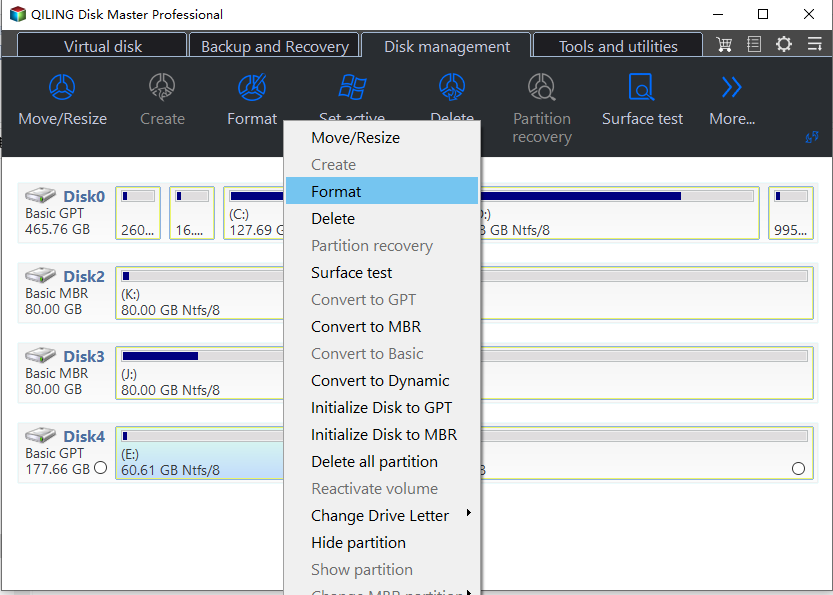
Step 1. Launch Qiling Disk Master, right-click the partition on your external hard drive/USB/SD card which you want to format and choose the "Format" option.
Step 2. Assign a new partition label, file system (NTFS, FAT32, EXT2, EXT3, EXT4, exFAT), and cluster size to the selected partition.
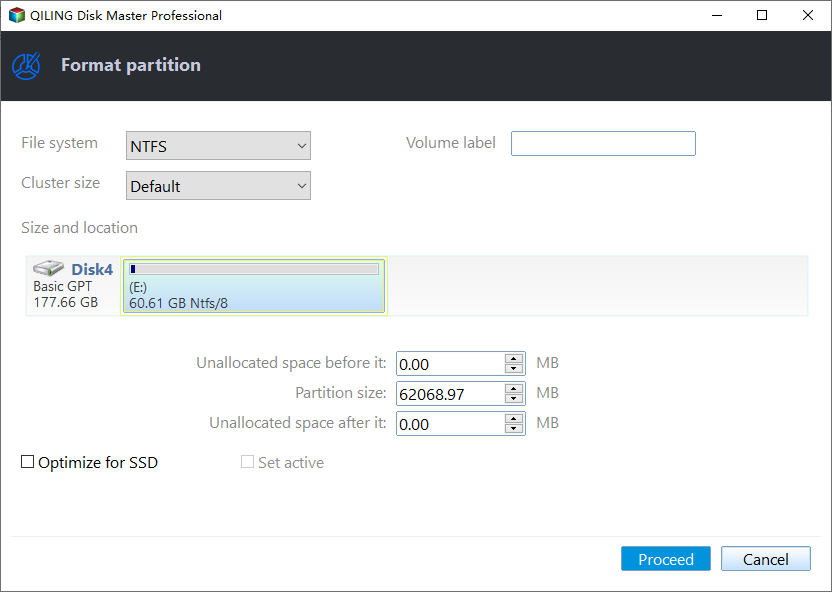
Step 3. To start formatting your external hard drive, USB, or SD card, click the "Proceed" button. This will initiate the formatting process, which will erase all data on the selected device.
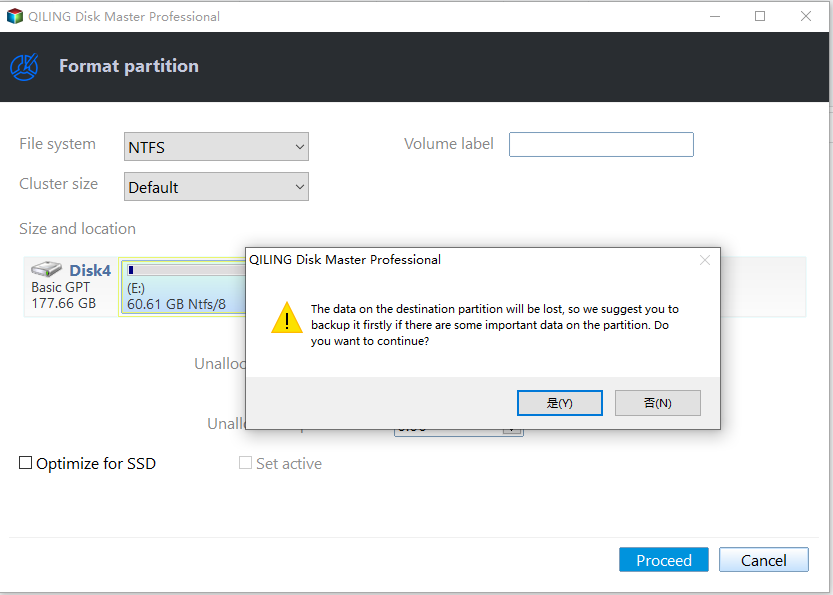
Step 4. In the Warning window, click "Yes" to continue.
How to Install Windows on Steam Deck - 3 Efficient Ways
There are three scenarios for installing Windows on Steam Deck:
- To install Windows on your Steam Deck on the microSD card and dual boot the system, this scenario does not affect SteamOS installation.
- This guide shows how to completely erase the internal SSD of the Steam Deck and install Windows on it, effectively replacing the original Steam OS. Note that this process will delete all data on the device, including games and settings, and is not reversible. Proceed with caution.
- If you want to install Windows 11 and SteamOS on the same partition, you can shrink the partition of the SteamOS SSD and install Windows along with SteamOS, but this option may be more of a hassle.
We'll provide comprehensive guidance for whichever option you choose. We recommend installing Windows externally on the microSD card, allowing for a dual-boot setup with Windows 11 and SteamOS.
Method 1. Install Windows on Steam Deck on SD Card
Installing Windows on the SD card may result in bad performance, but it's a good way to try out Windows on the Steam Deck before deciding to install it on your main system, allowing you to experience the five stages of the process.
Stage 1. Download the Windows ISO File
To install Windows, download the ISO files from Microsoft's Windows installation media download page, selecting the version you need, whether it's Windows 11 or 10, and the installation process remains the same for both.
Download link:
- For Windows 11: https://www.microsoft.com/software-download/windows11
- For Windows 10: https://www.microsoft.com/en-hk/software-download/windows10
Step 1. Click the "Download Now" button next to the option to Create Windows 11 Installation Media.
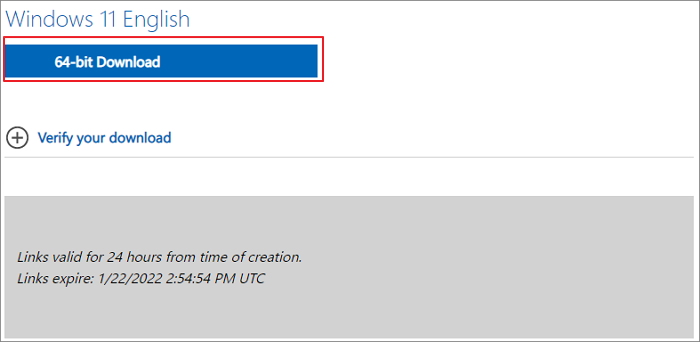
Step 2. Download the media creation tool and accept the license terms.
Step 3. Select the "ISO File" option and choose where to save it.
Stage 2. Install Windows on the SD Card
Once you have downloaded the ISO file, you can use a tool like Rufus to create a bootable USB flash or SD card drive.
Download link: https://rufus.ie/
Step 1. Download the Rufus executable and run it.
Step 2. With Rufus open, select the microSD card as the target device, then choose "Disk or ISO Image" under the Boot Selection button, and finally select and open the Windows ISO file to begin the installation process.
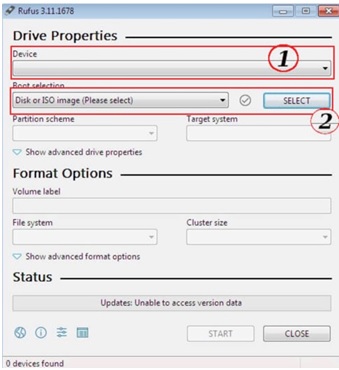
Step 3. To enable Windows To Go, select the "Image Options" option and choose the "Windows To Go" option from the list.
Step 4. In the new dialog window, select the version of Windows you want to install.
Step 5. To launch all options, you can select the first box and leave the second box unchecked, allowing you to use a Microsoft account.
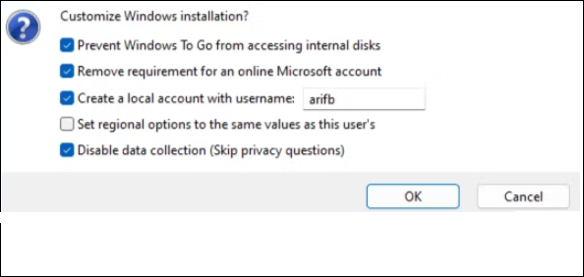
Step 6. Click OK to start the installation process.
Stage 3. Download the Steam Deck Driver on Windows
To use the Steam Deck on Windows, you'll need to install the Steam Deck drivers, as Windows lacks native drivers for Wi-Fi, audio, and other key components that the Steam Deck relies on.
Step 1. Go to the Valve website and download all the drivers.
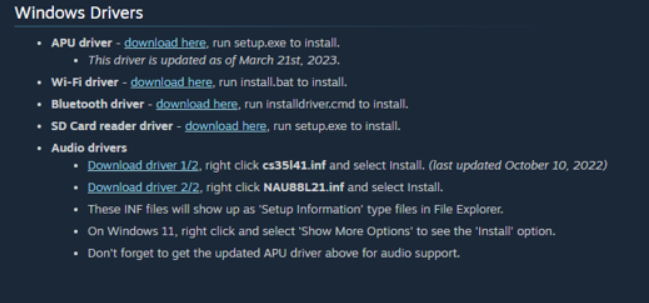
Step 2. Extract all the drivers after downloading them.
Step 3. Create a new folder on your desktop named "Steam Deck Drivers" and store all the extracted drivers within this folder.
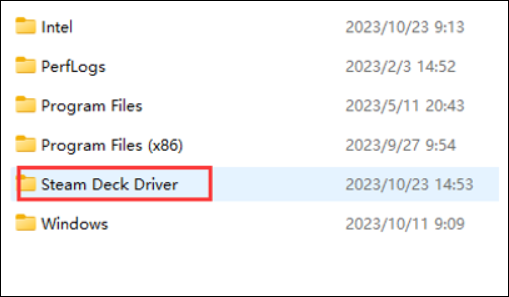
Step 4. Paste the Steam Deck Drivers folder into the microSD card you created earlier.
Stage 4. Install Windows on Steam Deck
Once you have completed all the previous preparations, you can successfully install Windows on Steam Deck. To do this, first boot Steam Deck from the SD card.
Step 1. Connect the SD card to Steam Deck correctly.
Related Reading: SD Card Not Showing Up on Steam Deck
Step 2. Press and hold the Volume Down and Power buttons on the Steam Deck, then release both buttons when you hear a sound.
Step 3. To access the Steam Deck Boot Manager, turn on the Steam Deck and immediately hold down the power button for 10 seconds. This will reboot the device and open the Boot Manager.
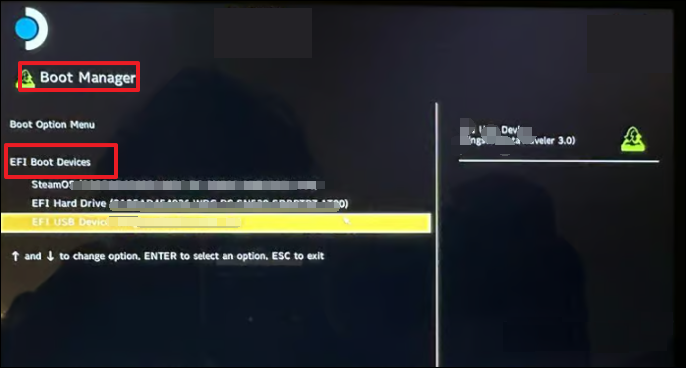
Step 4. To reboot the Steam Deck from the microSD card, turn the Steam Deck vertically.
Step 5. Follow the on-screen instructions to install Windows.
- Notice:
- If you're using your Steam Deck without an external monitor, the screen will be in portrait mode. If your touchscreen isn't responding or you're experiencing issues, plug it into a USB-C dock and use an external keyboard and mouse instead.
Step 6. Once the installation begins, select the desired options. A Wi-Fi connection is not recommended due to slow Wi-Fi speeds until the official drivers are installed. Click the "I don't have Internet" button in the Connect You to a Network dialog box.
Step 7. Click the "Continue Limited Installation" button and start Windows for the first time.
Step 8. To change the screen orientation to landscape on a desktop, go to Display Settings, then Scale and Layout, and finally select Display Orientation.
Stage 5. Install the Necessary Drivers
After entering the Windows desktop, proceed to allow Windows to successfully install the necessary Windows drivers.
Step 1. Double-click the inserted microSD card and navigate to the Steam Deck Drivers folder.
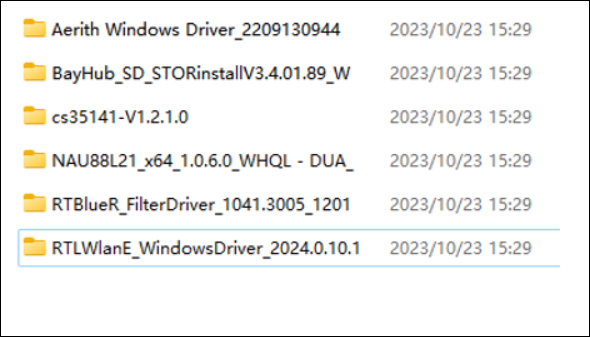
Step 2. Open a different folder to install the drivers:
- To install the APU driver, select the first folder, Aerith Windows Driver, which contains the necessary files for the installation process.
- Select "BayHub_SD_STOR_install" to install the driver for SD card storage.
To install both drivers, locate the "Setup" executable files (EXE) and double-click on them.
- Right-Click on the "cs35I41" file and select "Install" to install the first audio driver.
- Right-Click on the "NAU88L21" file to install the second audio driver.
Installing the audio drivers will help you avoid the common problem of no audio on TVs running Steam Decks for Windows.
- Click on the RTBlueR_FilterDriver file to install the Bluetooth driver: run the installdriver.cmd file.
- Click on RTLWlanE_WindowsDriver to install the Wi-Fi driver: run installer.bat
To run Windows on Steam Deck's microSD card successfully, follow these steps: insert a microSD card into the Steam Deck, download and install the Windows on SteamOS guide, enable developer mode and install the Windows on SteamOS package, download the Windows 10 ISO file, create a bootable microSD card, and configure the Steam Deck to boot from the microSD card. By following these steps, you should be able to run Windows on your Steam Deck's microSD card without any issues.
Method 2. Install Windows on the Steam Deck's Internal SSD
To install Windows on the Steam Deck's internal SSD, you'll need to back up important data first, as the process will erase all data on the internal drive. The steps are similar to the SD card method, but the Rufus setup differs.
Stage 1. Download Windows Installation Media
Refer to Method 1 for Stage 1.
Stage 2. Create Bootable Installation Media
The fastest way to create Windows bootable installation media is to burn Windows ISO files to a USB drive using a professional tool. Qiling Disk Master, a convenient and professional ISO Burner, allows you to burn Windows 11/10 to a USB or CD and install Windows from it.
You can download the tool for free and follow the simple steps to create bootable installation media. The tool's user-friendly interface makes it easy to operate, so you don't need to worry about its complexity.
Step 1. Launch Qiling Disk Master, go to the Bootable Media section, and click "Create bootable media".
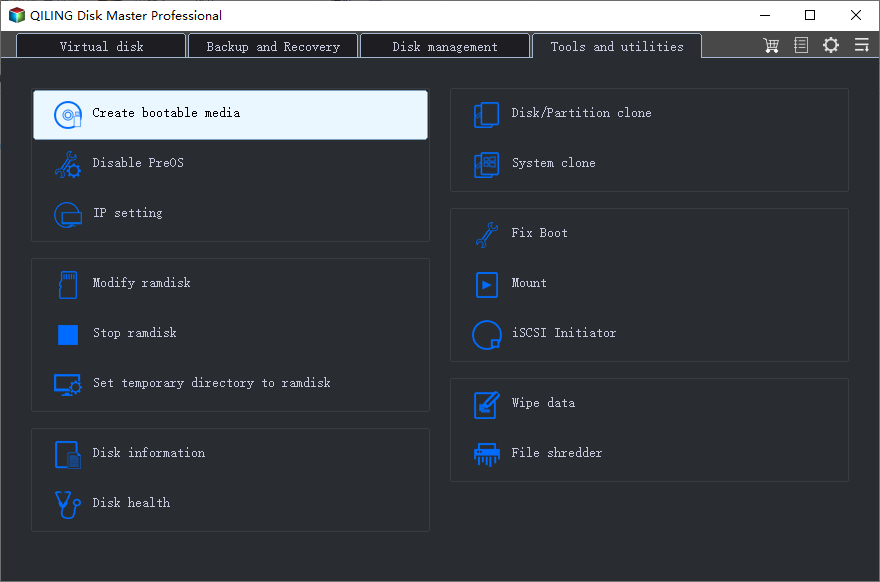
Step 2. Select the target USB as destination.
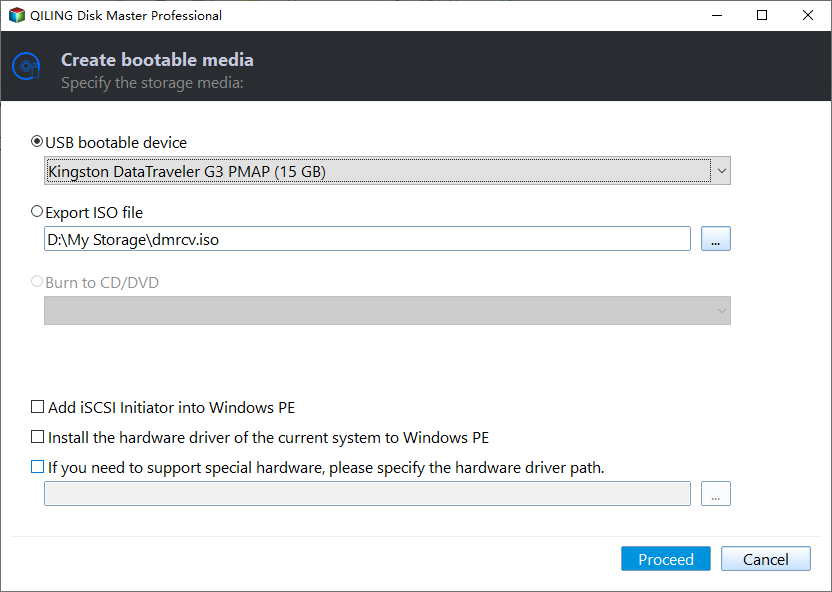
Step 3. Click "Proceed" to execute the operation.
The create bootable installation media feature in Qiling Disk Master allows for the installation of Windows under various conditions, making it a useful tool. This feature can help users install Windows in situations where a traditional installation is not possible.
To boot Steam Deck from a USB drive and install Windows, follow these steps: First, ensure that your Steam Deck is set to boot from a USB drive in the BIOS settings. Next, plug in the USB drive containing the Windows installation files and boot your Steam Deck from it. Then, follow the on-screen instructions to install Windows on your Steam Deck.
Now, follow the previous steps to access Steam Deck Boot Manager and install Windows:
Step 1. Select the USB drive you created in the list of boot options.
Step 2. To install Windows, select Install Now and enter the Windows product key and the version of Windows for which you have a license. This will initiate the installation process and guide you through the necessary steps to complete the installation.
Step 3. Agree to the terms and select Install Windows only.
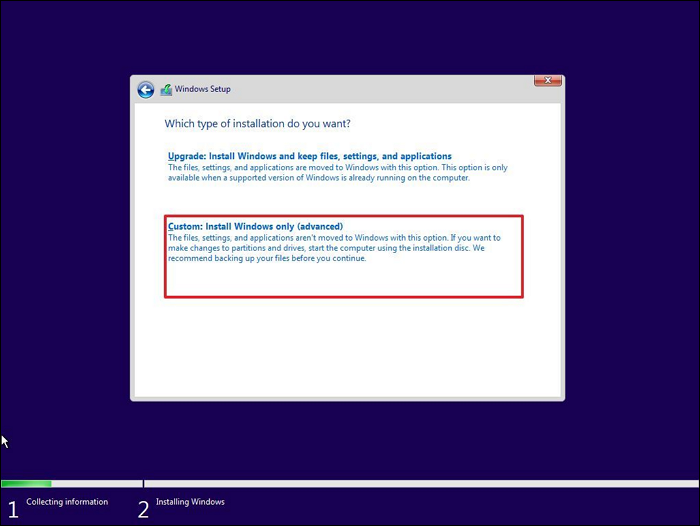
Step 4. Delete all partitions and create a new one.
Step 5. To install Windows, follow the on-screen steps and sign in with your Microsoft account.
Complete Guide: Install Windows 10 from USB
Stage 4. Install the Steam Deck Driver
Refer to Stage 5 of Stage 5.
After installing the necessary drivers, your Steam Deck will be fully functional on Windows, utilizing its internal SSD for storage.
Method 3. Dual Boot Windows 11 and SteamOS
If you want to dual-On a 256GB or 512GB Steam Deck, you can partition the SSD to run two operating systems on Steam, provided you have enough storage space. If your Steam Deck has less storage, you may need to add more storage to accommodate both systems.
Stage 1. Prepare the Necessary Tools
- Two flash drives
- Additional tools such as G-Parted and Rufus.
- Windows PC
- A Steam Deck dock for easy insertion of these drives.
Stage 2. Prepare the USB Drives
Step 1. Login to Rufus and select your connected USB drive under Devices.
Step 2. Select gparted-live under Startup Options.
Step 3. Wait for the drive to complete.
Stage 3. Launch Steam Deck And Go to the Boot Menu
To access the boot menu on the SteamDeck, insert the USB drive, press and hold the power and volume buttons simultaneously, and rotate the screen if necessary. An external keyboard and mouse may also be required during this step.
Step 1. Select the flash drive you created
Step 2. Press A four times repeatedly.
Step 3. Select Internal Drive from the drop-down menu in the upper right corner.
Step 4. Select the home partition of ext4 home and resize it.
Step 5. If the space is unallocated, click on it and select "Partition" from the options.
Step 6. Create a new partition and set it to not NTFS format.
Step 7. Save and exit.
Stage 4. Download the Windows ISO File
Refer to Method 1 of Stage 1.
Stage 5. Create Windows Bootable Installation Media
Create bootable installation media by referring to Stage 3 of Option 2. Qiling Disk Master provides the Burn ISO function to burn the ISO file to USB, which is faster and safer. This helps you to successfully burn the ISO file.
If you are used to using Rufus, please refer to the following steps.
Step 1. To create a bootable USB drive using Rufus, select the USB drive as the target device in the software. This will allow you to configure the drive to boot from it.
Step 2. To start the installation process, select "Disk or ISO Image" from the "Startup Selection" button and open the Windows ISO file.
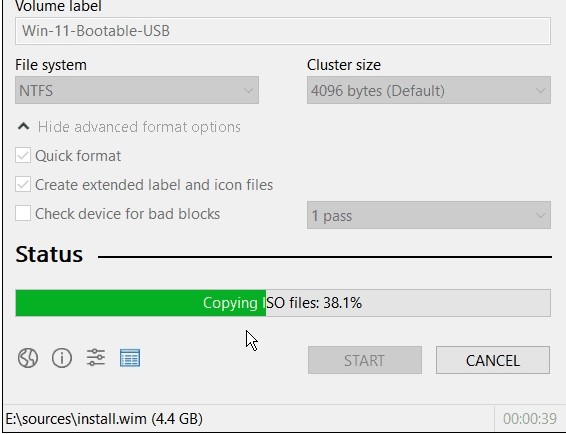
Step 3. Select the "Standard Windows Installation" option, rename the USB flash drive, and then click on the "START" button.
Step 4. Select the Windows version and enable the check box.
Step 5. Select the Local Account checkbox to remove the requirement for an online Microsoft account.
Step 6. Wait for the process to complete.
Read Also: Can't Burn ISO File to USB on Windows
Stage 6. Boot the Steam Deck from the USB and install Windows.
Refer to Method 2, Stage 3
Stage 7. Download and install the Steam Deck drivers
Please refer to Method 1, Stage 3, and Stage 5.
Bonus Tip: Troubleshooting Can't Install Windows on Steam Deck
If you're experiencing issues or error messages when installing or using Windows on your Steam Deck, it's likely due to a compatibility problem or a misconfiguration. To troubleshoot, try updating your SteamOS to the latest version, ensuring your Steam Deck is fully updated, and checking for any pending updates within the Windows installation. You can also try reinstalling Windows on your Steam Deck, which may resolve any issues caused by a corrupted installation.
We have briefly summarized some possible solutions. Take a look:
If you're trying to install Windows on a device with a partition formatted in the Steam Deck format, it may not work because this format is not compatible with Windows. To resolve this, use Qiling Disk Master to format the USB drive to NTFS.
Some users have found that formatting a USB flash drive as Master Boot Record (MBR) instead of GUID Partition Table (GPT) can resolve issues where Windows won't install on Steam Deck, possibly due to incorrect partition formatting.
If you're unable to create bootable installation media, your Windows 11 installation may fail. If you're not familiar with Rufus, you can use the Windows 11 Media Creation Tool or Qiling Disk Master to install a Windows ISO file to a USB drive instead.
To improve gaming performance on Windows, consider using a portable SSD instead of a microSD card, as some users have reported issues with the latter.
Conclusion
You can successfully install Windows on your Steam Deck by following the scenario provided, which allows your Steam Deck to act as a portable Windows PC. To ensure compatibility, you can install Windows on an SD card or an internal SSD formatted to NTFS. Additionally, this tool can also be used to create bootable installation media.
FAQs About Install Windows on Steam Deck
This section also summarizes more questions about installing Windows on Steam Deck. If you're wondering about installing Windows on your Steam Deck, please read on to find the answers to your questions.
1. Can I dual-boot Windows on Steam Deck?
Of course, you can dual-The Steam Deck allows users to boot Windows in addition to its native Linux operating system, and it fully supports dual boot functionality, enabling users to switch between the two operating systems.
To install two systems on Steam Deck, you need to install SteamOS as the pre-installed system and then burn Windows using Qiling Disk Master to install the second operating system.
2. Can I install Windows on Steam Deck without USB?
You can install Windows without a USB drive, but you'll still need a drive to burn Windows and install it. If you don't have a USB drive, you can install Windows on an SD card, which is a viable option, especially if you have a device like the Steam Deck that has a dedicated microSD card slot.
3. How to install Windows on Steam Deck on an SD card?
To dual-boot Windows 11 and SteamOS on Steam Deck, refer to the solution provided in this article, which utilizes a microSD card. The solution allows users to have both operating systems on their device.
Step 1. Download the corresponding ISO file on Windows and burn it to the SD card using a burning utility.
Step 2. Download the Steam Deck driver on Windows.
Step 3. Install the SD card on the Steam Deck and reboot.
Step 4. Follow the on-screen instructions to install Windows.
Related Articles
- How to Install Windows 10 on Raspberry Pi 4 [Step-by-Step]
- How to Repair C Drive [5 Proven Ways]
- 3TB Hard Drive Only Shows 2TB - How to Break 2TB Limit and Format 3TB HDD Windows 11/10
- Tutorial: Check Disk Space on Windows 10 Using CMD 2023
- How Do I Install APK on Windows 11, Sideload Android Apps Successfully [2023 Guide]
Windows 11 has confirmed to support running Android apps, and users can now install APKs and run their favorite Android apps through the Microsoft Store. To install APKs and sideload Android apps on Windows 11, follow this guide, which provides a step-by-step guide suitable for all levels of users. - How to Install Windows 11 from USB Step by Step
Installing Windows 11 from USB is possible in various ways. You can install it from a bootable USB drive or use the Windows Media Creation tool to do so. Additionally, you can install Windows 11 on a new PC by directly migrating the OS to a Hard Disk Drive (HDD) or Solid-State Drive (SSD).
Products
Articles & Tutorials
- Data Recovery
- Data Backup
- File Recovery
- File Backup
- System Backup and Restore
- Disk and Partition Clone
- Technical articles
- Mobile articles
- Disk Master Help
- Windows Data Recovery Tutorials
- Windows Secure Delete Tutorials
- Windows Partition Management Tutorials
- Windows File Backup and Restore Tutorials
- Windows System Backup and Restore Tutorials
- Windows Disk Backup and Restore Tutorials
- Windows Clone Tutorials