How to Fix Windows 11 Blue Screen
When the operating system encounters an unexpected crash, the computer screen turns blue to protect files, also known as the How Do I Fix Windows 10 BSOD: Blue Screen of Death Error? Here Is The Guide (BSOD). This error often occurs after launching the new version of Windows 11.
This article provides a guide on how to fix Windows 11 blue screen issues, including the underlying causes to help users better understand the problem. By following the steps outlined in this article, users can troubleshoot and resolve the blue screen of death (BSoD) error in Windows 11.
View the Necessary Information to Fix the Blue Screen Windows 11 Error:
| ⏱️Duration | 2-8minutes (depending on your solution) |
| ⛑️Preparation | Bootable disk, Windows 11 PC |
| ⛏️Required Tool | Qiling Disk Master |
| 🏵️Causes |
✔️Incompatibility ✔️Hardware failure ✔️Driver issues ✔️System file error ✔️Malware attack ✔️Corrupted system files |
| ✍️Solutions |
Fix 1. Remove Unnecessary Devices Fix 2. Run Windows Memory Diagnostic Tool Fix 3. Check Hard Drive for Errors Fix 6. Uninstall Third-Party Software Fix 7. Uninstall Recent Updates Fix 8. Scan Your Computer for Viruses or Malware |
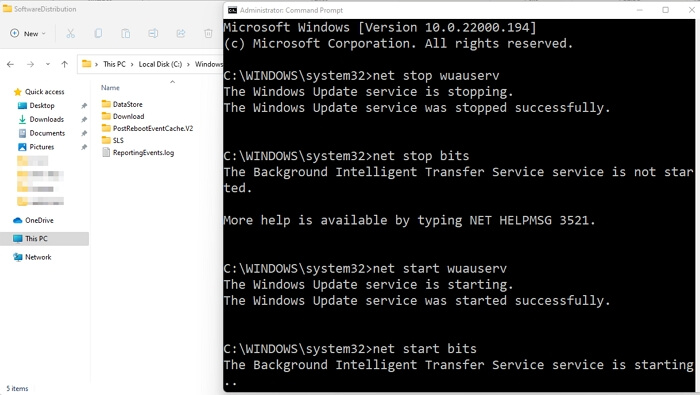
To fix Windows 11 update stuck at 100%, try restarting your computer, checking for corrupted system files, and running the System File Checker (SFC) tool. If the issue persists, disable any recently installed drivers, update your BIOS, and try running the update again.
The Windows 11 update downloading process may get stuck at 100% when upgrading to Windows 11, but there are quick solutions to fix the issue. This guide provides efficient methods to resolve the Windows 11 stuck at 100% error and get your upgrade back on track.
How to Fix Windows 11 Blue Screen Error
If you're experiencing a blue screen problem, there are several methods you can try to fix the issue. First, ensure that your system is up-to-date by running Windows Update. Next, check for any hardware conflicts by running the System Information tool.
Fix 1. Remove Unnecessary Devices
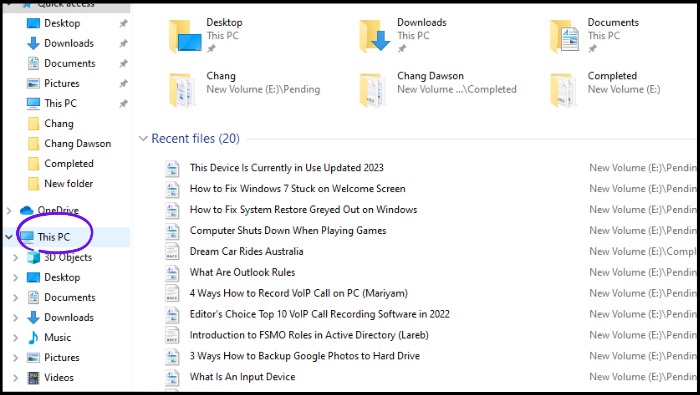
Remove all external devices or hardware connected to your computer, restart, and check if it's working. You can use File Explorer to verify.
Step 1: To open File Explorer, launch the application and click on "This PC" in the left-side menu, which will open it.
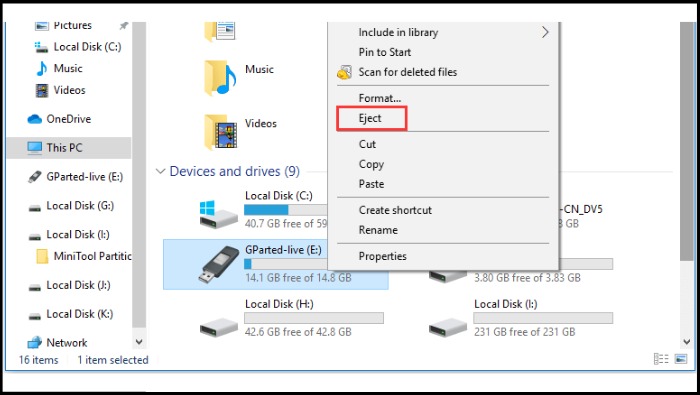
Step 2: Right-click on the USB device that needs to be ejected, and select "Eject" from the menu to safely remove it.
Fix 2. Run Windows Memory Diagnostic Tool
You can diagnose a potentially corrupted RAM by running the Windows Memory Diagnostic tool, which can help identify if the issue is with the RAM before replacing it.
Step 1: Launch the Search.
Step 2: To open the tool, type "Windows Memory Diagnostic" and press Enter.
Step 3. Choose Restart now and look for issues(recommended).
Step 4: If the diagnostic test indicates that the issue is with your memory, you must replace your RAM.
To view the most recent Memory Diagnostic file, open Event Viewer, click on Windows Logs, and then select System.
Fix 3. Check Hard Drive for Errors
The error might occur due to a hard drive issue, which can be resolved using the Qiling Disk Master software, a powerful tool that can scan and repair hard drive errors without requiring expert skills.
To check hard drive errors using Qiling Disk Master, download and follow these steps:
Step 1. Right-click the target partition that has a problem.
Step 2. Choose "Advanced" > "Check File System".
Step 3. Confirm if you want to hide the partition or not.
Step 4. Check the "Fix the error on the disk" option in the Check File System window.
Step 5. Click "Proceed" to check errors on your partition.
You can use the Disk Surface Test feature to check for bad sectors and fix corrupted file systems.
Fix 4. Update System Drivers
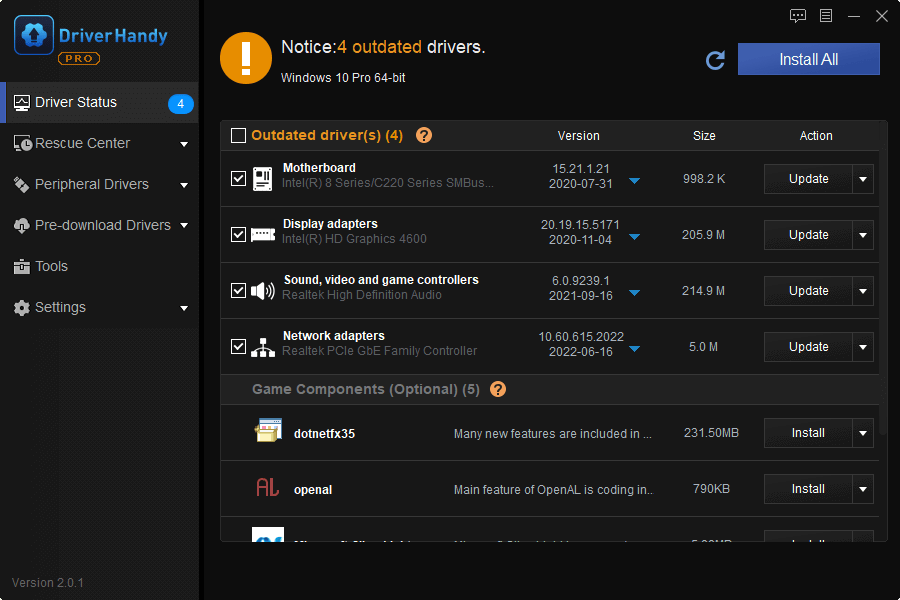
Updating system drivers can help resolve BSOD issues and ensure system stability, but manual updating is time-consuming and complicated. A driver update software like Qiling DriverHandy can automatically analyze and update drivers, saving time and effort.
To update system drives, download the tool and follow the provided steps. This will ensure that your system drives are up-to-date and running smoothly.
Step 1. Launch Qiling DriverHandy and click the "Scan" button.
Step 2. To update drivers, select the desired drivers from the list, and click "Install All" in the upper right corner or click "Update" on the right side for individual drivers such as the Motherboard, Sound, or Graphics drivers.
Fix 5. Rebuild MBR
The Master Boot Record (MBR) is a crucial part of the computer's boot sector that serves as a partition table, organizing and verifying partitions on hard disks. If the MBR becomes corrupted, damaged, or lost, the system will be unable to boot the operating system. In such cases, you can attempt to rebuild the MBR using Qiling Disk Master.
You can easily repair the Master Boot Record (MBR) with Qiling partition software, requiring just a few clicks to get the job done.
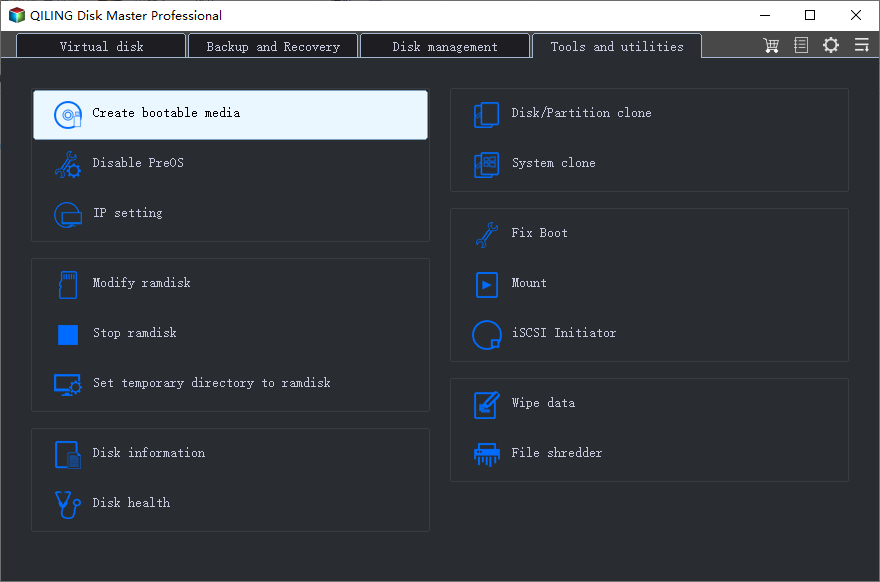
Step 1. Create a WinPE bootable disk
- Launch Qiling Disk Master, click on the "Tools and utilities" tab, and then select the "Create bootable media" option.
- Click "Proceed" to finish the process.
Step 2. Boot Qiling Disk Master Bootable USB
- Connect the bootable USB or CD/DVD to your PC.
- To enter the BIOS screen, press F2 or Del when restarting the computer. Set the computer to boot from "Removable Devices" or "CD-ROM Drive", and Qiling Disk Master will run automatically.
Step 3. Rebuild MBR
- Right-Click the disk and the type of MBR, then choose "Advanced" -> "Rebuild MBR".
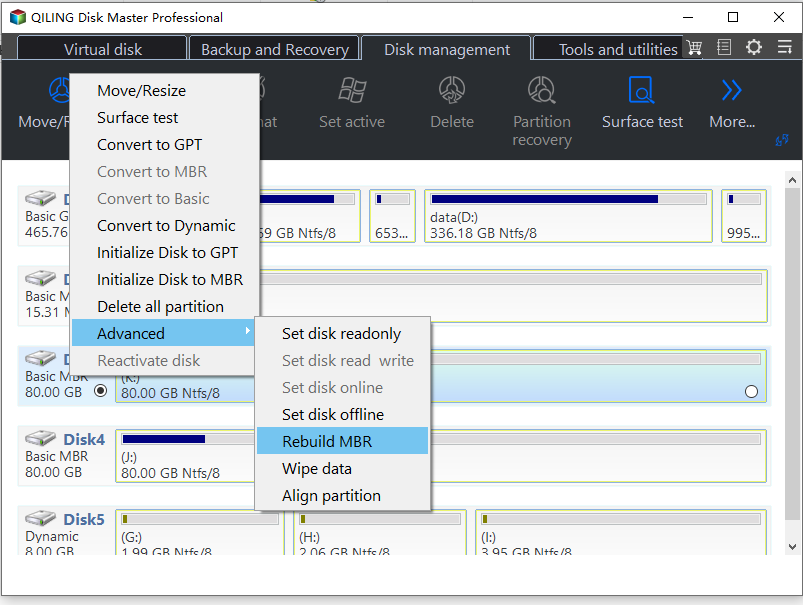
- Select the type of MBR. Then, click "Proceed".
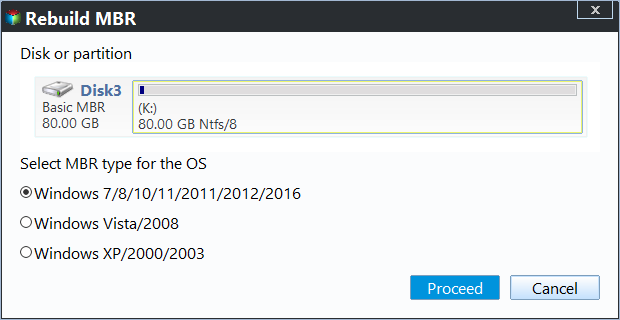
- After that, you can see "MBR has been successfully rebuilt on Disk X".
Fix 6. Uninstall Third-Party Software
If the Windows 11 blue screen error is caused by third-party software, you can resolve the issue by uninstalling the problematic programs. To do this, follow the steps to identify and remove the software that's causing the error.
Step 1: To open settings, click "Start" and select "Settings" or press "Windows + I" on your keyboard.
Step 2: On the left side panel, click Apps.
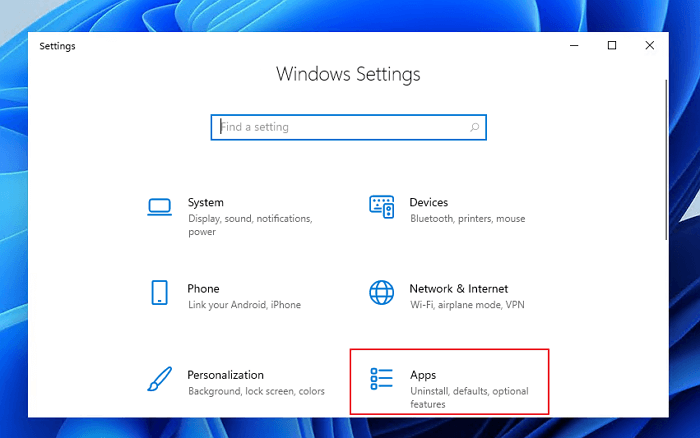
Step 3: Click the first option Apps & features.
Step 4: Browse the list of installed software on your computer, and select the third-party software that might cause the issue, then uninstall it.
Step 5: To uninstall the software, click the three-dot icon located at the top right corner of the software and select Uninstall from the dropdown menu.
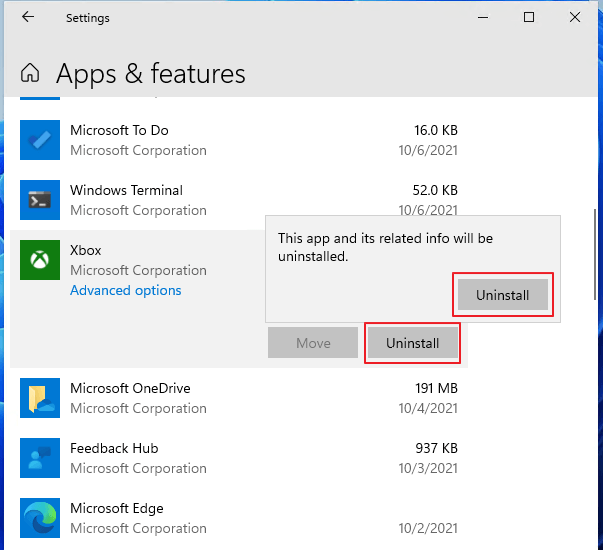
Step 6: Wait until the uninstall process is over, then restart your computer.
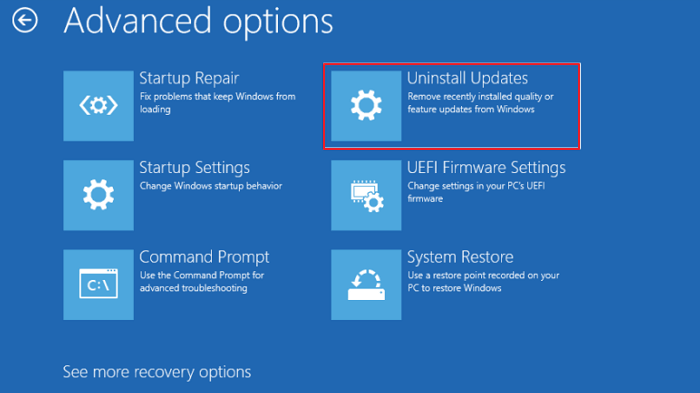
Fix 7. Uninstall Recent Updates
If the blue screen error occurs after installing a new Windows update, try uninstalling the update. To do this, go to the "Settings" app, then click on "Update & Security," followed by "View update history.
Step 1: Press the Windows key + I to open the settings.
Step 2: To find and select Windows Update, click on the Start menu and type "Windows Update" in the search bar. Once the Windows Update app appears, click on it to open it.
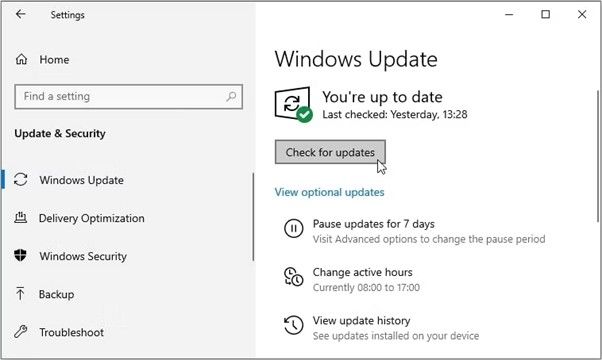
Step 3: Scroll down the page and click on Uninstall updates under Related Settings.
Step 4: After updating, double-click on the most recent update and confirm the installation by selecting Yes on the screen. This will complete the process.
Fix 8. Scan Your Computer for Viruses or Malware
To scan your computer for viruses or malware, use the built-in Windows Security tool. If it detects any viruses or malware, follow the instructions provided by the tool to remove them.
Step 1: Press the Windows key, type Windows Security into the search box, and hit Enter.
Step 2: Select the Virus & threat protection option.
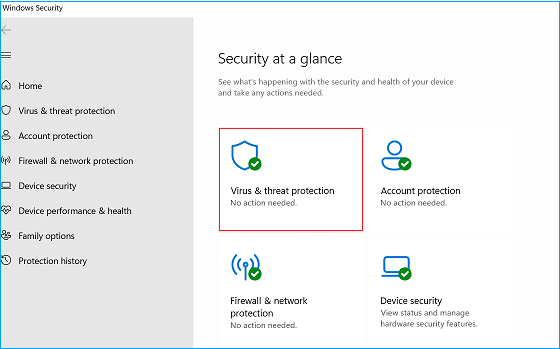
Step 3: Choose Full Scan as the scan type, and click Scan now to start the Windows 11 system scan.
Fix 9. Perform a System Restore
To restore your Windows system to a previous date, you can create a system restore point. To do this, follow these steps: Go to Start > Settings > Update & Security > Backup > Add a drive to the system image backup, select the drive you want to back up, and then select Next. Follow the prompts to complete the backup.
Step 1: To create a System Restore point, go to the Start menu, type "System Restore", and select "Create a Restore Point".
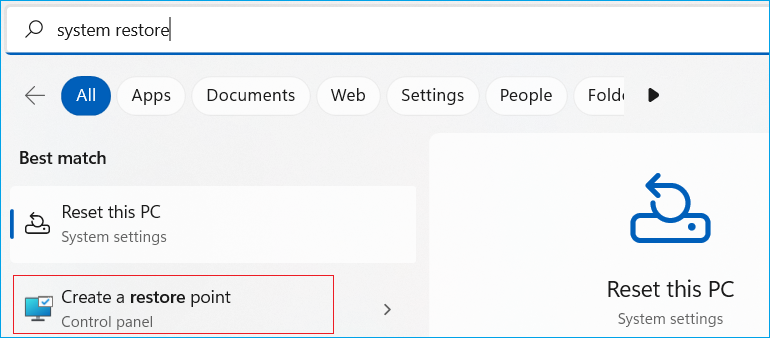
Step 2: To create a System Restore point, click on the System Restore option in the pop-up window and select the date of the restore point you want to create, then select Next.
Step 3: To confirm the restore point, click on "Finish". Wait until the computer restores your Windows system to the selected date.
To troubleshoot the blue screen issue, try restoring the computer to an earlier version using System Restore. This will revert the computer to a point in time when the blue screen issue was not present.
Fix 10. Qiling Blue Screen Repair Service
If all the above solutions are unable to fix your error, you can resort to the remote service from Qiling, which has a high success rate. Qiling provides more professional services for computer problems. Click the link below to connect with our experts' team.
What Does Windows 11 Blue Screen Means
The Blue Screen of Death (BSOD) in Windows 11 is officially known as a stop error, but its distinctive bright blue screen has earned it this nickname. It can manifest with various codes, indicating different system crashes or errors. The error codes can provide valuable information about the cause of the crash, helping users diagnose and potentially fix the issue. However, the exact cause and solution can vary greatly depending on the specific code and system configuration.
- The error code 0xc000000f is a common Windows code that appears after a boot failure. It is typically caused by installing or updating newer Windows software that interferes with the OS startup routines, resulting in a failed boot.
- The error code IRQL_not_less_or_equal is typically caused by a hardware failure, often due to a corrupt RAM module.
You can enter the code into the search engine and see possible fixes, or check the Microsoft support page for instructions.
What Causes Windows 11 Blue Screen Error
The Blue Screen Error can occur on Windows 11 due to various reasons, including hardware conflicts, driver issues, overheating, and more. This error can be caused by a faulty device driver, a malfunctioning hardware component, or a software glitch, among other things.
- Software incompatibility or software glitch
- Hardware failure
- Corrupted system files
- Driver issues
- A faulty Windows update
- MBR (Master Boot Record) or system file error
- Virus or malware attack
- Uncertified third-party applications
The section provides a comprehensive guide to resolving the BSOD error using nine different methods, each with a dedicated step-by-step guide to help fix the issue.
If you're experiencing the Windows 11 white screen error, you can refer to the detailed information available by clicking the provided link for troubleshooting steps and solutions.
Windows 11 White Screen? Top 9 Ways to Fix It!
Fixing a Windows 11 white screen issue can be frustrating, but understanding the possible causes can help. The problem may arise due to various reasons such as corrupted system files, outdated graphics drivers, or a faulty display adapter. To resolve this issue, you can try restarting your computer in safe mode, checking for corrupted system files using the System File Checker (SFC) tool, updating your graphics drivers, or rolling back your display adapter drivers.
Conclusion
The Blue Screen of Death (BSOD) error can be caused by various factors, and there are several methods to fix it. However, for a quick and hassle-free solution, we recommend using Qiling Disk Master, which can check disk and restore the Operating System to an earlier state without data loss, making it a convenient option to resolve the error.
FAQs About Windows 11 Blue Screen Error
The Windows 11 Blue Screen Error is a common issue that can occur due to various reasons such as hardware or software conflicts, overheating, or outdated drivers. To resolve this issue, users can try restarting their system, running a System File Checker (SFC) scan, or checking for any recent updates.
1. How do I fix the Green Screen of Death Windows 11?
The Green Screen of Death on Windows 11 can occur due to various reasons, but applying certain fixes can resolve the issue. These fixes can be used to troubleshoot and resolve the problem, allowing you to get back to using your computer without any issues.
- Unplug all external devices from your computer, including USB drives, external hard drives, keyboards, and mice, to ensure a clean and isolated environment for troubleshooting or maintenance.
- Update all your system drivers.
- Remove third-party antivirus or malware tools.
- Reinstall the previous Windows 11 version.
2. Does Windows 11 have a blue screen of death?
Some Windows 11 users have experienced a Blue Screen of Death and other issues, primarily due to compatibility problems with Intel drivers, which can also cause Microsoft Installer (MSI) to fail, making it difficult to update or repair apps.
3. How do I fix a blue screen on Windows 11?
To resolve the blue screen error, identify the cause, and then apply the appropriate solution. You can refer to the detailed guide In this guide for further assistance.
- Run Windows Memory Diagnostic test.
- Update/Rollback/Disable/Uninstall Device Drivers.
- Disconnect external devices and restart your system.
- Perform a System Restore.
- Scan your computer for malware.
- Boot into safe mode with networking.
A blue screen with the specific HAL_INITIALIZATION_FAILED stop code needs more focused checks than generic BSOD advice; see the HAL initialization failure guide.
Related Articles
- Recover Saved Game Data on Xbox Series X [ 5 Proven Ways]
- How to Stop Apps from Opening on Startup Mac | Detailed Tutorial and Tips
- How to Restore Missing Downloaded Files Steam
- 6 Ways to Fix Blue Screen Error APC Index Mismatch in Windows 10 [Full Guide]
- How to Fix Windows Boot Manager Boot Failed [Full Guide]
Want to boot your Windows normally? If you're experiencing issues with the Windows Boot Manager Boot Failed error. There are ways to fix it, and you can find them here. - 5 methods-Windows Did Not Detect a Properly Installed Network Adapter
Windows may struggle to detect properly installed network adapters due to two primary reasons: missing driver updates and improperly installed adapters. - Fix UNEXPECTED_KERNEL_MODE_TRAP 0x0000007F in Windows 11
- Fix DRIVER_VERIFIER_DETECTED_VIOLATION (0xC4) in Windows 11
- Fix ATTEMPTED_EXECUTE_OF_NOEXECUTE_MEMORY 0xFC in Windows 11
- Fix BAD_POOL_HEADER BSOD (0x00000019) in Windows 11
- Fix DRIVER_OVERRAN_STACK_BUFFER (0xF7) in Windows 11
Products
Articles & Tutorials
- Data Recovery
- Data Backup
- File Recovery
- File Backup
- System Backup and Restore
- Disk and Partition Clone
- Technical articles
- Mobile articles
- Disk Master Help
- Windows Data Recovery Tutorials
- Windows Secure Delete Tutorials
- Windows Partition Management Tutorials
- Windows File Backup and Restore Tutorials
- Windows System Backup and Restore Tutorials
- Windows Disk Backup and Restore Tutorials
- Windows Clone Tutorials